By Ashok Dyalchand | Director
Baseline survey: A baseline survey was conducted among married adolescent girls ≤19 years of age to find out the current situation in the project area. A total of 166 adolescent married girls <=19 years of age were interviewed. The findings are as follows:Mean current age of the respondents is 17.2 years. More than one in four girls are illiterate or educated up to the fourth class. The mean age at menarche is 13.4 and mean age at marriage is 15.1 years. About 63.4 % respondents were married before or at 15 years of age and 36.6% between 16 to 18 years. The average age at first conception is 15.9 years. The majority of girls (68.9%) had their first conception before the age of 16 years. The prevalence of any one complication during pregnancy is 77.7% and 65.5% reported at least one postnatal complication. About 21.2% young mothers reported that their babies had low birth weight and 57.3% reported neonatal complications. Merely 21.3% married adolescent girls reported that they are using contraceptives. A significant proportion (22.6 %) of married adolescent girls reported domestic violence.
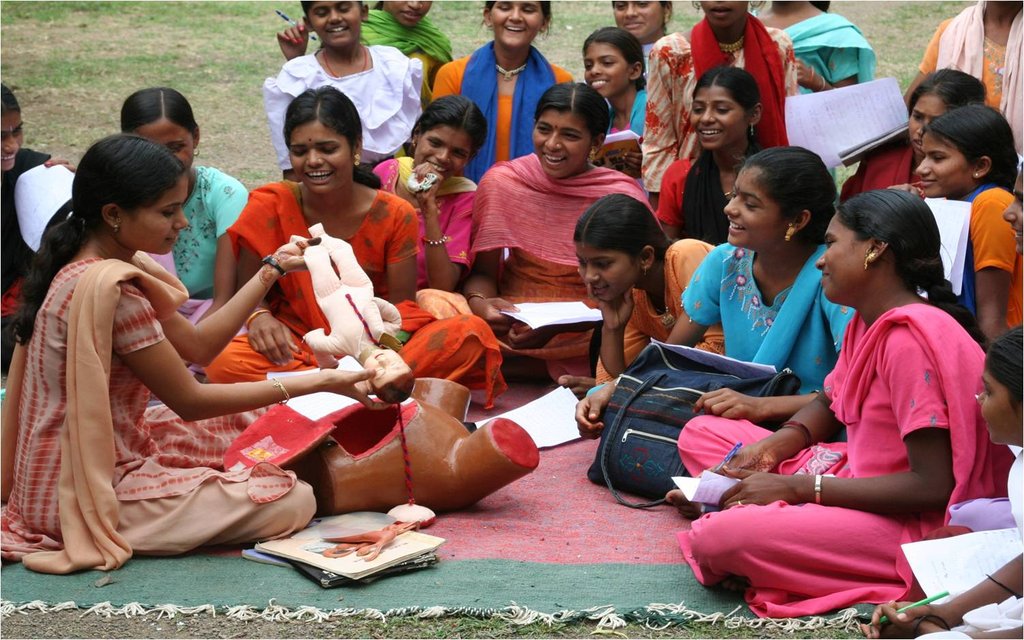
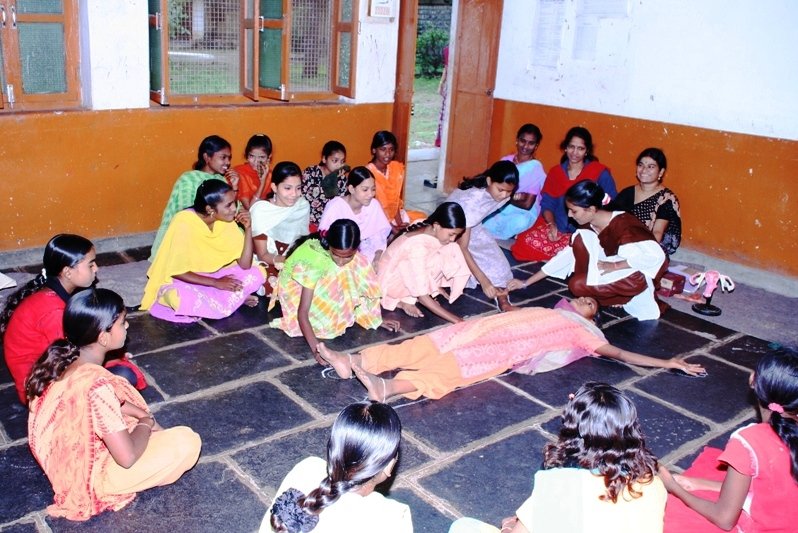
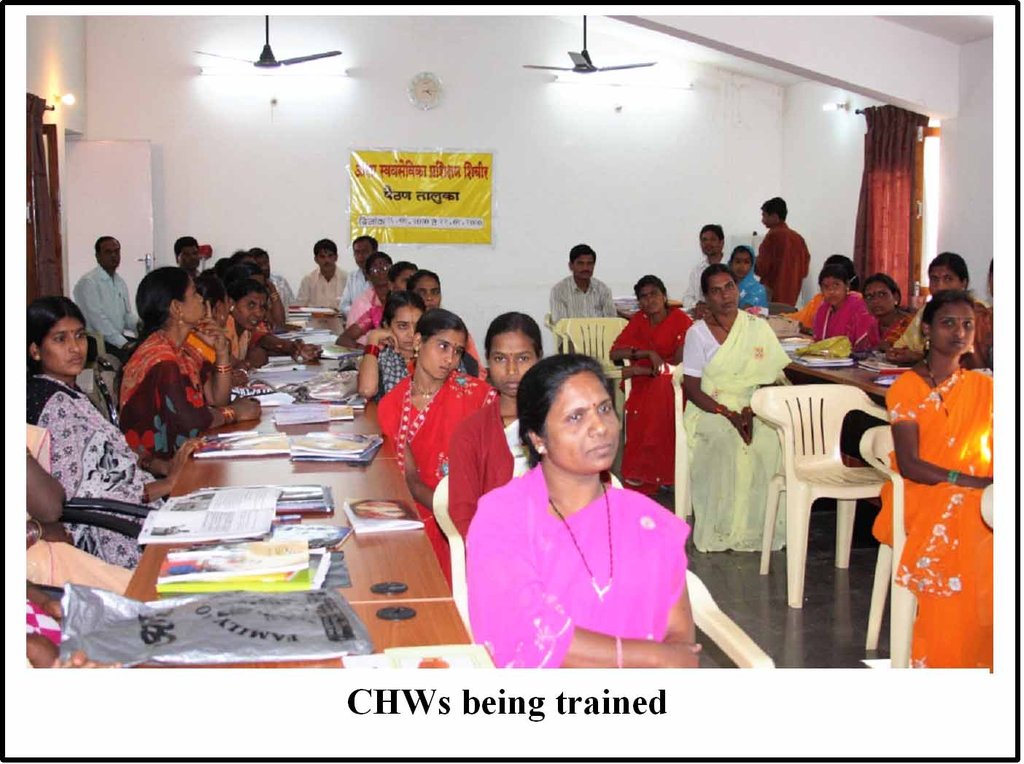
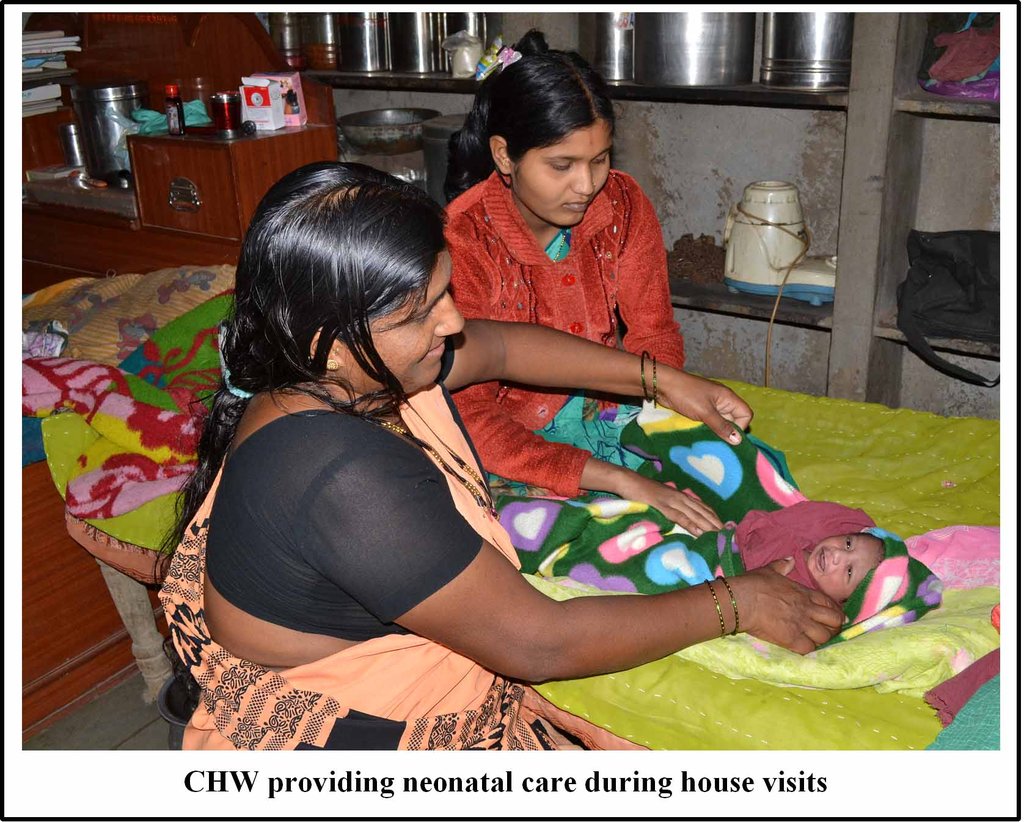
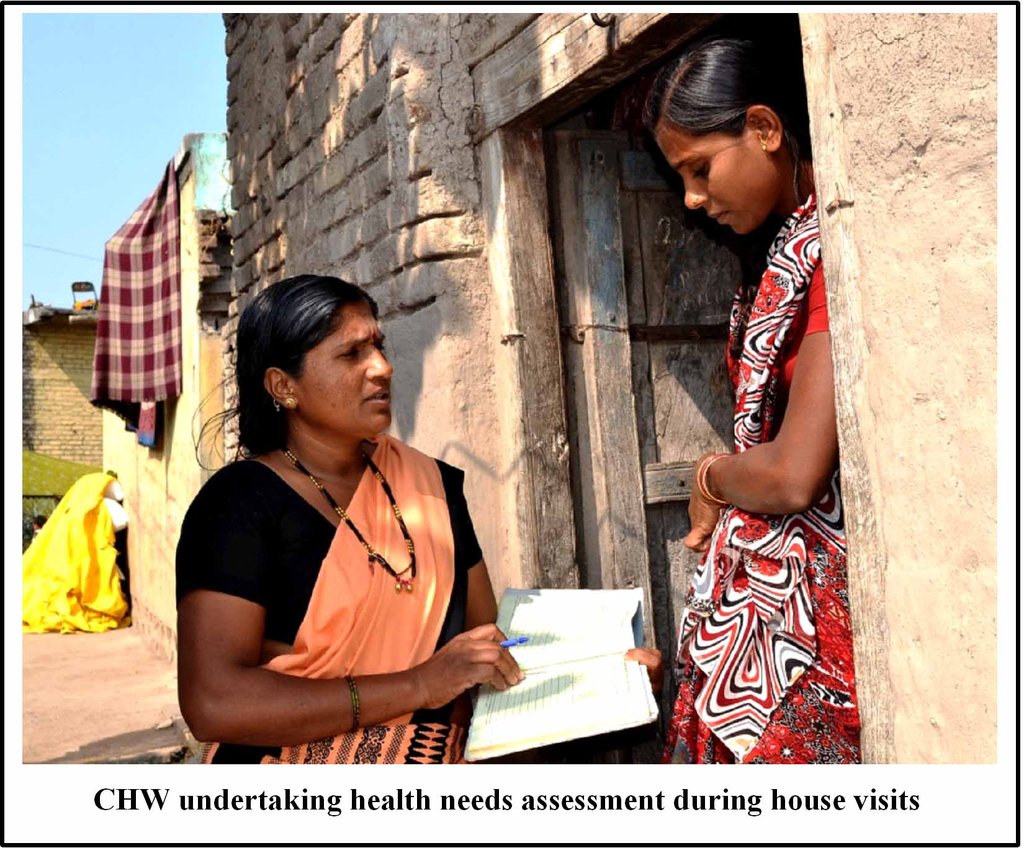
Project Implementation: Capacity building: Project activities are being implemented through 24 trained community health workers. Trainings are being organized for CHWs for skills development in health care, behavior change communication and life skills education.
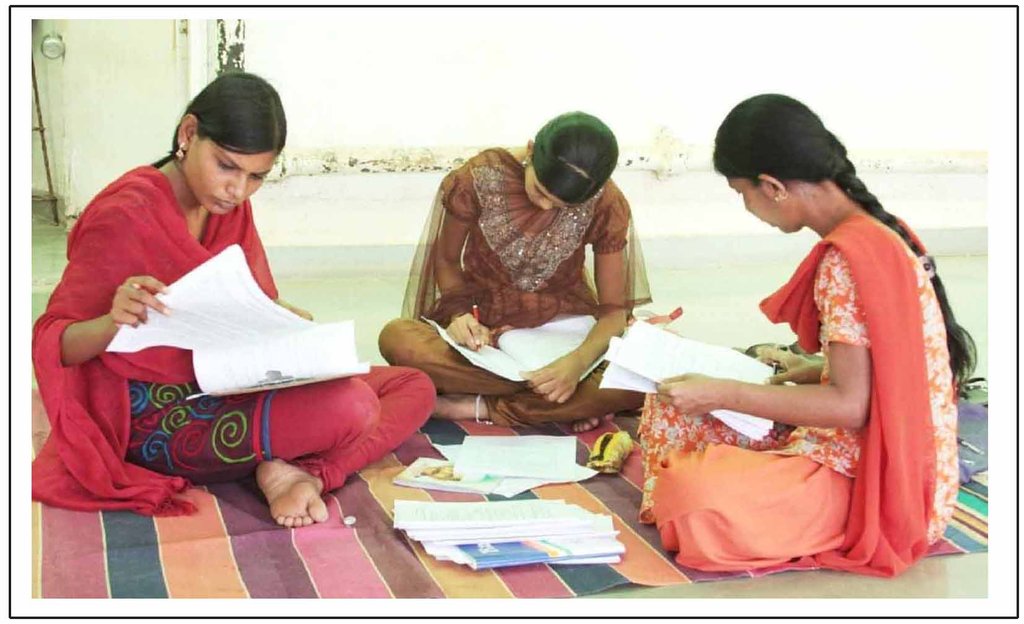
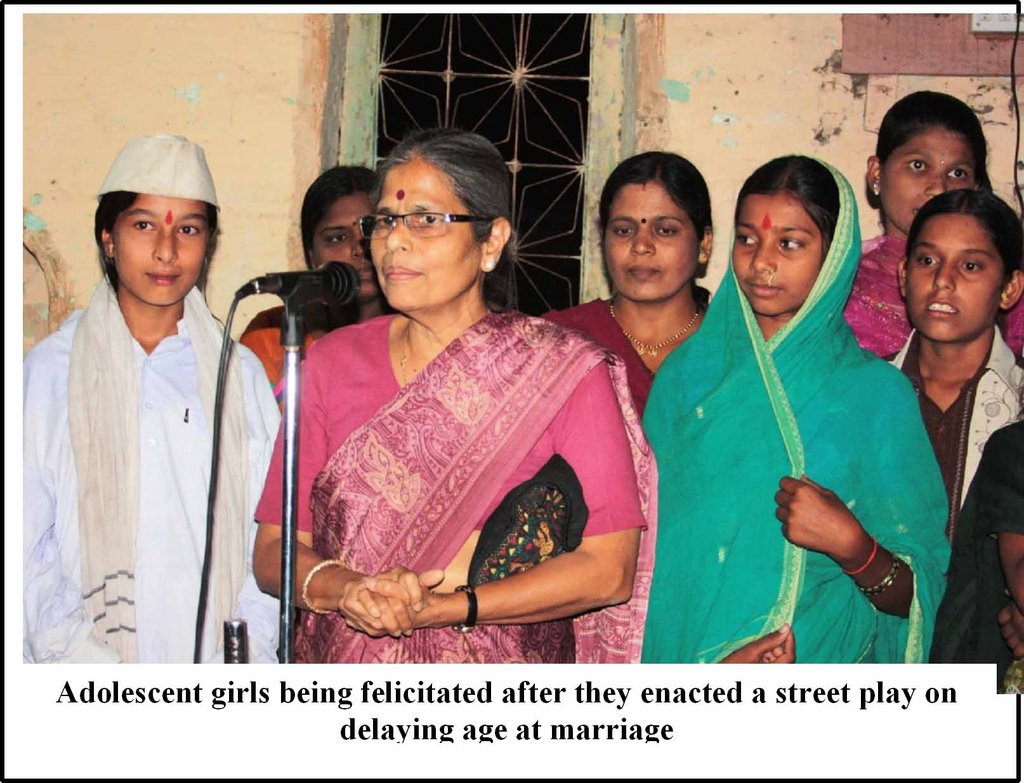
Empowerment of unmarried adolescent girls through Life Skills Education: A total of 797 adolescent girls are enrolled for the first batch of ‘Life Skills’ education by 24 CHWs. On an average 30 adolescent girls attend life skills education in each CHW area. A total of 81 adolescent girls have undergone training to develop kitchen garden by using the waste water of their homes. After the enrollment of adolescent girls for the Life Skills education a pre-test was conducted for 793 adolescent girls. Once the course is over the same tool will be used to evaluate the impact of the life skills education.
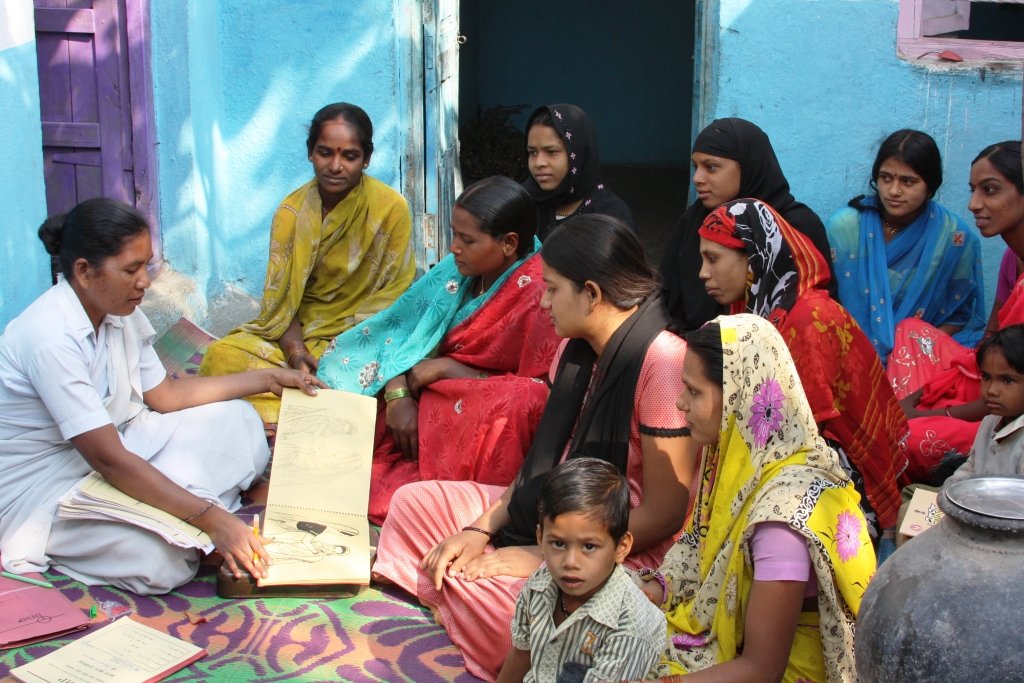
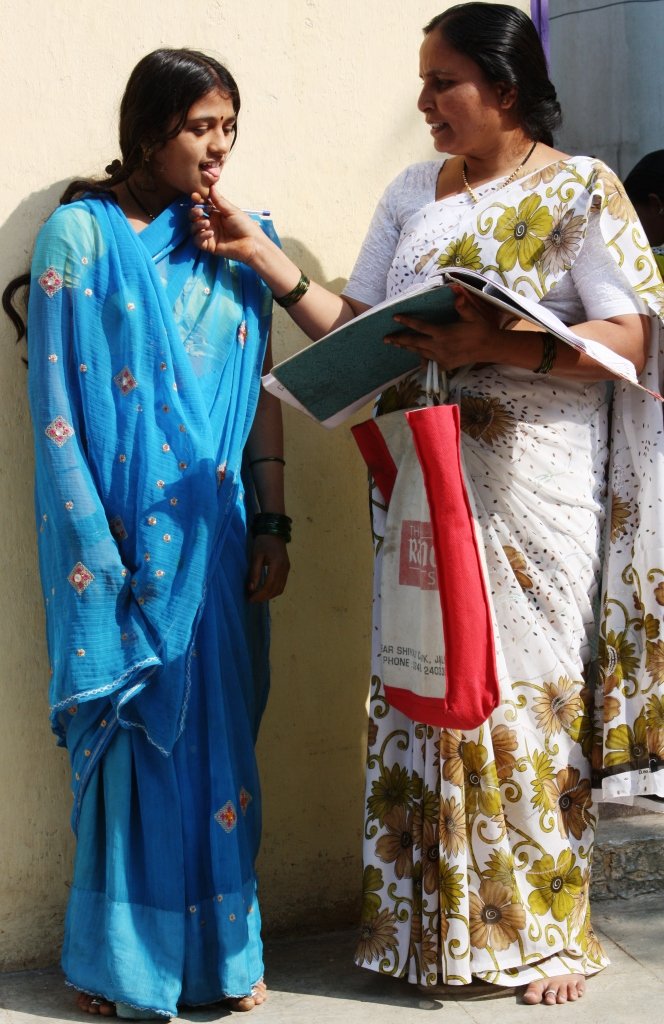
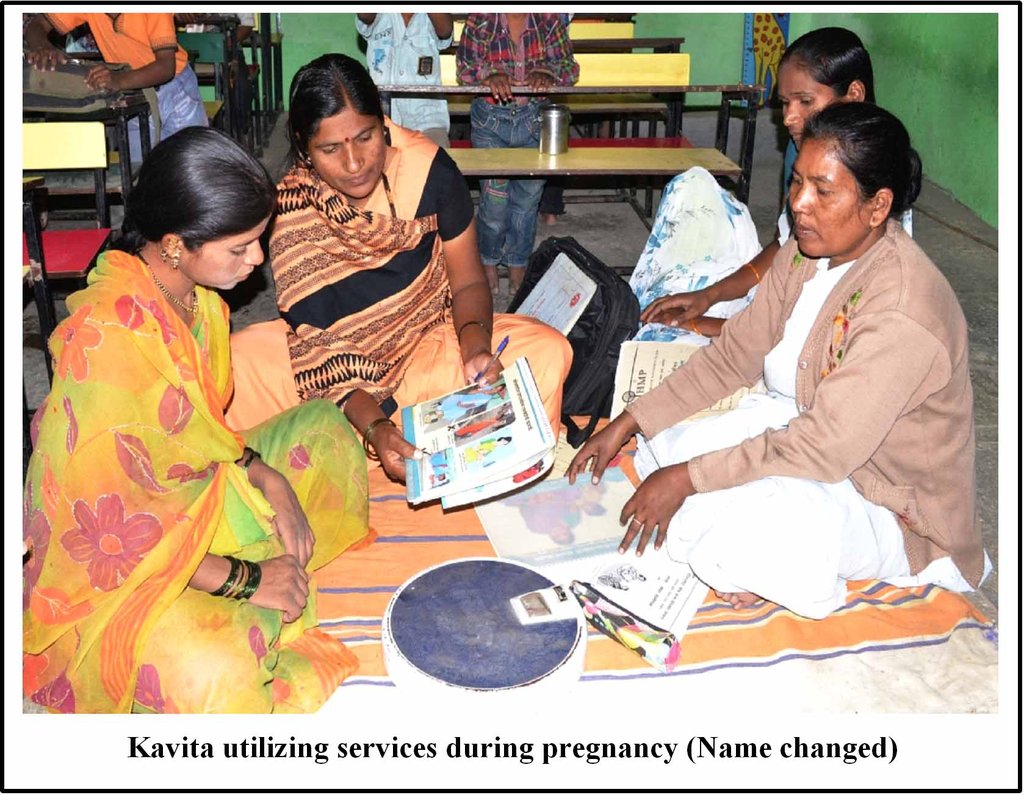
Protection of young married women from the adverse consequences of early marriage: On an average of 87.6% MAGs are visited by the CHW every month. About 48% MAGs attend group meetings at the village level. Nurses have started conducting antenatal clinics in 30 villages. They examined about 67.8% pregnant women and 482 MAGs received MNH and RH services last month.
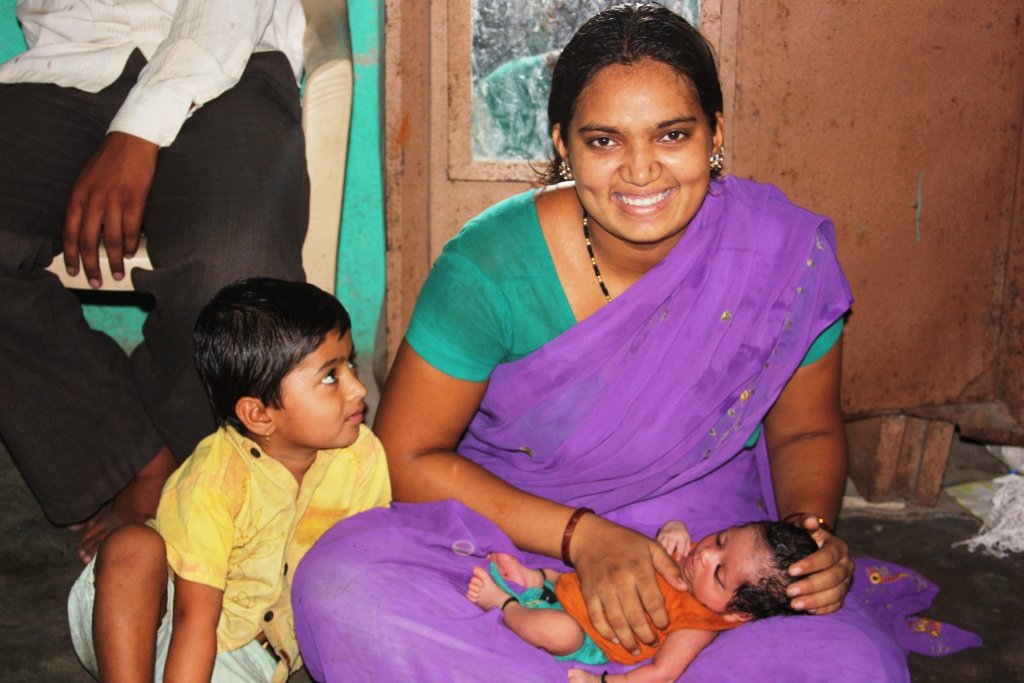
Case Study: Kavita (name changed) is a resident of village Kadethan (Bk). She got married when she was 15 years old and became pregnant for the first time when she was 16 years old. She has studied up to 9th class and works in her agricultural fields. During her house visit the IHMP nurse found that Kavita was at high risk as her weight was only 35 Kg during pregnancy. The nurse found out that her mother-in-law and husband were planning to have her delivered at home. After counseling by the nurse her husband and mother-in-law agreed to take her to the hospital for delivery. Kavita got premature labour pains that stopped after a short while and she was advised to undergo a Caesarean section. At the time of birth her baby weighed was only 1.5 Kg. Both mother and baby are doing well and now. This is a typical case study of how married adolescent girls are benefitting from this project.
Project reports on GlobalGiving are posted directly to globalgiving.org by Project Leaders as they are completed, generally every 3-4 months. To protect the integrity of these documents, GlobalGiving does not alter them; therefore you may find some language or formatting issues.
If you donate to this project or have donated to this project, you can receive an email when this project posts a report. You can also subscribe for reports without donating.



Support this important cause by creating a personalized fundraising page.
Start a Fundraiser