By Dr. A. Dyalchand | Director, IHMP
Thanks to your support we are able to touch the lives of hundreds of girls.
We would like to celebrate a fantastic milestone with you:
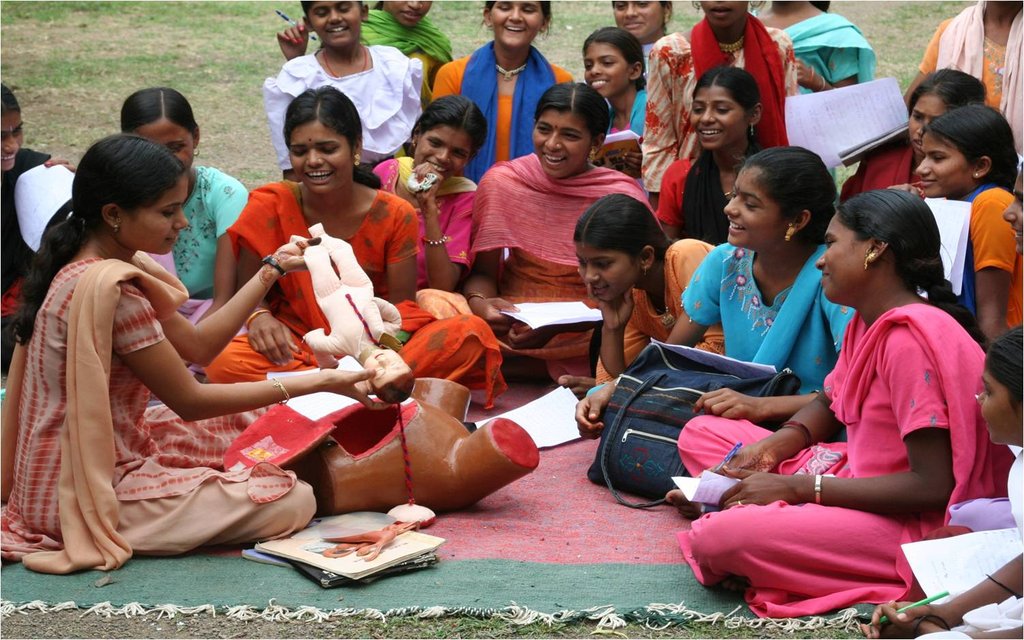
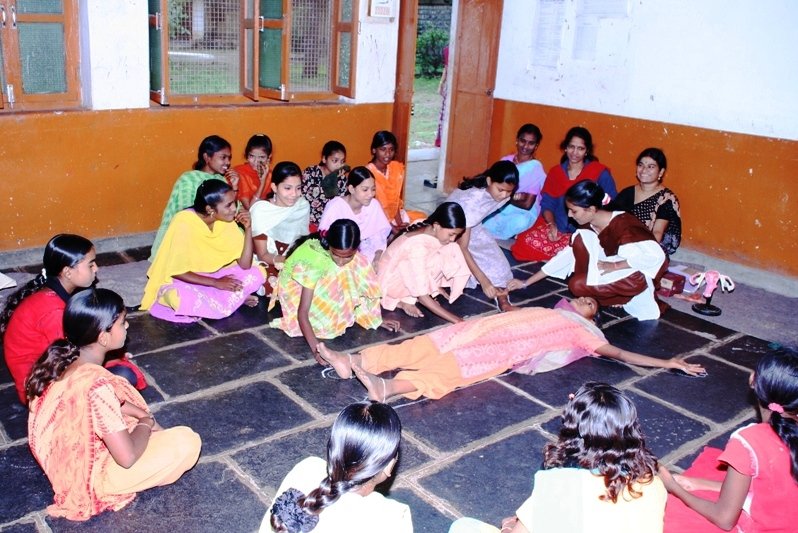
We have designed a culturally appropriate scale to measure self esteem and self efficacy in unmarried adolescent girls. Girls with low self esteem and self efficacy can now be identified and given special care. This scale is also being used to evaluate our Life Skills Education for empowering adolescent girls. We wish to celebrate this great achievement with all of you. This is how the scale was developed:
First a literature review was undertaken to find out the definitions and scales used for measuring self-esteem and self-efficacy among adolescents internationally.
Definition of Self Esteem:
Definition of Self Efficacy:
The second step was a study undertaken with 82 adolescent girls in the age group 13 to 18 years, from different villages. The girls were asked about their perceptions regarding self esteem and self efficacy. Below we present some excerpts of their perceptions related to self esteem and self efficacy.
Examples of perceptions of adolescent girls related to self esteem and self efficacy
Q: Who has self efficacy? “A girl who makes mistakes but tells her parents has self confidence.”
Q: What kind of decisions do adolescent girls make on a daily basis? “What to cook; meet friends or not; attend school or not; continue education or not”.
Q: How does a girl come to know that she has good skills? “If a girl has skills, she shows them to others and receives praise. She comes to know that she has skills, and it increases her self confidence.”
Q: Who can be a leader? What is leadership? Someone who can control a group, who is smart. Someone who is not shy while expressing herself. Someone who can take decisions.
Q: Does gender discrimination affect your self esteem? “Gender discrimination makes a girl feel she has no importance in the house. She feels her family members do not love her”.
Q: Which changes are noticeable in girls who have gone through the Life Skills Education? “They developed a liking for higher education; Can speak against the wrong decisions of parents such as marriage before 18 and stopping education; Can express opinion without fear; have more knowledge and skills; can take decisions”.
In order to adapt the international scales for rural adolescent girls in India it was necessary to translate them into the local language. The scales were translated with the assistance of adolescent girls by using the local lexicon suggested by them.
Examples of local lexicon related to self esteem and self efficacy elicited from adolescent girls
A girl who can take a decision in the face of adversity has “himant,” “dhairya”. A girl who has the confidence of being a leader has “Dhadas”. Someone who can work independently is self-reliant “Nischaya”. A girl who can speak in front of many people is - “Dhit”. “If you want to be a village leader you have to be brave “Dhadas”.
“If someone is creating obstacles for a girl, she should have confidence “himant” to overcome those obstacles by making that person understand”
A composite tool was designed by incorporating factors from the international scales that were translated by the girls as well as factors derived from the study conducted with the adolescent girls. Once the draft instrument for data collection was designed, it was pretested with a few adolescent girls
Empowerment of unmarried adolescent girls through Life Skills Education
A total of 800 adolescent girls were enrolled in the first batch for Life Skills Education, out of which 721 girls have completed the course. I think this sentence is unnecessary.
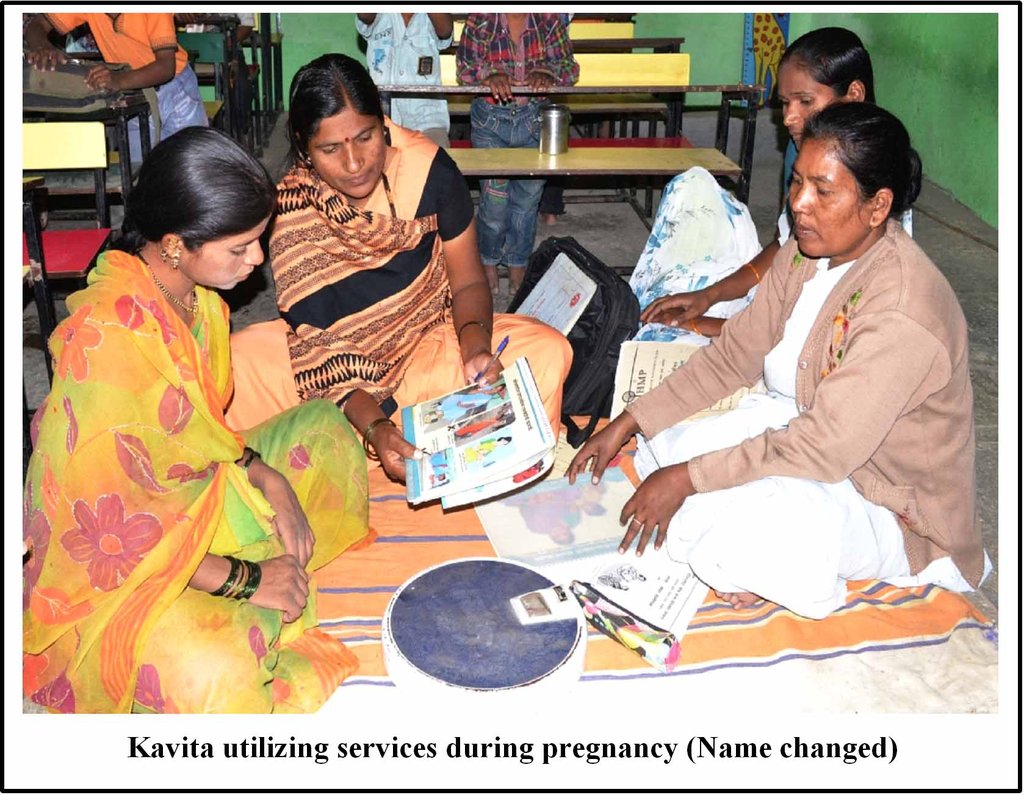
Before the life skills education was conducted 790 unmarried adolescent girls underwent the test for self esteem and self efficacy. Prior to life skills education 9 percent adolescent girls had very low self esteem and 14 percent had extremely low self efficacy. These girls and their parents were given special counseling and preferential enrolment in leadership and assertiveness training.
Six months later after the girls had completed the life skills education course 721 girls underwent the same tests for measuring their self esteem and self efficacy.
SELF ESTEEM SCORES Before Life Skills Education After Life Skills Education
790 Girls tested 721 Girls tested
Girls with Low Self Esteem 9 % 2 %
Girls with High Self Esteem 57 % 69 %
The proportion of girls with very low self esteem reduced from 9 to 2 percent and the proportion of girls with moderate to high levels of low self esteem increased from 57 to 69 percent.
SELF EFFICACY SCORES Before Life skills Education After Life Skills education
790 Girls tested 721 Girls tested
Girls with Low Self Efficacy 14 % 3 %
Girls with High Self Efficacy 48 % 60 %
The proportion of girls with very low self efficacy reduced from 14 to 3 percent and the proportion of girls with moderate to high levels of low self efficacy increased from 48 to 60 percent.
We believe that an improvement in self esteem and self efficacy will benefit the girls in all walks of life and will result in an improvement in their overall quality of life.
One of our colleagues has shared the experience of an adolescent girl from one of our slums who had undergone life skills education. It is a powerful story about the benefits of empowering adolescent girls. Please press Ctrl and Click on this link - https://www.youtube.com/watch?v=q680GL6I5iM
Protecting married adolescent girls from the adverse consequences of early motherhood
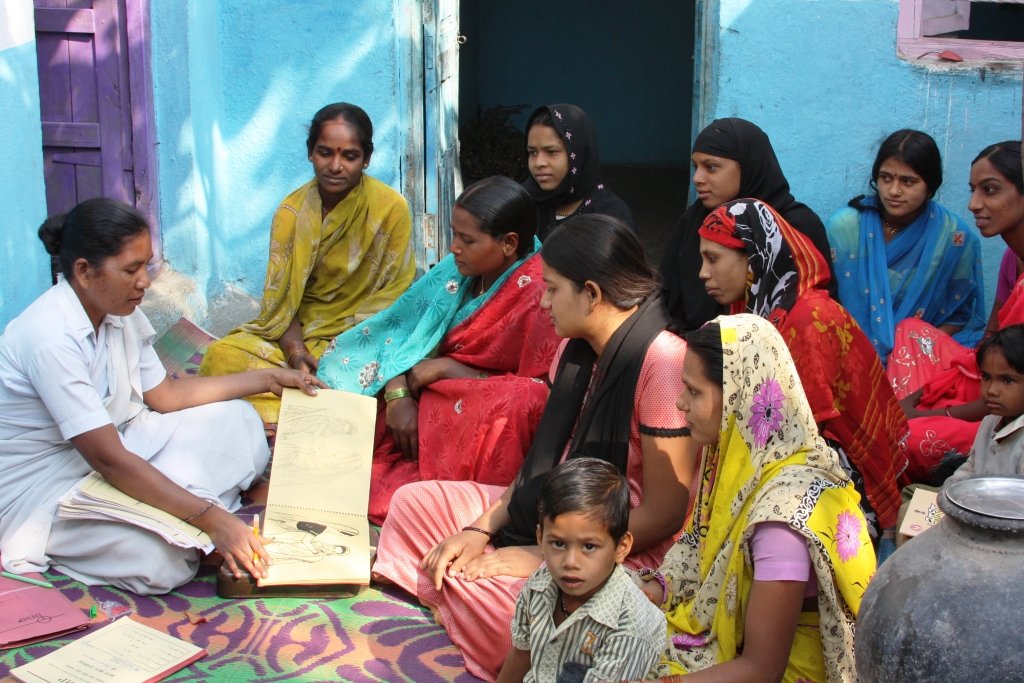
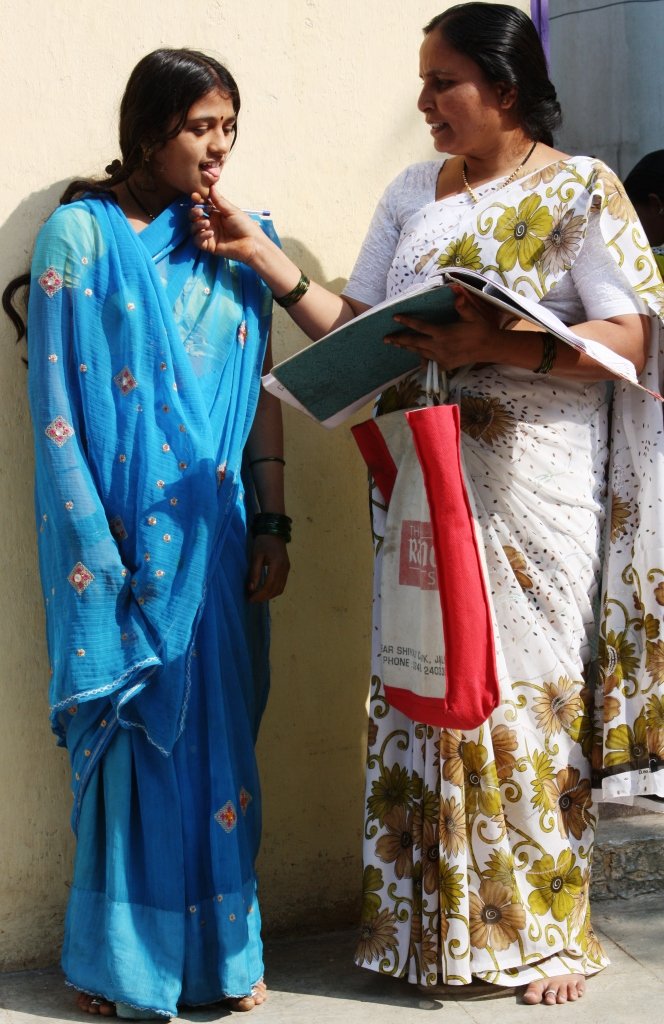
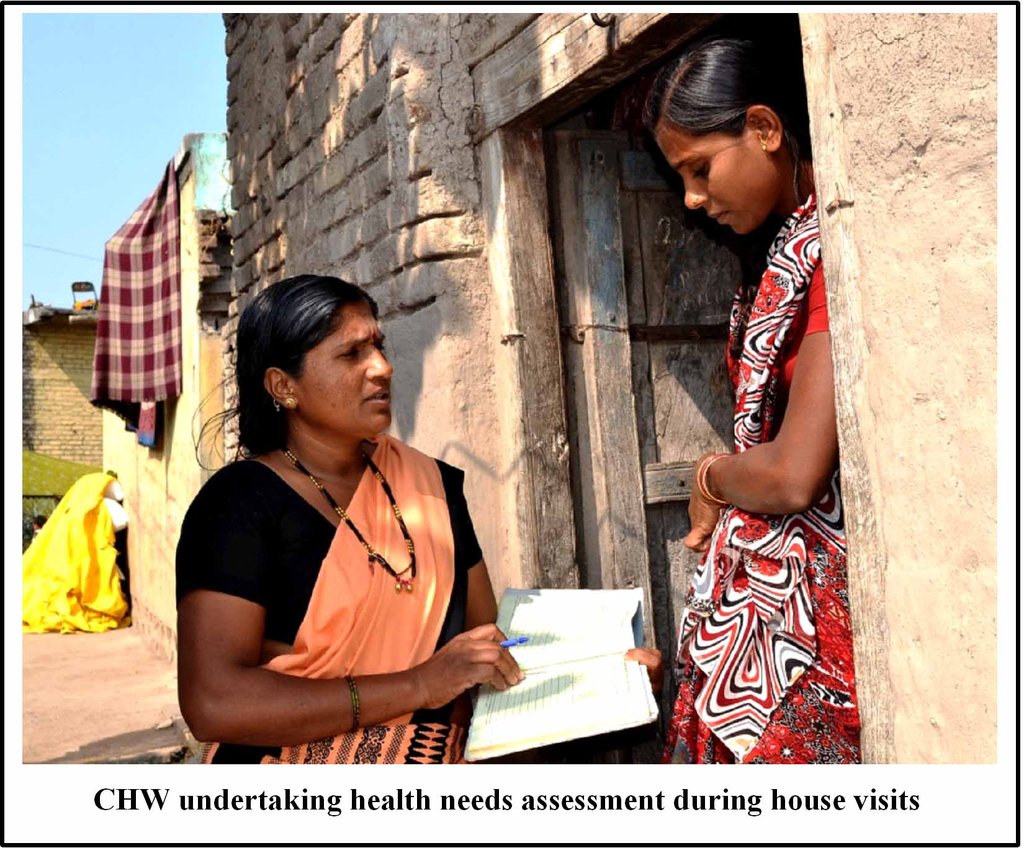
From 1st April to 30th September 2014, twenty Community Health Workers (CHWs) assessed the health needs of married adolescent girls during household visits and reported their needs to health providers. A total of 482 Married Adolescent Girls are registered, out of which 437 (91 %) Married Adolescent Girls were visited for the monthly assessment of health needs.
At the village level, 41 group meetings were conducted last month, where health information was disseminated. These meetings covered about 58 % of the target group, which has been the average coverage for each of the last three months.
Over 21 % of young married couples are using contraceptives to plan their families. Last month 54 Married Adolescent Girls were identified with reproductive tract infections of which 44 (81 %) sought treatment. This has been the average coverage for each of the last three months.
IHMP made a power point presentation on the issue of “Protecting married adolescent girls from the adverse consequences of early motherhood” for the Dasra Girl Power Award, which we won in 2013. To access the presentation press Ctrl and Click on this link -
http://www.ihmp.org/IHMP-DASRA%20Girl%20Power%20Award%202014.pdf
Usha International is one of the oldest manufacturer’s of sewing machines. Under their CSR programme the company has trained 10 teachers from IHMP’s project villages. These 10 teachers were given sewing machines by the Usha International company. Over the last three months the 10 teachers have trained 64 adolescent girls who have completed the life skills education course.
We hope to raise funds for subsidizing the cost of sewing machines for the girls that show interest and have acquired the capacity to take up sewing as a means of livelihood.
This quarter we hope to establish a bicycle bank and loan bicycles to at least 100 adolescent girls so that they can continue their formal education by going to neighbouring villages that have secondary schools and higher secondary schools.
Gender sensitisation of Boys and Young Men
The third component of the project with boys and young men aims to improve gender inequitable attitudes in young men thereby reducing the prevalence of sexual and domestic violence perpetrated on girls and young women.
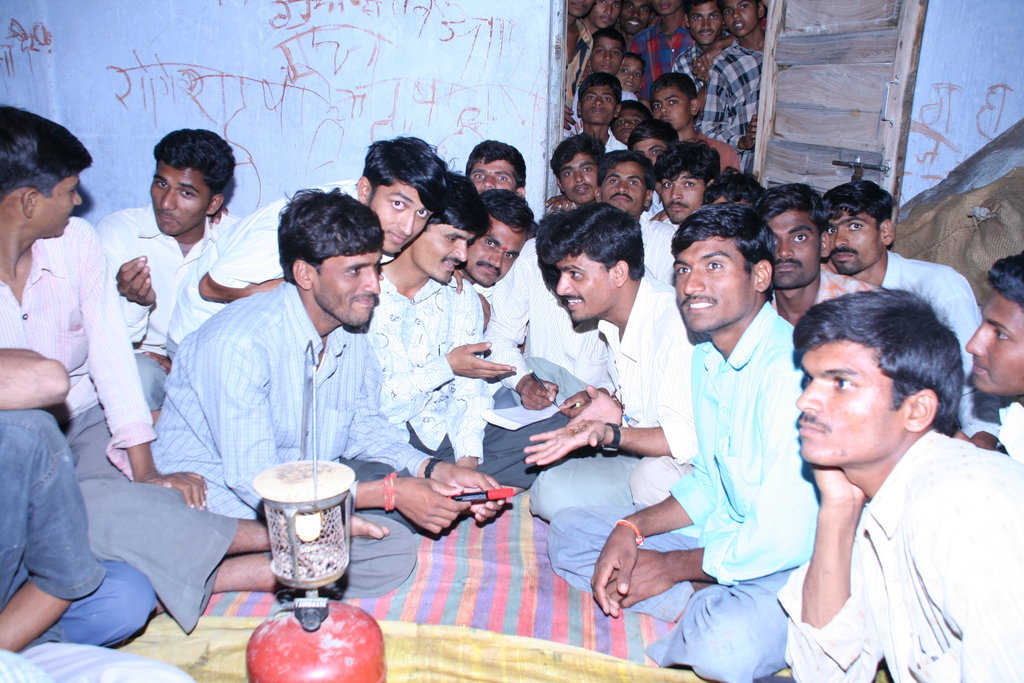
Monthly group counselling for boys and young men are being organised in 24 villages, which were attended by 683 youth.
In each village 2 peer educators have been selected who are organising group meetings in their villages. A total of 48 peer educators have been oriented and are functioning. The peer educators have started a campaign for re-defining masculinity in more gender equitable terms:
“Real men marry women, not adolescent girls”
“Real men are sensitive and caring towards girls and women”
“A real man would NEVER think of perpetrating violence against girls and women”
Engaging parents and community members
Twenty meetings were conducted for parents at the community level which were attended by 321 parents.
If you would like to support us to achieve these goals, we would be grateful for any donations. Please go to the GlobalGiving link to donate.
http://www.globalgiving.co.uk/projects/empowerment-of-6000-adolescent-girls-in-india/
If you are a located in India you can donate through a bank transfer, cheque or demand draft payable to the following bank account.
Name of Account Ashish Gram Rachna Trust
Account Number 20219000888
Bank Name Bank of Maharashtra, Pachod
Branch Pachod Branch
IFSC Code MAHB0000203
Account Type &n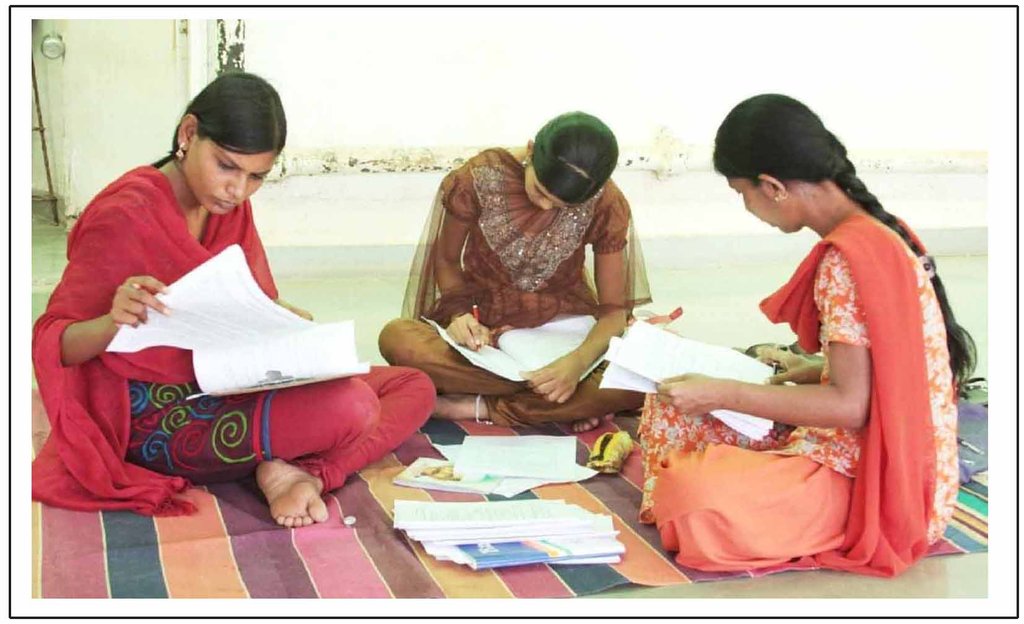
Project reports on GlobalGiving are posted directly to globalgiving.org by Project Leaders as they are completed, generally every 3-4 months. To protect the integrity of these documents, GlobalGiving does not alter them; therefore you may find some language or formatting issues.
If you donate to this project or have donated to this project, you can receive an email when this project posts a report. You can also subscribe for reports without donating.



Support this important cause by creating a personalized fundraising page.
Start a Fundraiser