By Dr. A. Dyalchand | Director, Institute of Health Management, Pachod (
Dear donors, thank you very much for your continued support.
In our last quarterly report we had described how we have undertaken painstaking research to design and develop a scale to measure empowerment among adolescent girls.
The problem that we are trying to address:
About 1 million adolescent girls are married before they reach 18 years of age. A majority of these girls become mothers before 18 years as a result of which they suffer a huge burden of morbidity and mortality.
The solution that we are implementing:
Our research indicates that ‘Life Skills Education’ results in improvement - knowledge, self esteem, self efficacy, communication and decision making and negotiation skills. As a result of this empowerment they are able to negotiate with their parents to continue formal education and delay their marriage. With your continued support we have been able to empower 1200 adolescent girls.
This quarterly report is presented in 2 parts.
In part 1 of this quarterly report we would like to share details of “Life Skill Education”, which has resulted in improved self esteem and self efficacy of adolescent girls. We measure the change with the scale developed by us.
In part 2 of this report we would like to share details of the “Integrated, urban, reproductive and sexual health and family planning project for empowering adolescent girls and protecting young married women, which was initiated in 10 slums of Pune city in October 2014”.
Part 1:
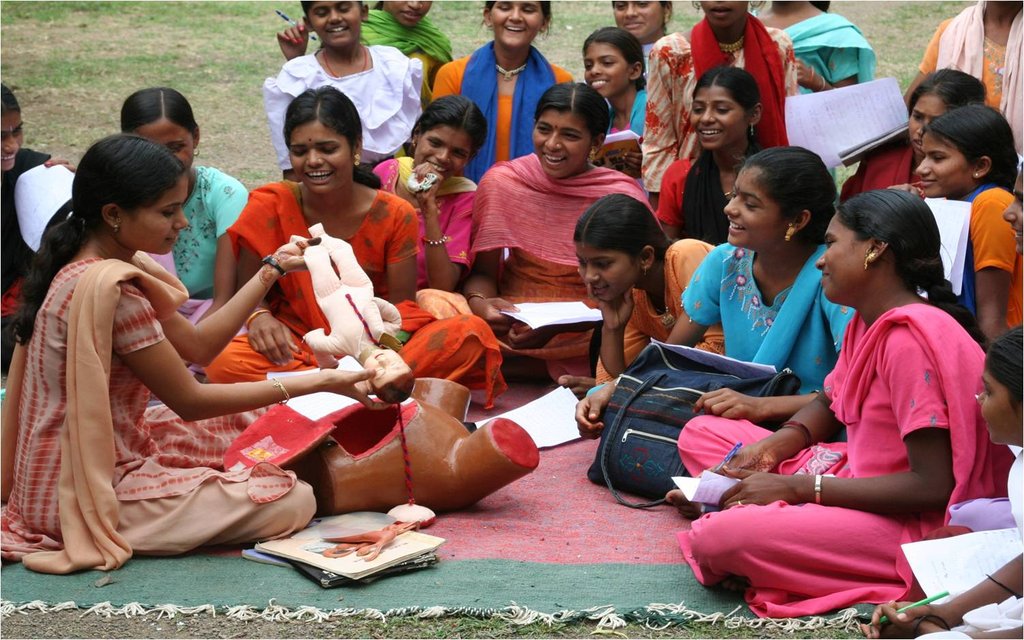
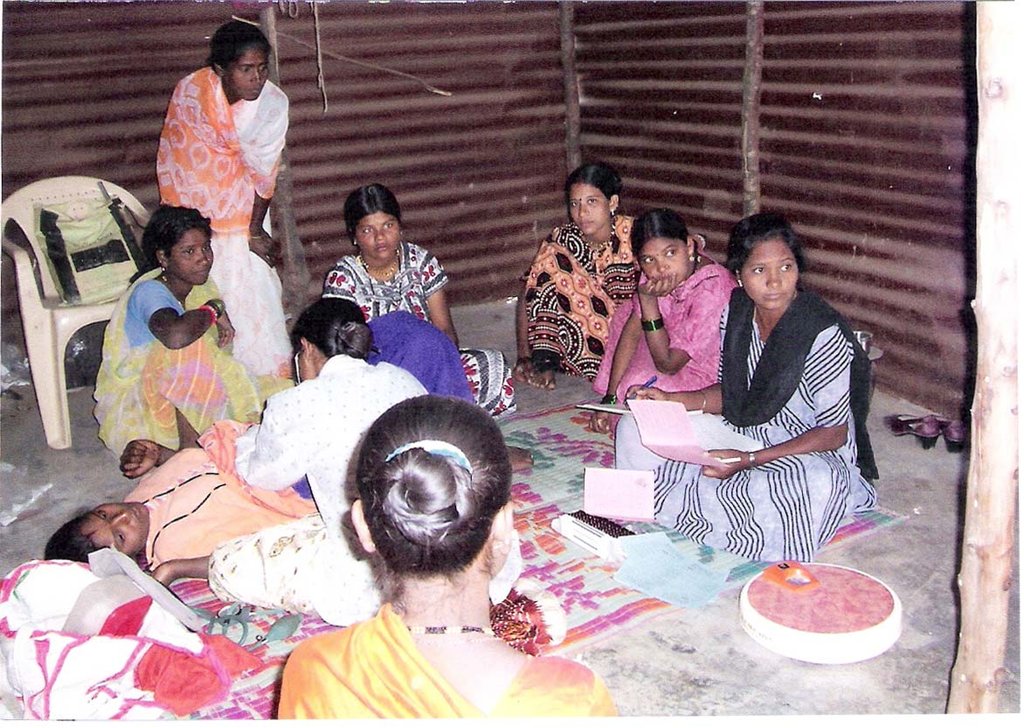
In 16 villages of Aurangabad district 800 girls have completed Life Skills Education. In these villages, 24 Life Skills Education teachers have organized 47 Girls Clubs (Kishori Mandals). The Kishori Mandals are implementing development projects in their villages.
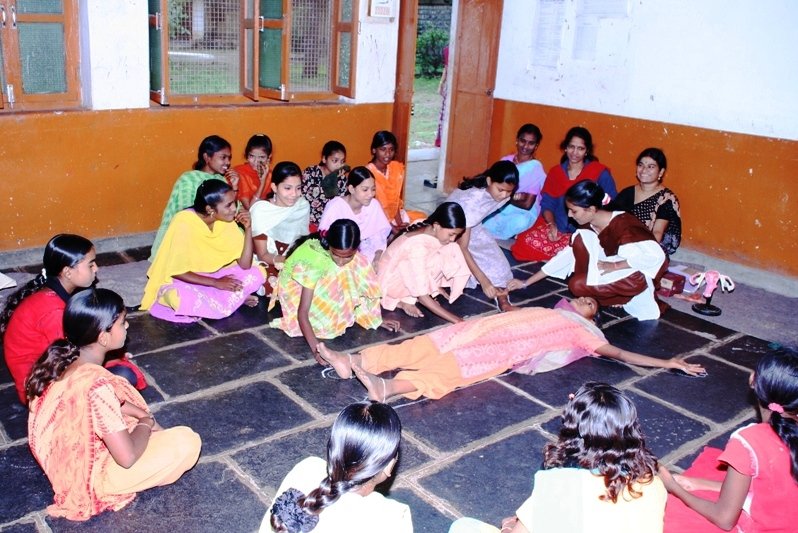
In October 2014, another 412 adolescent girls were enrolled for the Life skills education course. They have been organized into 20 Kishori Mandals. In the last three months the following five modules of the Life Skills education course were taught - 1) Healthy life style 2) Local institutions 3) Team building 4) General skills 5) Laws related to women and girls.
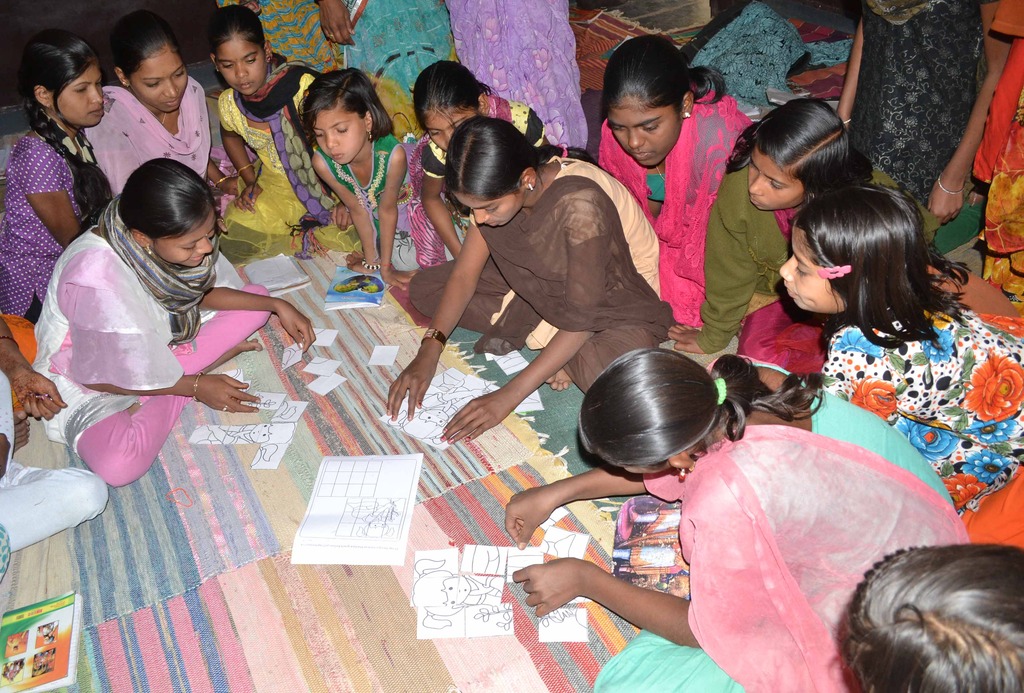
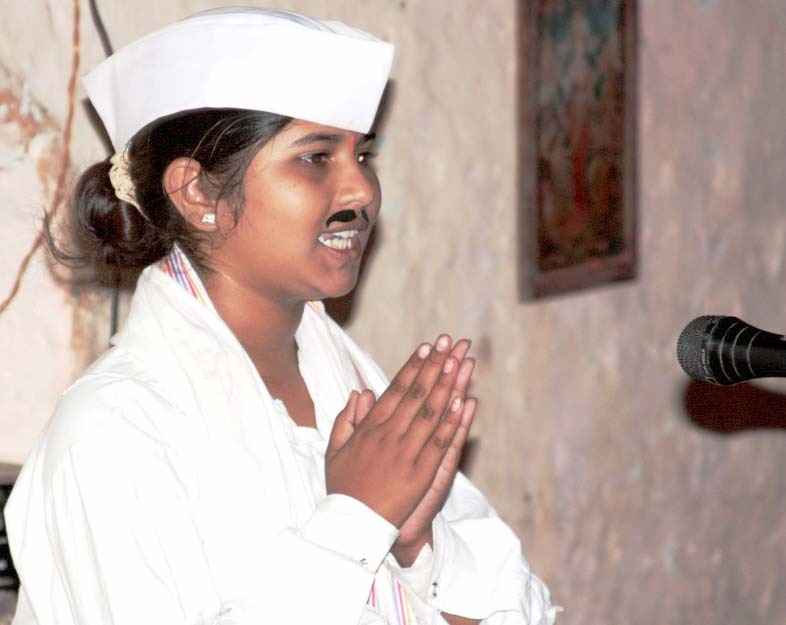
Once a week, over a period of 6 months the Girls clubs conduct participatory activities such as visit to the bank, police station and post office; data collection, report writing, etc. Several Girls Clubs (Kishori Mandals) have organized street plays on the importance of delaying marriage and continuing formal education for adolescent girls. This community based activity has had a measurable impact on increasing awareness in the community about the risks of child and early marriage. Participatory activities organized by the girls are influencing the social norm related to age at marriage.
Self esteem and self efficacy among adolescent girls is measured at the time of enrolment in the Life Skills Education course and after its completion.
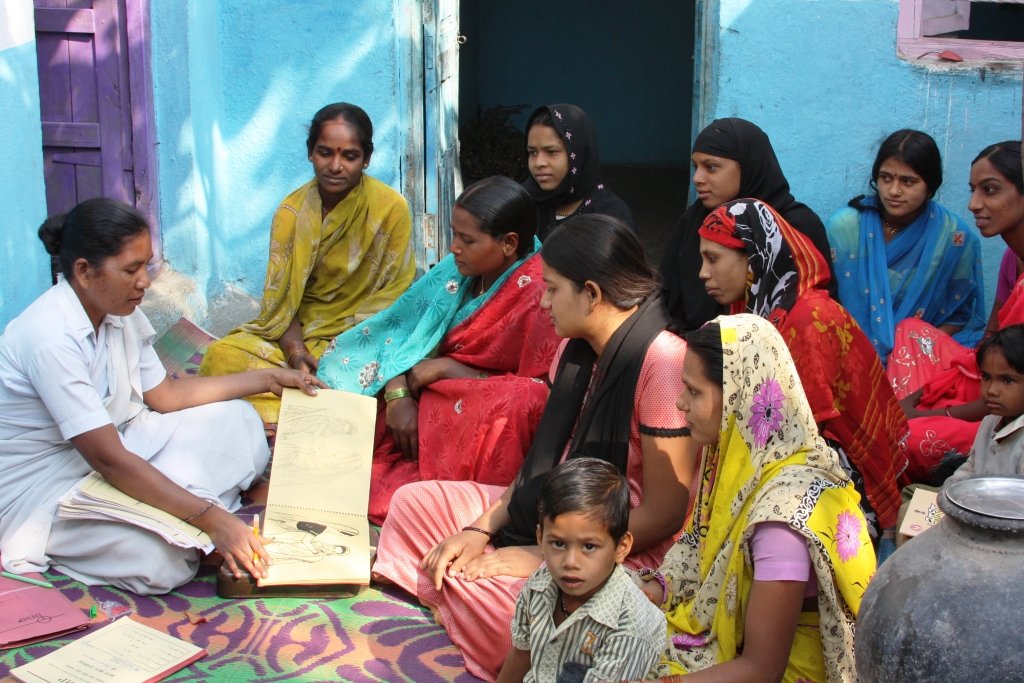
At the community level 20 orientation meetings were organized for mothers. The orientation meetings were attended by 321 mothers of adolescent girls.
You will be delighted to learn that Institute of Health Management Pachod (IHMP) has received a grant from a GlobalGiving UK corporate partner – “STA Travel Foundation”.
We wish to put on record our appreciation for the efforts made by GlobalGiving and are grateful to STA Travel Foundation for making a grant of Pounds 2000 for the purchase of 65 bicycles to start a bicycle bank to enable vulnerable girls at risk of early child marriage to attend secondary school. IHMP plans to mobilize funds from other donors as well and we hope that finally more than 300 girls will benefit by using bicycles to go to neighbouring villages that have secondary and higher secondary schools.
During the last quarter 31 girls received training in arts and craft. At the request of adolescent girls and their parents tailoring classes were started in 10 villages. Of the girls that attended sewing classes, 8 adolescent girls completed the course and have become professional tailors in their respective villages.
We wish to provide examples of the impact of this project through two case studies, which will give our supporters an idea of how Life Skills Education has resulted in raising the self esteem of adolescent girls in our project villages.
Case study 1:
Uzma lives in Adoor village (names changed). Her mother is a housewife and father is a farm worker. He is engaged in harvesting sweet lime fruit (Mousambi).
Uzma joined the second batch of life skill trainings and enjoyed it thoroughly. She brought her friends too for this course as she wanted them to benefit from it as well. She was a very attentive student. She took initiative in all the life skills education activities. Her friends nominated her to be their leader. One day their Life Skills teacher asked them to enact a street play for their village community called– “First you don’t like it but end up loving it”. Uzma took a lead in organizing the play. This play was also presented in front of the evaluators from GlobalGiving. Uzma played the role of a doctor and also anchored the programme.
According to Uzma, Life Skill Education has given her great confidence, which is why she was able to take part in the street play. She feels confident in voicing her opinion on various issues, something that she could never do before the life skills education. Uzma wants to study further and aspires to become a doctor for her village. Her parents enjoyed to see her perform in the play and are very proud of her leadership skills. They appreciated her increase in self confidence and are sure she will achieve all that she aspires for in life.
Case study 2:
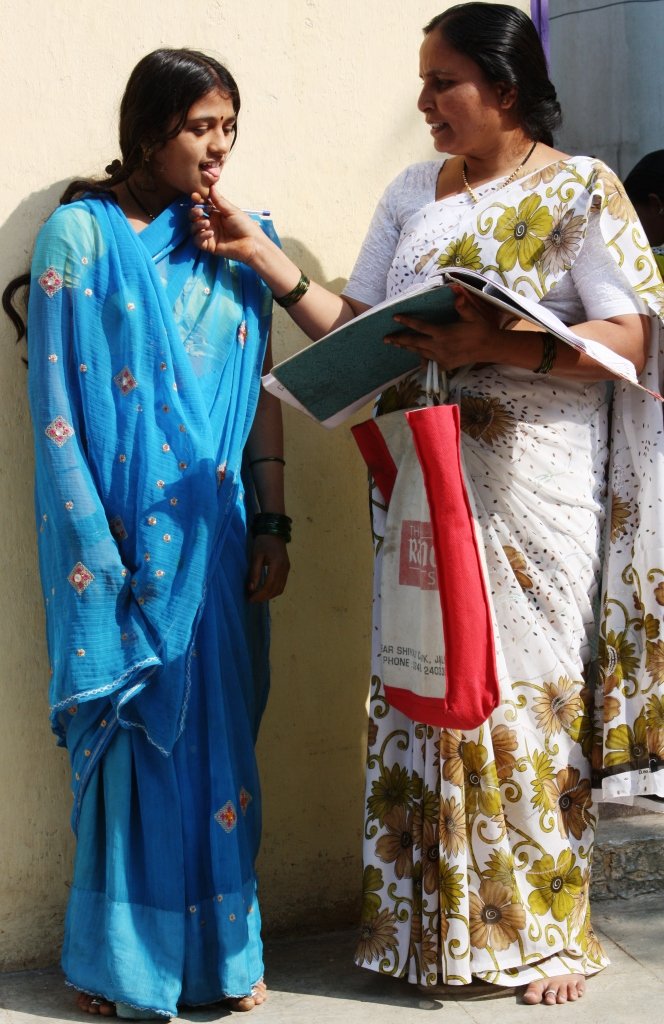
Pooja (name changed) is another participant of Life Skills education. She is 17 years old and is studying in 12th standard. Her parents are marginal farmers. Pooja walks a long distance to go to her school. After joining Life skill education, Pooja went through training in leadership development, kitchen gardening, and various crafts. Along with other adolescent girls she visited the local bank, post office, police station and village council office. She joined the tailoring center and has learnt to design and sew women clothes. Pooja has taken up tailoring and has started earning for the family.
Pooja said “I was always interested in doing something productive but I did not have the required skills. Life skills education gave me the required skills and a chance to earn. Pooja said “I have earned the respect of my family and community and that had increased my self confidence immeasurably. After completing 12th class Pooja wishes to do Diploma in Education and become a teacher.
Part 2
The second part of our quarterly report deals with the ‘Integrated urban reproductive and sexual health and family planning project for empowering adolescent girls and protecting young married women from the adverse consequences of early motherhood’. The project was initiated in 10 urban slums on 1st October 2014”.
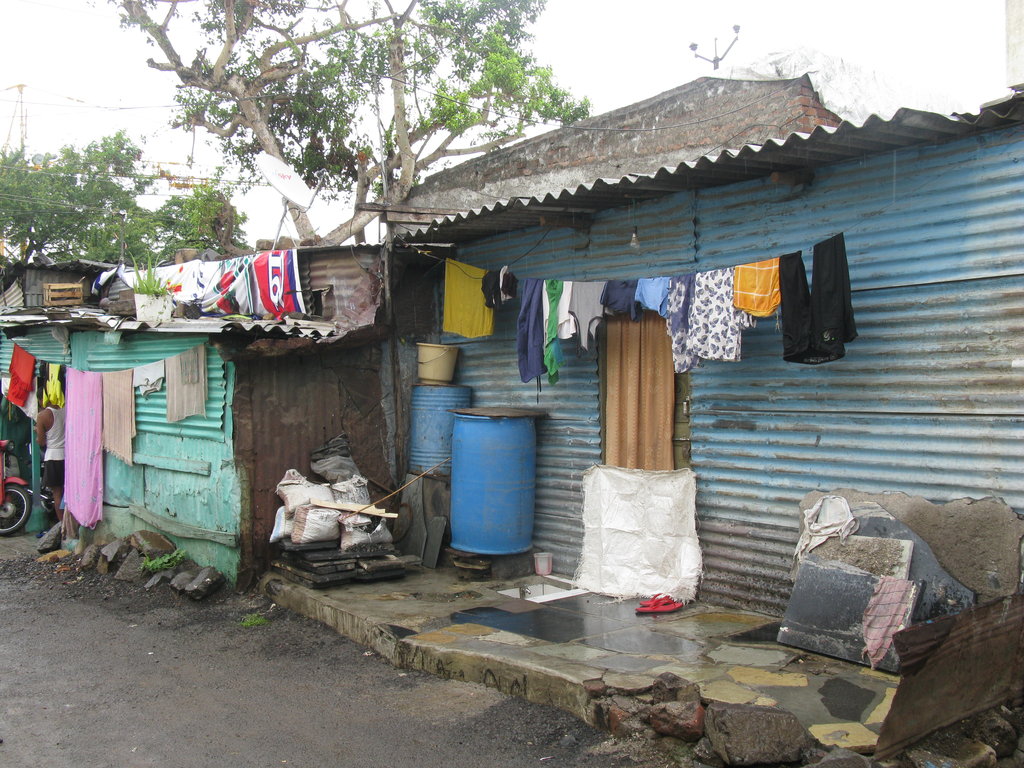
In the last quarter house listing, mapping, census and listing of target populations was undertaken in the project slums. Details of 4846 households with 20,301 population were recorded.
Similarly, basic details of unmarried adolescent girls below 19 years and young married women below 24 years were recorded in all the project slums. Of the 1469 unmarried adolescent girls that were identified in 4846 household, 796 were found to be in the age group 11-14 years, and 673 were 15-19 years of age.
A total of 420 girls (28.6%) in the age group 11-19 were found to be out of school. The proportion of non school going girls was significantly higher in the age group 15-19 (48%) as compared to the girls in the age group 11-14 years (12%). It is apparent that a large proportion of adolescent girls drop out of school after reaching the age of 15 years.
A total of 1235 young married women below 24 years of age were listed in the project slums of which 183 were married adolescent girls less than 19 years of age.
The information collected by IHMP provides a glimpse of how meticulously community based data is being used for planning and implementation of the project in the slums of Pune city.
In the current quarter we hope to initiate implementation of the project by enrolling at least 400 unmarried adolescent girls for life skills education. Non school going girls will be given priority. Simultaneously, we plan to provide health services to a minimum of 1000 young married women. Married adolescent girls will be prioritized.
If you feel our work is worthy of it then please become a regular donor.
Please visit our facebook page here -https://www.facebook.com/AdolescentGirlProject ; – like it, share it and help us reach out to others who are interested in issues concerning adolescent girls in India.
Thank you very much for your continued support of IHMP.
Dr. A. Dyalchand
Director,
Institute of Health Management, Pachod (IHMP)
32/2/2; Kharadi Road; Chandannagar;
Pune 411014;Maharashtra, India.
91 20 6410 0790 / 91 20 2026 4833
Project reports on GlobalGiving are posted directly to globalgiving.org by Project Leaders as they are completed, generally every 3-4 months. To protect the integrity of these documents, GlobalGiving does not alter them; therefore you may find some language or formatting issues.
If you donate to this project or have donated to this project, you can receive an email when this project posts a report. You can also subscribe for reports without donating.



Support this important cause by creating a personalized fundraising page.
Start a Fundraiser