By Dr Ashok Dyalchand | Director
A SHY NEWLY WED FINDS A CONFIDANTE IN IHMP’s COMMUNITY HEALTH WORKER!
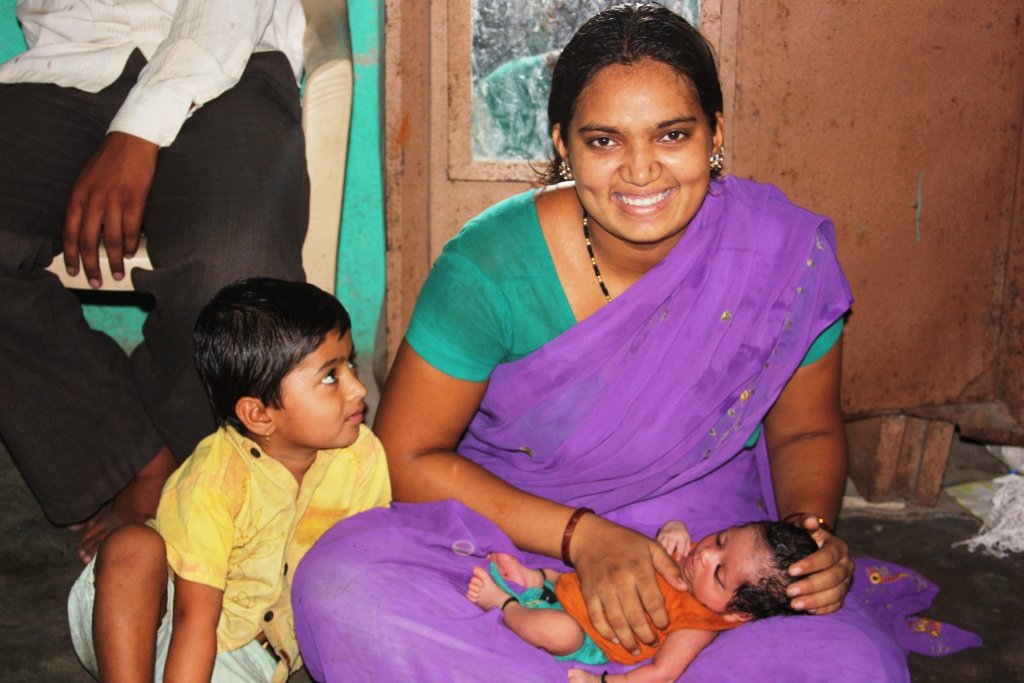
Sunita (name changed) lived in a small village and had stopped going to school when she started her menstrual periods at the age of 13 years.
She lived with her parents and three siblings and being the elder daughter took care of all domestic chores such as cooking, cleaning utensils and washing clothes of her family members. The parents were eager to get her married as soon as possible and had found an eligible young man from the neighbouring village who worked in the city of Pune.
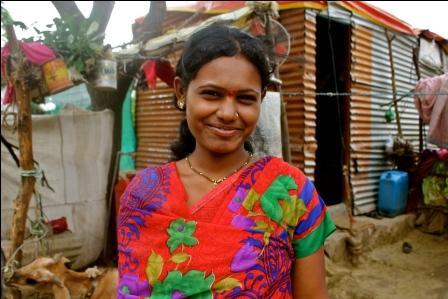
Within two years the parents married her off. She was 17 years old when this young bride came to live in the slums of Pune with her husband who worked as a daily wage labourer. Suddenly this young girl was faced with the hardships of living in a slum that was lacking the most basic amenities and of managing home in a temporary shelter. In addition she now had to care for her parents-in-law who were living with them.
Since she had not known her husband or the in-laws previously she was extremely shy to talk to them. She had no friends in the slum and her world was confined to one room where she lived with her husband and his parents.
Within a few days of marriage she began to have burning sensation while passing urine and having sex with her husband became extremely painful. She was terrified of this new development but suffered silently. She was embarrassed to tell this to her husband and to her mother-in-law. The fear of bringing shame on her parents due to disclosure of her symptoms stopped her from sharing this information with anybody.
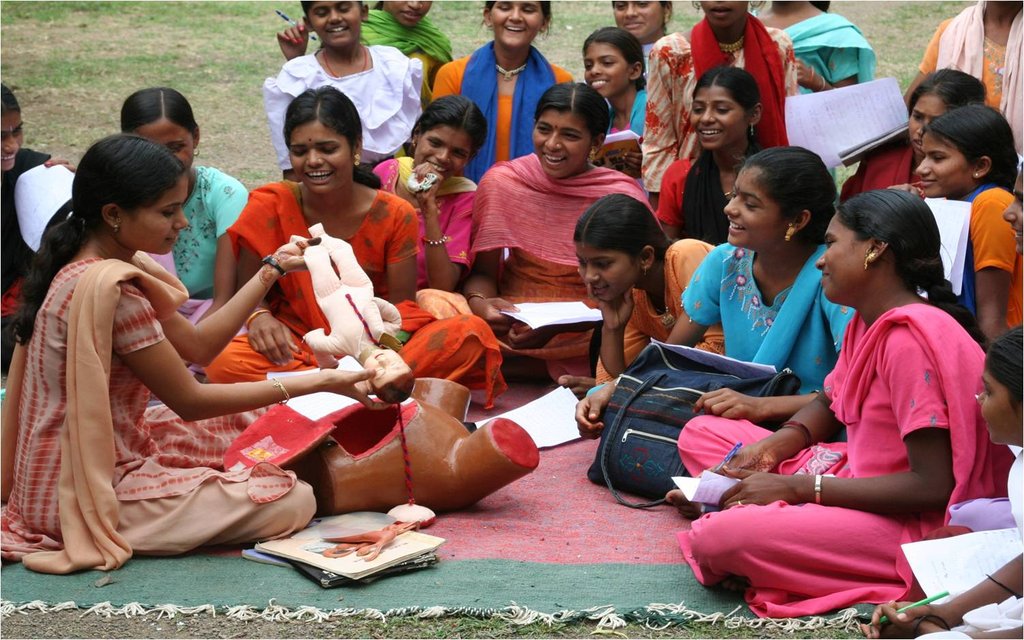
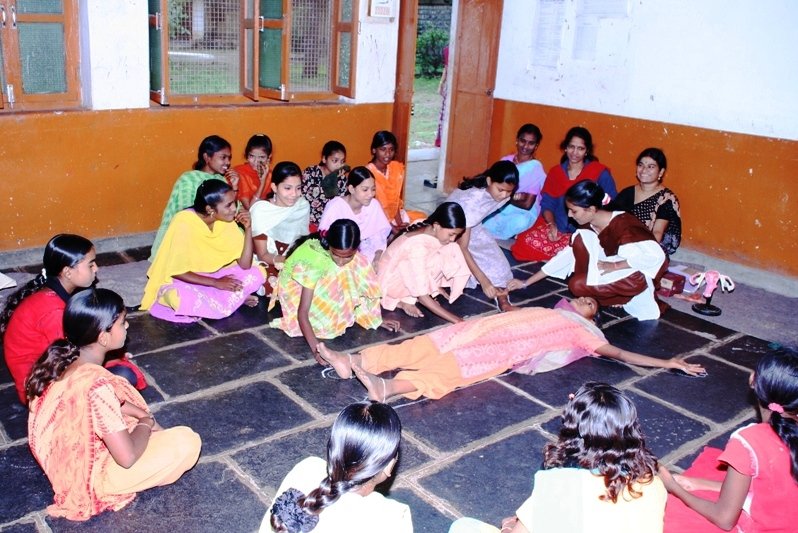
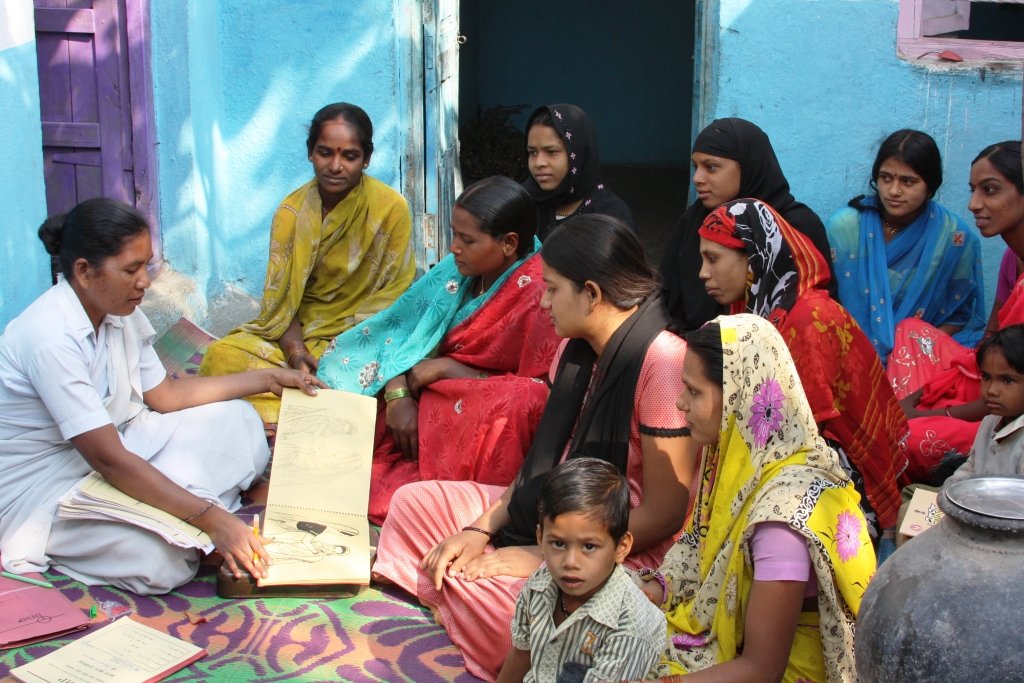
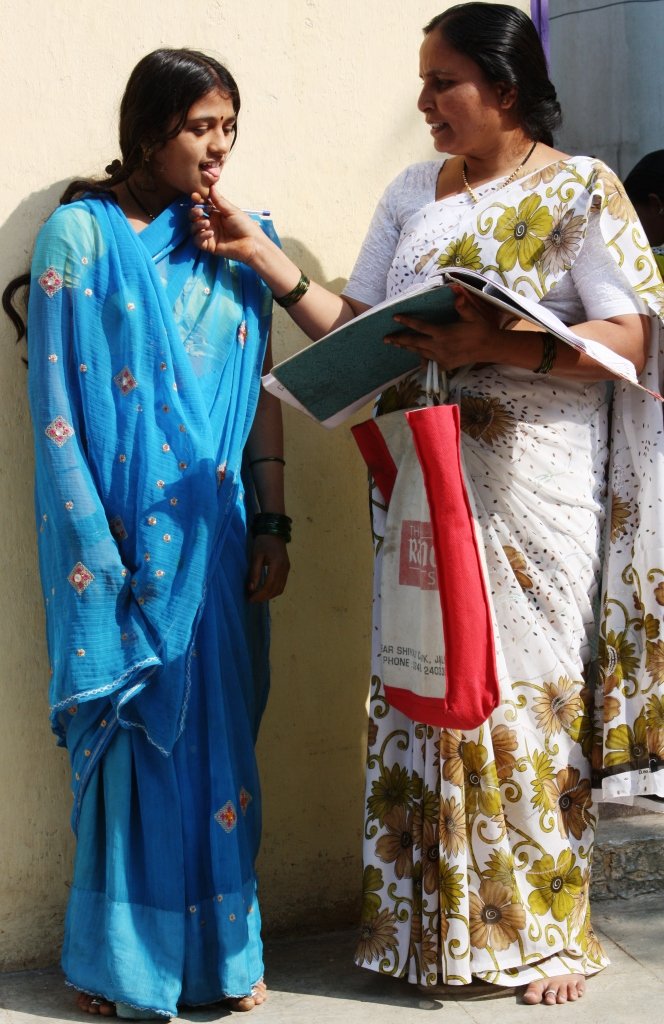
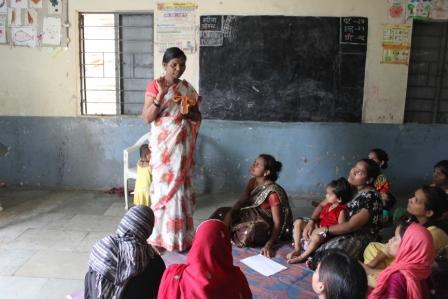
IHMP’s community health worker and ANM went to her house to provide information about reproductive and sexual health. As they explained about various infections that can occur in the reproductive track she was relieved that she could now talk to these sympathetic women who were knowledgeable about symptoms that she was experiencing. She confided her problem to the nurse who advised her to visit the hospital and see the Gynecologist. But that was not the complete solution…. She knew she was not allowed to go out of the house alone! Again the nurse and community health worker came to her rescue! “I will take you to the hospital” the community worker said. But the mother-in-law had to be told and Sunita was embarrassed to tell her. The nurse then sat the mother-in-law down and told her about the pain and burning that Sunita was experiencing.
Fortunately the mother-in-law listened attentively as these conditions were explained to her. She was concerned about Sunita’s health and immediately agreed to take Sunita to the hospital to consult the Gynecologist.
The next day Sunita and her mother-in-law went with the community health worker to the hospital. Sunita was examined and proper treatment was given to her.
After a week, a happily smiling Sunita and equally happy mother-in-law welcomed the community health worker and the nurse into their home. An open and friendly relationship was established.
Based on IHMP’s programme objectives the community health worker advised Sunita to use temporary contraceptives to delay first pregnancy and take a proper diet during pregnancy. The advice was received with enthusiasm by Sunita and her mother-in-law.
She was encouraged to speak boldly and discuss health and personal issues with her in-laws and husband. The interpersonal counseling helped her to become self confident and her self esteem improved within a short time. It is now two and half years since Sunita got married and is living in a slum. She plans to have her first pregnancy now as she feels she is ready to take on the responsibility of motherhood.
More than 70 percent women in the slums where IHMP works said that they got married before reaching 18 years and had come from a remote village. They did not have any friends, known neighbours or family members whom they could depend upon for advice and assistance. IHMP’s community health worker bridges this gap in providing an alternative to family and community support systems for these young and vulnerable newlyweds.
IHMP has been invited by the Government to expand its operations from an earlier target of 6000 adolescent girls to reach 154,000 unmarried and married adolescent girls. We hope to empower these girls, prevent child marriage, and protect them from the adverse consequences of early motherhood.
The IHMP mission statement reads, ‘Use of INNOVATIONS to EMPOWER lives and build a HEALTHY community.’
After 38 years of being involved with vulnerable communities, constantly innovating processes of training and interventions to address key issues, and scaling up these innovations to impact countless lives, we have decided to change our logo to reflect our mission and identity.
The new logo symbolizes KNOWLEDGE AND HEALTH WITHOUT BOUNDARIES.
Please visit our new website to see our logo and to access information on adolescent girls in India.
WEBSITE: www.ihmp.org
We look forward to working with you so that together we can change lives.
We request you to share our work with your friends so that we can enlarge the network of people who would like to touch the lives of adolescent girls.
Links:
Project reports on GlobalGiving are posted directly to globalgiving.org by Project Leaders as they are completed, generally every 3-4 months. To protect the integrity of these documents, GlobalGiving does not alter them; therefore you may find some language or formatting issues.
If you donate to this project or have donated to this project, you can receive an email when this project posts a report. You can also subscribe for reports without donating.



Support this important cause by creating a personalized fundraising page.
Start a Fundraiser