By Lynellyn Long | Project Leader
HERA (Her Equality Rights and Autonomy) mobilizes business, third sector, and academic expertise, creativity, and resources to prevent and redress the $150 billion/annum business of human trafficking and re-trafficking. HERA assists women survivors of trafficking, conflict, and all forms of violence and young women vulnerable to trafficking and exploitation to pursue their aspirations and ambitions for a better life.
In celebration of the International Women’s Day themeof “Press for Progress” on 8 March 2018, we outline for you, our contributors, how HERA plans to “press” ahead. We have also compiled some of HERA’s achievements, which have established our solid track record and made us the partner of choice for providing women survivors’ entrepreneurship training and mentoring. We focus on the bottom line, transparency, and a solid return on our investment in bringing together corporates, academics, and partner NGOs. As social entrepreneurs, we seek to be cutting edge and dynamic in our own organization and work. Therefore, we are always focused on leveraging our experience and model to address and counter trafficking more widely and to have a greater impact. Based on what has been accomplished to date, we hope that you will weigh in as well with your advice and contributions from March 1 to 15, to help us support these courageous women survivors and all who work to prevent and redress the economic drivers of trafficking.
#PressforProgress
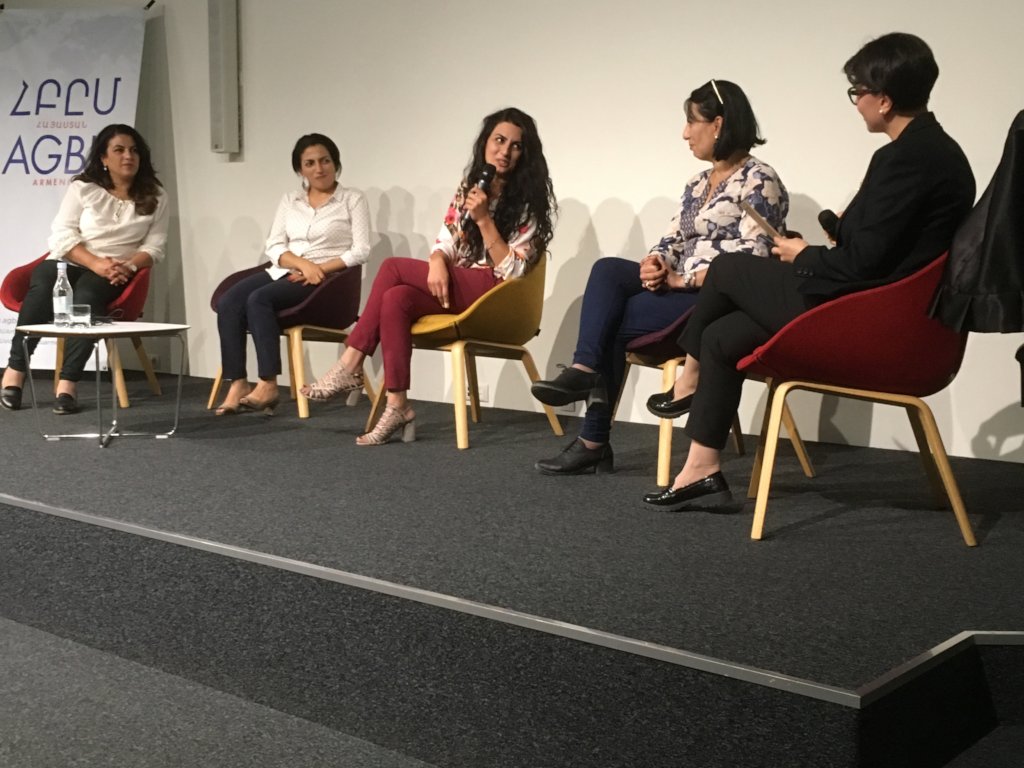
In HERA’s “press for progress”, we have several activities planned for the coming year and beyond. Our London program will organize more on site corporate training so that women have exposure to many different work sites and careers. On March 7th, HERA UK will hold its Fourth Annual Women’s Day Panel with a group of inspiring business and third sector women. Held at Salesforce at Heron Tower in the City, the panelists will address “Press for Progress”.
HERA organizers in the US are teaming up with Restore NYC, a counter trafficking NGO, that identifies and fully supports trafficking survivors. Together with the NYC business community, we plan to deliver entrepreneurship training and mentoring for 20 young women this coming summer.
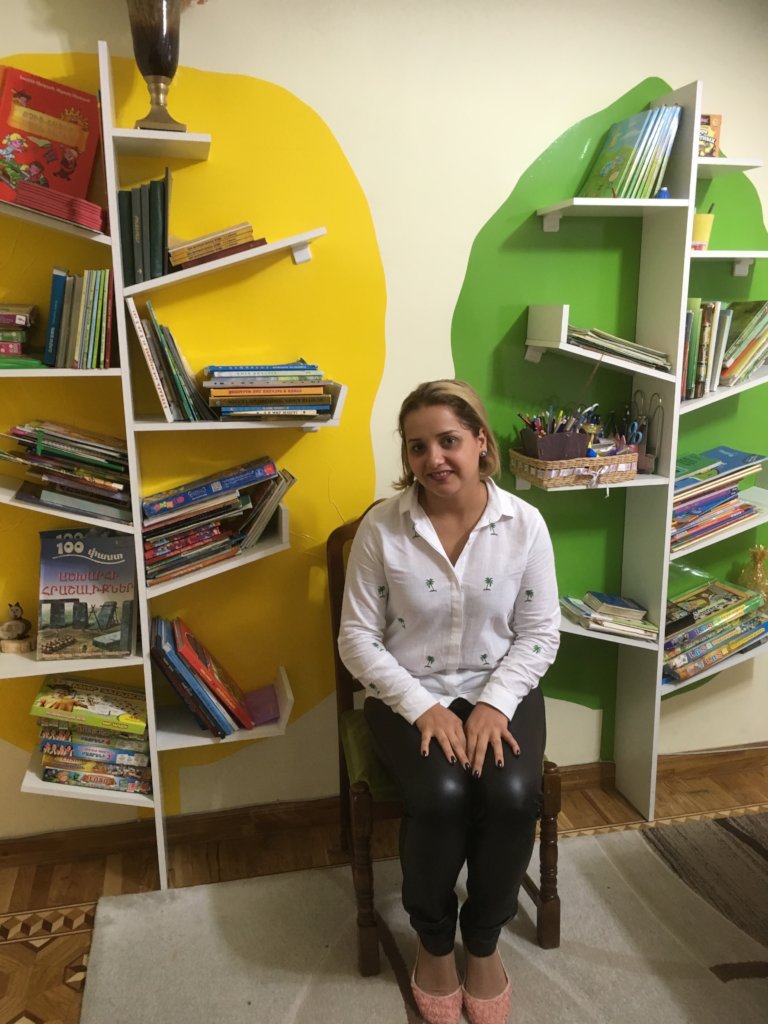
HERA volunteers from the French Association will investigate opening a new training and grants program in Albania. Along with new grants’ programs, we will continue to deliver intensive entrepreneurship seminars, training, and business networking events for young women at risk in France and in Central and Eastern Europe. In so doing, we will engage entrepreneurs we have already funded and/or trained to share and profile their experiences with others.
Most trafficking prevention interventions to date focus on the “demand” side of the equation. They counter violations in supply chains, internet abuse, and users of trafficked women and through law enforcement and policing. “Supply” side interventions have largely focused on knowledge and information campaigns, and hotlines to prevent trafficking and to identify those at risk. Although these interventions are all critical, they alone cannot address the profit motives underlying trafficking as a major business operating in local, national and transnational markets.
Each day, women are duped; some sold by family members and boyfriends. Young women fleeing conflict, famine, domestic violence, and/or extreme poverty are at greatest risk. Some feel obliged to help their children and other family members by finding employment abroad to send remittances home. Ambitious, young, and increasingly well-educated women are willing to risk dangerous migrations to find employment. These conditions, along with rising income disparities and migration barriers, are further fueling the economic incentives underlying trafficking. To make a difference, we need to find economic and lasting alternatives and to provide more choices and opportunities.
HERA is a leading model of social entrepreneurship for the prevention of trafficking and re-trafficking. By being entrepreneurial, young women, who may be at risk, can realize their rights. They in turn provide economic opportunities for others and contribute to their local markets and communities. HERA’s unique contribution is to press for all women’s economic autonomy by supporting young women’s entrepreneurship and by being entrepreneurial in what we do.
HERA’s Achievements to Date
Founded in 2005, HERA (formerly Women-to-Work) has provided 505 women in eight countries with entrepreneurship training to level the playing field and promote women’s equality, rights, and economic autonomy. HERA teams, with leading universities, business professors, foundations and local charities, have delivered entrepreneurship training and/or mentoring for women survivors or at risk of trafficking in: Belgrade (2005-6), London (2008-2018), Boston (2009), Tbilisi (2010), Paris (2014, 2016-17), Seattle (2015), Yerevan (2010, 2016, 2017), Cahul (2017), and Kiev (2017).
HERA UK Program
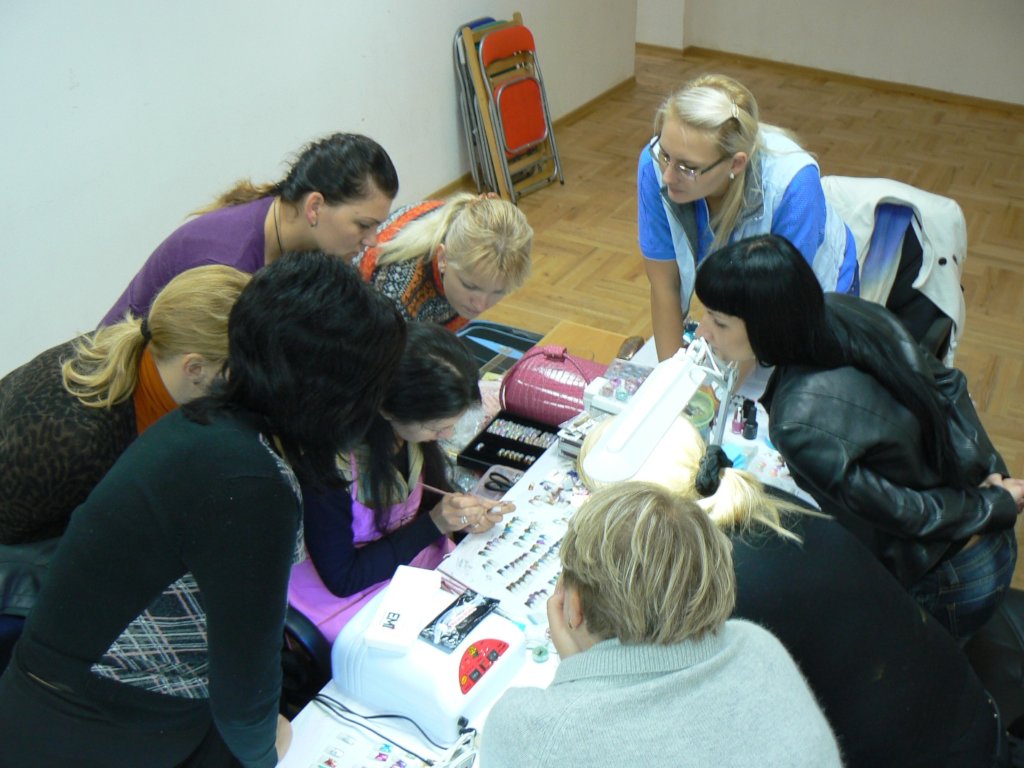
Since 2008 HERA has developed, tested, and refined its intensive entrepreneurship training for women survivors at Imperial College Business Schoolin London. Each summer, faculty from several leading business schools, trainers, students, and companies have volunteered time and expertise to produce innovative entrepreneurship training for a highly motivated group of primarily young women survivors. HERA has also trained an equal number of business volunteers to coach and mentor each woman who successfully defends a business or career plan by the end of the training before an expert panel and their fellow students. Throughout the year, HERA then organizes monthly evening and weekend seminars and events for the women, their mentors, MBA students, and others. Trainers have come from the private sector, UK and US Governments, international institutions (IFC, IOM, and EBRD), and the following universities: Imperial, IMD, Cranfield Business School, Cambridge Judge Business School, London Business School, and Sciences Po Paris.
With significant in-kind support from many individuals and organizations, HERA is remarkably cost effective. This year’s cutting edge, three-week UK entrepreneurship training, year-round career seminars, and mentoring cost $1445/participant. That amount included materials, transport costs, food, and childcare grants for 34 young women, originating from 18 countries, to attend the summer training and monthly seminars.
Following the training and mentoring, 85% of UK women survivors followed to date report positive outcomes including: finding work, piloting a venture or self-employment, being admitted into higher education and training, and/or advancing their careers through apprenticeships and internships. Over 75% of mentoring relationships complete the one-year cycle and 33% continue for a second year or more. Describing this year’s program, one woman writes:
With the help of HERA, I am progressing professionally as an intern, so I can strive for an even better opportunity. This experience really gave me confidence and was very unique. I haven’t come across another organization that offers that service to refugees. Your organization is to the point, and it is really great.
Although at times challenging, many mentors are enriched by the quality and professionalism of their mentoring relationships. One mentor this year reports:
She always surprises me with her energy and her ambitions. It’s been wonderful seeing her evolve throughout the year!
Many mentors say that they receive as much, if not more, from the relationship than they give to their mentees. Realizing some of the obstacles that the HERA graduates have overcome gives mentors a new perspective on their own lives and many mentors have further developed their own careers through this experience. Some mentoring relationships evolve into friendships while others continue as professional colleagues over several years.
Following the entrepreneurship training and mentoring, HERA women have reported finding employment in accounting, finance, nursing, medicine, law, international development, human rights, linguistics, social work, IT, retail, fashion, the arts, humanities, charities, and services. They also report launching their own ventures in the arts, storytelling, accounting, health care services, gardening, social services, and catering. Many go on to higher education and obtain further degrees and/or professional training.
From this past summer’s UK program, a graduate has already applied for a MA in Finance and Accounting. Another has been accepted for a BA in Finance and Accounting. One has completed formal training in beauty services and another in baking. The impact of HERA goes beyond the critical year after the entrepreneurship program. An earlier graduate, who works as an accountant and financial officer at one of UK’s largest banks, has volunteered to mentor in the coming year.
HERA France Association
In collaboration with Sciences Po Entrepreneurs, their graduate students, and Le Bus des Femmes, HERA France Association organized evening and weekend entrepreneurship seminars and mentoring for eight women originating fivecountries, including China, Senegal, and Kenya. One of the HERA participants has already launched her beauty services. With the help of her mentor, she is looking at how best to attract more customers and establish herself as a sole proprietor entrepreneur in France.
With new regulations that support and encourage entrepreneurship in France, HERA France Association's work becomes more meaningful and relevant for women survivors. At the same time, despite the more liberal regime, many refugee and irregular migrant women still continue to work in the informal economy. Through HERA's seminars and training, we try to ease their entry into the formal economy as becoming a serious registered entrepreneur also helps with obtaining the right to remain and eventual citizenship.
HERA International Program
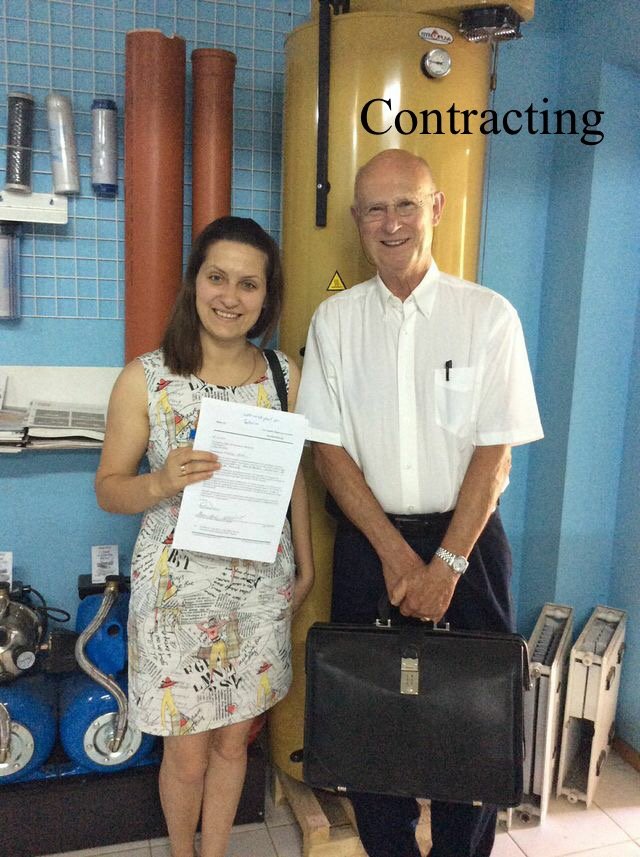
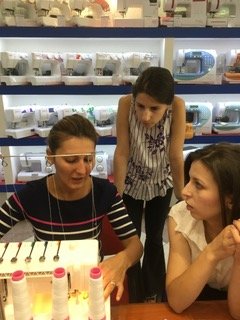
Starting in 2010, HERA awarded grants to women’s ventures in five Eastern European countries to prevent dangerous migration and trafficking. To date, HERA has awarded over 208 grants, at an average cost of $782 per grant, in: Armenia, Georgia, Moldova, Romania, and Ukraine. These grants allow women owners to purchase essential capital equipment to sustain and grow their businesses. Some owners are trafficking survivors themselves or at high risk of trafficking. All grantees agree to work to prevent trafficking wherever possible by training and employing young women (25 and under) at risk of trafficking and re-trafficking.
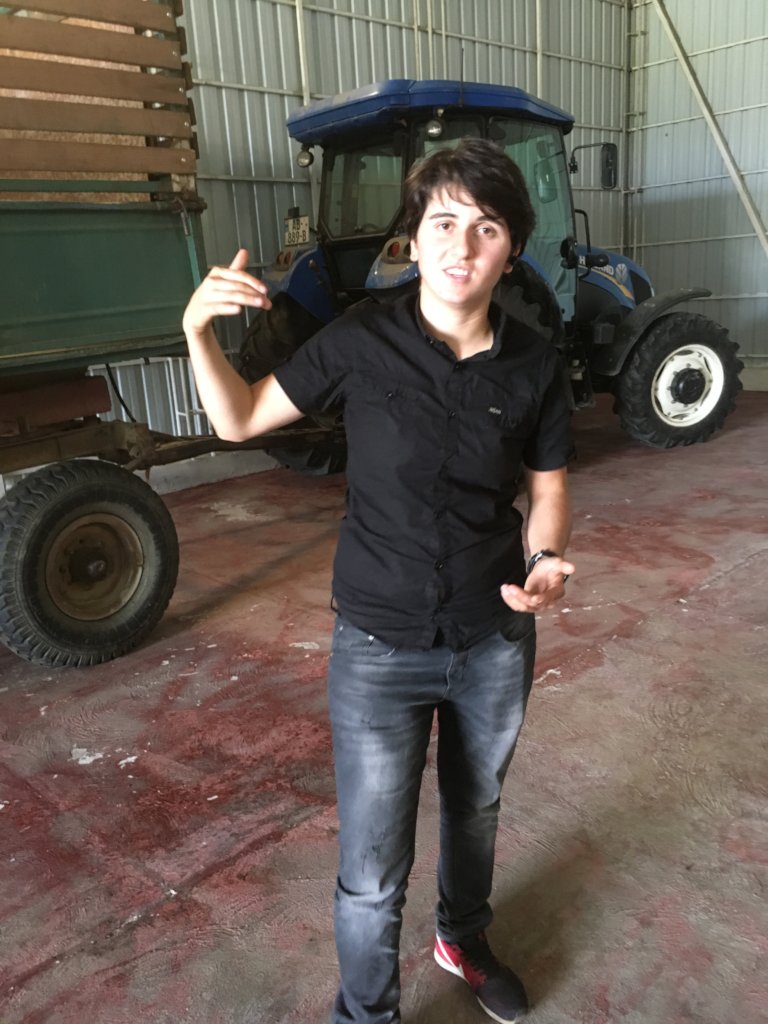
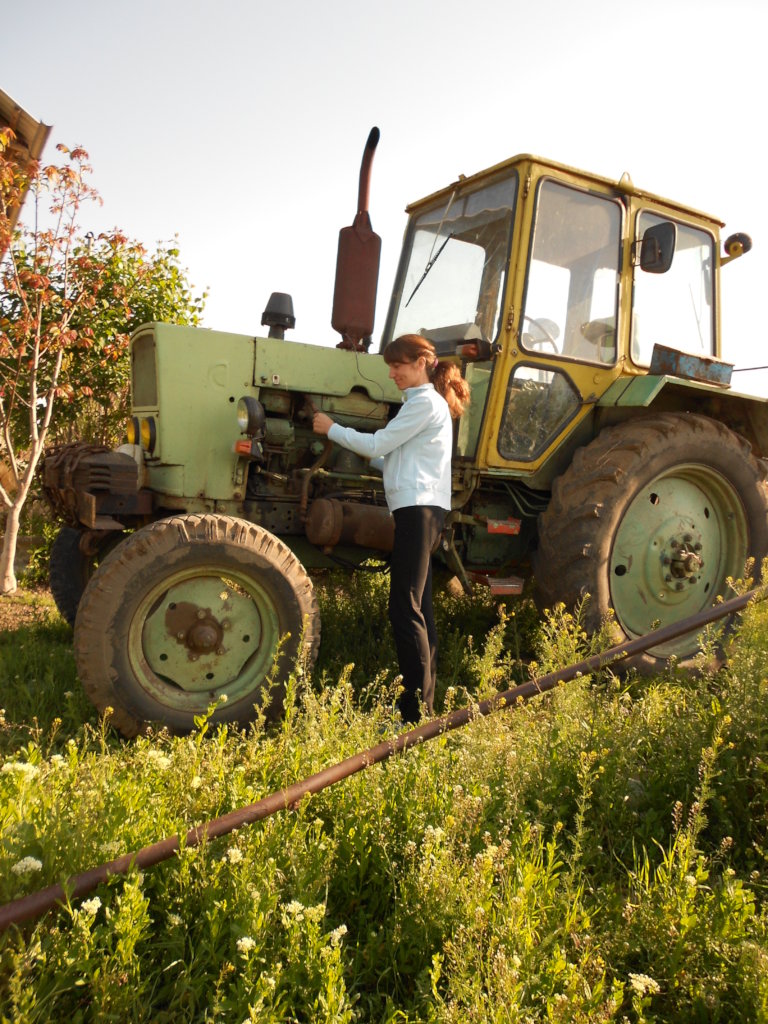
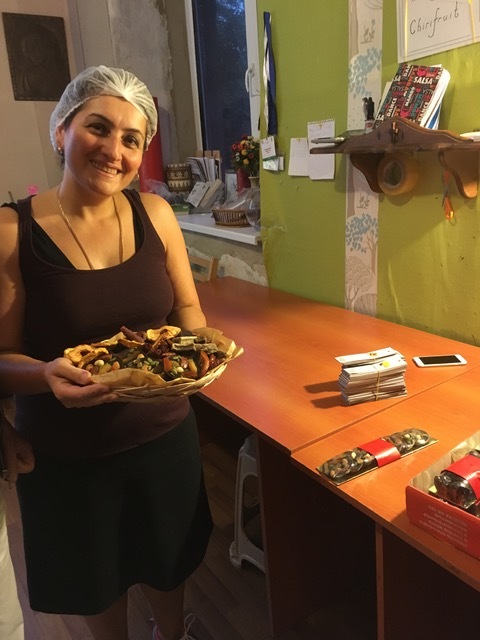
These grants have generated at least 376 new jobs, in addition to the entrepreneur’s own employment, and sustained many women-owned microenterprises. The majority of enterprises are in agriculture, food processing, manufacturing, services, and education (primarily preschools and English language programs). These women-led ventures primarily provide essential goods and services for their local communities. Thus, they continue to have a demand when there are economic downturns. Increasingly, women owners are selling their products on line to reach bigger markets and international customers. By bringing vacuum packaging for cheese production in Georgia and Moldova, HERA helped to extend the farmer-to-market distance and change that industry nation-wide. HERA-supported Moldovan cheese can now be bought in Rome. A few ventures have grown from micro to small enterprises and provided employment for several dozen new employees. The primary limitations on growth of the microenterprises remain the hidden costs and risks of expansion. Of 81% of the ventures evaluated through 2015, 93% were sustaining or growing their ventures. Preliminary results from the 2017 assessments suggest a similar success rate.
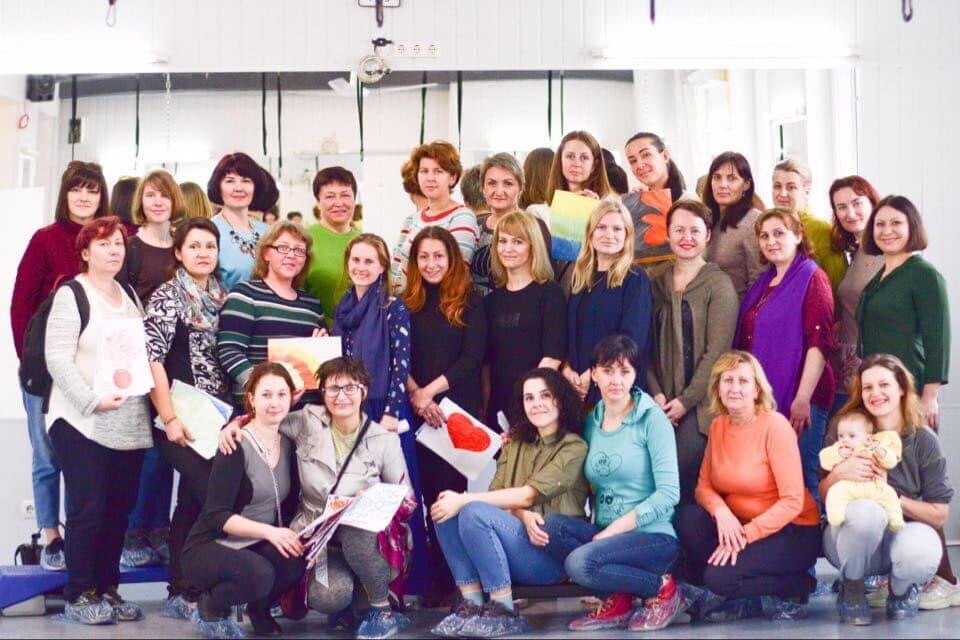
This year HERA’s international grants’ teams of volunteers, in collaboration with local organizations, offered intensive entrepreneurship training for young women in Armenia, Moldova, and Ukraine. Successful women grantees shared their experiences with the trainees. A HERA team also held its third networking event in Tbilisi for grantees selected in collaboration with USAID’s REAP program in Georgia. At HERA’s first program in Kiev this November, 27 young women, who had been displaced by the conflict, gathered at only a day’s notice to attend an intensive one-day training in a basement room. In Cahul, Moldova 57 young adults participated in an entrepreneurship training this past summer. There is a strong, unmet demand in all countries for further training and networking opportunities. Since starting the program, several grantees have started their own business clubs and nonprofit organizations. Two women owners reported that they have adopted the HERA model and provided grants to other women’s ventures. Many have mentored others and there are “HERA” branded products including cheese, woolens, candles, and scarves.
Campaign Ahead
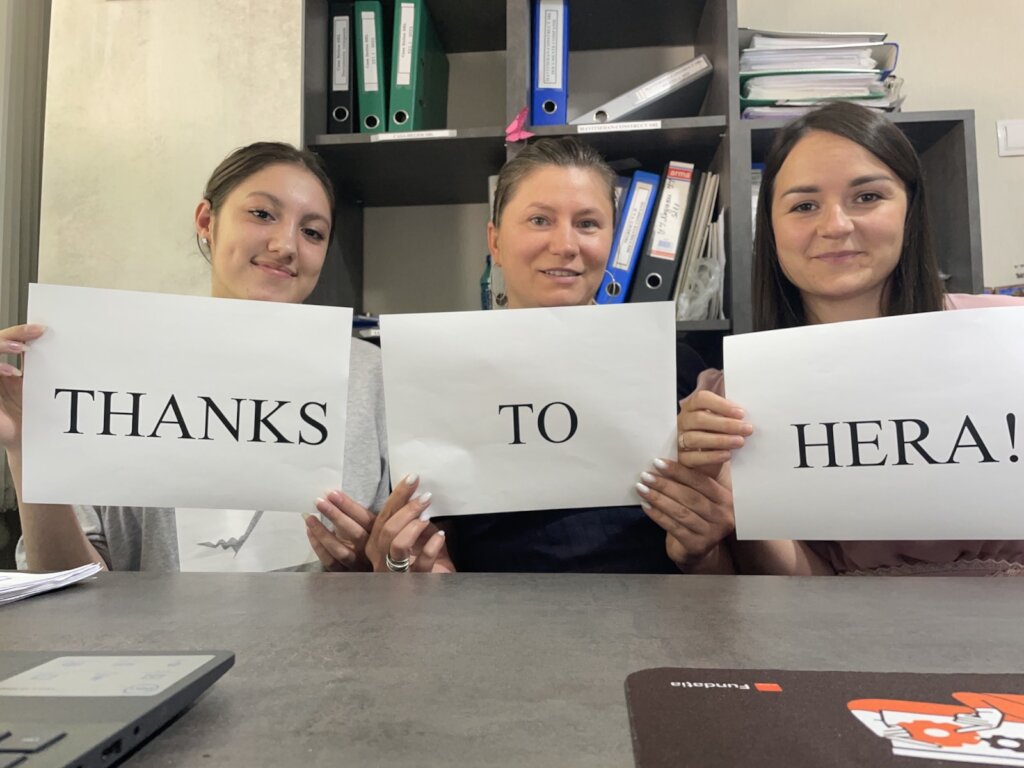
HERA’s overhead is extremely low (below 1%)and therefore, our direct support to women high. For our international grants program, at least two thirds of the funding, and often more, goes directly to grants to purchase equipment that the venture owners identify and select. The remaining third covers operating costs to conduct training and onsite assessments, often in remote rural communities. We keep our cost-benefit ratio low by engaging volunteer assessors and trainers with significant expertise and in-kind support from individual contributors, businesses, universities, international institutions, foundations, and partner NGOs and charities. In 2017, HERA’s total operating costs were $99,922. We thank our many supporters and volunteers for the part you have played in helping women survivors and those at risk realize their equality, rights and autonomy. Please support our March 1 to 15 “Women and Girl’s Campaign” and tell others about your work and support. Every contribution to HERA no matter the amount makes a difference for women survivors and those at risk of trafficking and all forms of violence and exploitation.
Project reports on GlobalGiving are posted directly to globalgiving.org by Project Leaders as they are completed, generally every 3-4 months. To protect the integrity of these documents, GlobalGiving does not alter them; therefore you may find some language or formatting issues.
If you donate to this project or have donated to this project, you can receive an email when this project posts a report. You can also subscribe for reports without donating.



Support this important cause by creating a personalized fundraising page.
Start a Fundraiser