By Lynellyn Long | Project Leader
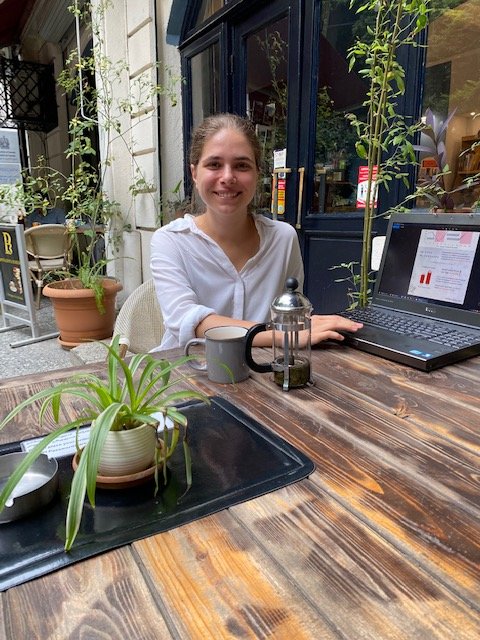
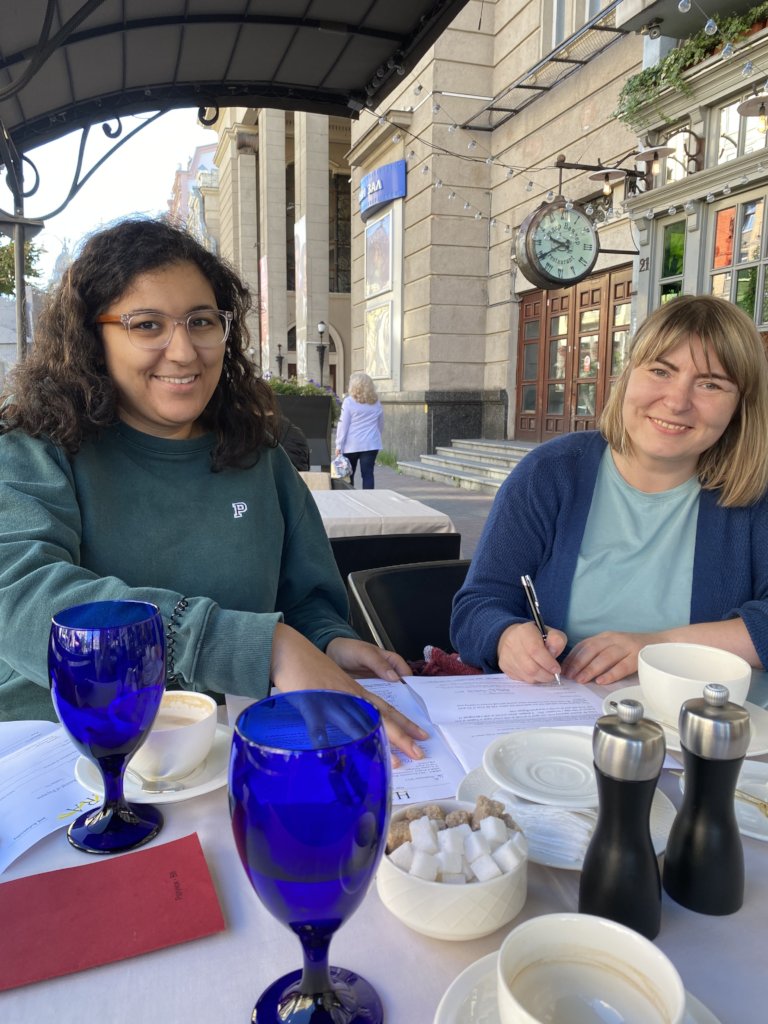
In August and September, six HERA France and US Board Members and one guest travelled to Armenia, Georgia, Moldova and/or Ukraine to visit 120 ventures that included evaluations of 41 grantees from previous years. The team members came from Canada, France, Germany, the UK, and the US. We awarded 50 grants out of a total of 170 applications received this year, including some second grants to women entrepreneurs from 2019 and 20. The number of assessments and evaluations was higher than ever as we could not visit the ventures directly last year. Our teams also met up with three NGO partners and a new partner in Georgia. All HERA team members and the local coordinators, who travelled with us, were fully vaccinated. We wore masks and to the extent possible, held interviews outside. Although vaccination rates, ranging from an estimated 2% in Armenia to 20% in Ukraine, are quite low in all four countries, all Board members and coordinators returned home safely.
The local economies, communities, and businesses in all four countries have been severely affected by COVID, lockdowns, trade restrictions, and supply chain shortages. The impact of climate change is also evidenced in unprecedented heat waves and earlier droughts, lack of snowfall, and flash flooding. There is increased conflict in the region. Armenia is the hardest hit with its recent war and on-going conflicts with Azerbaijan over Nagorno Karabakh (Artsakh). Labor strife and protests were reported in Georgia. Periodic fighting continues in the Donetsk region of Eastern Ukraine. The Russian Government is playing an increased role in the region by providing vaccines, keeping trade open during the lockdowns, engaging politically (Georgia), supporting peacekeeping forces (Armenia), and continuing military battles (Ukraine).
Despite the clear hardships and economic downturns in all four countries, we met former HERA grantees who were keeping businesses going and even growing their operations. From the evaluations, we learned that most continued to employ other young women and had survived by going online, expanding markets, and/or providing needed services and supplies. As in past years, we funded a good number of manufacturing, agriculture, and food production ventures. However, the kinds of women-led ventures are increasingly diverse. This year's grantees included digital marketing, accounting, IT, data analytics, business training, and video production firms. What follows is a brief synopsis of the outcome of our travels with some in-depth profiles of the HERA entrepreneurs in the four countries.
Armenia was still suffering the effects of its 44-day war with Azerbaijan that began in September 2020. The war led to the deaths of over 5,000 Armenians and created over 100,000 refugees, many who left for Russia. As several Armenians observed, “All know someone and/or had close family and friends killed in action. Every single family was affected.” Russian peacekeepers had established new military encampments along the borders. Despite ground patrols and helicopters overhead, border skirmishes continue; and everyone is worried about the potential for further all-out war.
To assess and/or evaluate 50 entrepreneurs, the team divided in two. Of the 40 applicants considered for a grant, we awarded 19 grants (45%) to the following firms: seven manufacturing enterprises, three pre- and after- school programs, three agriculture/food processing ventures, two accountancies, and one each to a digital marketing firm, cosmetic venture, guesthouse, and videographer. We also visited Tereza Gharabaghtsyan, a 2016 Armenian grantee.1 Tereza’s sewing venture in Yerevan had grown from one employee to over ten young women working in an atelier in a central city mall. Tereza produces and sells clothing to several major brands and with a new designer on board, she is continuing to develop her own brand. From Tereza’s team, we ordered a new shipment of HERA monogrammed scarves, which arrived in London by early October.
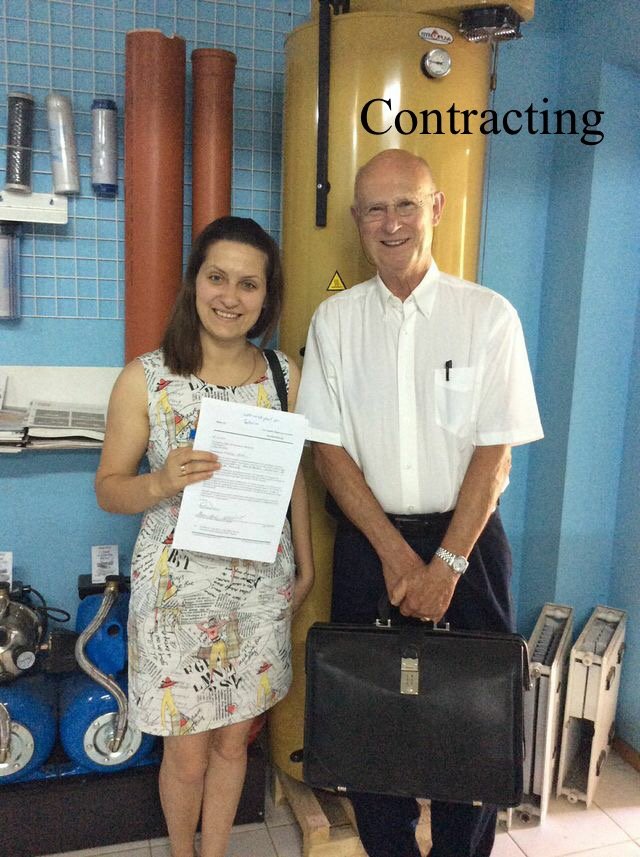
The Georgia team, visited a total of 27 ventures, including a new local partner, seven former grantees for evaluation, and 19 grantee applicants. Of the 19 applicant assessments, the team awarded nine (47%). Of the seven old and some second grantees evaluated, all but one entrepreneur was still fully operating and five had significantly grown their businesses. The nine grants this year provided needed equipment to firms producing: children’s furniture and accessories (two), handmade shoes (two), cloth story books for infants and children, medical uniforms, IT training services, cafe/bakery, and data analytics/infographics.
The Georgian data analytics/infographics entrepreneur, Alexandra Shalibashvili and her two friends, gained their expertise during the first lockdown and subsequently started their consultancy services. Their first clients included AmCham/Georgia, the Georgian Government, and an international NGO. Alexandra explained how her team had analyzed Israel’s "Vaccination Success Story” to inform and spur on Georgia’s vaccine rollout that had progressed slowly. Their “Takeaway Message” was: “To achieve herd immunity, you need to approve vaccinating children.” In another data analytics project, entitled “It’s Okay Not to Be Okay,” they had researched and addressed coping with anxiety and stress during the pandemic. Their infographic advised people to “Pause, Breath and Reflect.” Alexandra received a new, upgraded computer, for their upcoming assignments, which has allowed her to train and hire a new young woman employee.
The Moldova team made 25 visits and awarded nine (69%) out of 13 assessments. Both Moldovan team members, who had visited other countries, observed that HERA’s work often seems the most urgent in Moldova. The nine grantees included a candlemaker, beekeeper, marketing expert, hairdresser, baker, greenhouse farmer, and producers of plastic handbags and greeting cards.
Nadejda Cudobetchi, a Moldovan entrepreneur, founded Apricot Marketing to serve the Cahul region. She has two full-time female employees -- a photographer and a videographer -- and three part-time staff. Nadejda’s clients are the Cahul Mayor’s Office (her former employer) and local firms that cannot afford their own marketing teams. She had 30 active clients and 150 separate clients over the past year. During COVID she was able to expand her business as many ventures shifted to online sales. We helped her fund a specialised computer and software, which allowed her to increase sales and hire one of her part-time employees, full time.
The Ukraine team made 23 visits and awarded grants to 13 (68%) out of 19 applicants for this year. We evaluated nine former grantees and awarded several second grants to those who had grown their operations. One young woman, who received a second grant, had started her business during COVID, hired new employees, and was selling sweaters and dresses in the Middle East, the US, and Europe. Our main local partner, Creative Women, had pivoted from their “Creative Space” to “Creative Publishing” and had produced two best-selling anthologies by Ukrainian women. All were continuing their ventures although an earlier grantee with high rental costs and in-person sales, had to shut two of her three stores. Many women had started to make products to sell online (Etsy and Amazon) to gain access to a bigger marketplace.
The lockdown and ongoing conflict were particularly challenging for the Donetsk applicants, who reported increased wife abuse from the conflict. Their main safe house was closed but a local organization (which one of the HERA grantees supports) works with trafficked women. Two of this year’s HERA grantees live in Donetsk, while several had migrated from that region to other parts of Ukraine. Ukrainians continue to go abroad to work, especially to Poland given its proximity. With borders shut during COVID, irregular migration most likely increased.
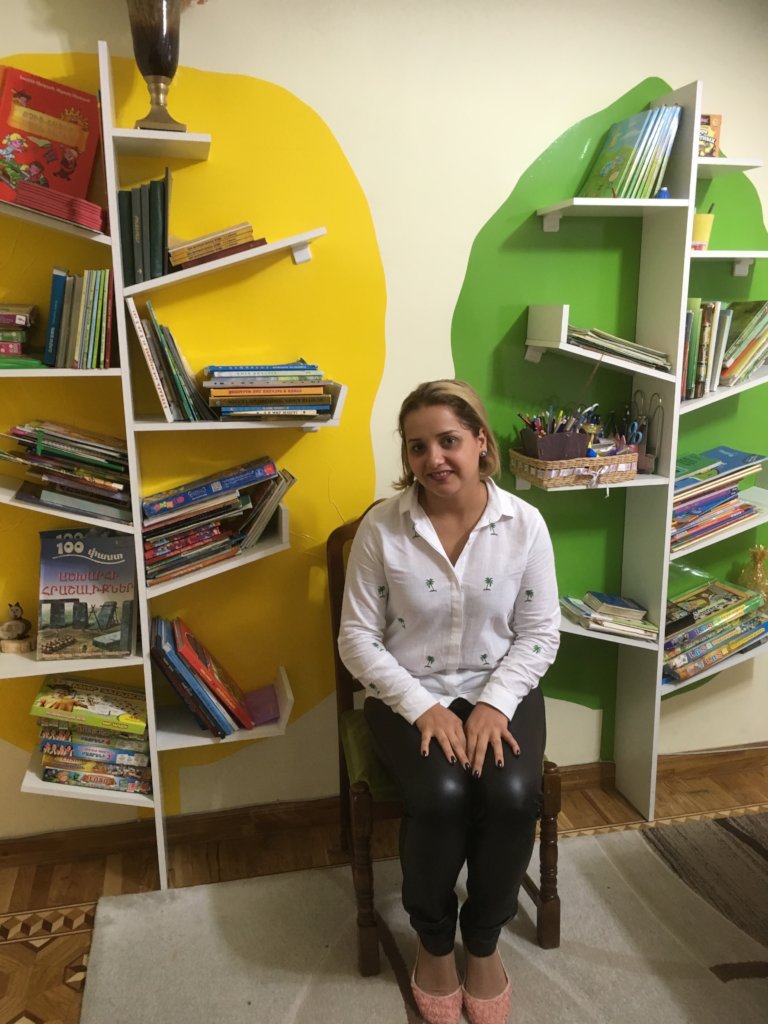
Maryana Syniushko, a Ukrainian entrepreneur, provides private education courses and services for over 70 students and their families in Kiev. She employs 11 women under the age of 32. Her team offers English, German, and Mathematics classes, a homeschoolers’ program, and pre-K courses for young children. The biggest challenge she currently faces is finding a new space to host the in-person courses. There are many bureaucratic hoops to signing a contract and their current space is far from a Metro. Motivated by the pandemic and in response to parents’ requests, they now offer both in-person and online courses and added additional services, including the Mathematics and Pre-Kindergarten programs. We gave Maryana a grant to purchase mathematics equipment. Maryana went out of her way to help us meet with other grantees and was so impressed by them that she offered to serve as our Ukraine coordinator in the future.
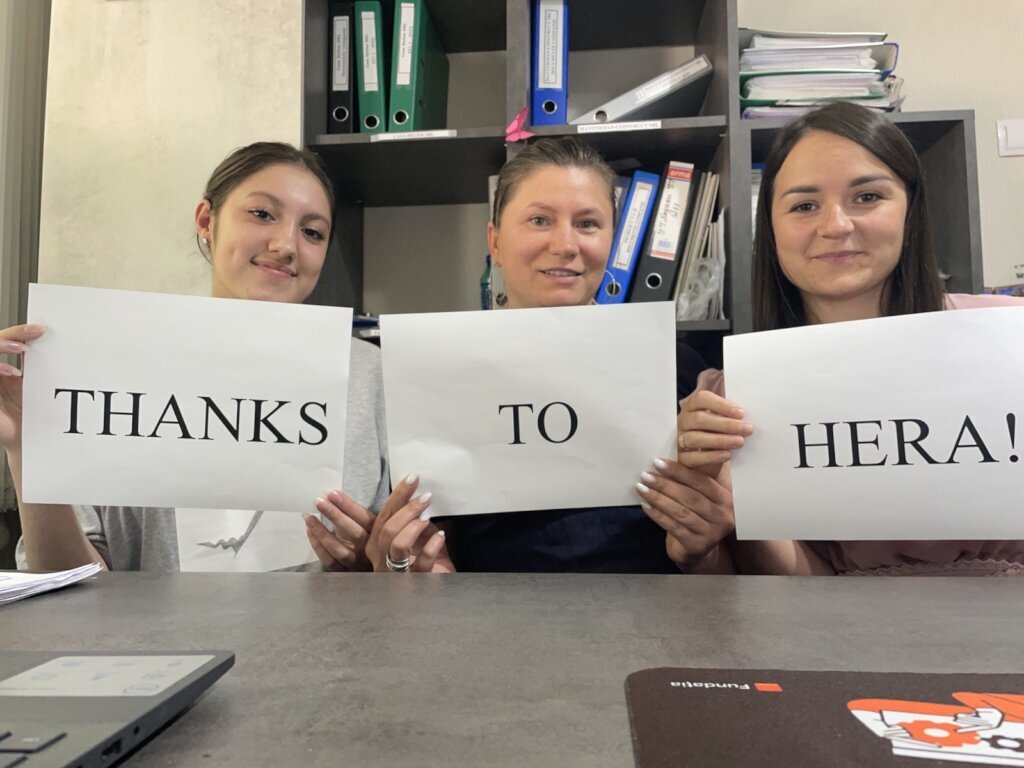
Although travelling internationally, given PCR and other requirements, was challenging at times, our local coordinators, NGO partners, and grantees made the effort all worthwhile. Meeting the women directly to hear about their lives and ventures and working with very committed local partners was inspiring. Despite some of the impressive challenges they face, everyone went out of her way to meet with, welcome, and share her stories and experiences with us.
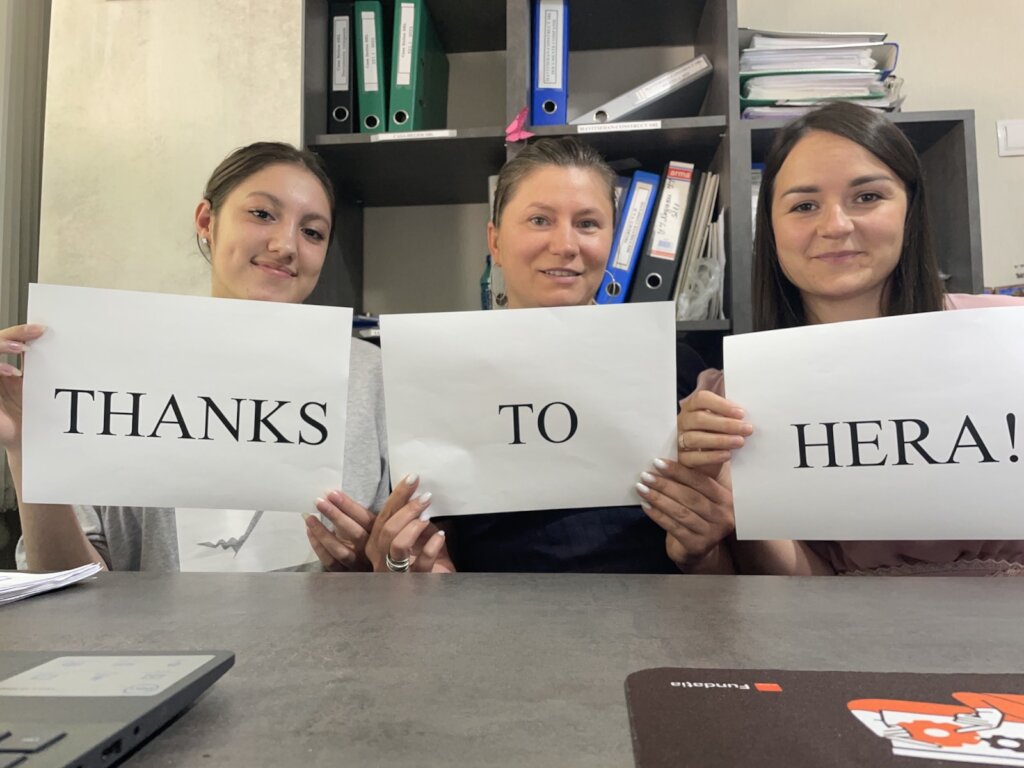
During our "GivingTuesday" and “End-of-Year” fundraising campaigns, please consider giving to HERA to support these and other HERA women entrepreneurs ahead. Thank you!
1. All the women whose names and photos are used in this report have given their signed permission and indicated that they would like their ventures and work known.
Project reports on GlobalGiving are posted directly to globalgiving.org by Project Leaders as they are completed, generally every 3-4 months. To protect the integrity of these documents, GlobalGiving does not alter them; therefore you may find some language or formatting issues.
If you donate to this project or have donated to this project, you can receive an email when this project posts a report. You can also subscribe for reports without donating.



Support this important cause by creating a personalized fundraising page.
Start a Fundraiser