By Lynellyn D. Long, Ph.D. | Chair of HERA Trustees
The Second Quarter of 2016 has been busy and productive! The HERA teams ran an international grants competition in five countries, trained over 25 new mentors; and are currently providing entrepreneurship training for 40 women survivors of trafficking, conflict, and other forms of violence and exploitation at Imperial Business School.
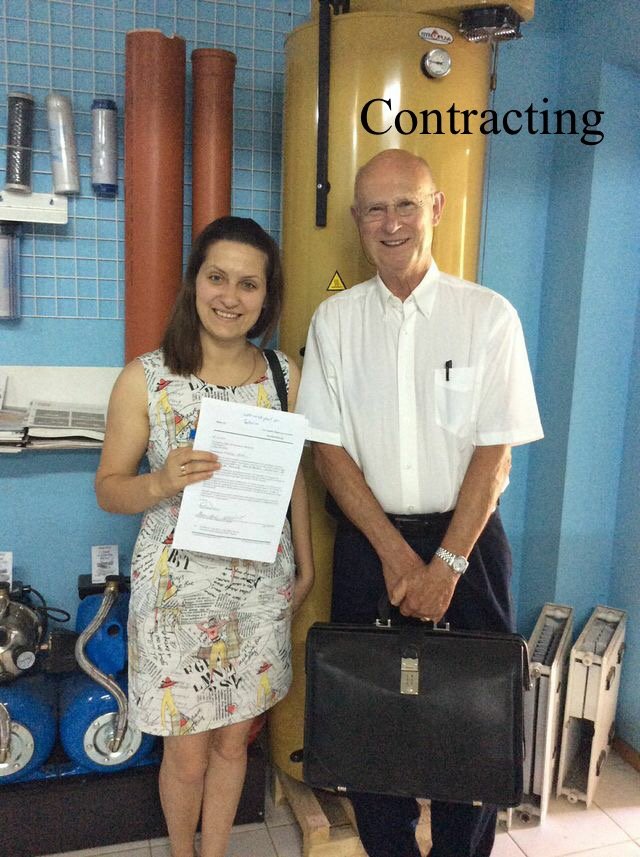
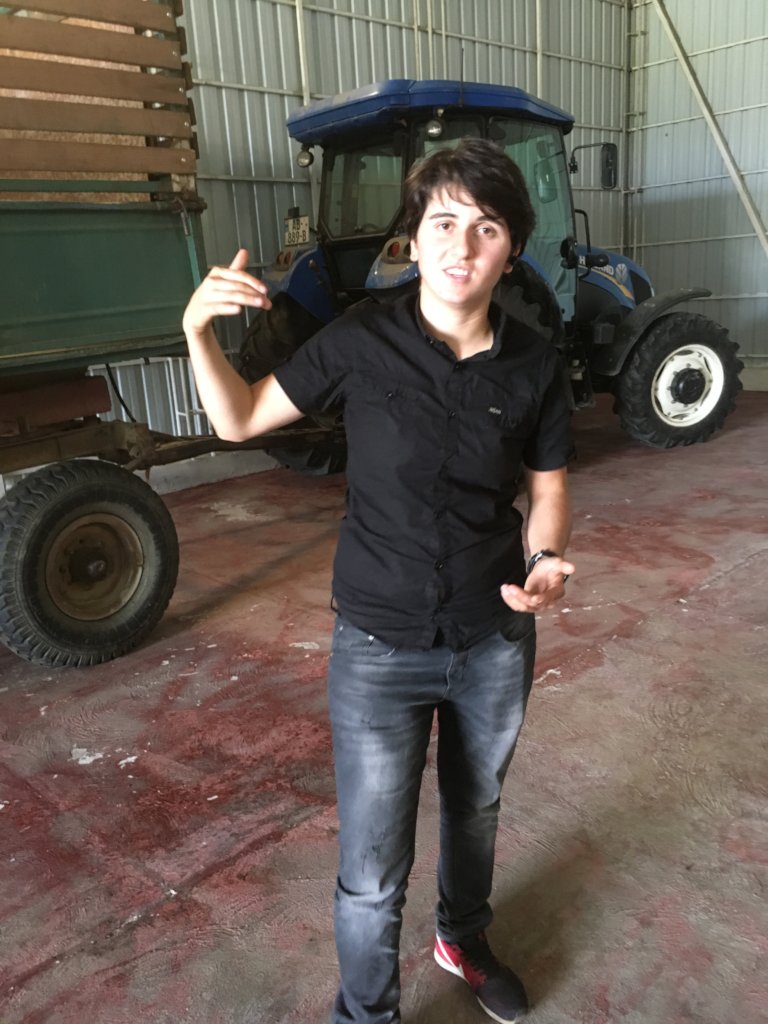
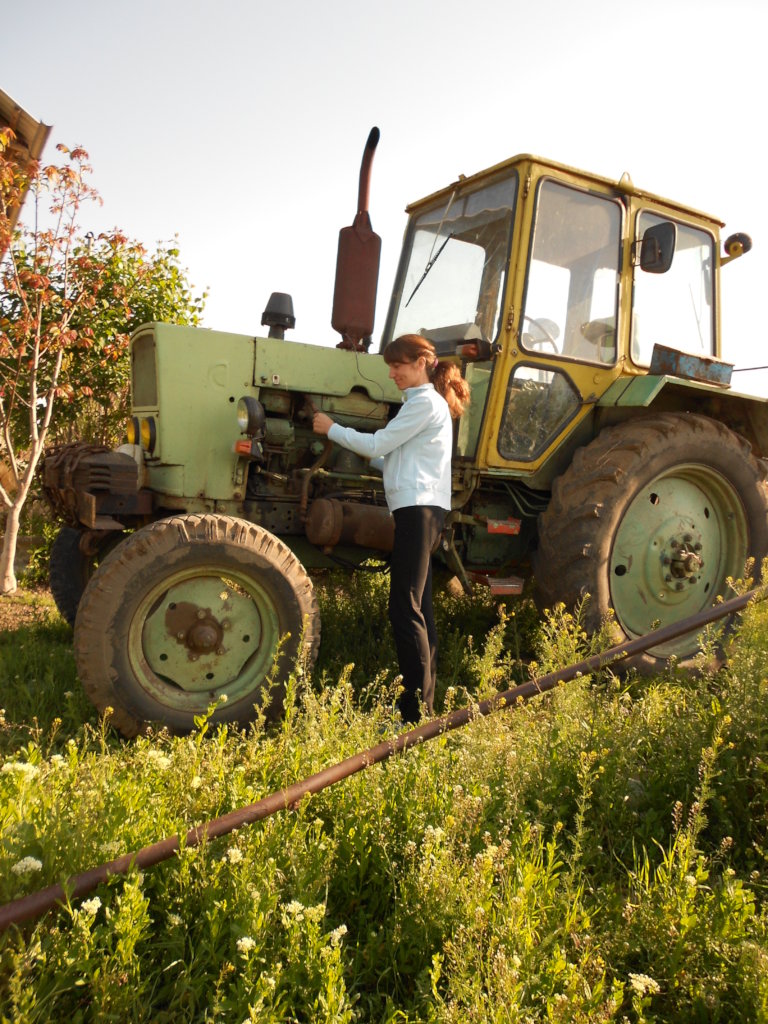
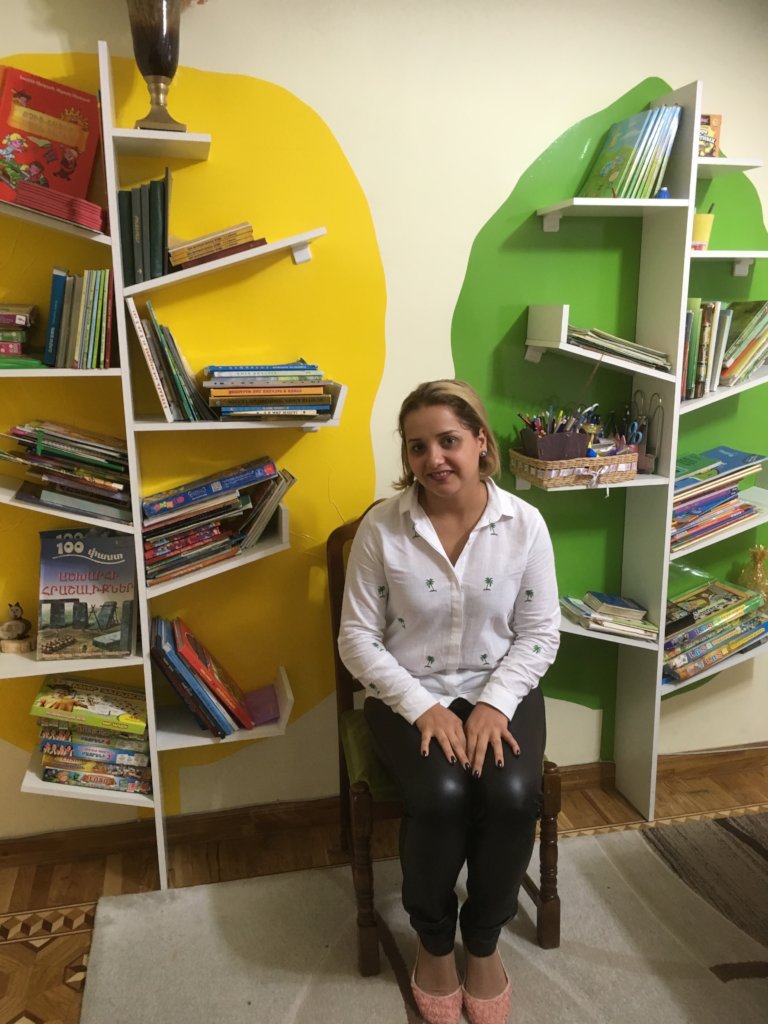
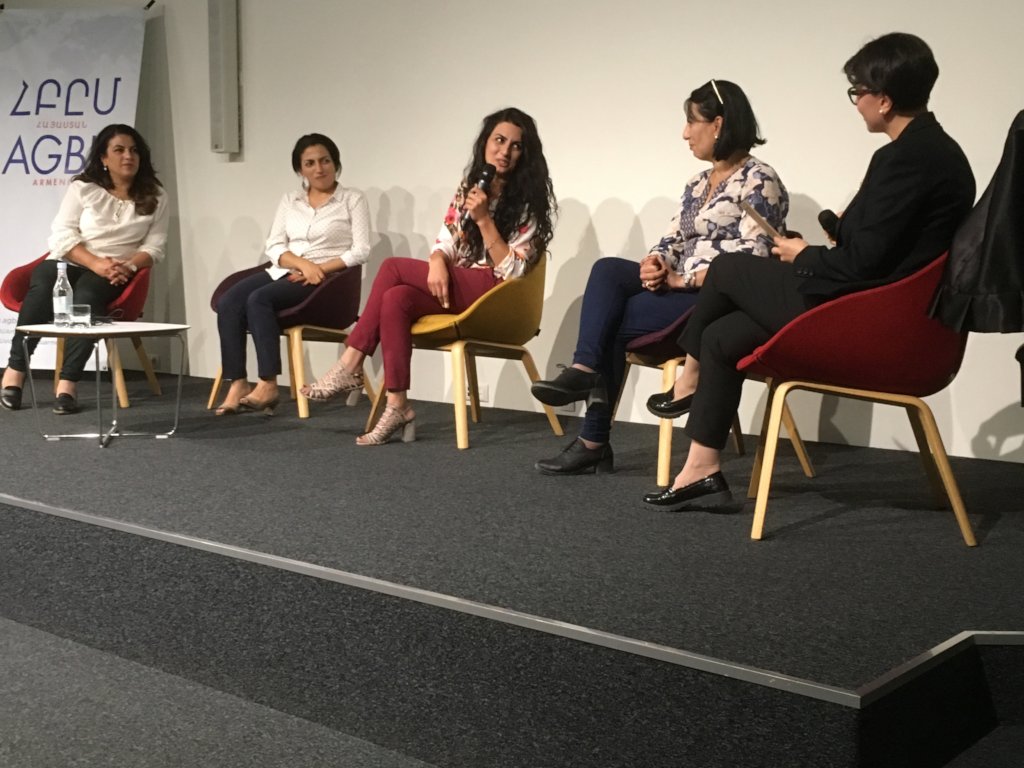
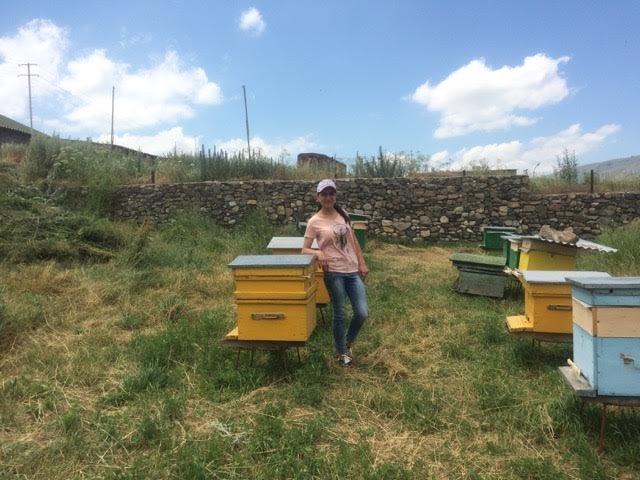
In May HERA launched its 7th International Grants Competition (fourth on line) for Armenia, Georgia, Moldova, Romania and Ukraine. These grants provide equipment for women’s ventures to generate new jobs and prevent dangerous migration, trafficking, and re-trafficking. Eight advisors across six countries volunteered time to score and read 97 grants. Over the next three months five teams of volunteers will assess the top ranked ventures in operation. This year’s grantees include preschools, agriculture, dairy, children’s toys and clothes, and beekeeping (see photo below). The women owners who receive an award will in turn train and employ more young women at risk. As Maria Kodua, one of last year’s successful ventures (nut production) who employs and trains refugee women in Georgia, wrote us:
Thank you for your email. Your grant really helped me to improve my product quality. I did not apply for a new grant because I want to give the chance to other Georgian small businesses from the Reap Gender Platform members. I want others to have these grants, I hope they send you good applications.
The quality of the applications from all five countries was high this year. In large part, this quality reflects the impressive support from local organisations, such as REAP, who recruited the ventures and are committed to helping these women owners grow their businesses.
In June HERA volunteers trained 25 new business mentors to partner with our new class of entrepreneurs. By July we had recruited 38 mentors to meet the needs of our largest class of women entrepreneurs ever. The three training sessions included coaching and mentoring techniques and partner organisation presentations (NIA and St Mary’s University) on trafficking, exiting prostitution, and the recovery process.
Currently HERA staff and volunteers are running our ninth UK annual three-week entrepreneurship program for 40 survivors of trafficking, conflict and exploitation at Imperial Business School. In addition, HERA volunteers in collaboration with Luys Foundation have organised a three day entrepreneurship training for 15 -20 young women at risk of trafficking in Yerevan, Armenia. HERA is also collaborating with Le Bus des Femmes and Sciences Politique in Paris to organise a five-day pilot training for 12 young women in precarious situations in late September.
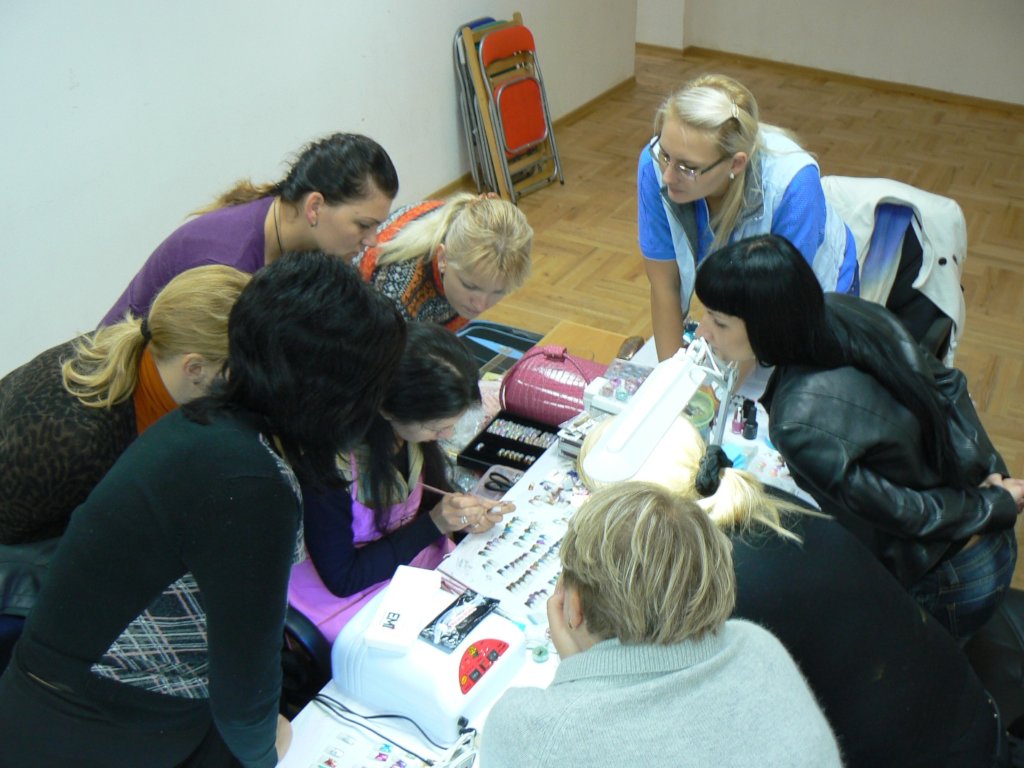
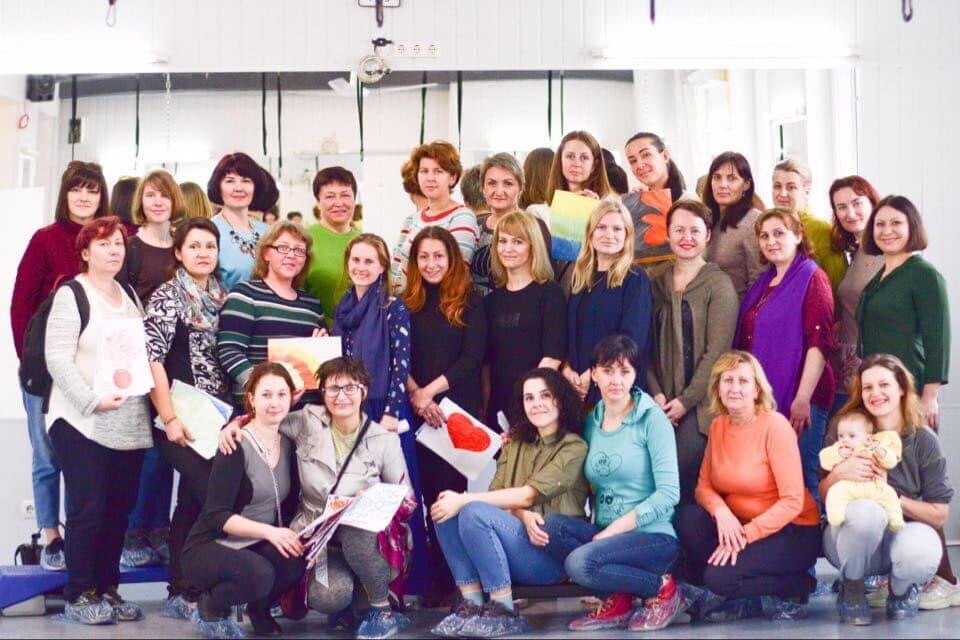
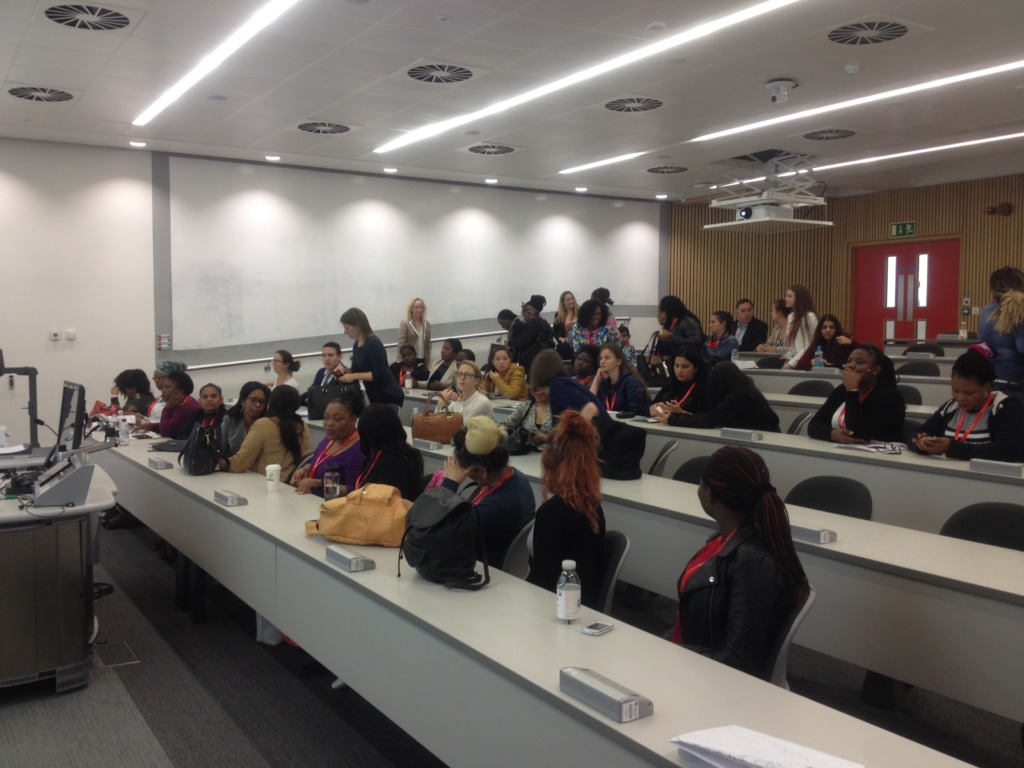
The Imperial Entrepreneurship training, directed by Gokce Tuna, a doctoral candidate at Imperial Business School has featured sessions on assessing one’s Meyer Briggs profile and business/venture ideas, finance and budgeting, and presentation skills (see photo). This year’s class of 40 women originate from 20 different nationalities with the largest number coming from Nigeria (9), Albania (8), and UK (4). Referred by 12 partner charities, they range in age from 18-53 with an average age of 31.
As Grace, one African student wrote recently[1]:
I have just come out of an abusive relationship that lasted over 13 years and had two beautiful girls, who are 10 and 7 years. During that time I was a prisoner: I had no contact with the outside world; I had no voice; and I left with nothing, no clothes, no phone, and only one pair of shoes that I am wearing, but I am ok. I am happy. I have peace. I don't look at myself and say well I am a charity case. I am not a victim anymore if I have survived all that, I will survive the rest that comes my way.
Aniza, another student in this year’s class, originally came from South Asia to the UK to improve her English. She then planned to pursue an accounting degree. Her parents took a loan to support her graduate studies and she was the first in her family to attend university. In the UK she met Rabia, an older businesswoman from her home community. Rabia asked Aniza to look after her children while she travelled for work. Needing money for living expenses, Aniza agreed. When Rabia returned, she told Aniza that she would report her for working illegally and that Aniza would be deported. Aniza did not want to return home without fulfilling her parents’ plans for her. Using threats Rabia convinced Aniza to work 15 hours a day for her for two years for minimal pay. Aniza was not allowed to sit, take breaks, and barely had enough funds to eat. One day she was so tired that she fainted at a bus stop. A policewoman seeing Aniza’s condition, gave her a helpline number to call. It took Aniza another few weeks to have enough courage but eventually she made the call.
Each woman has a past history of enslavement, labour, and/or exploitation. Many have survived sexual exploitation. To understand what many young women from Albania have endured, we showed a short clip of “The Price of Sex” (https://www.youtube.com/watch?v=y9eBkIy4Uag) to the new mentors. We recommend this very realistic account to all who want to know more about this growing black market that generates profits of £98 billion per annum. As the short clip and the numbers suggest, trafficking will stopped without addressing the underlying economic incentives that put many women in harm’s way.
Once in the entrepreneurship programme, no one is compelled or even expected to tell her story in this program. Each woman in the programme is encouraged to focus on her own aspirations and to build on the strength and resilience that she has gained from surviving difficult past experiences. While she may not want to start a business, her entrepreneurship skills will help her to find and develop a meaningful career path. This year women are planning careers and businesses in health, education, law, food services, fashion, beauty services, events planning, finance, and accounting. All 40 have been matched now with a business mentor and for the first time, we are also trialling group mentoring for a few older women who have established career plans.
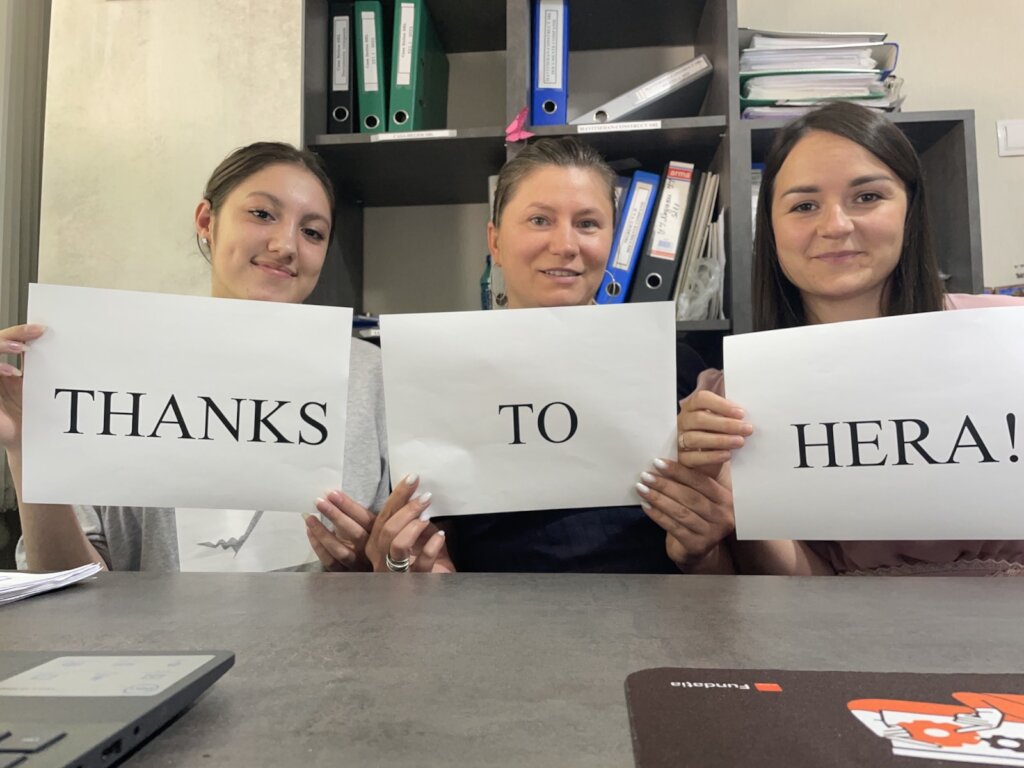
We thank all our supporters and volunteers who have made our work possible. This summer we have had volunteers from the UK, USA, and Italy working in our programmes. We also thank the professors from Cranfield and Imperial, private sector trainers, and entrepreneurs who continue to volunteer their time. Our thanks to the Salesforce team for teaching in the programme and for hosting a Summer Reception on behalf of HERA. Finally we thank each and every Global Giving contributor as your funding is supporting a new group of women entrepreneurs and mentors who will make a difference in stopping trafficking and re-trafficking.
[1] Names and some details are changed to protect identities.
Project reports on GlobalGiving are posted directly to globalgiving.org by Project Leaders as they are completed, generally every 3-4 months. To protect the integrity of these documents, GlobalGiving does not alter them; therefore you may find some language or formatting issues.
If you donate to this project or have donated to this project, you can receive an email when this project posts a report. You can also subscribe for reports without donating.



Support this important cause by creating a personalized fundraising page.
Start a Fundraiser