By Lynellyn D. Long, Ph.D. | Chair of HERA Trustees
Coming up to our 12th year, HERA faces many of the same struggles and challenges in starting and growing our own organisation as the women entrepreneurs we support face with their ventures. We advise women trafficking survivors in our entrepreneurship program to: "take risks that you can afford to fail." Taking risks and being ready to fail is an inevitable part of being entrepreneurial. At HERA we have had our own share of failures that have propelled us forward. Here are just five of our "Fail Forward" lessons:
(1) Breaking Even - Only after two years were we breaking even and obtaining funds from outside donors rather than primarily using our own resources to run HERA. Regardless of our track record, HERA's new programs in Paris (starting this year) and Seattle (last year) have demanded the same investment of personal time and financial resources for these new start ups. It would be lovely to start new operations with all resources fully in place. However, having to invest one's own resources and raise funds forces us to be competitive, demonstrate value, and meet a real demand for our services.
(2) Understanding the Client -- We should know our clients well: their histories, motivations, and needs. Working with only one safe house for trafficked women at first we thought our clients would all fit the profiles of these women. However, when encouraged to work with another charity supporting women living on the streets, we realised that many women trafficked within the UK had different experiences and profiles. They were not necessarily defined as "trafficked" even if their situations and experiences fit the Palermo Definition of Trafficking. Some had suffered violence in care homes or in prostitution. Over time, we expanded our assumptions and understanding about who was trafficked and how. Rather than only focusing on women who came from the national referral system, we began working with many different partners, including the National Health Services (NHS) and with women survivors themselves to identify and enrol participants. We also realised that in providing an official certificate for our training that we had to avoid stigmatizing the women by identifying them as trafficked. The women themselves demanded to be treated as entrepreneurs. Today we define our target groups as: "women survivors of trafficking, conflict and other forms of violence and exploitation as well as young women at risk to these situations." We also have participants who because of sexual orientation, have suffered violence in their origin countries. Since our goal is to prevent trafficking and retrafficking, we help all at risk and/or who have survived such trauma, pursue their career aspirations and ventures.
(3) Valuing People and Developing Systems - As a small operation working on entrepreneurship, we require not only technical expertise, which we obtain from business volunteers and consultants, but also a level of personal commitment that goes way beyond 9-5 day or 40 hour work week. However, we can only offer charity rates to consultants. Therefore, our work has had to align well with people's own passions and goals. After a few years, most people also want and/or need to move on to avoid burn out and the secondary trauma that one can develop from helping trafficking survivors. As a venture, we have had to develop transition strategies so that those taking over continue and build on the earlier work. When faced with gaps in services, we learned first hand the importance of documenting systems and procedures on line and to the extent possible, providing ongoing support and training through our extended networks.
(4) Branding, Meeting Unmet Needs and Innovating - As a charity we invariably face an underlying tension in that our public appeal is in assisting "trafficking victims". While often asked about the women's stories, we seek to avoid the "voyeurism" of asking survivors to recount their prior experiences. Such recounting is often retraumatising and can undermine the woman's own career plans. Trying to inform popular narratives on trafficking, however, is challenging. Much of the media reporting focuses on stories of individual abuse and/or criminal raids and prosecutions. We argue for engaging entrepreneurship and business acumen to counter the growing multi-billion business of trafficking and for addressing the underlying drivers fuelling its global networks. As any small business, we need to prove to address an unmet need or demand effectively in face of a well organised, global and complex industry. We also face the challenge of innovating the concept of engaging economic approaches and business expertise to stop trafficking and retrafficking.
(5) Taking Calculated Risks - A risk assessment is critical for a woman entrepreneur who may be investing all her resources in the business and whose family depends on her. The women enterpreneurs we support are sometimes criticised by loan officers and programs for being too risk adverse. We are sometimes criticised as well for not being expanding or growing fast enough. We have opened and closed programs in Belgrade, Boston and Paris (and opened again in Paris). Successful entrepreneurs take small risks all the time. Many will fail and restart the venture one or more times over. However, none of us should risk so much that we cannot continue to do work that matters.
(6) Learning from Outliers - At the end of the entrepreneurship training, participants provide feedback on the course. Their feedback is invariably highly positive so we started trying to understand more about the highs and lows that happen over the year during the mentoring period. It is instructive to learn from the person whose mentoring relationship does not work or who was disatisfied with the training. With the international grants program we evaluate most of the ventures one to two years later and try to understand why a few do not continue and/or the woman migrates. There is also value in learning from those who do exceptionally well and why they succeed against all apparent odds. As a group most HERA participants are outliers each one defying the odds in her own way.
As entrepreneurial risk takers, we gain valuable insights from the HERA women entrepreneurs. They demonstrate the courage and strength needed to continue even when they have already sacrificed and lost much. As a group, these women entrepreneurs set a new standard in their commitment to persevere.
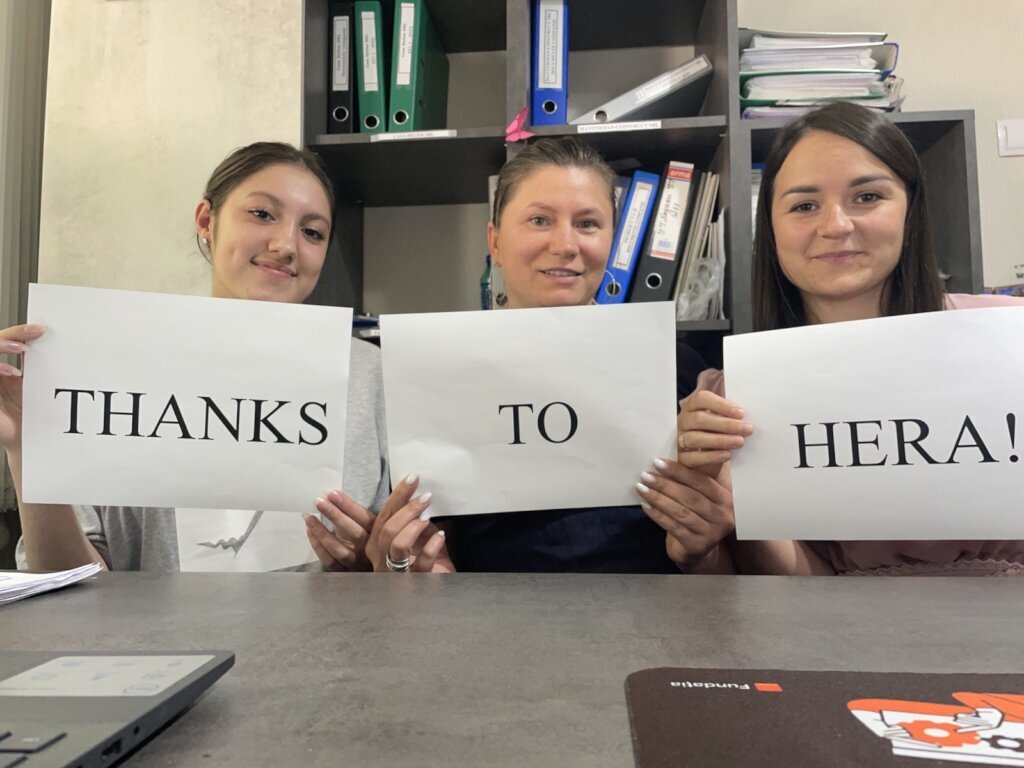
Many thanks to all our Donors, Volunteers, and Participants for your hard work, support, and expertise in preventing trafficking and re-trafficking!
[Photo captions for HERA's activities since our last Global Giving Report in July 2016]
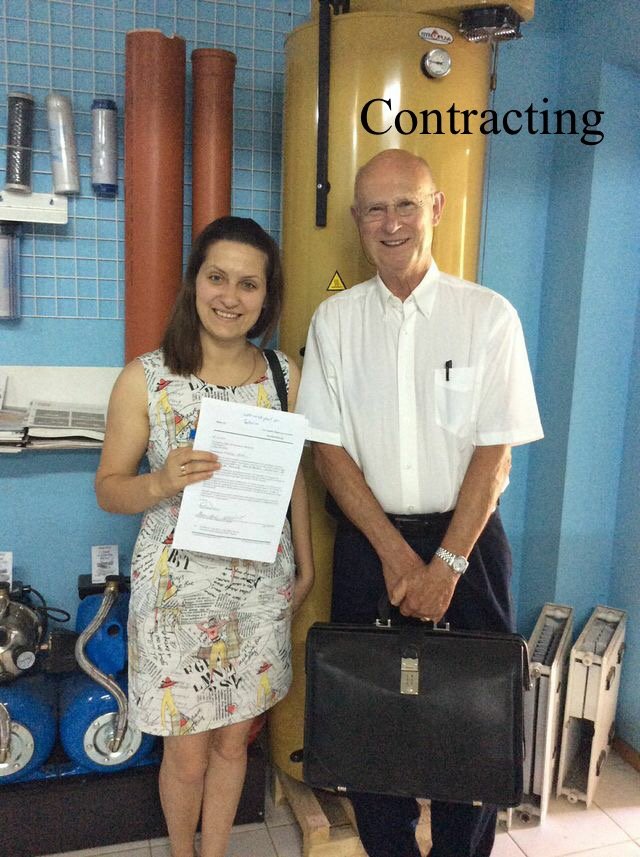
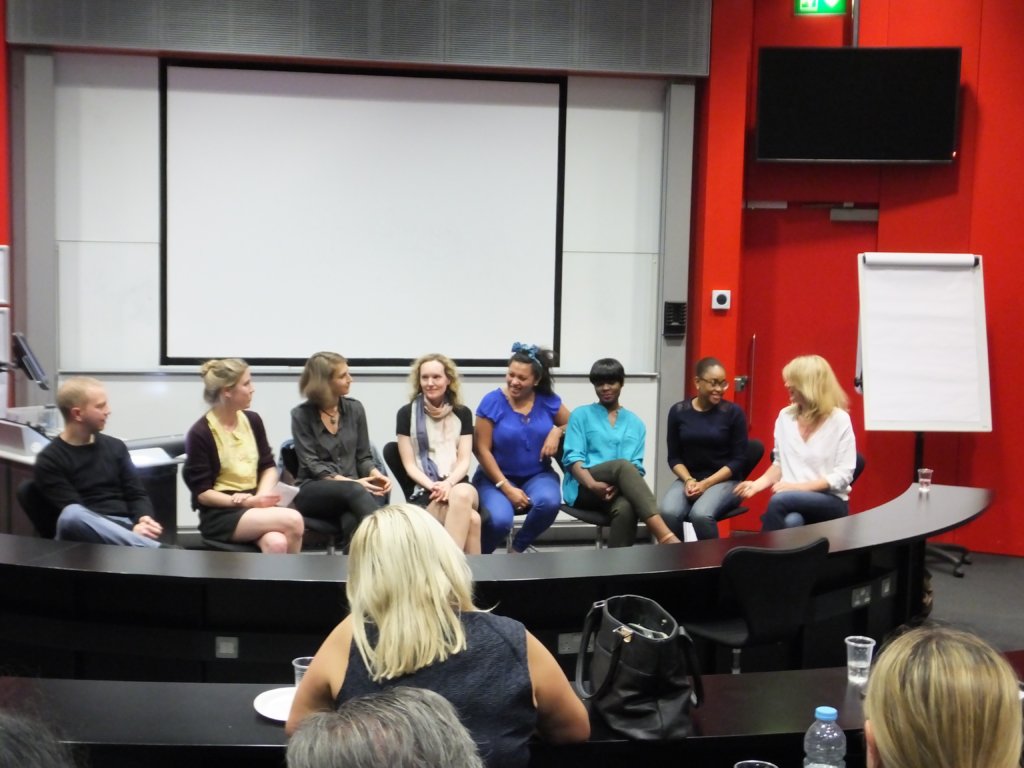
London Entrepreneurship and Mentoring Program - HERA's autumn program has included: (1) a "Careers Seminar" on managing time and personal boundaries and on building one's personal brand; and (2) "A Successful Entrepreneur's Story." In addition HERA hosted a day long training for old and new mentors at Imperial Business School. [photo 1]
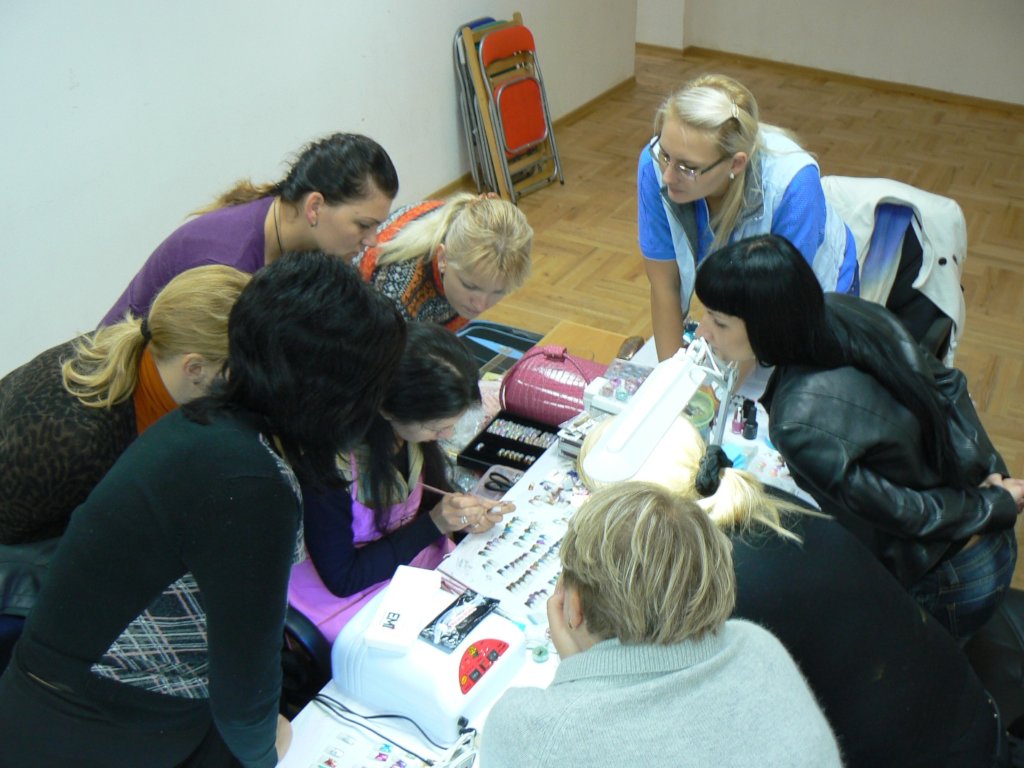
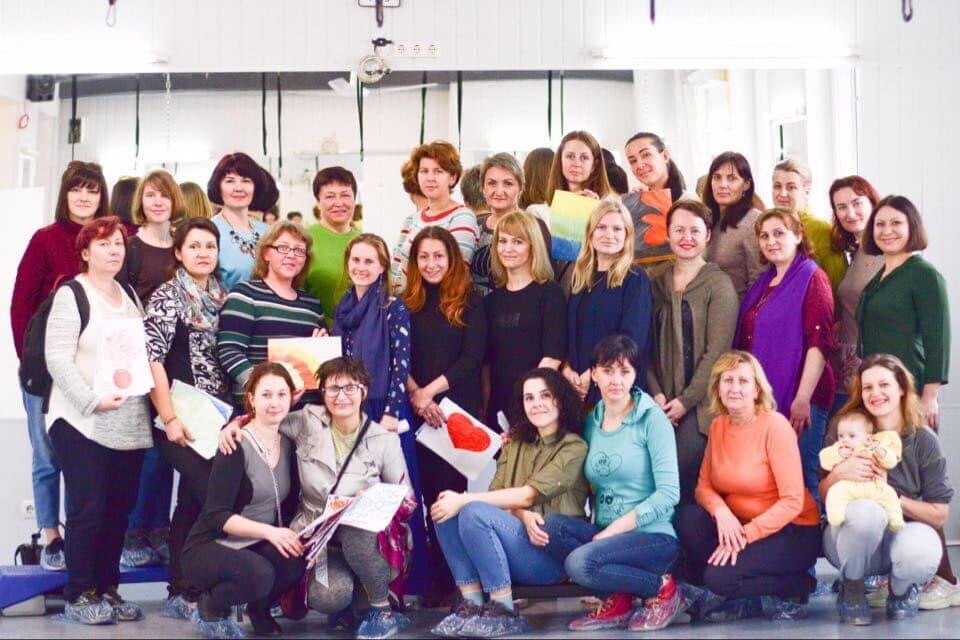
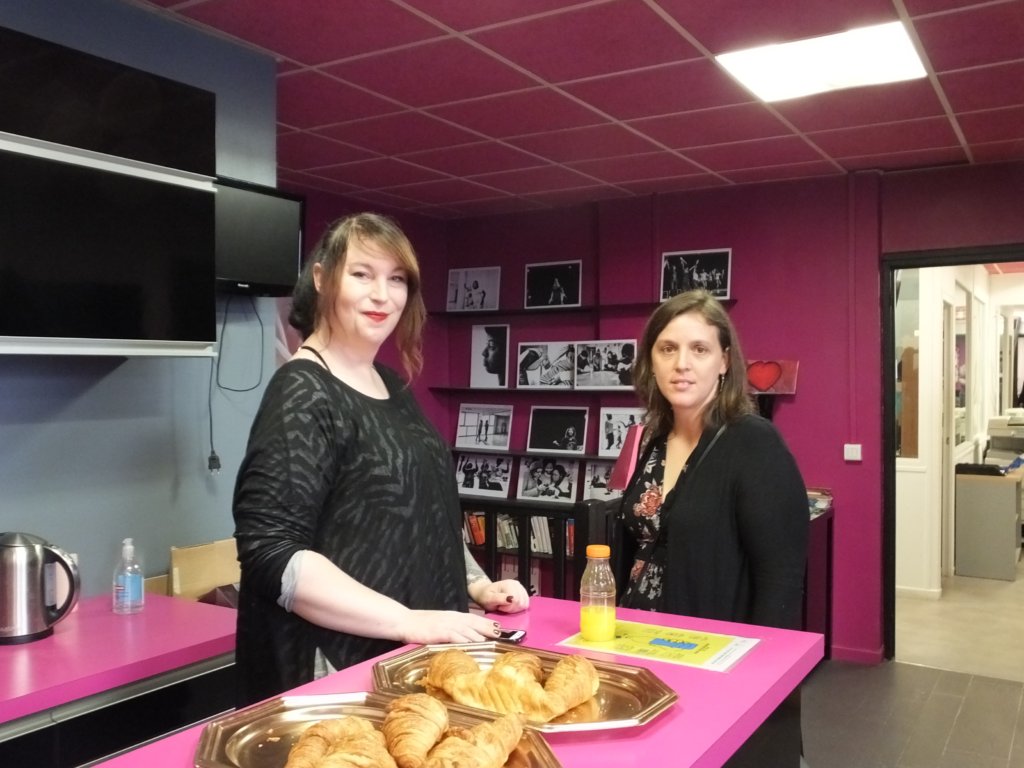
Paris Entrepreneurship Program - The program was launched for eight participants with the initial training sessions over six evenings and a Saturday are being held at Le Bus des Femmes. Following this training a group of participants have been invited to attend Sciences Po Entrepreneurs training and incubator support for start ups. [photo 2 - setting up for a Saturday training]
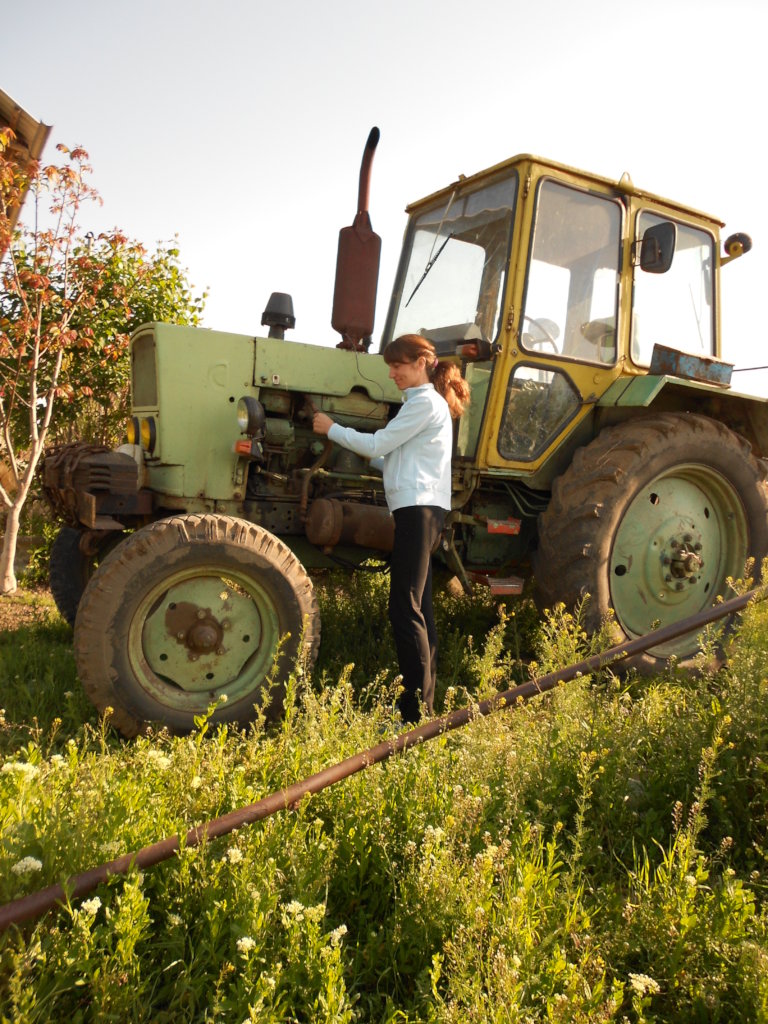
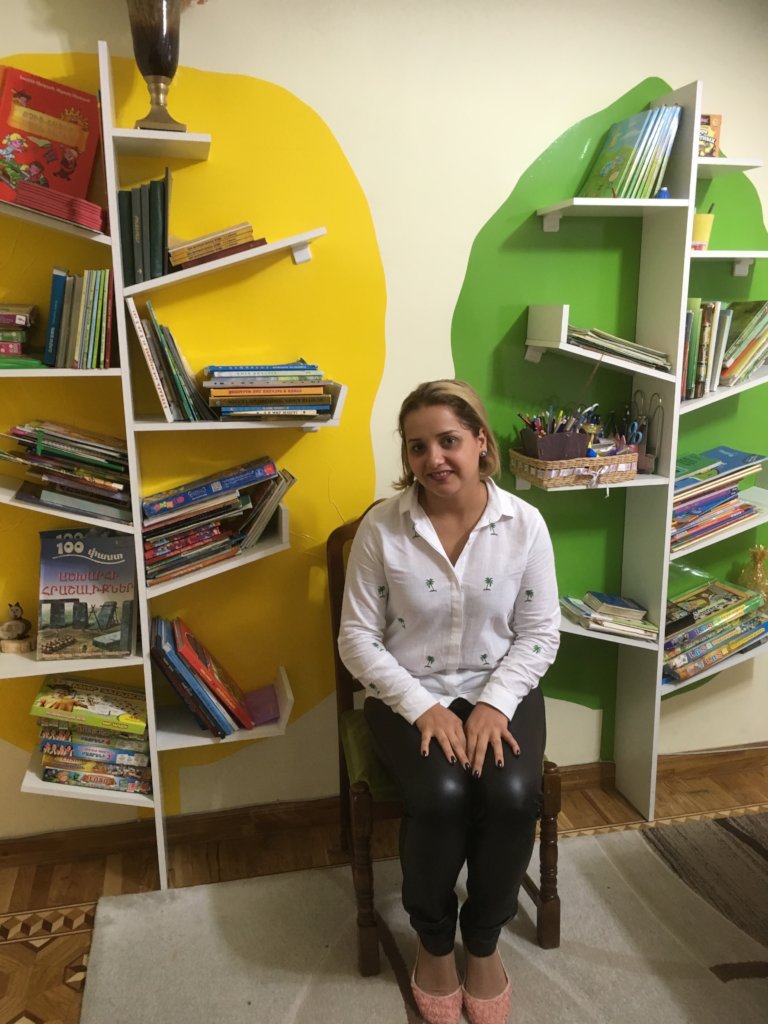
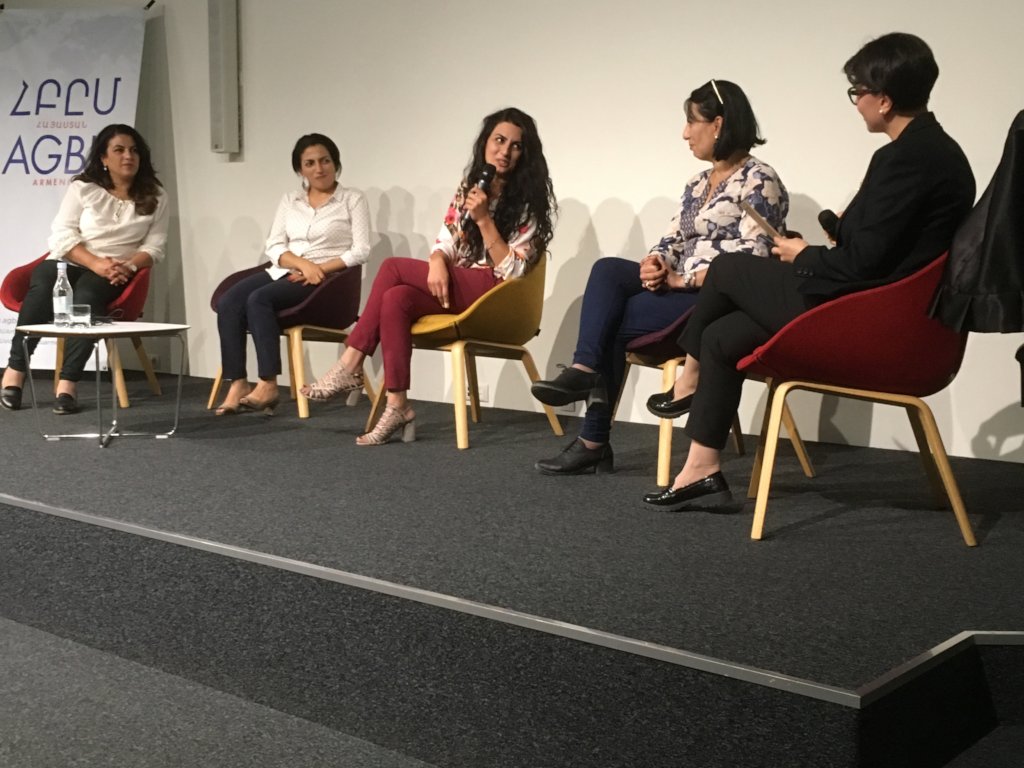
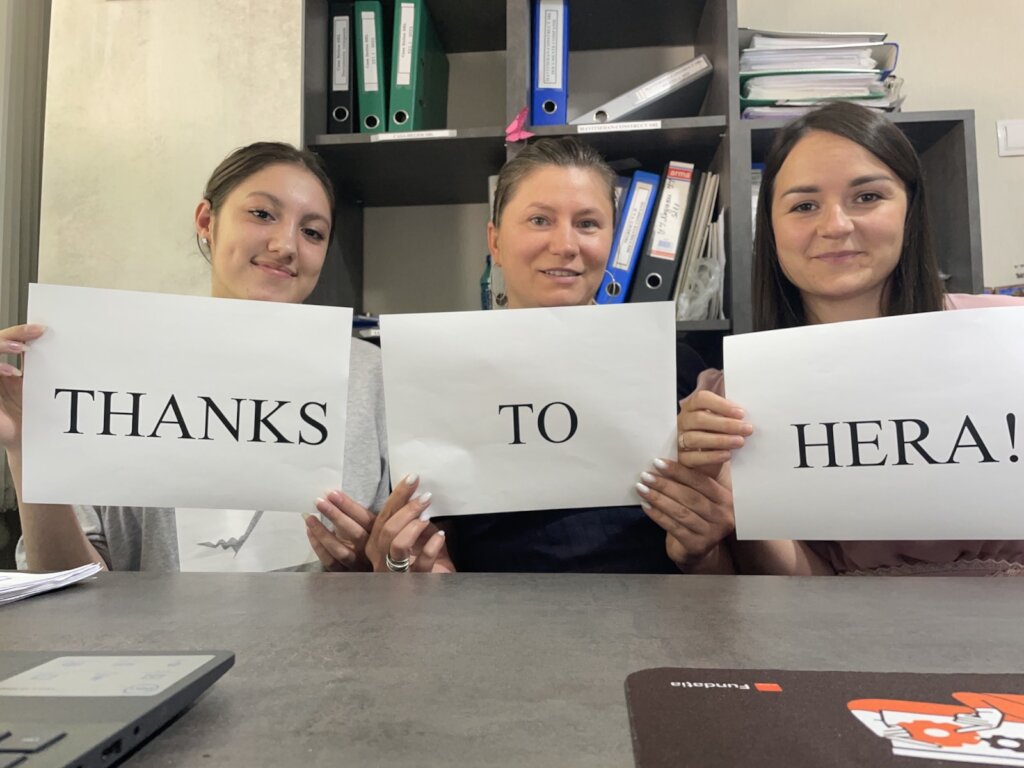
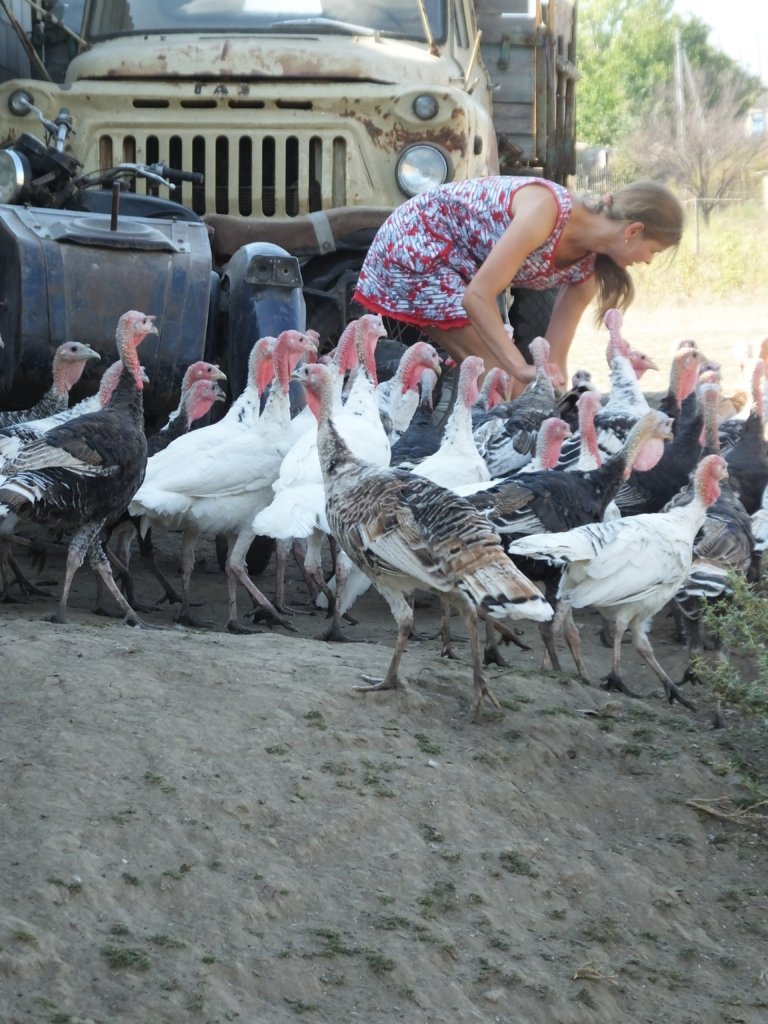
International Grants Program - New grants were made to women's ventures in Armenia, Georgia, Ukraine and Armenia. The women owners use the support for capital equipment to grow their ventures and employ more young women at risk. Some owners are themselves trafficking survivors. In Armenia, in collaboration with Luys Foundation, HERA trainers also provided entrepreneurship training and mentoring for 12 young women at risk of trafficking. [Photo 3 - a poultry venture in Moldova]
Project reports on GlobalGiving are posted directly to globalgiving.org by Project Leaders as they are completed, generally every 3-4 months. To protect the integrity of these documents, GlobalGiving does not alter them; therefore you may find some language or formatting issues.
If you donate to this project or have donated to this project, you can receive an email when this project posts a report. You can also subscribe for reports without donating.



Support this important cause by creating a personalized fundraising page.
Start a Fundraiser