By Francisco Delgado | Executive Director
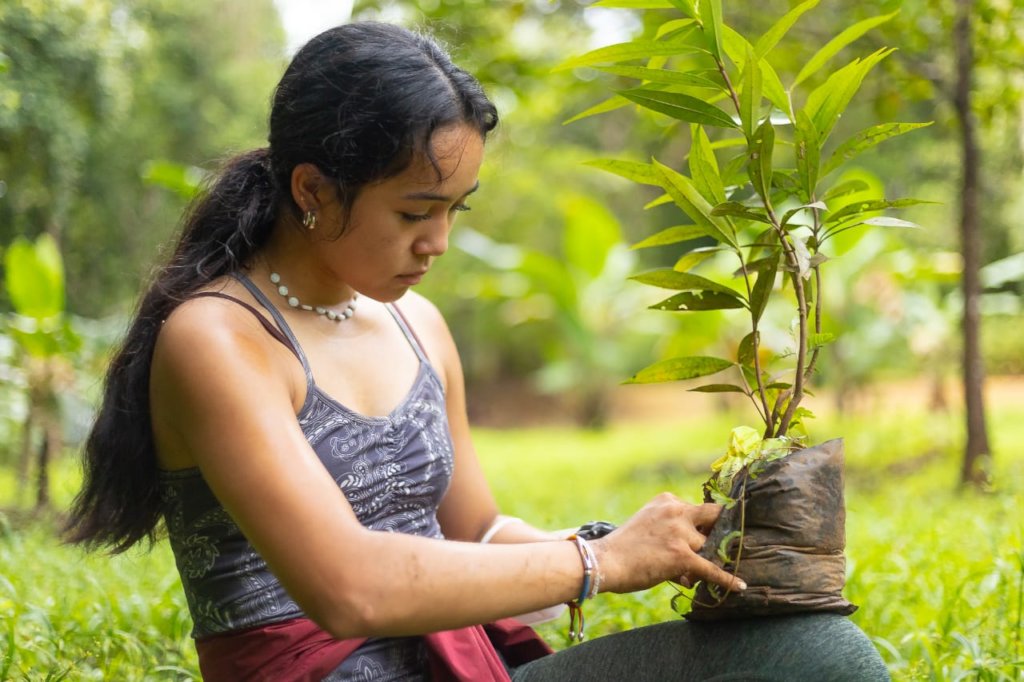
This quarter, our Environmental Education Program has been sowing seeds of knowledge, sustainability, and empowerment across rural schools and communities in the Osa Peninsula. Through hands-on activities in organic farming, environmental clubs, and cultural exchanges, we’re cultivating the next generation of young environmental and social leaders.
Small Farmers, Big Dreams: Regenerative Agriculture in Schools
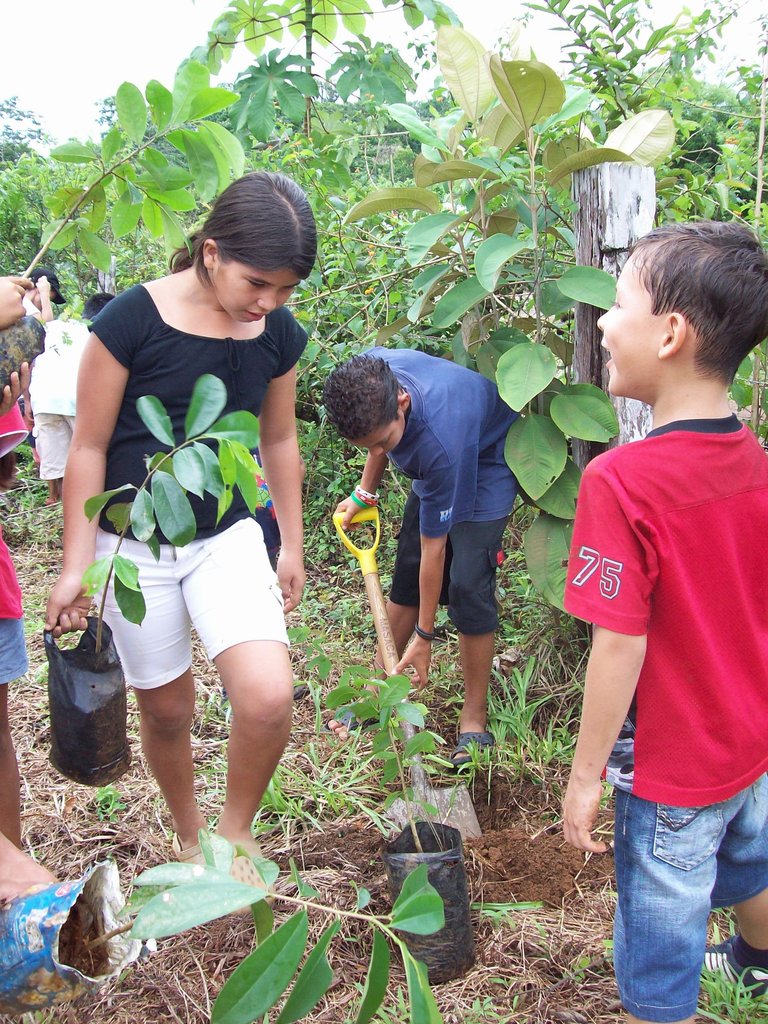
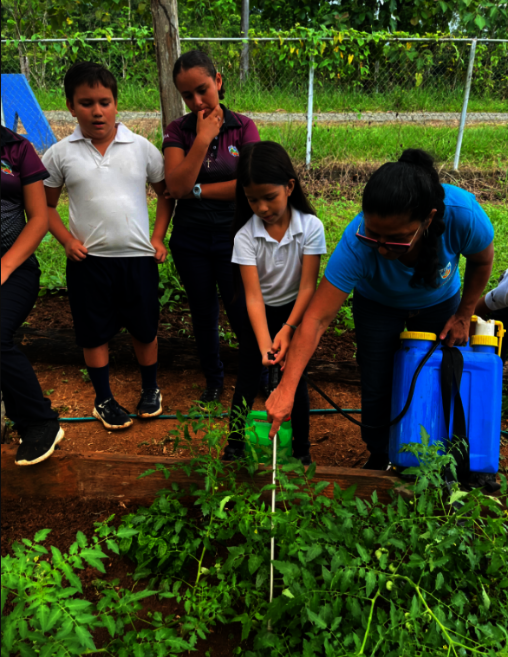
In the rural schools of Los Ángeles, Rancho Quemado, and Banegas, children have been getting their hands dirty, in the best possible way.
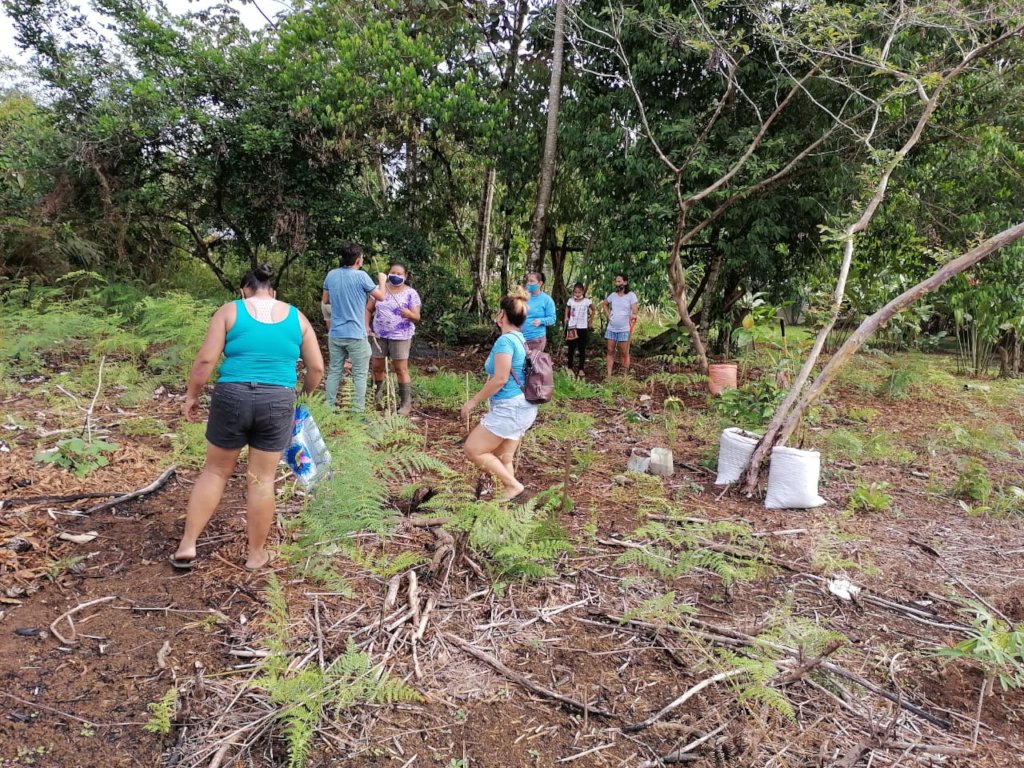
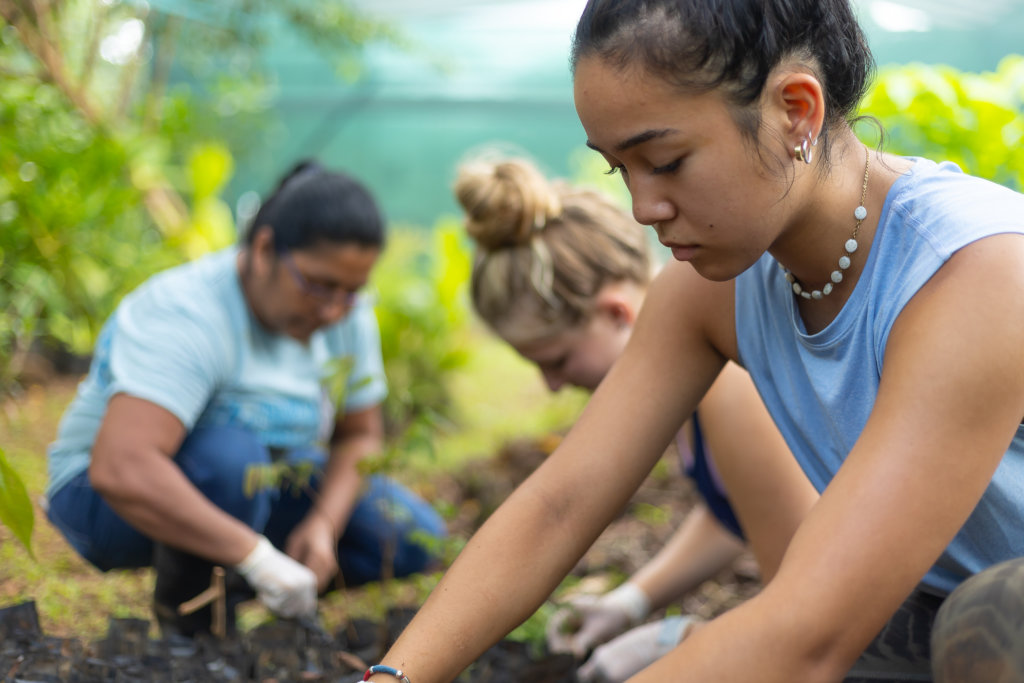
At the Los Ángeles School, with the help of 16 volunteers, we built an outdoor school garden with 4 planting beds, protected by a mesh fence. Cucumber and tomato plants are already growing, and native flowers were planted nearby to attract pollinators.
We also introduced composting: In Los Ángeles, a dedicated composting structure was built to start producing rich organic matter and in Rancho Quemado, students created compost using organic waste from their own school.
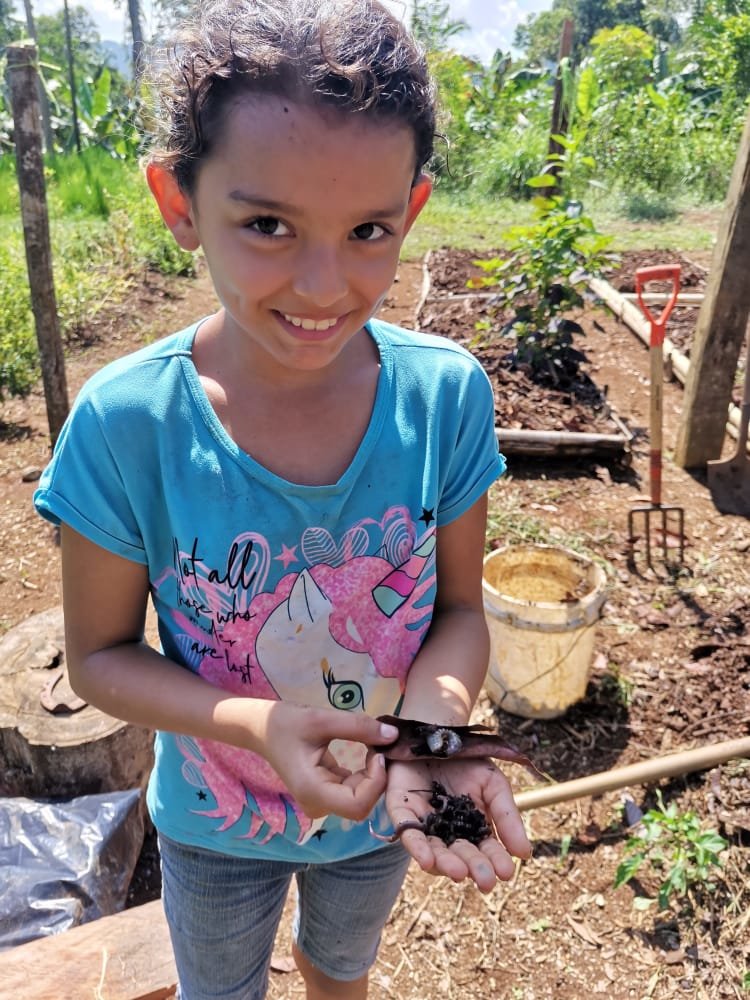
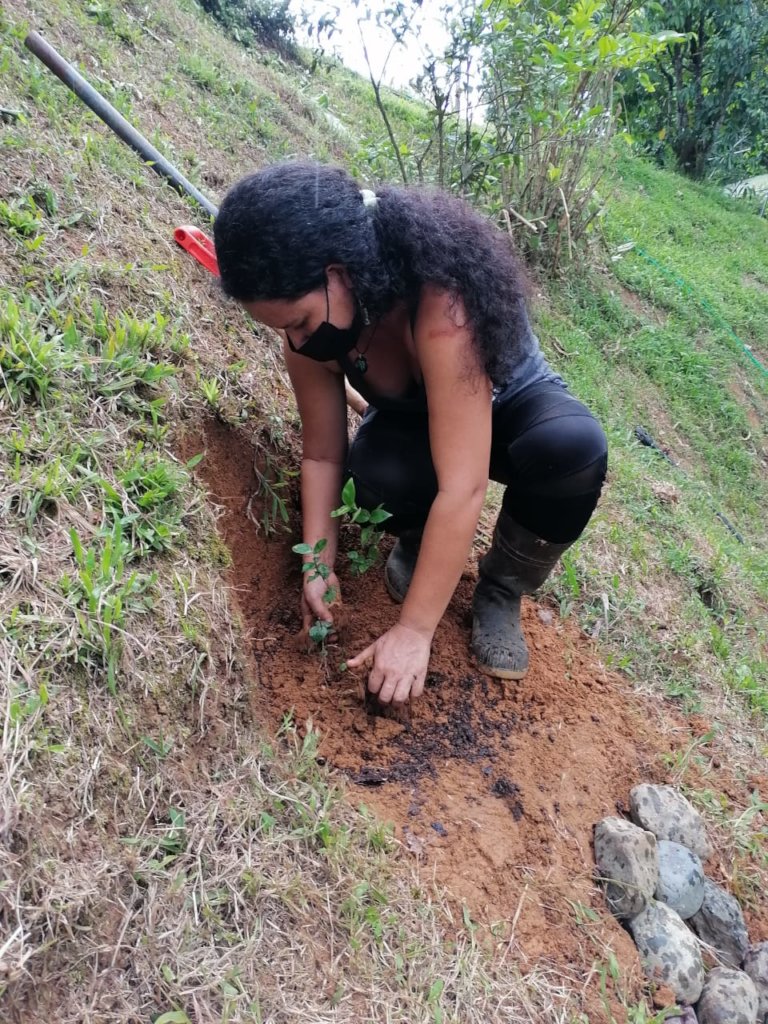
In Banegas, students planted cucumbers, tomatoes, chili peppers, corn, and squash, protected their soil with dry organic mulch to prevent erosion, and used worm tea compost as fertilizer. These small farmers are now learning how to nurture life from the soil — and from their efforts.
Environmental Clubs: Learning Through Fun, Play, and Purpose
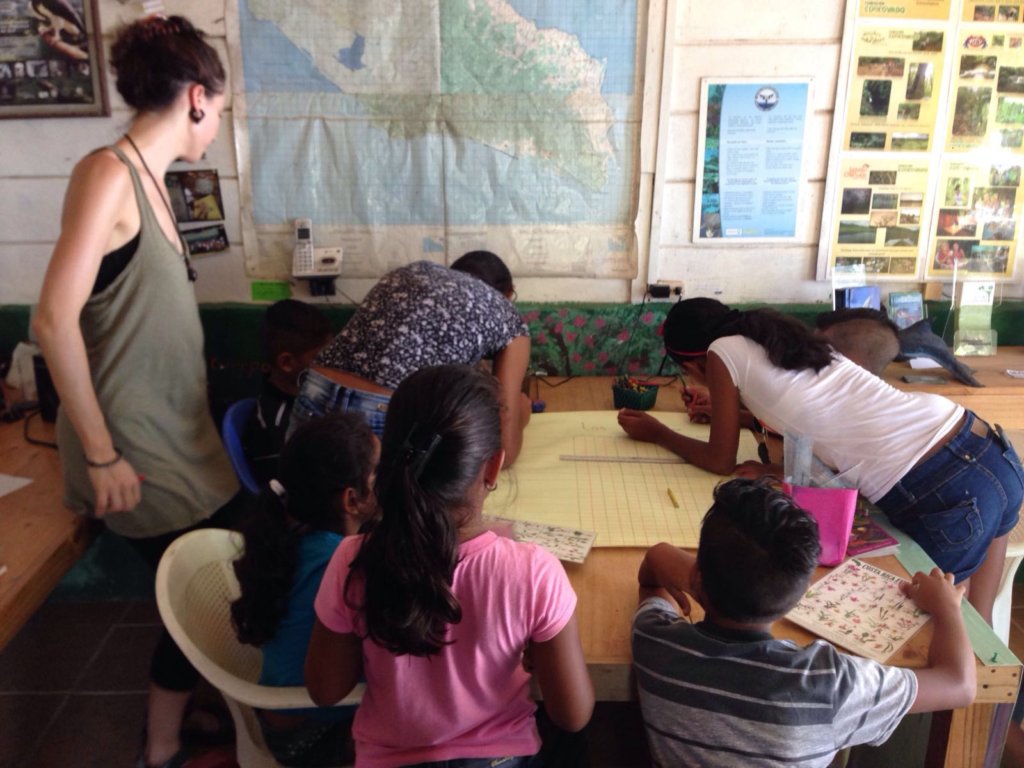
We run 4 environmental groups in the communities of Los Planes (Los Caimanes), Los Ángeles (Las Águilas), Agujitas (Los Jaguares), and Progreso (Los Pumas), all located near protected areas, where environmental education is essential.
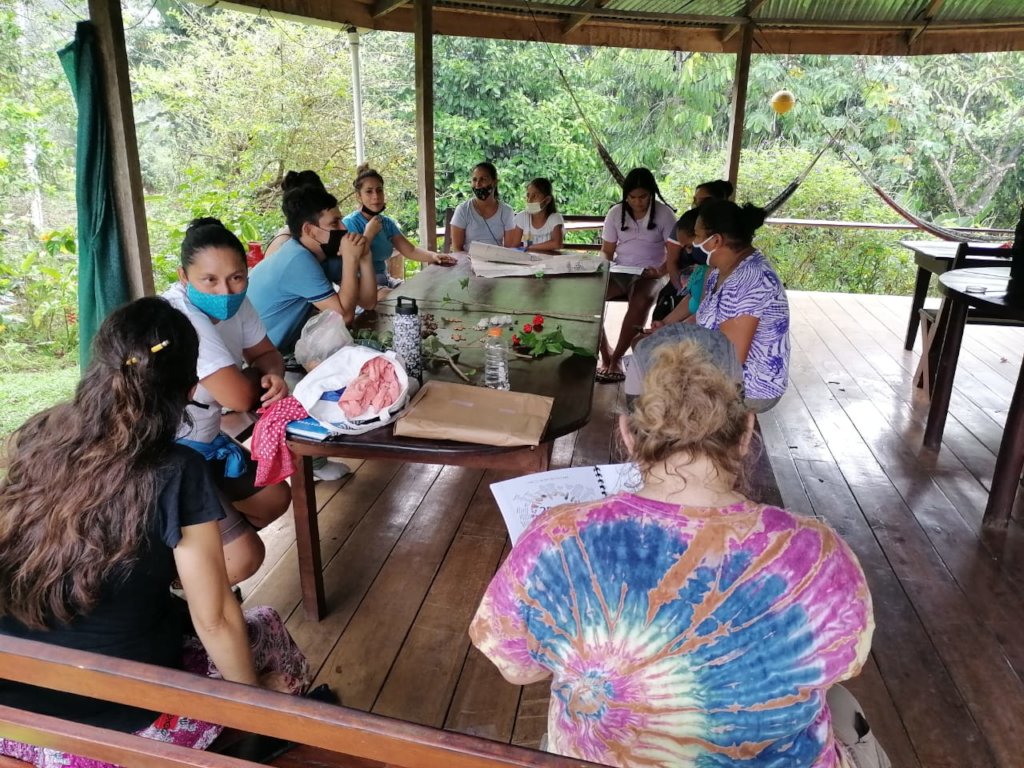
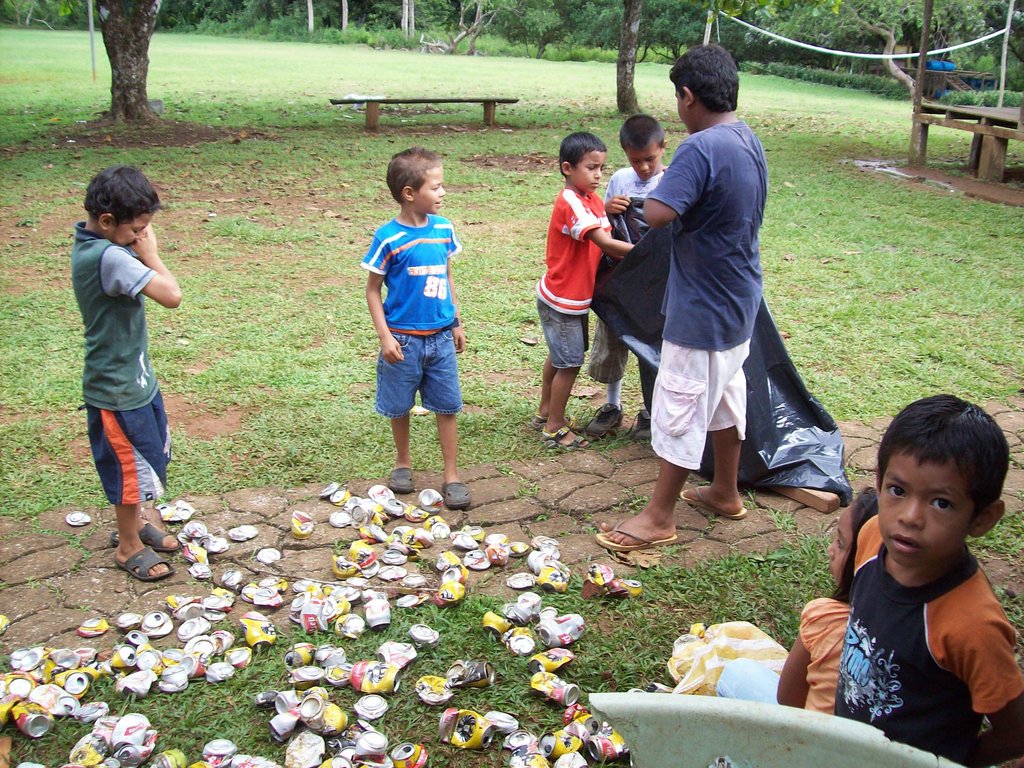
These groups meet weekly and include 67 children. So far, we’ve held 50 engaging sessions on 11 different topics, using tools like arts, crafts, games, and storytelling to help children form deep bonds with nature.
Children also participated in three field walks, connecting classroom learning with real-life experiences.
Festivals, Cultural Exchange, and Nature Exploration
Our work goes beyond the classroom:
We organized and participated in three environmental festivals, including Earth Day and the Caño Island Festival, celebrating nature through creativity and community.
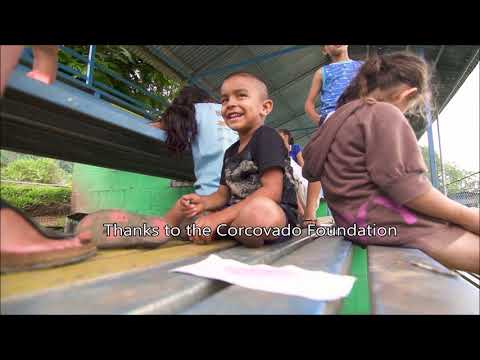
A special field trip was organized for 10 children, who visited the Yaguará Rescue Center and shared experiences with children from the Boruca Indigenous Community, learning about native culture through shared activities.
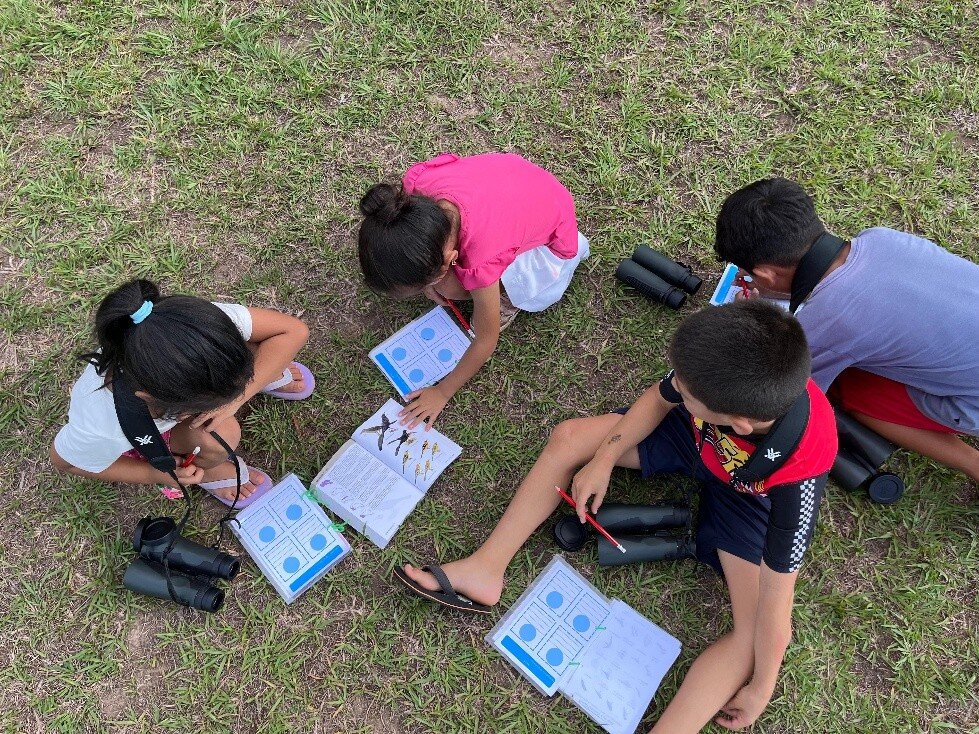
This year’s theme is Bird Monitoring. Children have learned to identify local bird species during community walks, guided by local nature experts.
At a Glance – Program Highlights:
Environmental Clubs
Environmental Education at Schools:
With every seed planted and every game played, these children are building not only food security and ecological knowledge, but also the confidence to lead their communities into a sustainable future.
Thank you for believing in them, and in us.
Project reports on GlobalGiving are posted directly to globalgiving.org by Project Leaders as they are completed, generally every 3-4 months. To protect the integrity of these documents, GlobalGiving does not alter them; therefore you may find some language or formatting issues.
If you donate to this project or have donated to this project, you can receive an email when this project posts a report. You can also subscribe for reports without donating.



Support this important cause by creating a personalized fundraising page.
Start a Fundraiser