By Mohsin Arif | Project Leader
Evening Schools for Child Laborers: A Second Chance to Learn
Organization: Moses Welfare Foundation, Pakistan
Project Duration: 12 Months
Total Project Goal: $25,000
Amount Raised: $1,082
Number of Donations: 7
Remaining Funding Need: $23,918
Monthly Donors: 0
1. Project Summary
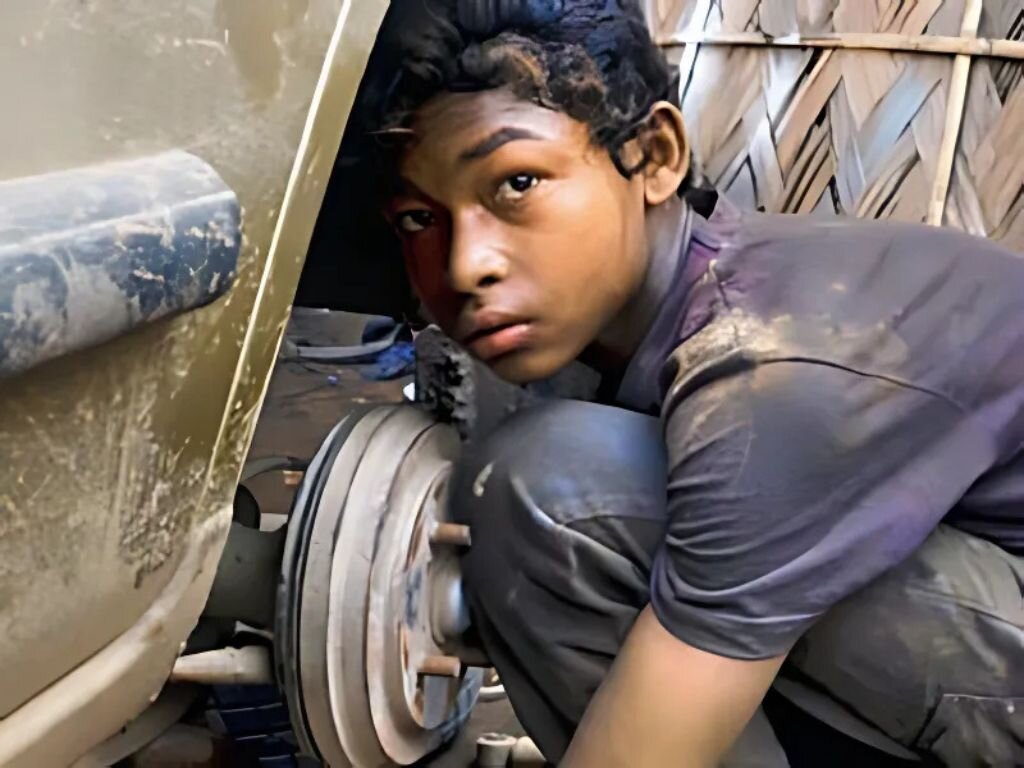
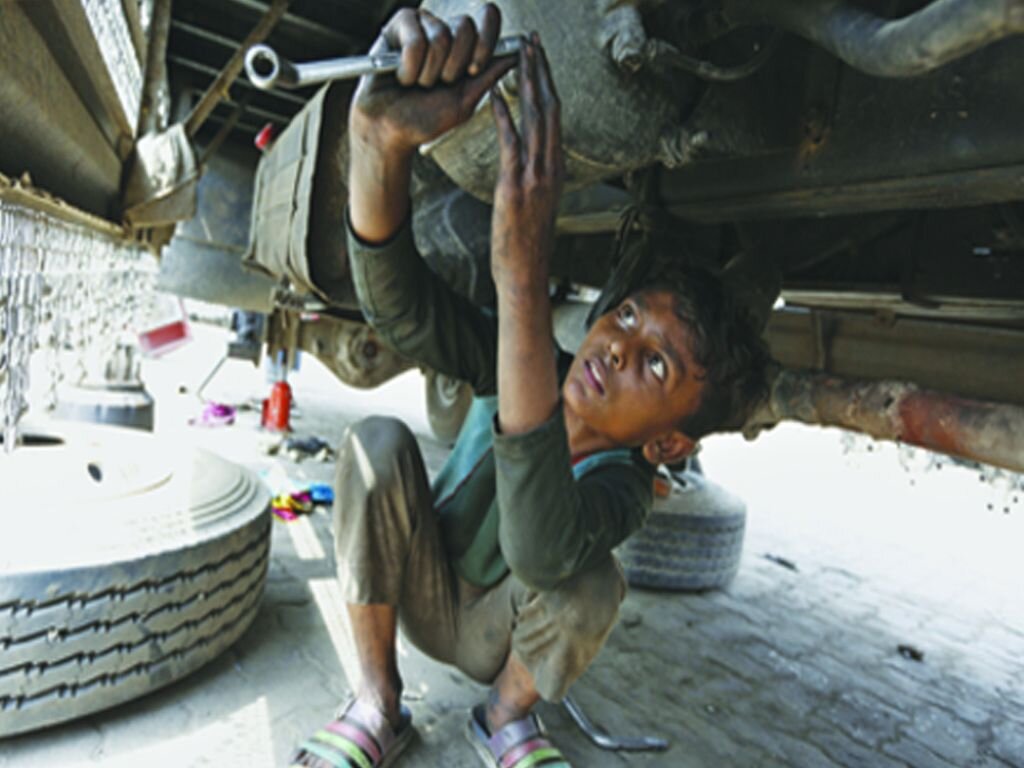
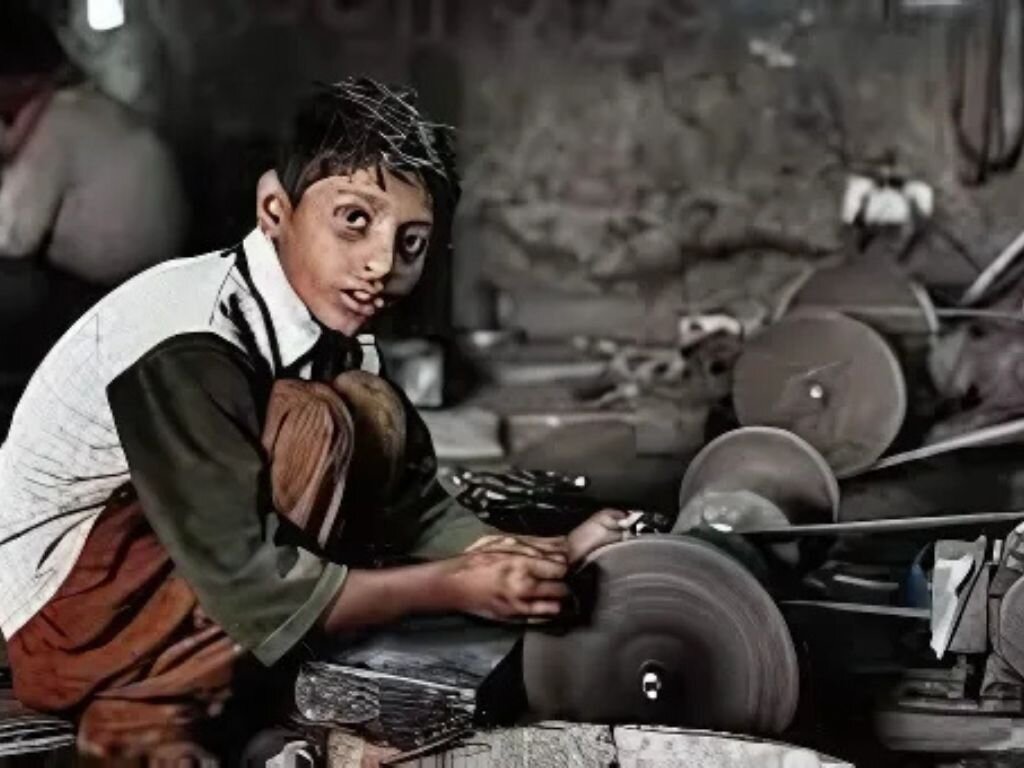
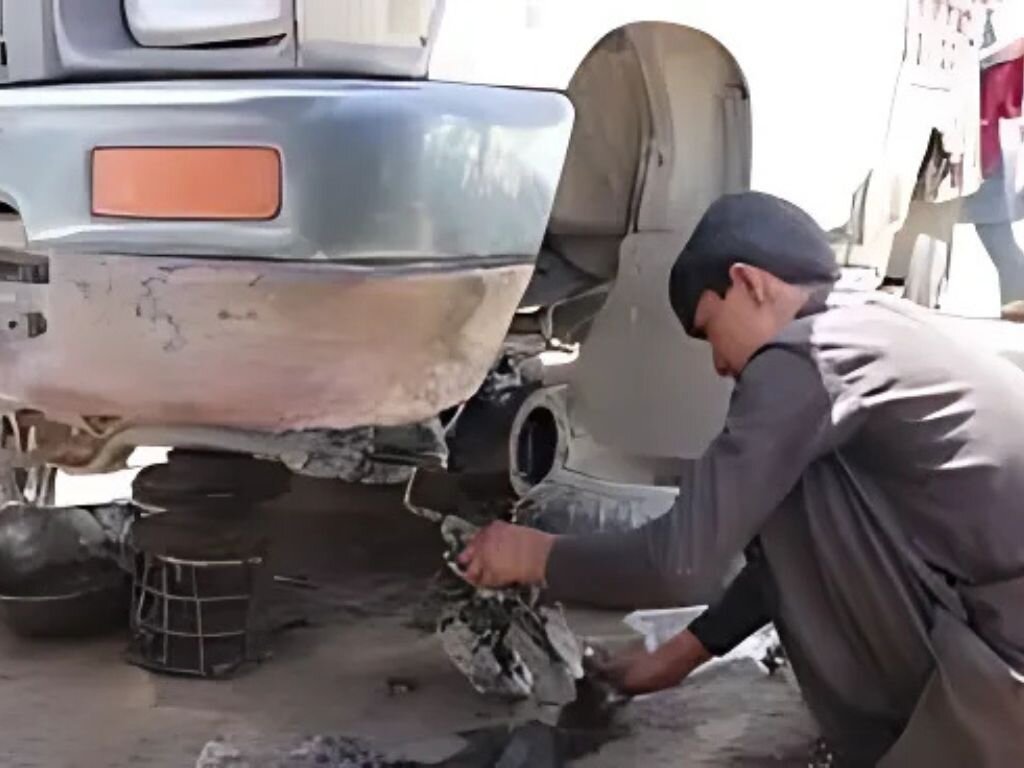
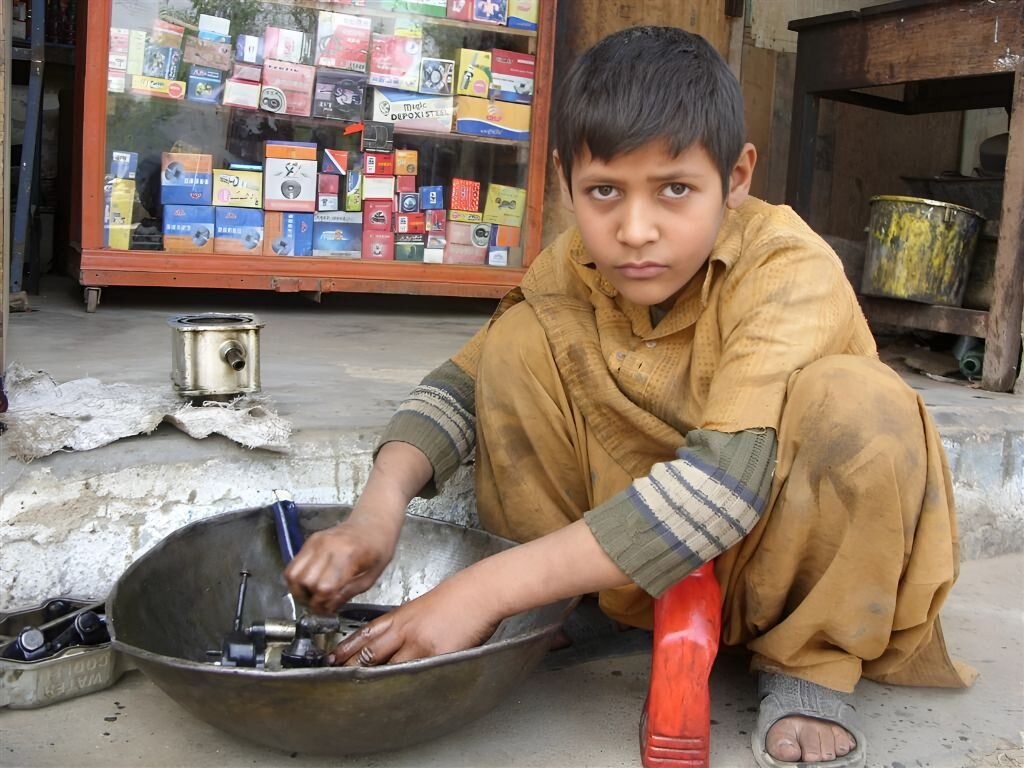
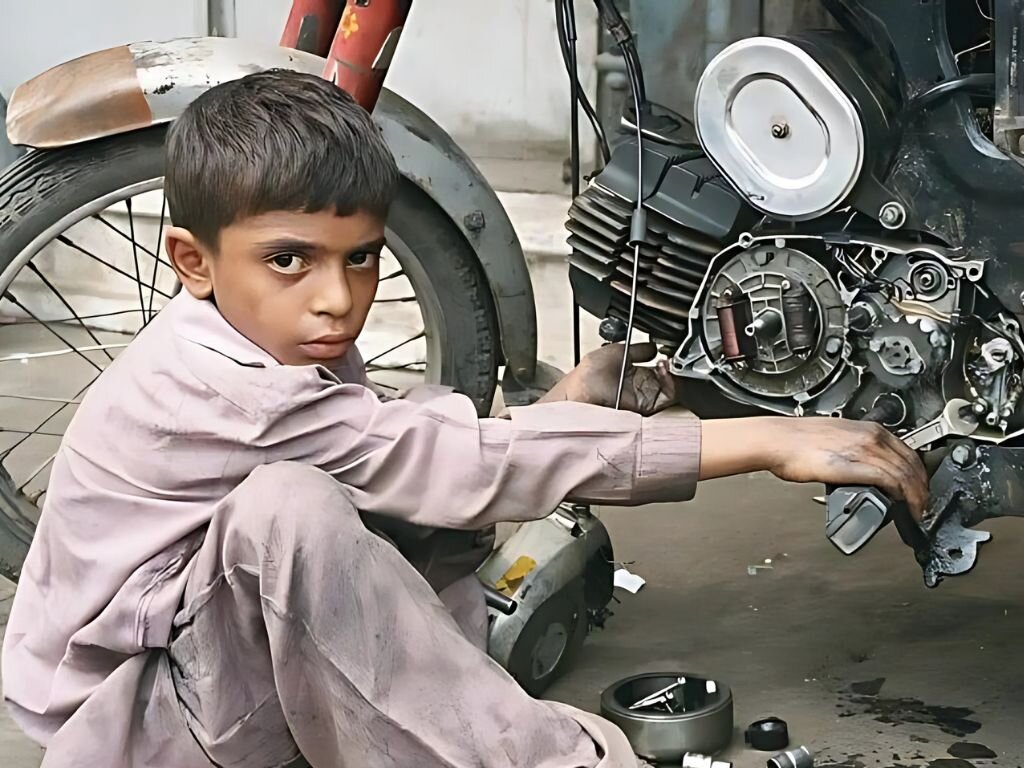
Many children from poor and vulnerable families in Pakistan spend their days working instead of attending school. Children working in brick kilns, workshops, markets, agricultural settings, small businesses, and other informal workplaces often have little or no opportunity to receive regular education.
Moses Welfare Foundation proposes to establish and support Evening Schools for Child Laborers, providing children with an opportunity to learn after their daytime work responsibilities. The project will offer free, flexible, and supportive education, including basic literacy, numeracy, life skills, educational materials, and guidance.
The purpose is not to normalize child labor. Rather, the project provides an immediate educational pathway for children who are currently excluded from school while MWF works with families and communities to encourage children's long-term transition toward safer and more sustainable educational opportunities.
Through safe learning spaces, trained teachers, books, school supplies, parental engagement, and regular monitoring, the project aims to restore children's opportunity to learn, develop confidence, and prepare for continued education and better future opportunities.
2. The Challenge
Poverty is one of the major factors that can prevent vulnerable children from accessing education. Some families depend on children's income or assistance with household work, making regular daytime schooling difficult.
As a result, working children may spend their formative years without developing essential reading, writing, numeracy, and life skills.
Without educational opportunities, children can face:
Children who work during school hours need flexible educational approaches that recognize their circumstances while keeping education and child well-being at the center.
3. Project Goal
The goal of this project is to provide vulnerable working children with accessible, safe, and flexible education so they can develop essential skills and have a stronger pathway toward continued learning and a better future.
4. Project Objectives
During the 12-month project period, MWF aims to:
5. Who Will Benefit?
The project will prioritize children from economically vulnerable households who are unable to attend regular daytime school because of their circumstances.
Priority may be given to children living in:
The exact number of beneficiaries will depend on the number of evening learning centers established and the available project funding.
6. Project Activities
A. Establish Evening Learning Centers
MWF will identify suitable safe locations within vulnerable communities where children can attend classes during evening hours.
The centers may operate in community spaces, partner facilities, or other appropriate locations that meet basic safety requirements.
B. Free Educational Classes
Children will receive age-appropriate instruction in:
Where appropriate, learning will be adapted according to children's ages and existing educational levels.
C. Educational Materials
Students will receive essential learning materials such as:
D. Supportive Teachers
MWF will engage teachers or qualified instructors to provide regular classes and maintain a positive learning environment.
Teachers will be encouraged to use interactive methods rather than relying only on traditional classroom lectures.
E. Parent Engagement
MWF will organize meetings with parents and caregivers to discuss:
F. Child Protection and Safeguarding
All project activities involving children should follow MWF's child safeguarding requirements.
The learning environment should be:
Staff and volunteers working directly with children should receive appropriate safeguarding orientation and follow MWF's code of conduct.
7. Long-Term Impact
Education can provide children with skills that remain valuable throughout their lives.
By giving working children an opportunity to learn, the project aims to help them improve their literacy, numeracy, confidence, and knowledge while creating pathways toward continued education.
Over time, MWF hopes that participating children will be better positioned to:
The project also aims to encourage parents to recognize education as a long-term investment that can help reduce intergenerational poverty.
8. Monitoring and Evaluation
MWF will monitor project implementation through:
Key indicators may include:
Children enrolled: Target to be established according to the final number of learning centers.
Attendance: Monthly attendance monitoring.
Learning improvement: Pre- and post-assessment of basic literacy and numeracy.
Parent engagement: Number of parents/caregivers participating in awareness meetings.
Educational progression: Number of children supported toward formal or alternative education pathways.
9. Proposed 12-Month Implementation Plan
Months 1–2
Months 3–4
Months 5–8
Months 9–10
Months 11–12
10. Proposed Budget
Total Project Goal: $25,000
The funding will support:
The detailed allocation will be based on the number of centers, beneficiaries, local operating costs, and implementation locations.
11. Current Fundraising Status
The project has already received support from 7 donors, demonstrating that donors are willing to invest in educational opportunities for vulnerable children.
Total raised: $1,082
Original goal: $25,000
Remaining: $23,918
MWF is seeking additional donors and partners to help expand the project and reach more children who currently have limited access to education.
12. Donor Impact
Every contribution can help remove an educational barrier for a vulnerable child.
$10 can help provide basic learning materials.
$25 can help support educational resources for children participating in evening classes.
$50 can help provide books, stationery, and learning support for multiple children.
$100 can help support evening learning activities and educational materials.
$250+ can contribute toward operating educational activities in an underserved community.
Donation amounts should be treated as examples of potential impact and adjusted according to MWF's actual costs.
13. Sustainability
MWF will seek to develop partnerships with local communities, churches, schools, individual donors, international organizations, and other supporters to sustain the learning centers beyond the initial 12-month period.
Where possible, MWF will also work with families to identify pathways that can help children eventually access regular or alternative education.
The long-term vision is to move beyond temporary evening education and help children transition toward safer, more sustainable educational opportunities.
14. Conclusion
Every child deserves the opportunity to learn, develop their abilities, and dream about a better future.
For a child who spends the day working, an evening classroom can become more than a place to study; it can become a place of hope, confidence, protection, and opportunity.
Through Evening Schools for Child Laborers, Moses Welfare Foundation seeks to reach vulnerable children who have been left behind by the traditional education system and give them a second chance to learn.
With the support of donors and partners, we can help transform evenings of work and hardship into evenings of learning, growth, and hope.
Project reports on GlobalGiving are posted directly to globalgiving.org by Project Leaders as they are completed, generally every 3-4 months. To protect the integrity of these documents, GlobalGiving does not alter them; therefore you may find some language or formatting issues.
If you donate to this project or have donated to this project, you can receive an email when this project posts a report. You can also subscribe for reports without donating.



Support this important cause by creating a personalized fundraising page.
Start a Fundraiser