By Jess Baron | Executive Director
Happy Summer Learning, GITC Friends!
We're so blessed to share the latest development in our work bringing musical learning to students of all abilities. Never have we had an opportunity to work with such an inclusive group of children as we are experiencing this summer, due to a school-funded enrichment program called Level Up San Diego.
If you know GITC, you've heard about our work in the summers before. But this year is very different. A scarcity of funds led the City to shrink the summer programs down to 2 weeks only, with most programs lasting just 5 days in order to spread the arts to more children by admitting a new group to enroll in week 2.
The programs also required organizations to have a brick and mortar location. At the moment we are still a school without walls. So we found 2 partners, and our Summer Strummers Clubs are serving children within larger camp programs this time around.
The change I want to tell you about, pertaining to this campaign, is that, because so little financial support was available, our district pushed hard to make the camps fully accessible for students with identified disabilities, and students who are in foster care, or are unhoused. In normal years where services have lasted longer, the groups were less diverse.But this year, in a time where programs for disadvantaged students are being slashed at the Federal level, the district pushed hard to make a big dfference with the support they still had.
As of yesterday, funds for summer enrichment programs for California public schools has been withheld for review by the Federal Department of Education. San Diego alone is being denied access to congressionally previously approved funds for this program and many others. But right now, students are benefitting, acquiriing skills and understandind to last a lifetime.
The result, in this special moment, is that 3/4 of the students in our club in Bankers Hill this summer have physical, cognitive, or behavioral challenges, and half of the students in our club in City Heights are either unhoused or are foster children. This has given our teams a chance to do some beautiful community building that is resulting in campers feeling safe, included, and encouraged.
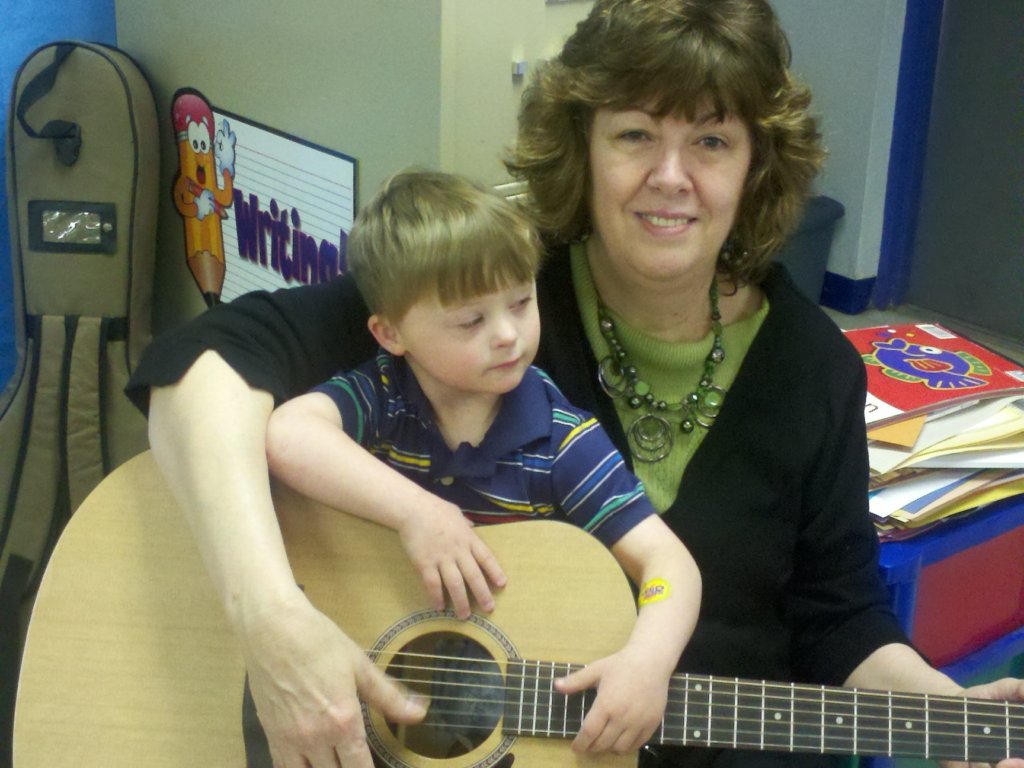
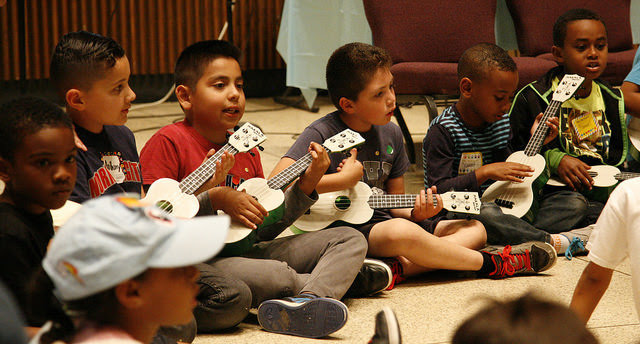
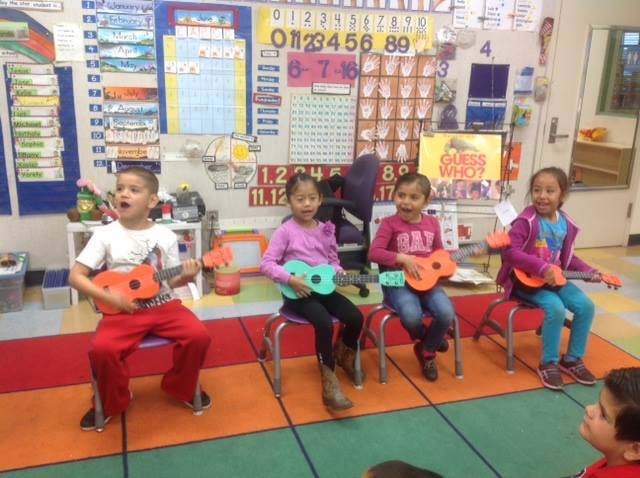
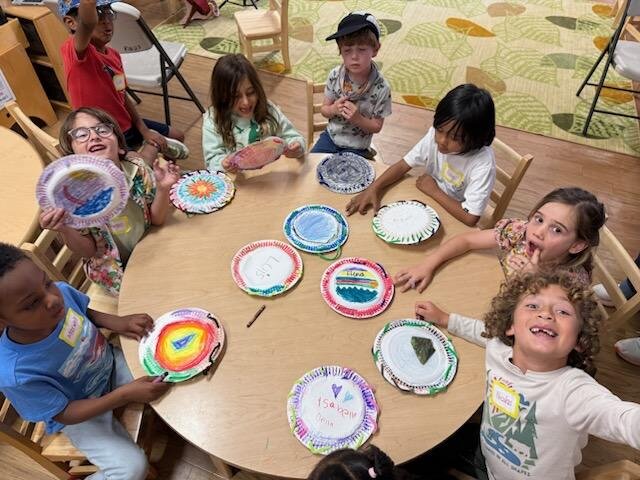
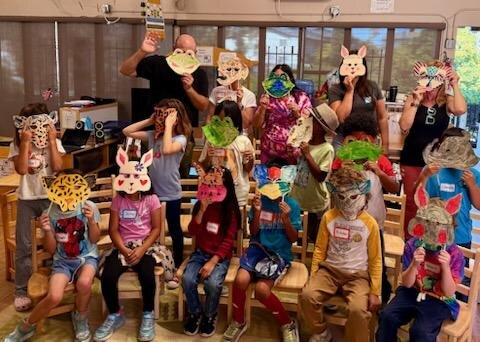
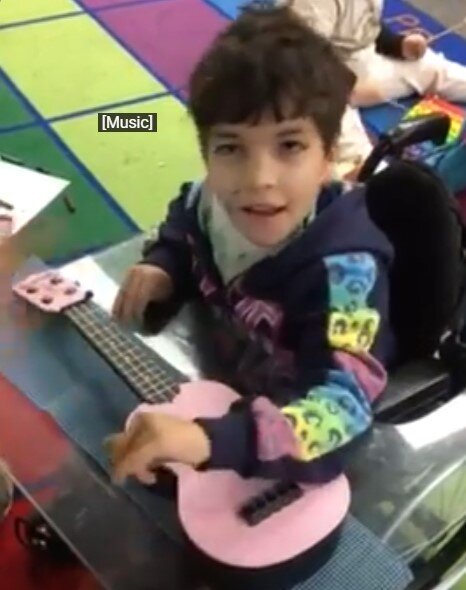
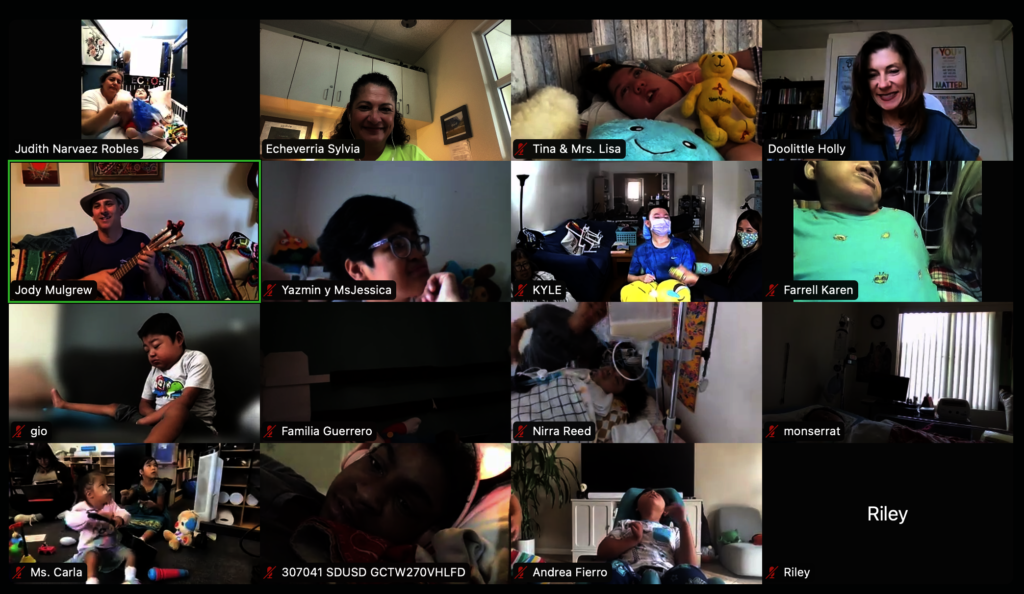
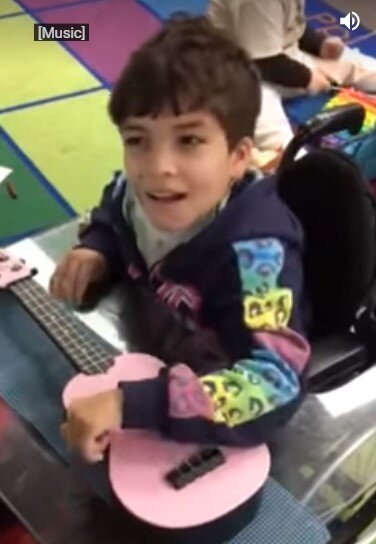
Adapting music and art-making so everyone has a meaningful and successful experience requires a big team approach.Thanks to the San Diego Unified School District, for the first time, we were given enough staffing from paraprofessionals, also known as PIFs (Personal Independence Facilitators) to provide 1 on 1 student support as needed, and whole group support in general. This has resulted in every child learning to sing, play, compose, create, and celebrate their self-expression through music and the arts. Here are a few photos from the club in City Heights where we are subcontractors with Camp Mariachi Victoria, a program of the City Heights Music School.
Do YOU see any children sitting out, or being left out? What we see is kids being kids in the best possible ways, all together.
Thank you for supporting our small team to continue training teachers in adaptive and inclusive techniques, and providing them and their students with the tools for being able to handle, hold, strum, and play musical instruments. We hope you will continue championing this cause as we head into a school year filled with uncertainty at best, and deprivation at worst. No matter what, we are here for the long haul, waving the banner for every student to have access to learning in ways that work for them, especially through creativity and the arts. It will take this whole village to keep the work vital and growing and we are so grateful you are here!
With care and appreciation,
Jess
Links:
By Jessica Baron | Executive Director
By Jess Baron | Executive Director
Project reports on GlobalGiving are posted directly to globalgiving.org by Project Leaders as they are completed, generally every 3-4 months. To protect the integrity of these documents, GlobalGiving does not alter them; therefore you may find some language or formatting issues.
If you donate to this project or have donated to this project, you can receive an email when this project posts a report. You can also subscribe for reports without donating.



Support this important cause by creating a personalized fundraising page.
Start a Fundraiser