By Todd Hardesty | Executive Director
How do you fight famine with farming when the land is flooded?
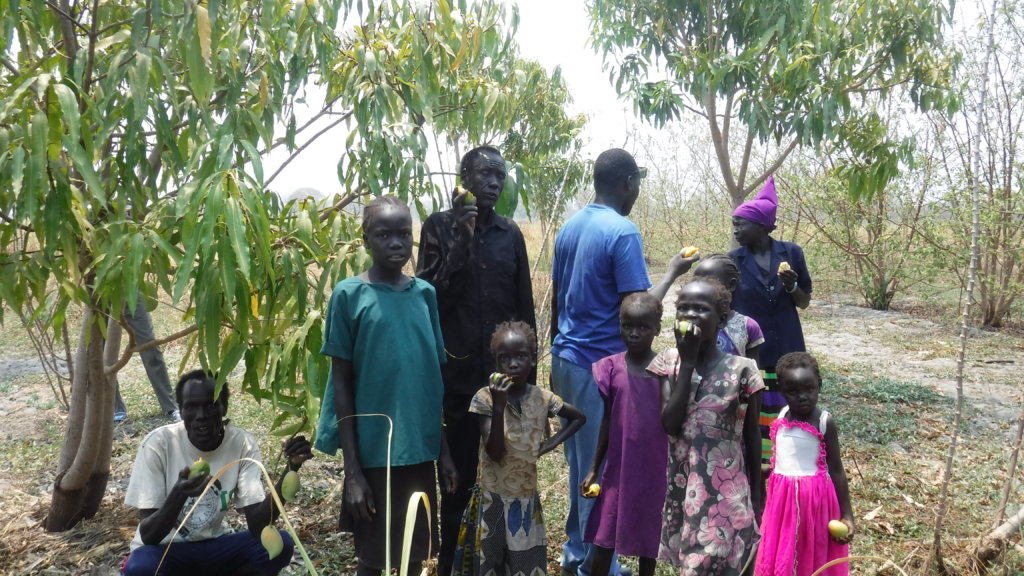
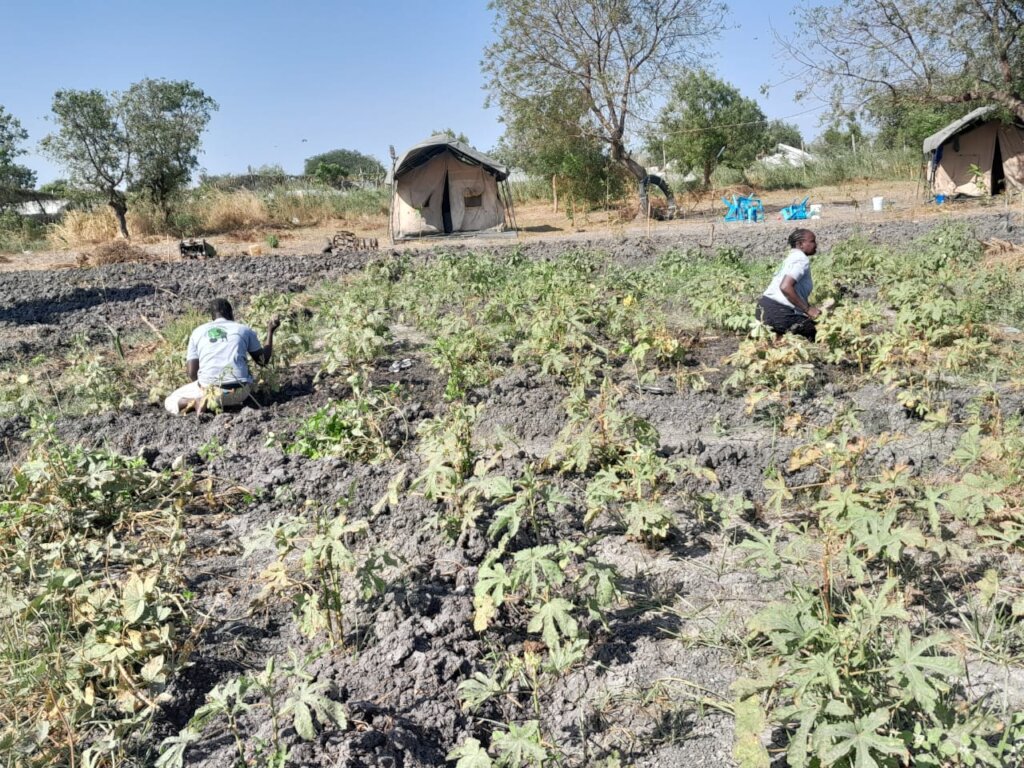
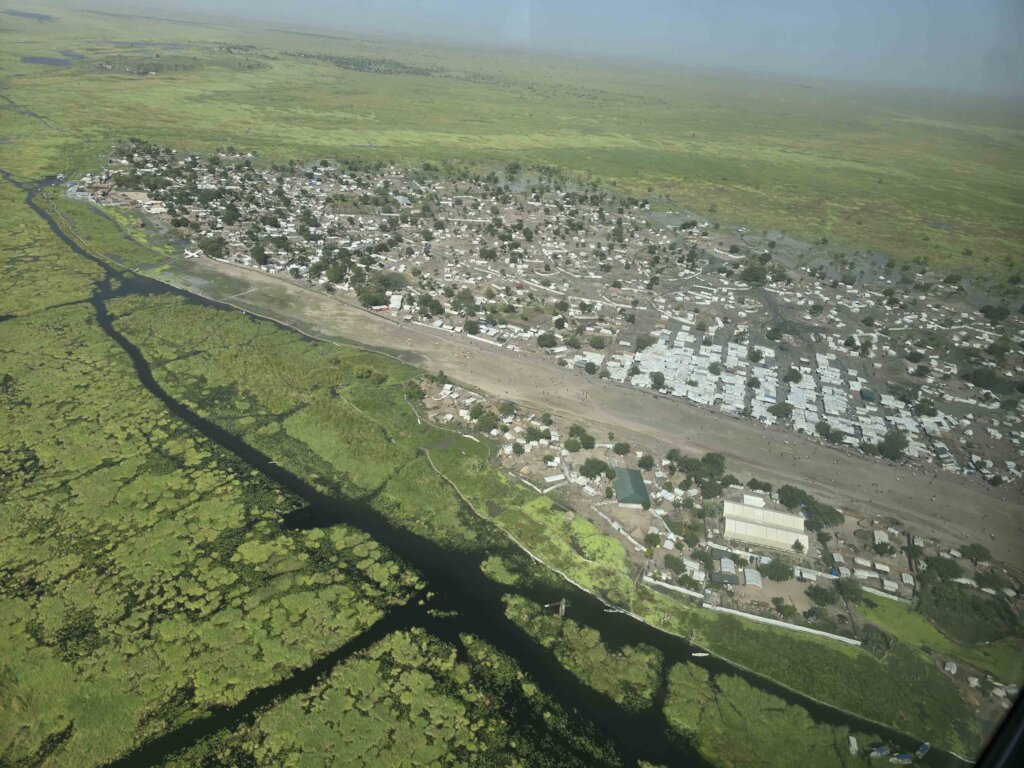
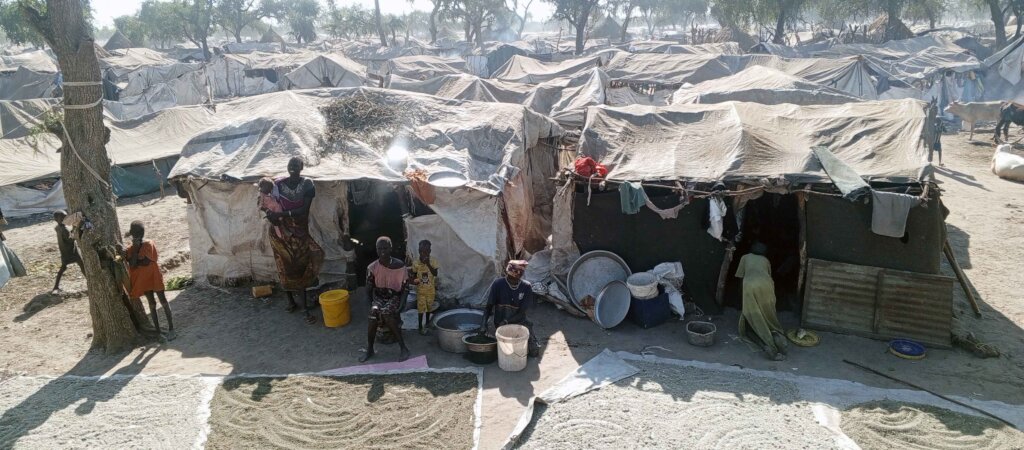
That's the question we face. In 2025 the floodwater from heavy rains forced thousands from their homes and now they are living as refugees. The quarters are cramped. Homes are made of sticks and tarps. One right next to the other. A few months ago, many farmers lived on homesteads where they could also grow vegetables and plant fruit trees. Most of those homesteads are now under water.
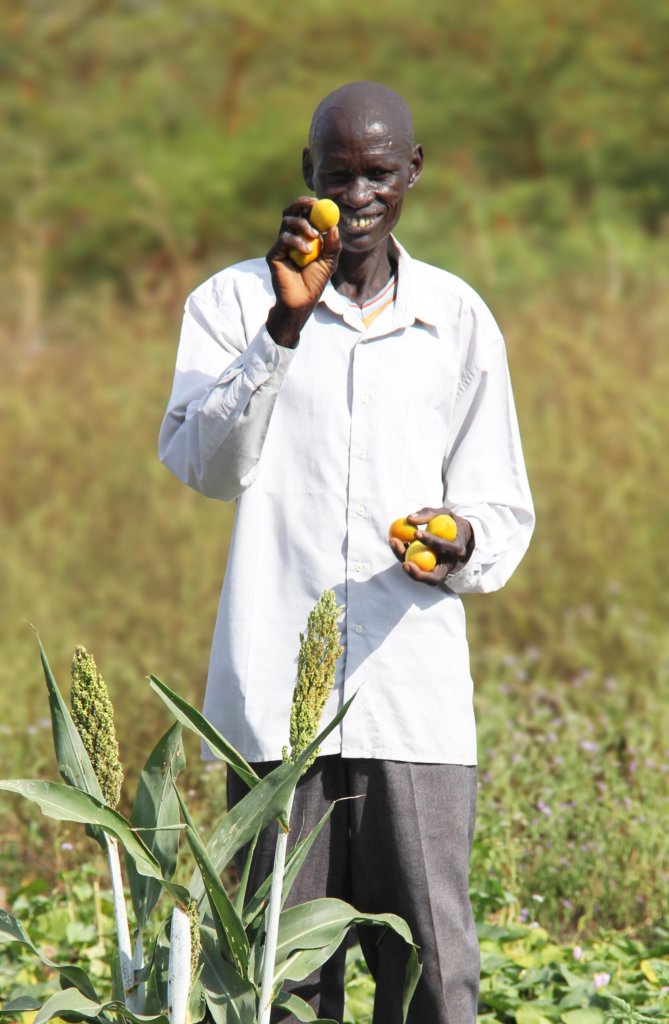
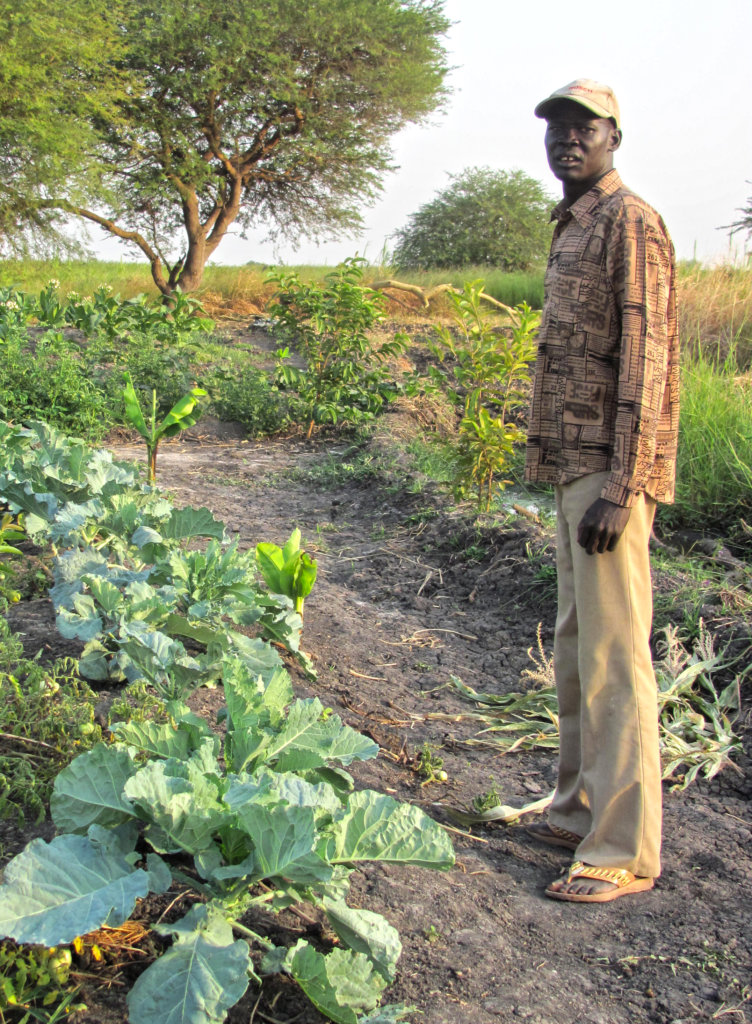
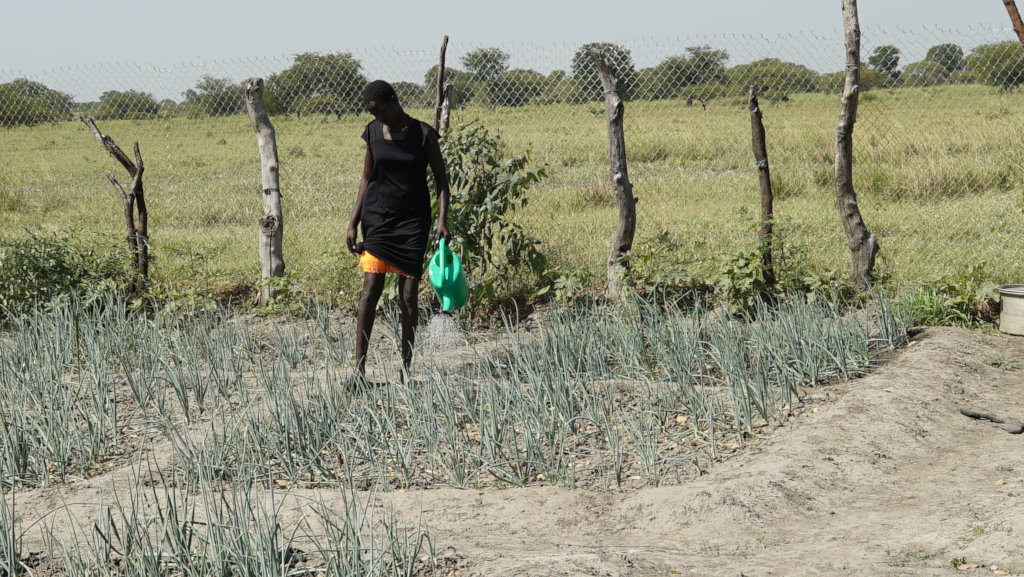
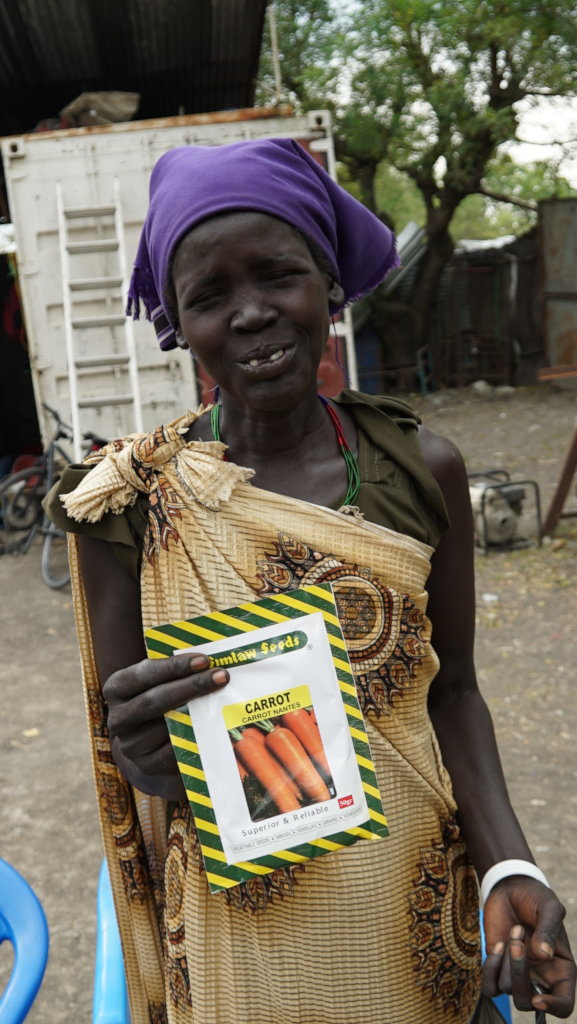
Our project, to fight famine with farming, faced a new question. What is the best way we can help people who have lost almost everything including their farmland? Would tiny gardens still help? The simple answer was “yes, let’s take a slight change in course but continue our program.” In December 2025 close to 600 households were identified as part of our assessments as eligible for our farming program. Each will receive vegetable seeds. Tomatoes, onions, Sukuma, melons, carrots and okra. We packaged the seeds in smaller units to reduce waste.
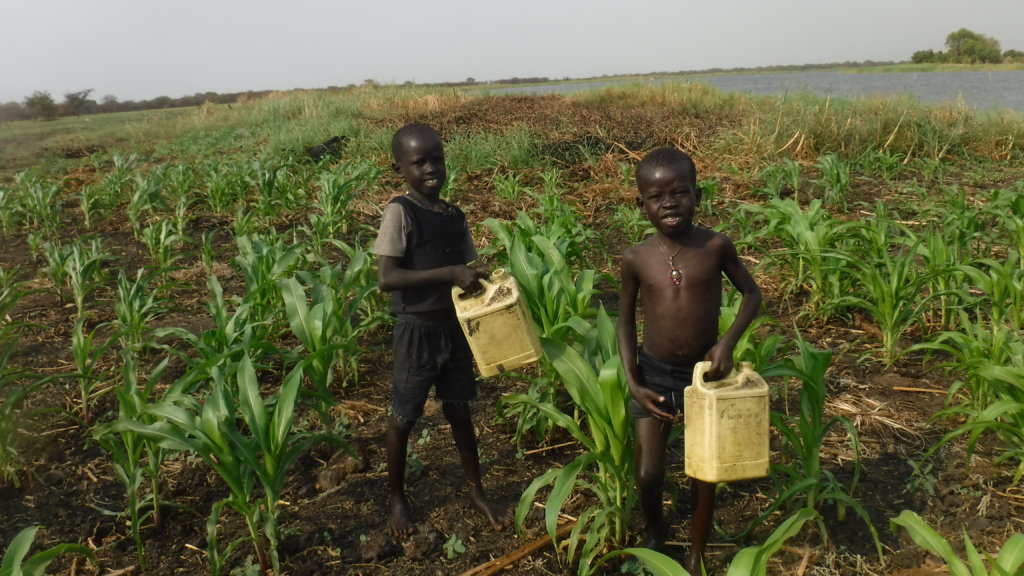
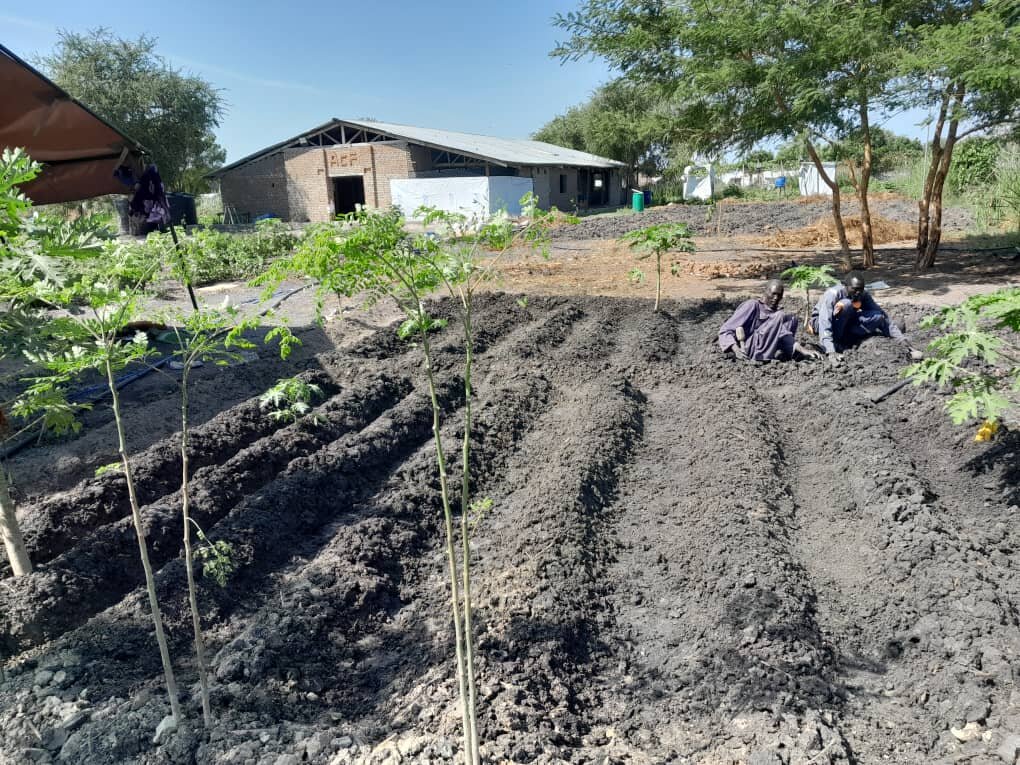
Our community garden in Paguir is also taking shape. The land is being cultivated with water provided by a nearby well. When it comes time to harvest, some of the fresh vegetables will be distributed to patients at the medical clinic in Paguir. Without food coming from the international aid organizations, the harvest from the community garden will be a needed supplement to people recovering from illness.
Rice farming is also taking center stage. The flooded land is perfect for growing rice. We are working with experienced rice farmers to create a training program. It’s our goal to begin planting soon after Christmas.
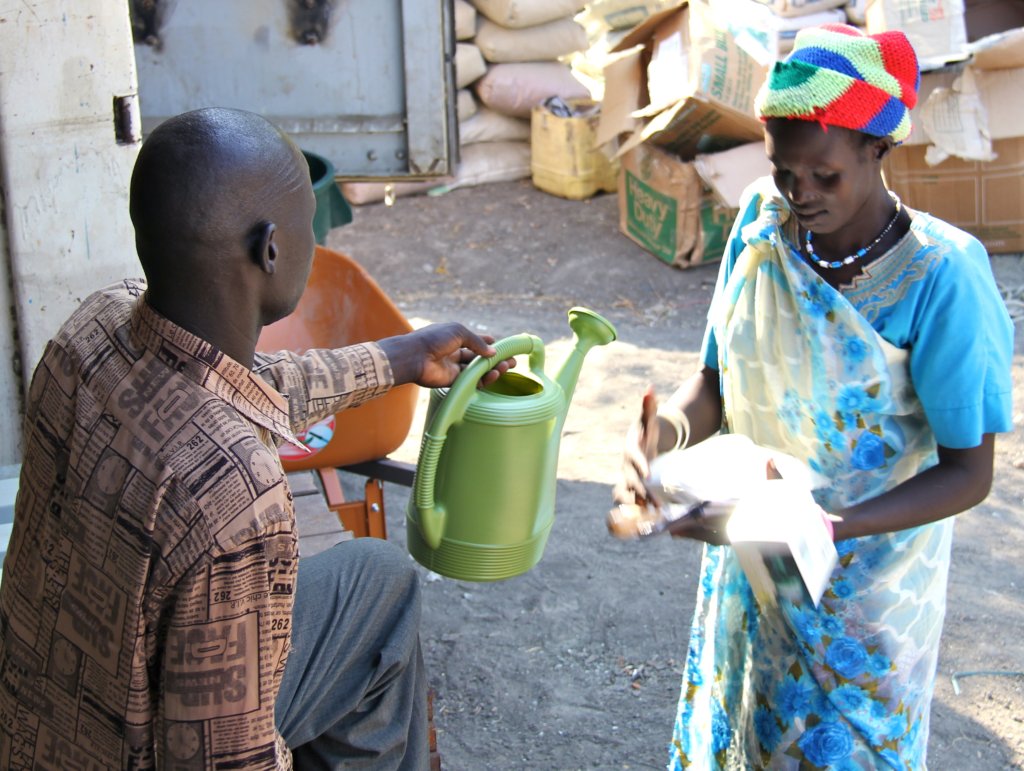
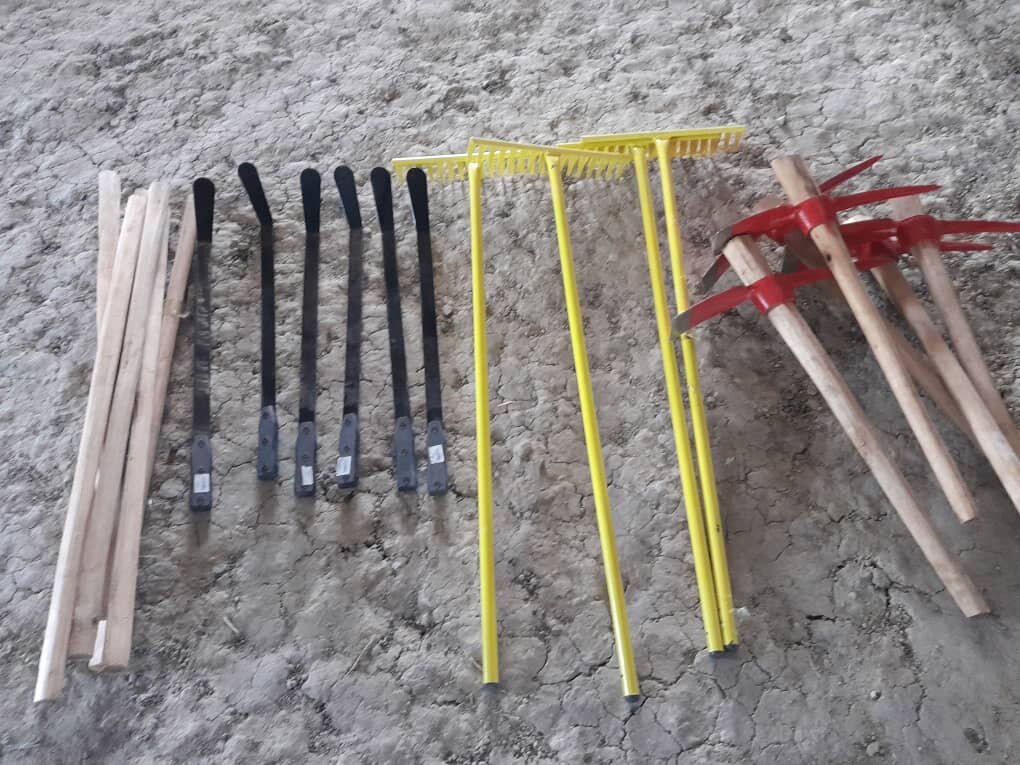
One current need is to purchase more tools. When their homes were flooded, most people only took what they could carry. The water rose too quickly and the picks and hoes were left behind. In January, with your help, we will purchase and transport an assortment of small tools to help our farming households. In a way it feels like starting over. But the goal hasn’t changed. We believe that the best way to fight famine is to teach people how to grow their own food.
Thanks for all your support. You have helped so many people grow their own food and feed their families. The project is working!
Links:
Project reports on GlobalGiving are posted directly to globalgiving.org by Project Leaders as they are completed, generally every 3-4 months. To protect the integrity of these documents, GlobalGiving does not alter them; therefore you may find some language or formatting issues.
If you donate to this project or have donated to this project, you can receive an email when this project posts a report. You can also subscribe for reports without donating.



Support this important cause by creating a personalized fundraising page.
Start a Fundraiser