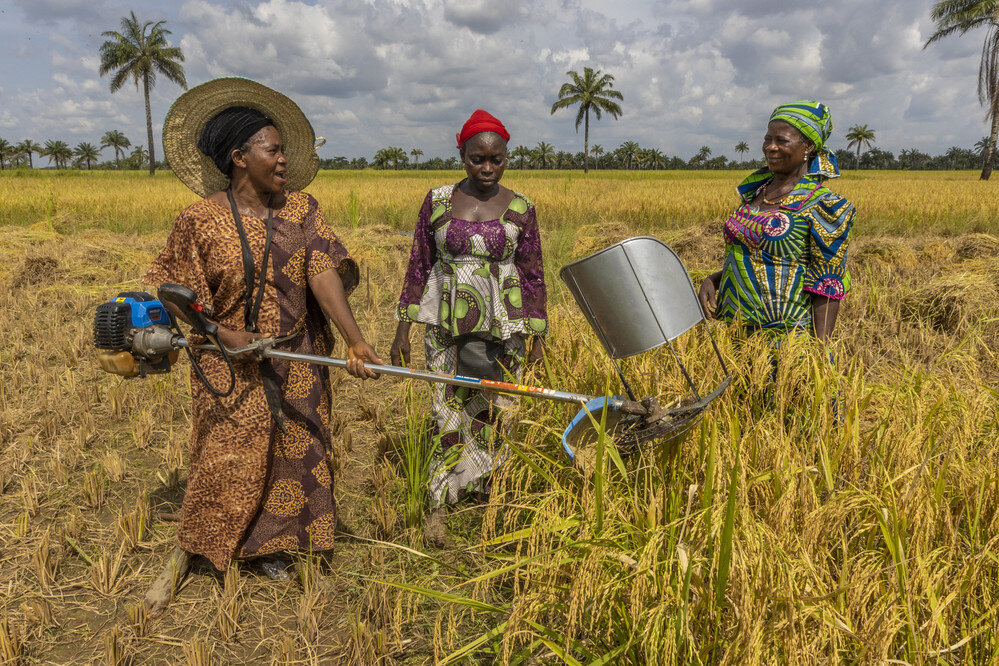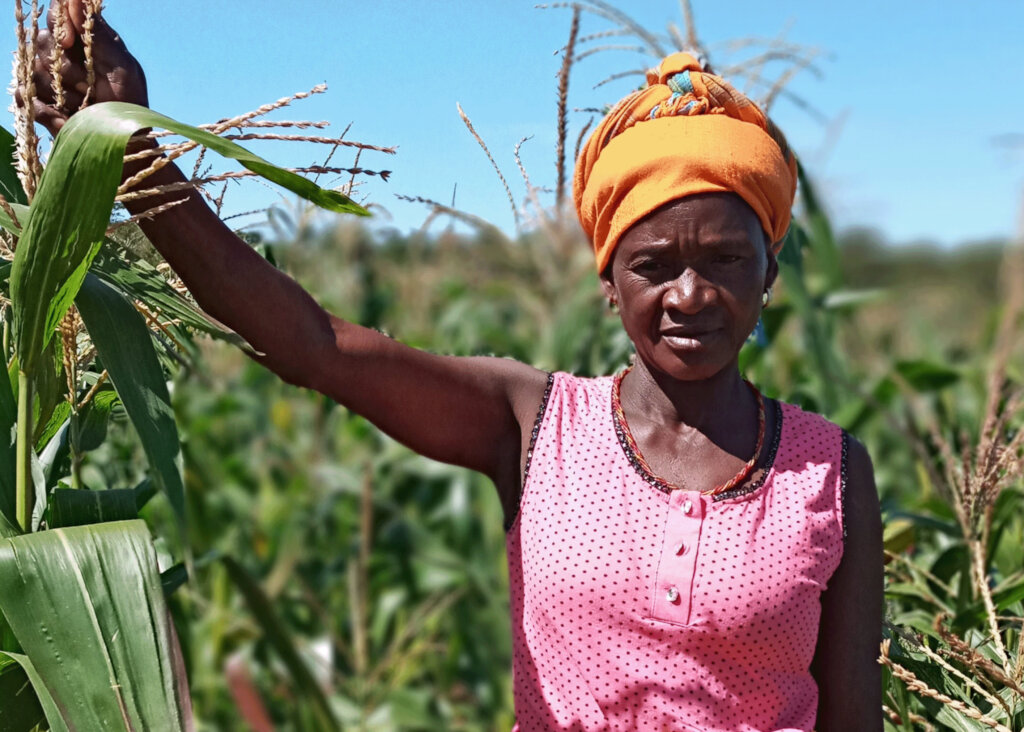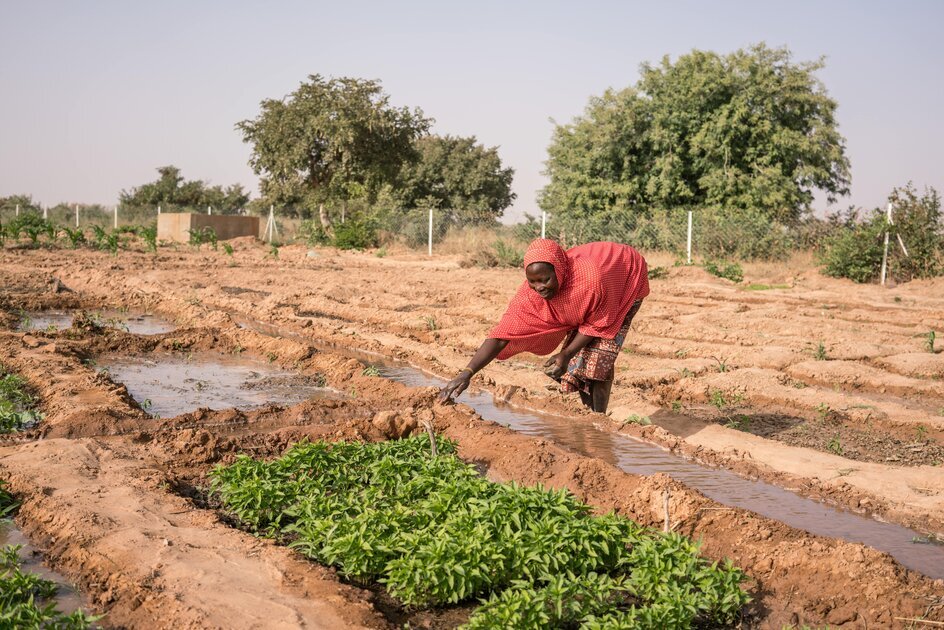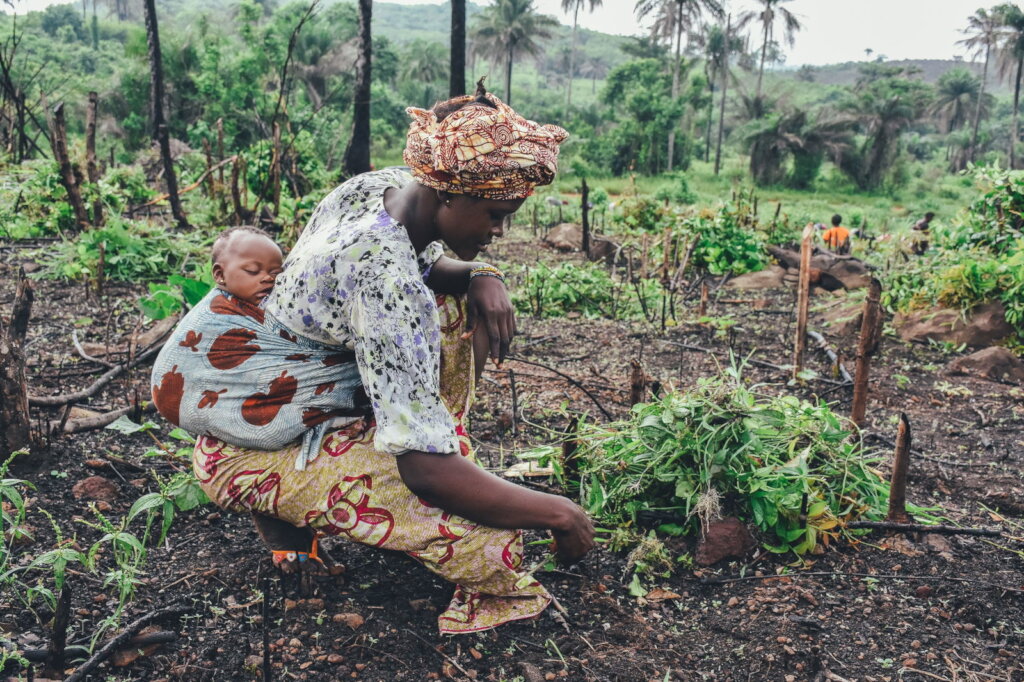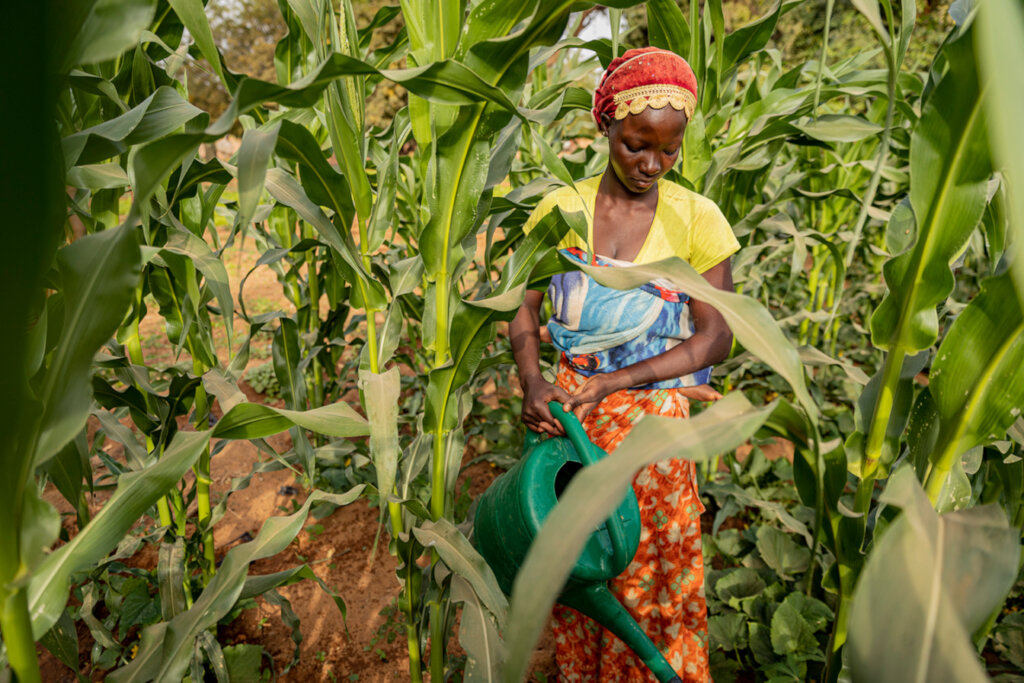
Food insecurity is increasing in South West Nigeria due to inflation, flooding, and declining farm productivity. This project by Equitable Medicaid and Clinical Research will provide food packs, improved seeds, and farming support to vulnerable families. We will focus on women, children, and low-income households. The project will also train families in small-scale farming, home gardening, and food preservation to ensure lasting food stability and nutrition.
Rising food prices and crop losses have made it difficult for families in South West Nigeria to afford nutritious meals. Many households skip meals or rely on poor-quality food. Flooding and unstable weather patterns have damaged farmlands, while unemployment limits income for food purchases. Without direct food aid and local farming support, hunger continues to affect children, widows, and low-income families across both rural and urban areas.
The project will provide essential food packs and vegetable seeds to struggling families. Farmers and households will be trained in small-scale vegetable and fruit production using home gardens. Basic storage and food preservation techniques will be taught to reduce waste. By supporting local food production and distribution, the project will reduce hunger, improve nutrition, and help families maintain stable access to healthy food year-round.
Through this project, hundreds of families will gain access to food and learn sustainable farming practices. Home gardens and small community farms will continue producing fresh vegetables and fruits beyond the project's duration. Over time, improved nutrition will lead to healthier families and reduced dependency on food aid. The project will build stronger, more self-reliant communities across South West Nigeria, promoting long-term food security.



Support this important cause by creating a personalized fundraising page.
Start a Fundraiser