By Thomas Hartig | Communication Officer
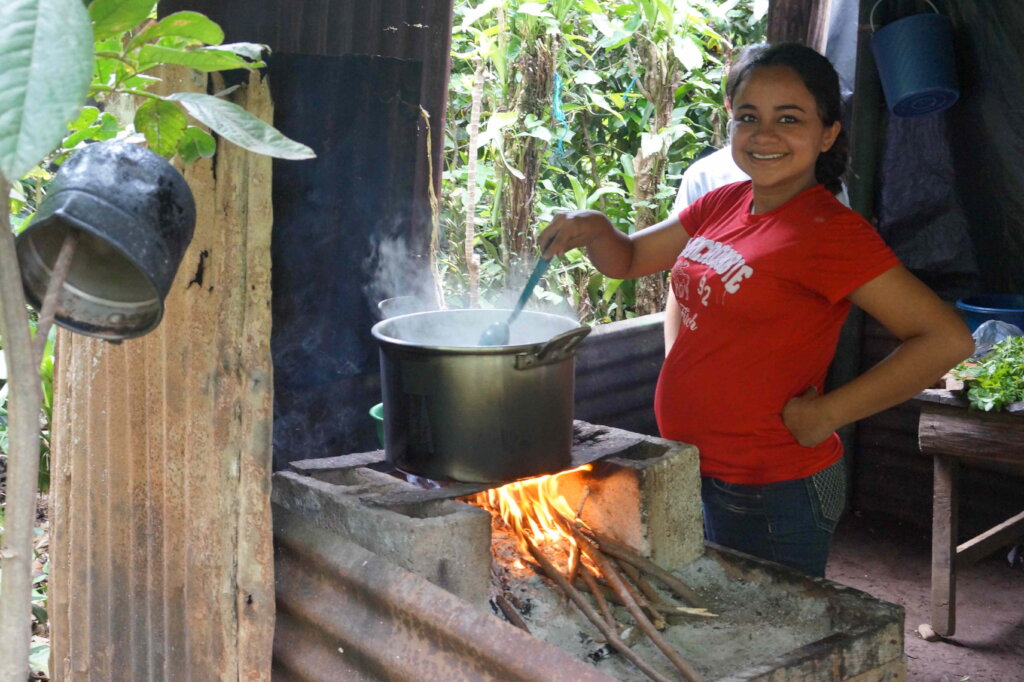
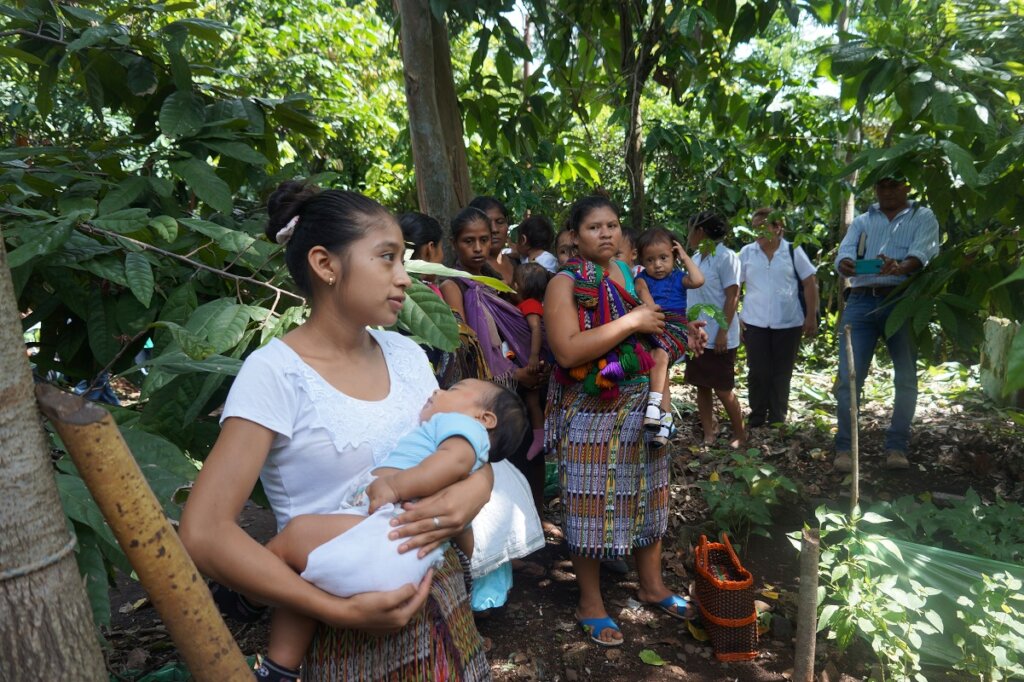
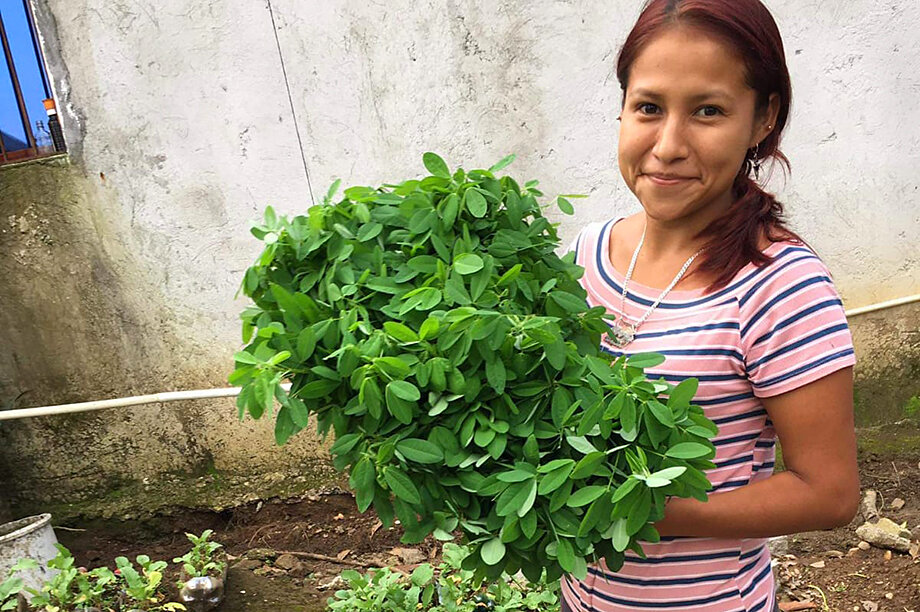
Guatemalan families in rural areas face many problems on a daily basis. Some of the most fundamental of these are poor nutrition and lack of reliable access to sufficient food. Seeds for a Future's Casa Granja Nutrition Program helps families learn to overcome these problems by raising their own food in backyard farms.
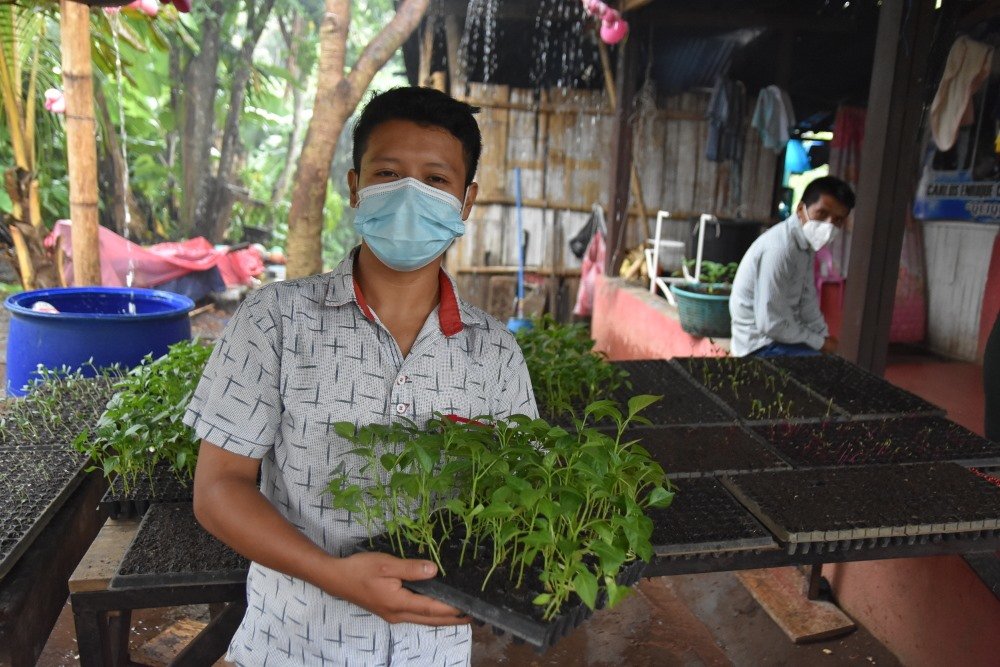
As we work to ensure that families in our program will have success, we are very lucky to have 3 university students working with us. Antonio, Fernando and Emanuel, all students at Guatemala's highly regarded San Carlos University, have been an important part of the Seeds Field Team. All 3 students come from nearby villages and knew of Seeds for a Future from previous collaborations and events at our demonstration centers and they have been very excited to share their learning in ways that will benefit their home communiities.
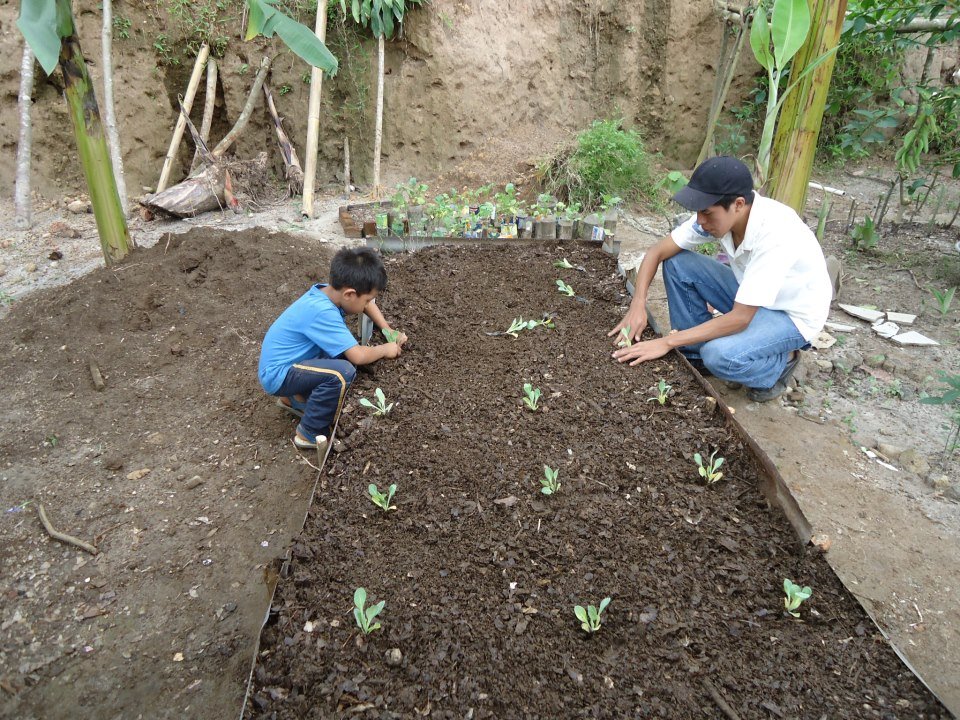
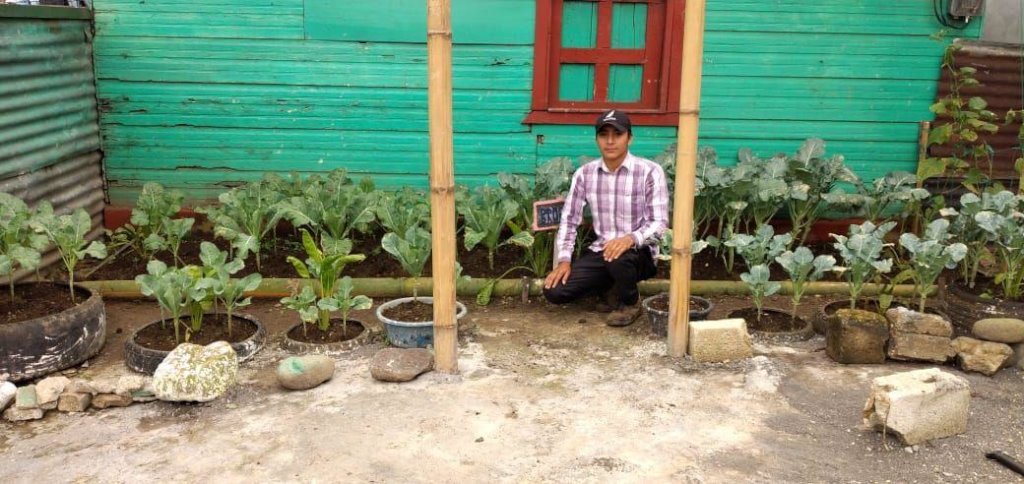
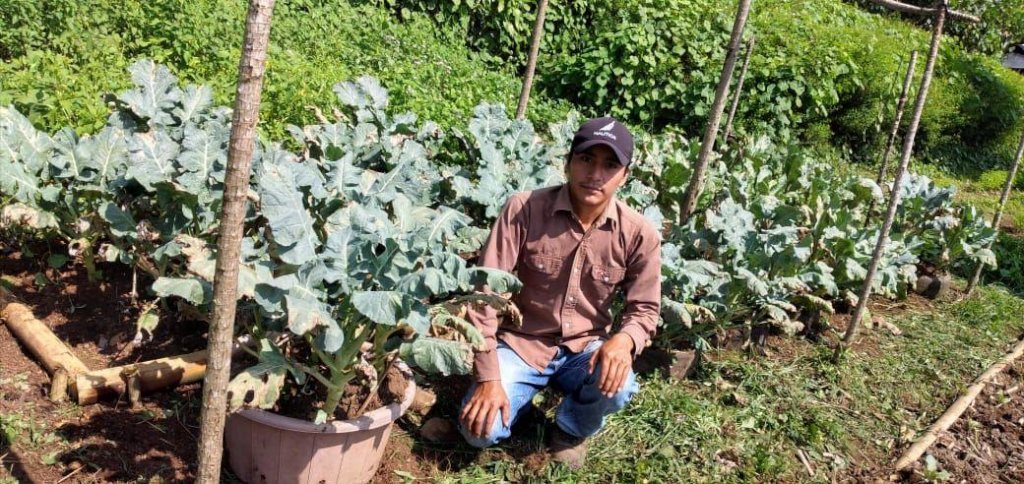
Antonio and Fernando, both in their final year of studies, will be with us through the completion of their Supervised Professional Exercise (EPS) in Tropical Agriculture Engineering in February, 2021. Antonio's field research is “Evaluation of broccoli and cauliflower production when grown in containers vs. in raised rows.” The objective is to determine which method yields the best results for quality and quantity of production. Results are still pending as both crops are in the growth stage.
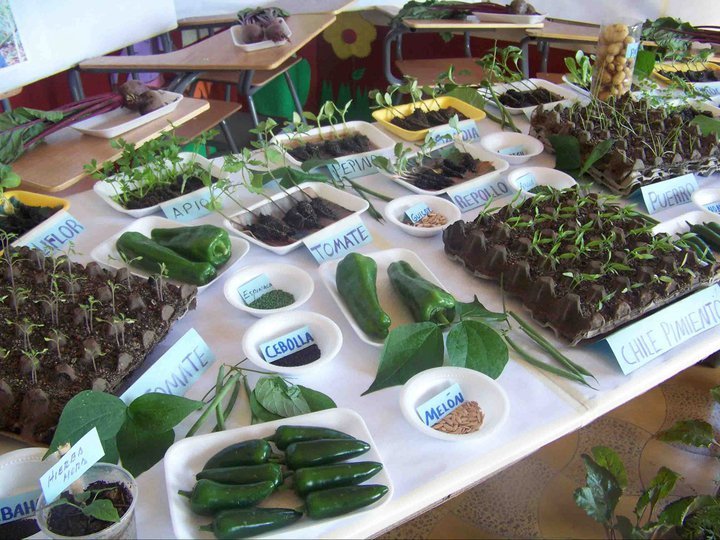
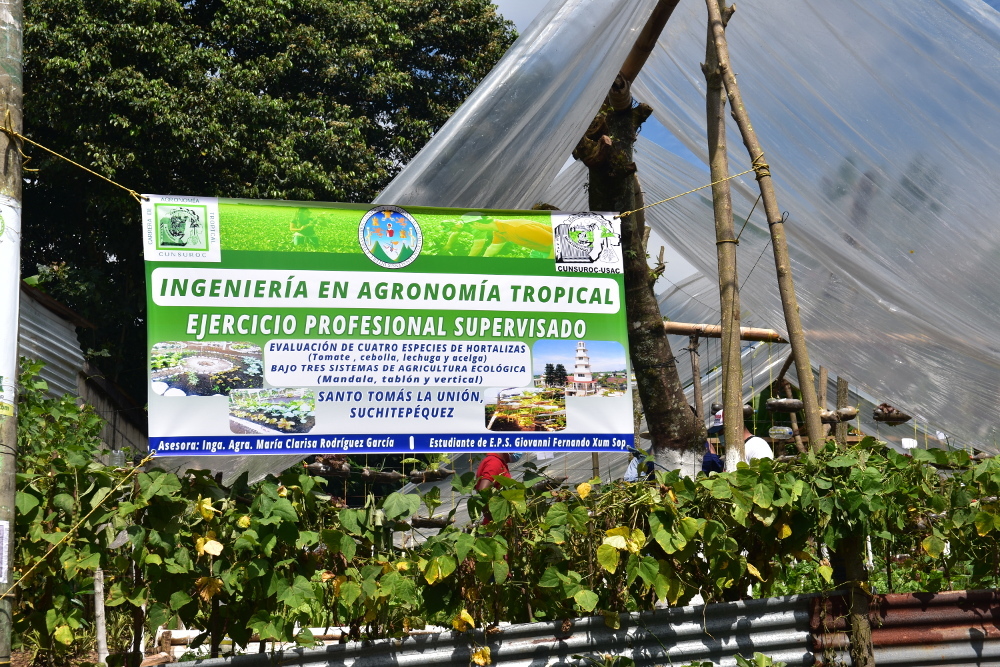
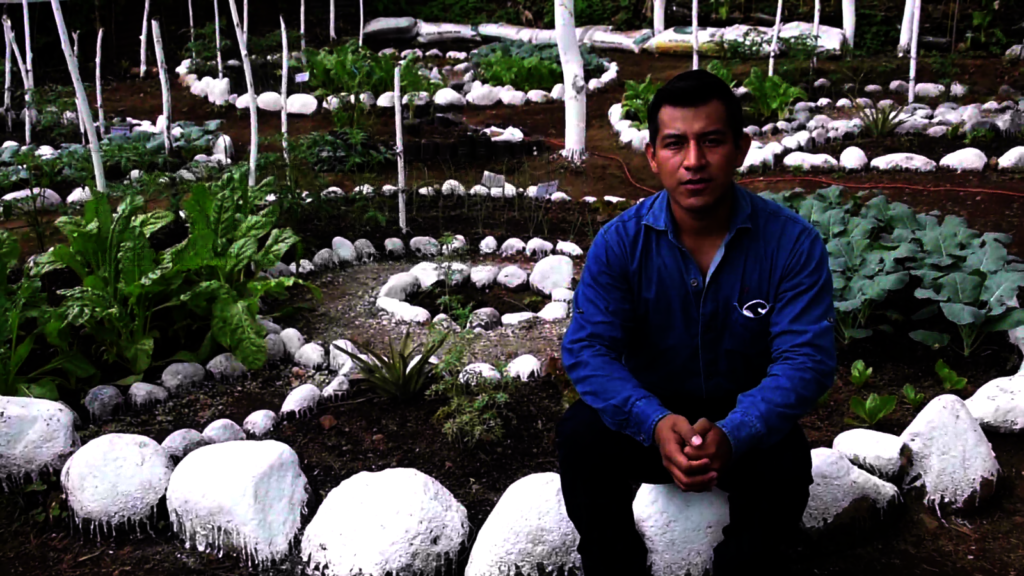
Fernando's EPS project investigates three eco-agriculture systems: the mandala form, a vertical form (in hanging containers) and a raised-row form. His goal is to determine the adaptability and productivity of four vegetables, chard, lettuce, tomato and onions, under the three systems. Fernando's report will present detailed best-practices for each agriculture system for best quality and yield of the crops.
Emanuel just finished his Supervised Professional Practice (PPS) project, in which he tested the effects of 4 different growing mediums on chile seedlings. The four mixtures tested were earth with: coconut fiber compost, worm compost, organic compost, and locally available commercial fertilizer. Attributes measured were plant height, root weight, biomass and number of leaves. The mixture with worm compost proved best for the chile seedlings. Emanuel is staying on with Seeds for a Future to continue his investigations and will test these soil mixtures with other desirable and nutritious food plants.
Results of the students' projects will be incorporated into the Seeds Team's coaching, to help ensure the families will succeed in improving family nutrition and achieving better access to diverse and sufficient food.
To conclude this letter, we offer a message from Antonio:
"The time with Seeds for a Future has shaped part of my life, for which I am infinitely grateful. I want to highlight the importance of the hard work that has been carried out in Chocolá, through the Casa-Granja project, which has been of great help to the participating families and the community. I am grateful that my family, my parents and siblings are in good health. They have supported me morally, and sometimes, when they have been able, they have helped me financially. Most of us are people who help each other, since unity is strength! Thank you for your help!"
Links:
Project reports on GlobalGiving are posted directly to globalgiving.org by Project Leaders as they are completed, generally every 3-4 months. To protect the integrity of these documents, GlobalGiving does not alter them; therefore you may find some language or formatting issues.
If you donate to this project or have donated to this project, you can receive an email when this project posts a report. You can also subscribe for reports without donating.



Support this important cause by creating a personalized fundraising page.
Start a Fundraiser