By Sky LaBrot | Executive Director of Operations
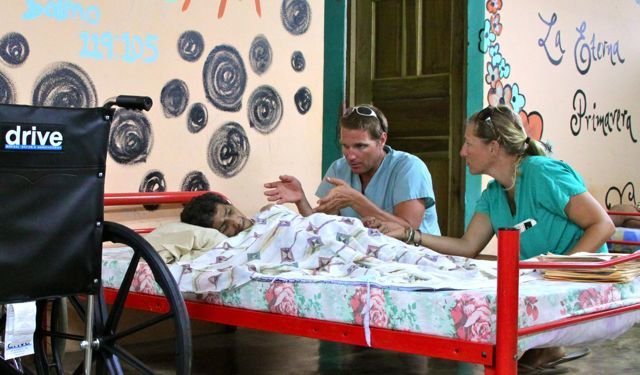
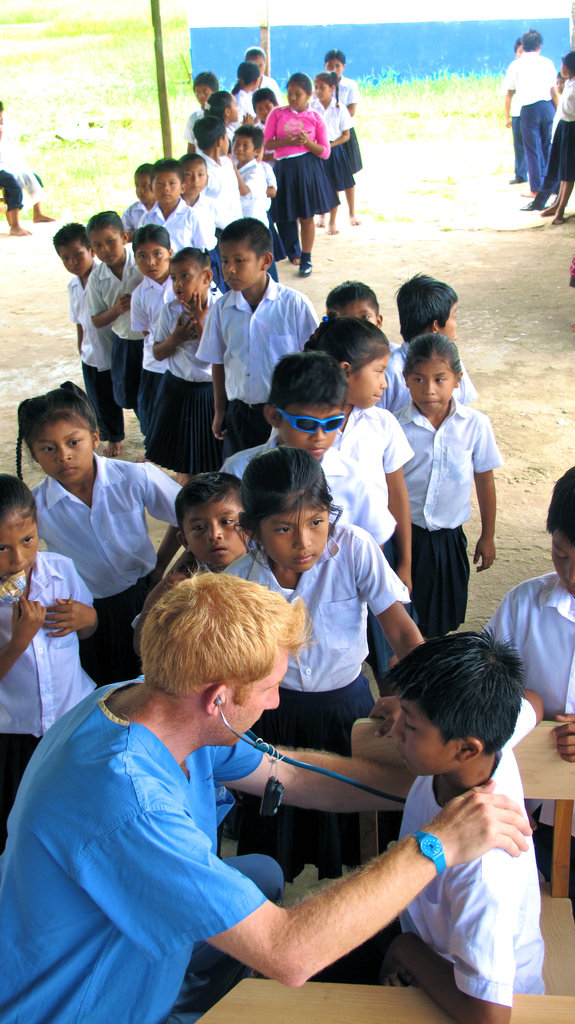
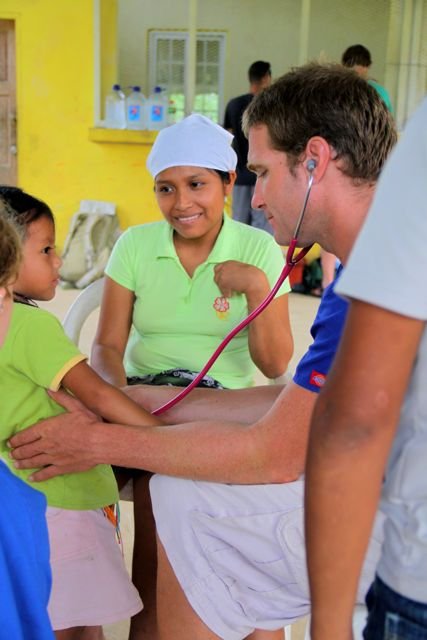
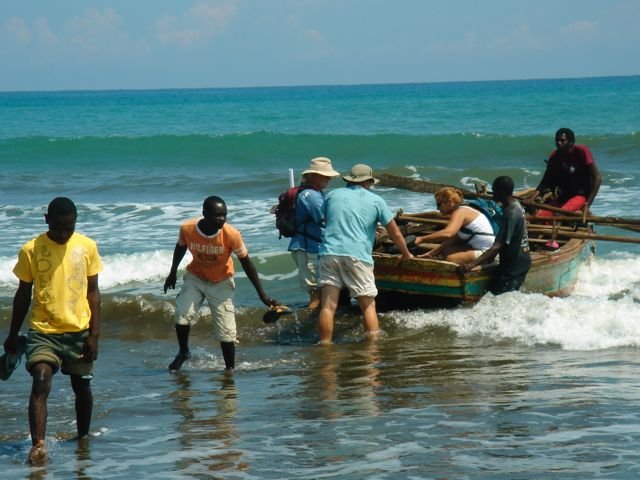
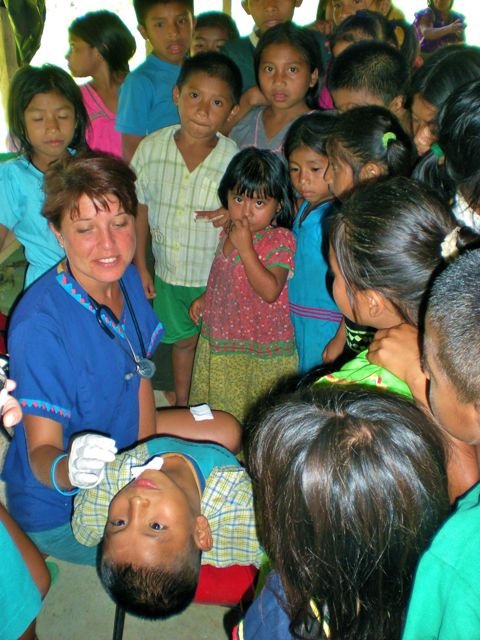
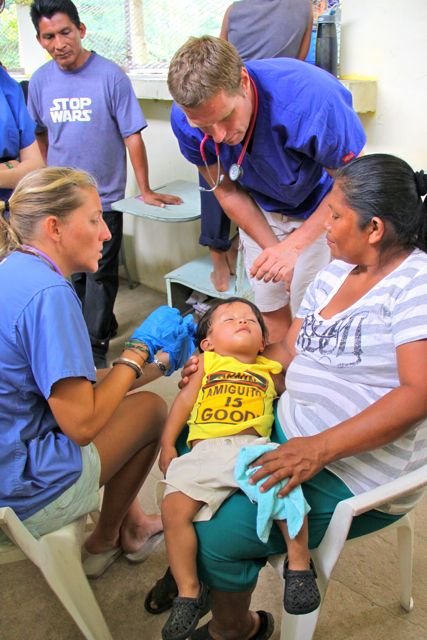
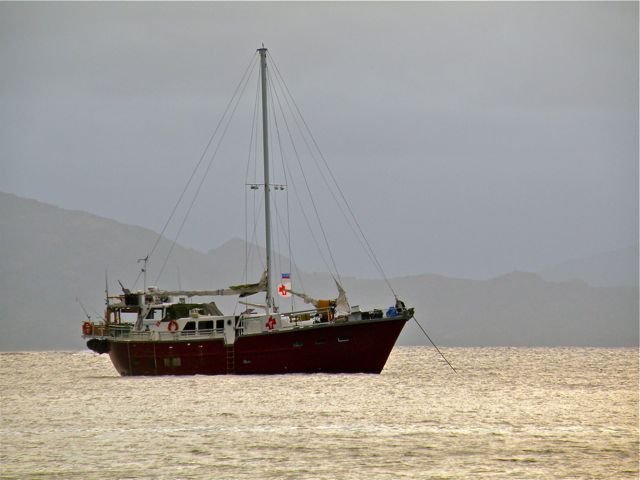
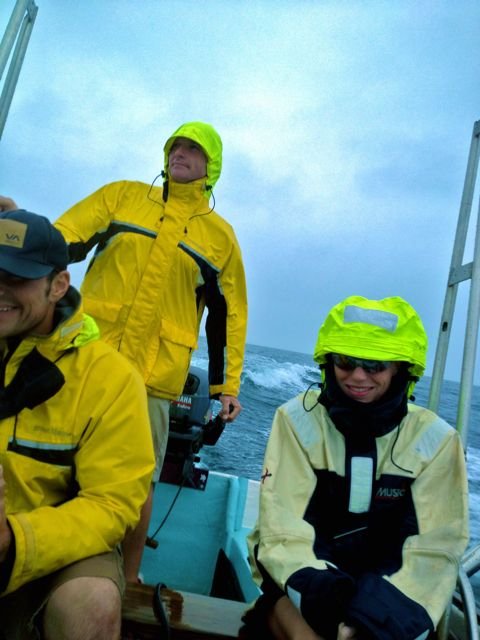
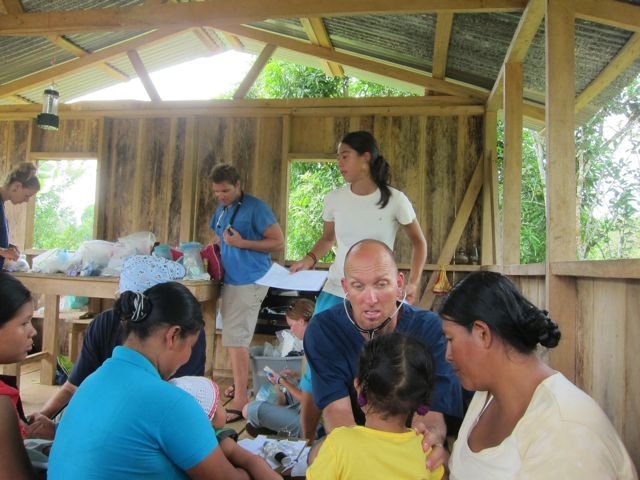
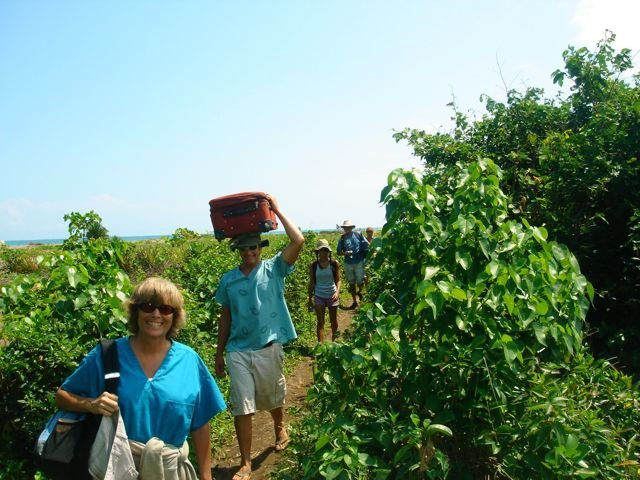
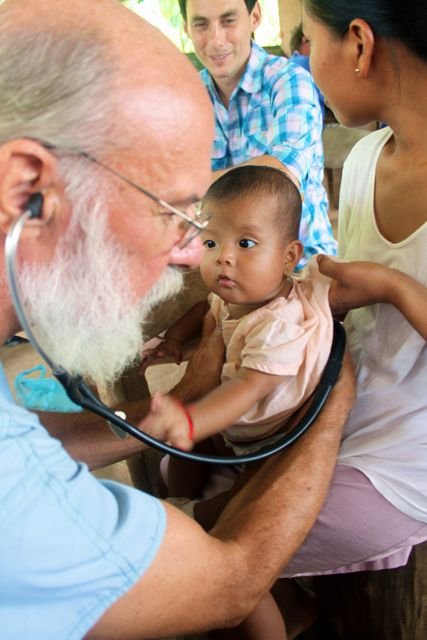
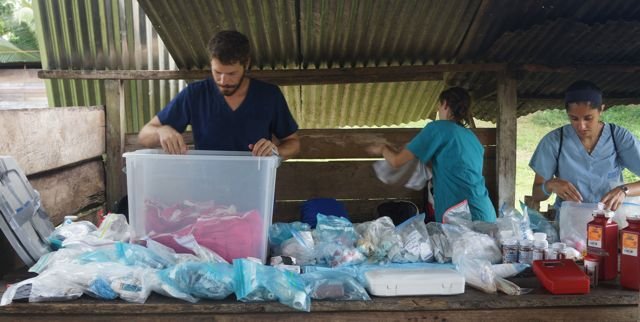
This summer has brought a large amount of volunteer support to the Floating Doctors and the communities that we serve. Monthly we have been hosting over 29 volunteers that include doctors, nurses, students, and visiting specialized groups. We have been visiting multiple communities daily by distributing our volunteers all over the archipelago and coastal mainland and have been able to see hundreds of patients each month!
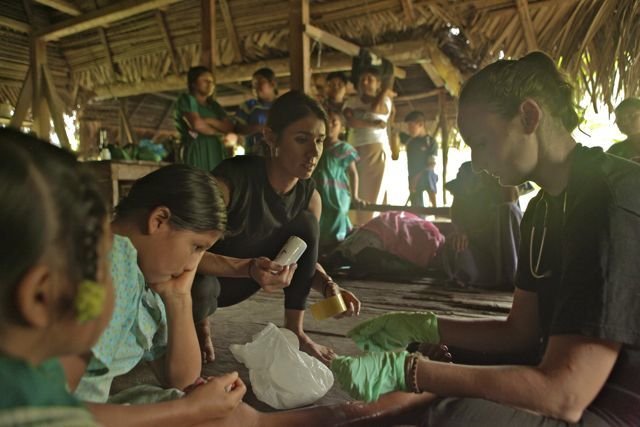
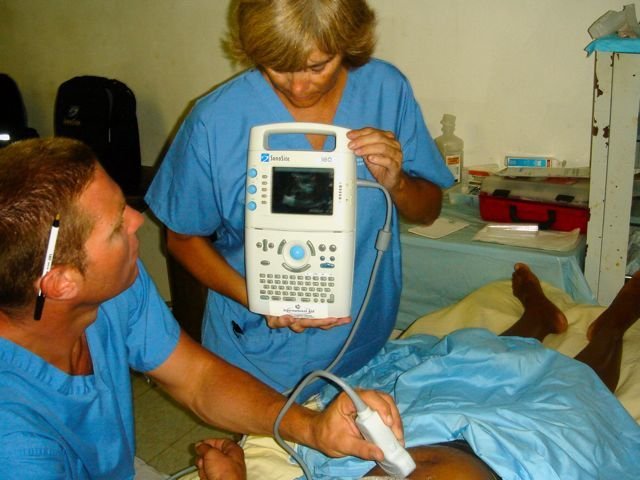
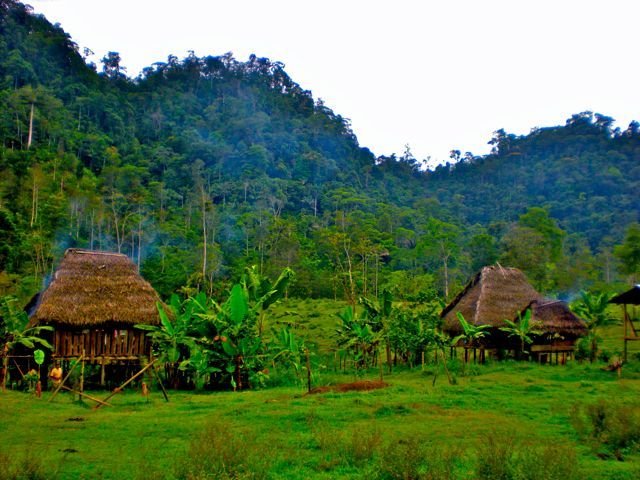
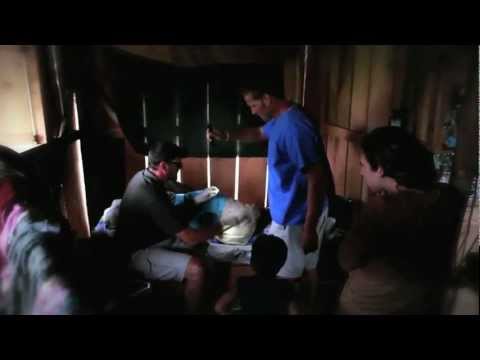
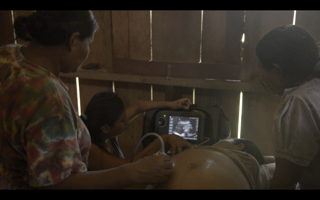
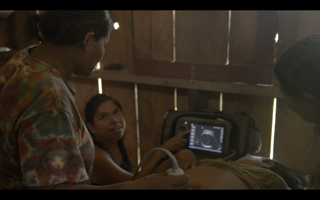
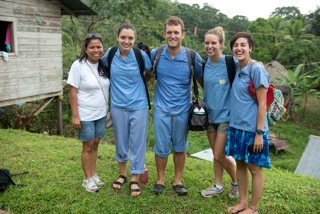
To continue and further advance our health education proram we were happy to collaborate with a group of medical students from the University of California Irvine (UCI) throughout June and July. The nine UCI students received training in pregnancy ultrasound techniques through-out their school year in preparation for this project. They came to Panama with two objectives. The first was to find incidence of placenta previa and breech births. The second was to teach the parteras, the traditional midwives within the communities, how to find these conditions. The group facilitated clinics and trainings with the goal of preventing complicated births, which are often life threatening in these rural villages. When the group entered a community, they recruited all of the pregnant women to receive an ultrasound. The students worked side by side with the parteras to perform the examinations. After a multi-day clinic, one student reflected on her experience.
“There was one lady who had not felt her baby move for a few weeks. She was very worried there was something wrong with the baby. It was very rewarding to listen to the fetal heart with the ultrasound and see that everything was fine. She was relieved.”
This was just one of many examples that showed the importance and value of performing the ultrasounds in these rural villages. In another instance, a baby could not be detected. The overseeing doctor confirmed that there was no baby, but rather a molar pregnancy. This is a condition where the placenta overgrows and can be cancerous. As a result of the ultrasound findings, the doctor sent the patient for further evaluation at the nearest hospital.
Not only were the UCI students using the ultrasound machines to identify possible complications, but more importantly, they were teaching the local parteras how to use them. By combining traditional knowledge with modern day technology, the project introduced a sustainable way of identifying easily preventable conditions that would otherwise be fatal in these rural areas.
Links:
Project reports on GlobalGiving are posted directly to globalgiving.org by Project Leaders as they are completed, generally every 3-4 months. To protect the integrity of these documents, GlobalGiving does not alter them; therefore you may find some language or formatting issues.
If you donate to this project or have donated to this project, you can receive an email when this project posts a report. You can also subscribe for reports without donating.