By Dr. Ben La Brot | Medical Director
It is great that we are able to provide a regular ongoing health service to so many communities over such a large area, but it is not enough that we can, for example, treat the chronic diarrheal disease in a community in perpetuity. As soon as we can address a root cause, the resources tied up treating ongoing something like diarrheal disease can be freed up for other communities in need.
We need to leverage our unique position of years of experience successfully implementing interventions in this environment, and of our micro-level knowledge of each comunity--it's needs, issues, strengths, weaknesses, stakeholders, medical priorities, etc--and our unusual position of hard-earned trust with a normally elusive population to tackle the systemic issues we deal with acutely every day.
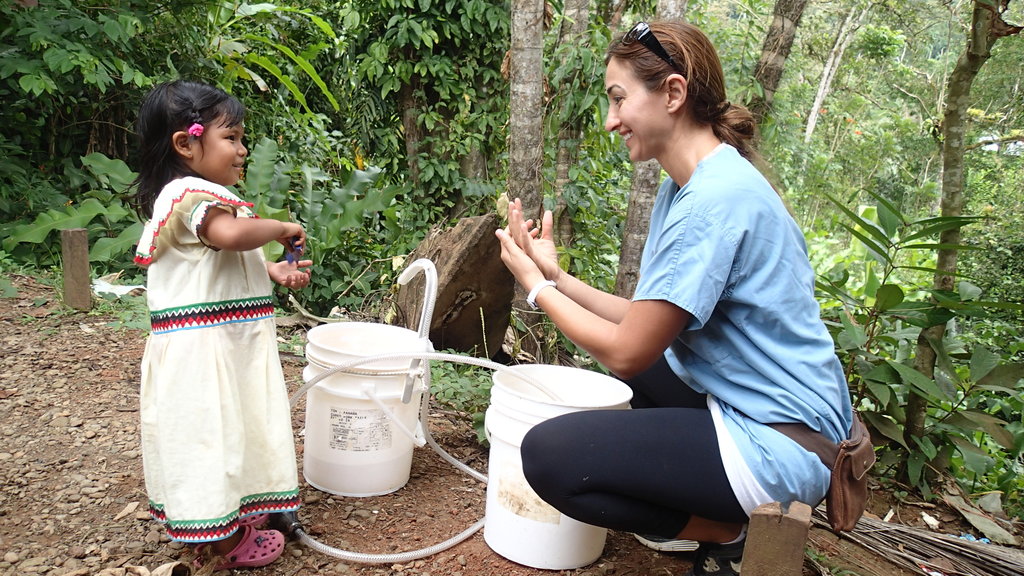
If diarrheal disease is a problem, is it because the well is contaminated? Maybe in this community the river is the primary water source instead, and has agricultural runoff. Do the wells in this community have high natural aresenic? Is handwashing not prevalent enough? Is there no access to soap? Did another NGO build a latrine upslope from the community water supply? We have to know the real cause--and ALL of the above causes have been identified as the major diarrheal causes in real communities in our network, and all require different approaches to sustainably address.
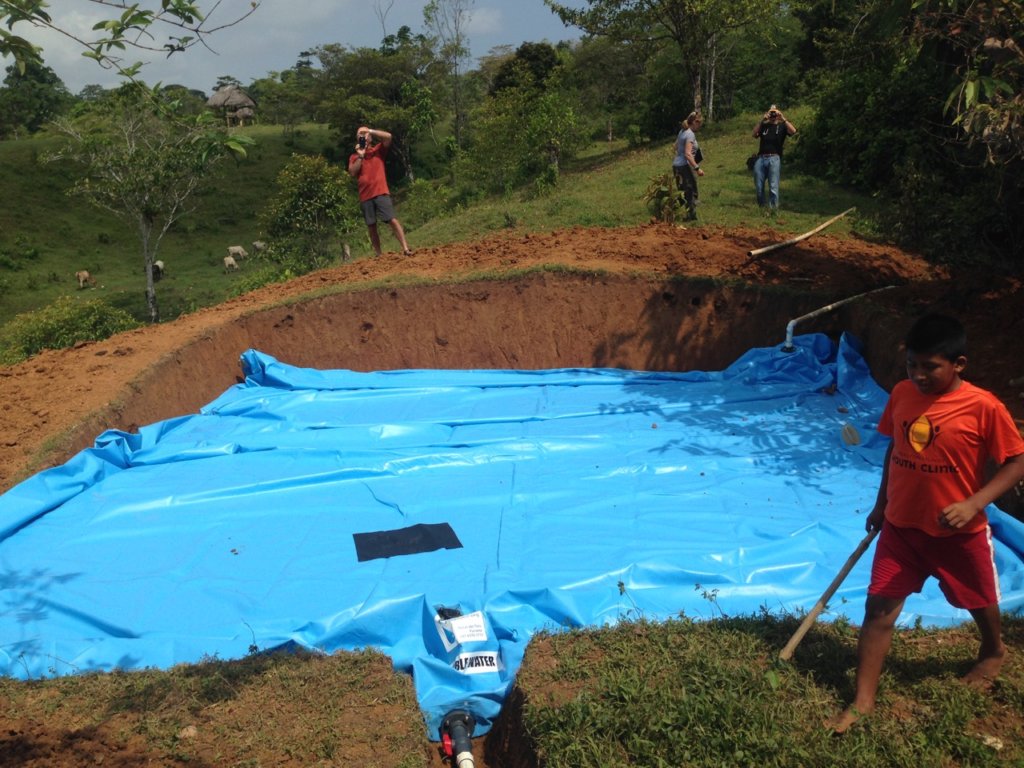
We do a lot of targeted projects: so far, we have partnered with other groups to build a rural birthng center for community midwives, done aqueduct and water storage projects in a number of communities, and library and education projects. But something needed very badly is actual ongoing acess to real, skilled health care that comes from here, not from an outside group like ours.
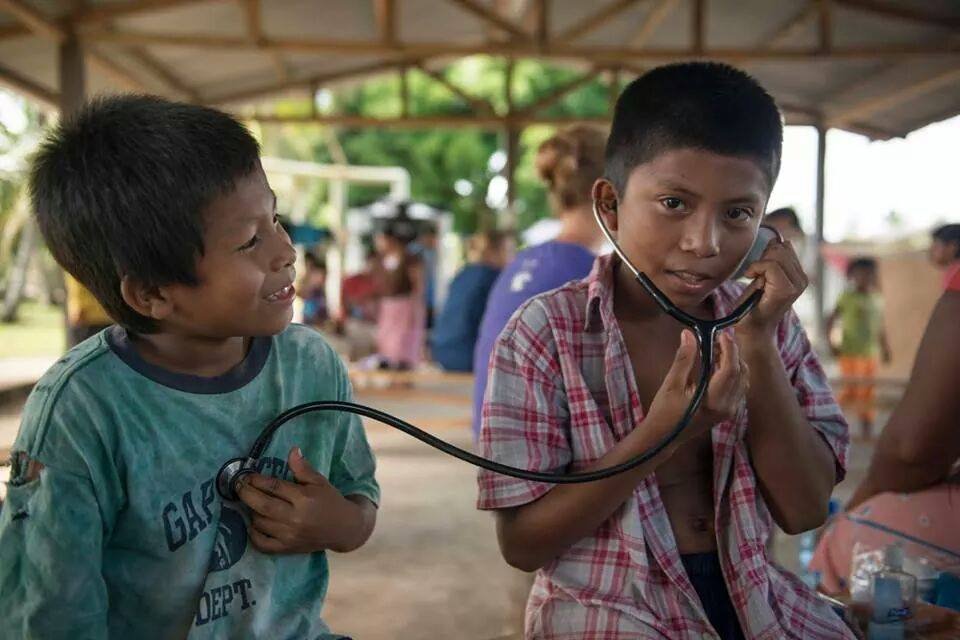
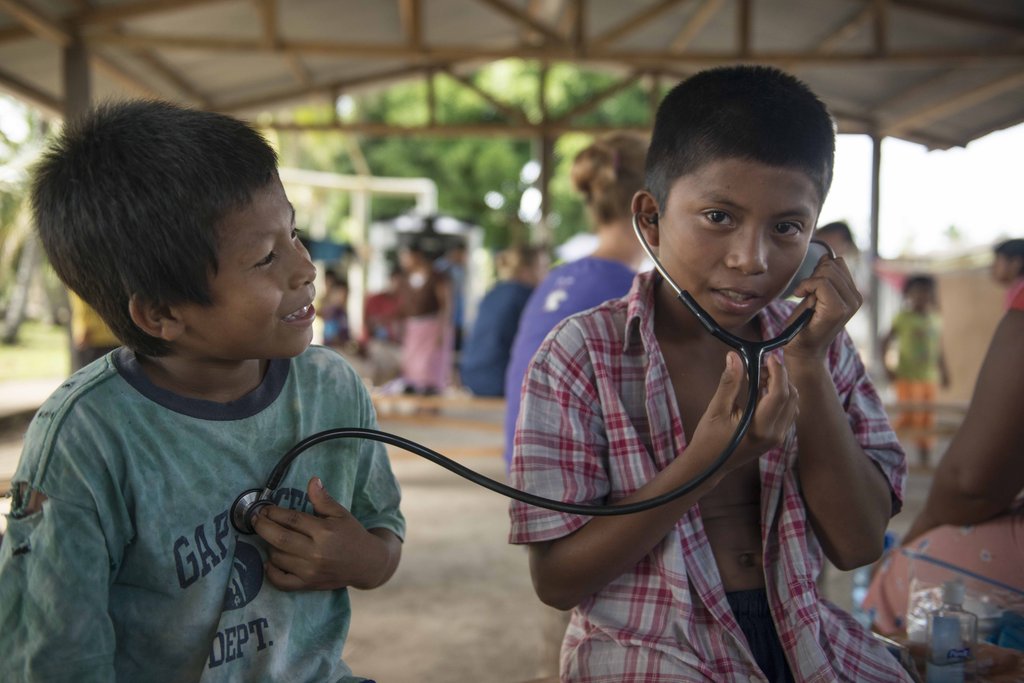
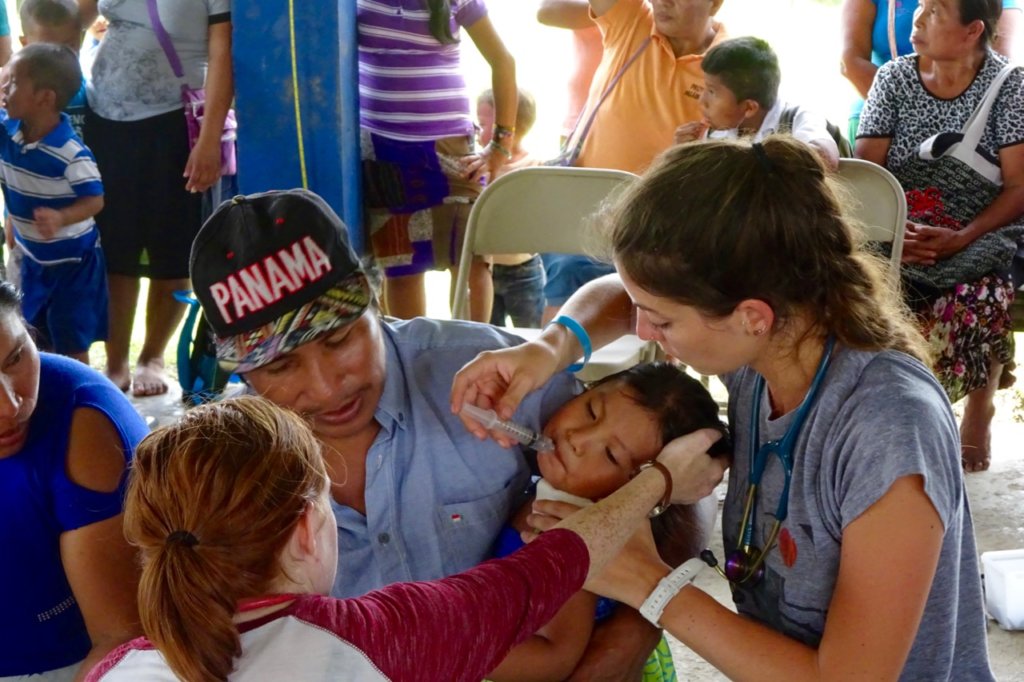
We do a lot of one-on-one health education and a lot of community education training to empower individuals to better protect their own health, but the villages do need real, trained medical capacity on-site all the time. When bad weather strikes, the poverty in these remote indigenous villages isn't even the most challenging factor in getting to help--you could be a millionaire and still be trapped by the stormy weather as you hemmorhage during a difficult birth at home. Someone in the communities needs to be trained on how to handle the kinds of things that come up all the time...and at the worst possible times.
Here's our thought process for what's needed to make real medical care locally availabe all the time without dependance on our presence:
1. We need to train Community Health Workers who have a high skill set
2. The training course specially must be tailored to the major health needs and most practical management strategies for these communities
3. We need a full-time dedicated team working on this monumental project for at least 2 years, and need to get that team at almost no cost
4. We need infrastructure to ensure more adequate health care until the first cohort of trainees are ready to assume the role
5. The trainees need months of regular access to 'apprenticeship' opportunities with medical providers to develop the skill set we view as safe and approrpiate to manage.
6. The program needs Ministry of Health ceritifcation and support for the trainees when they become functional
So here's what we are doing:
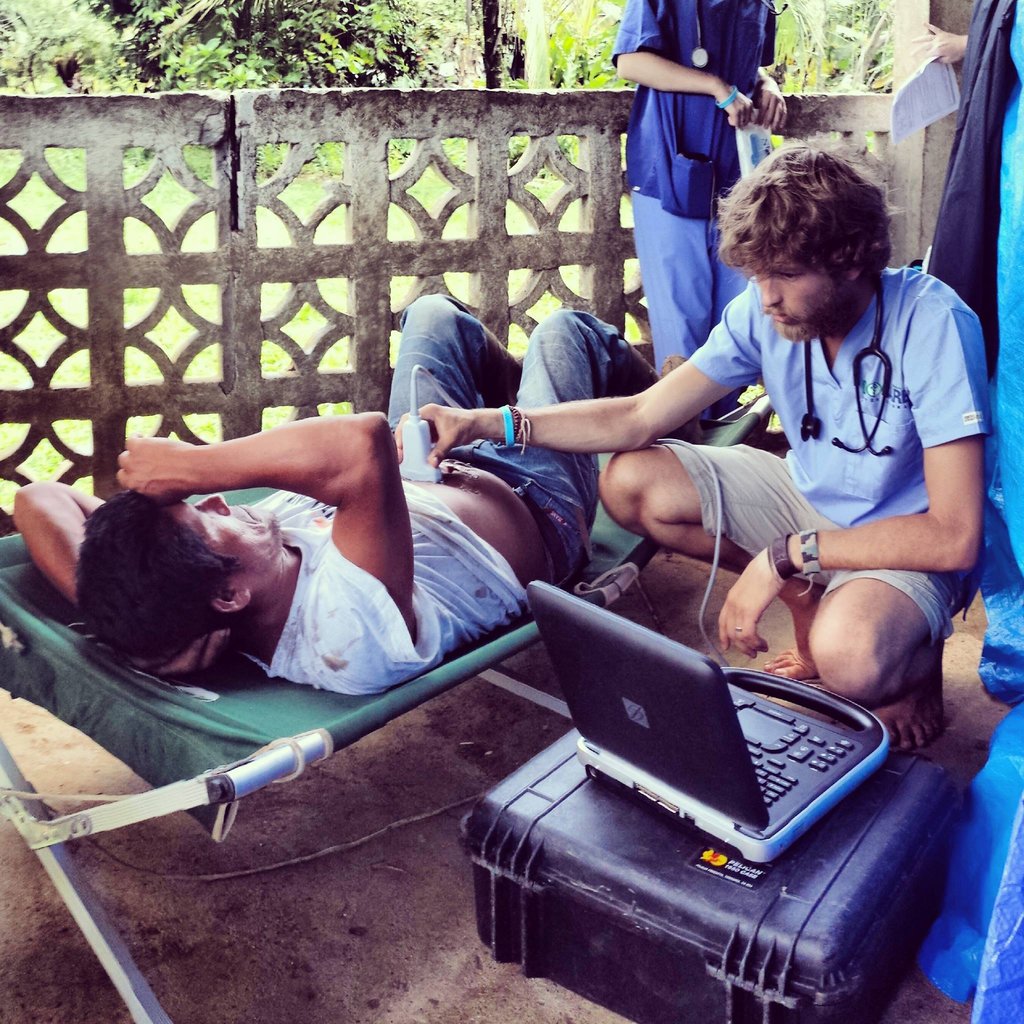
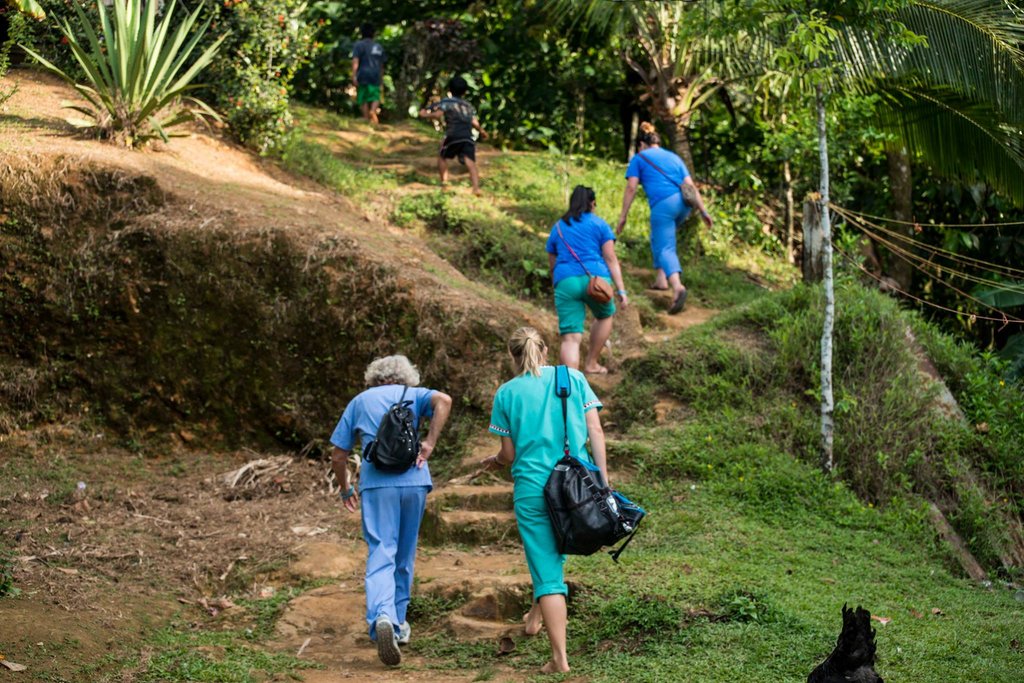
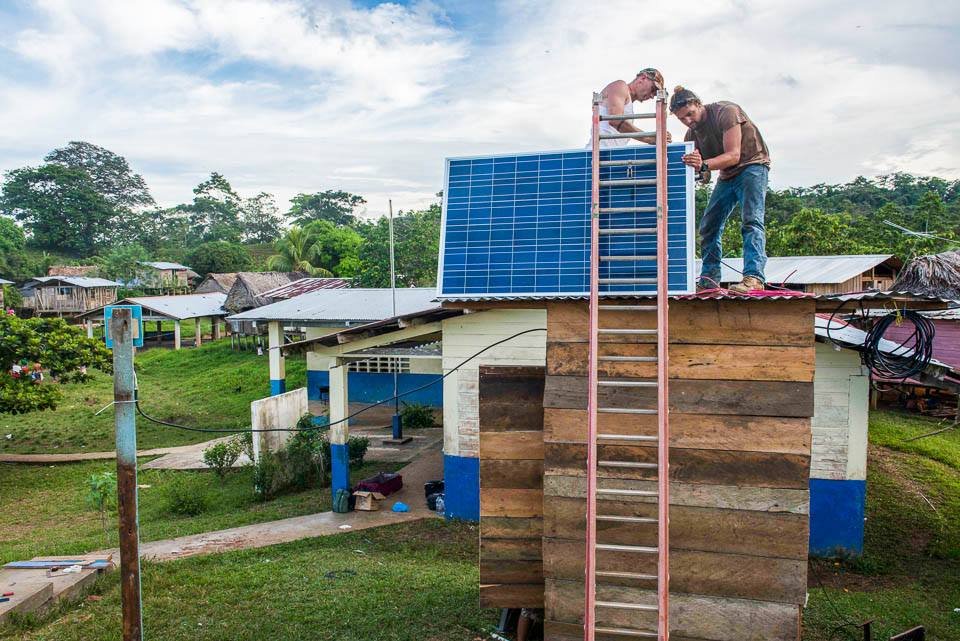
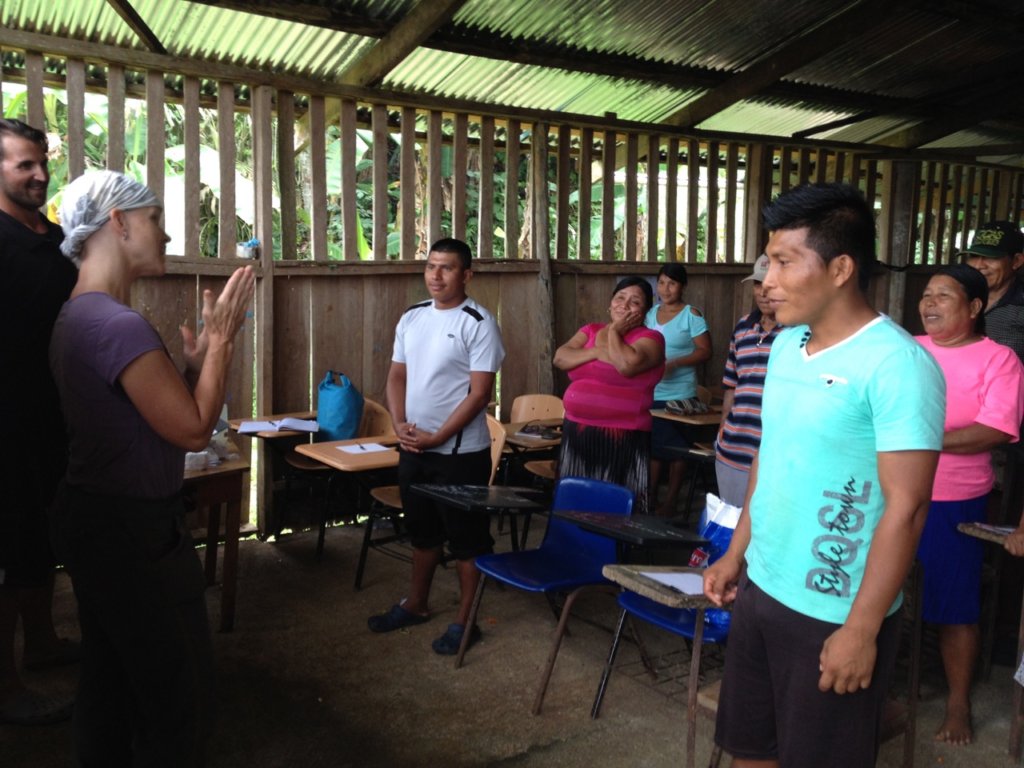
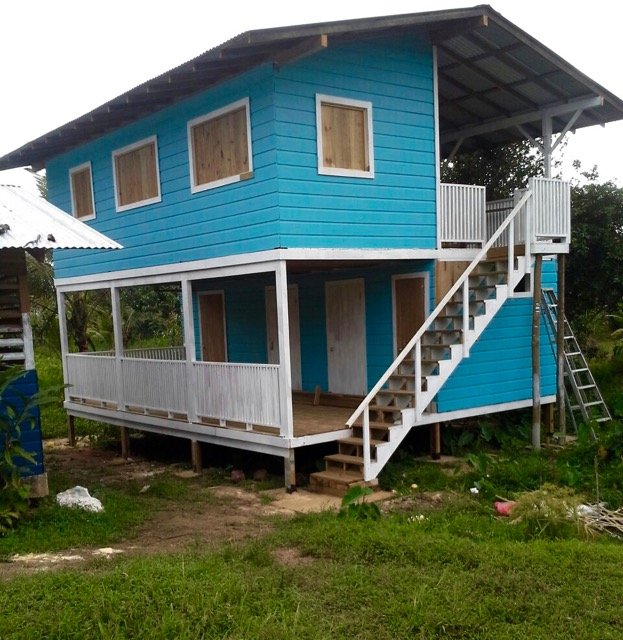
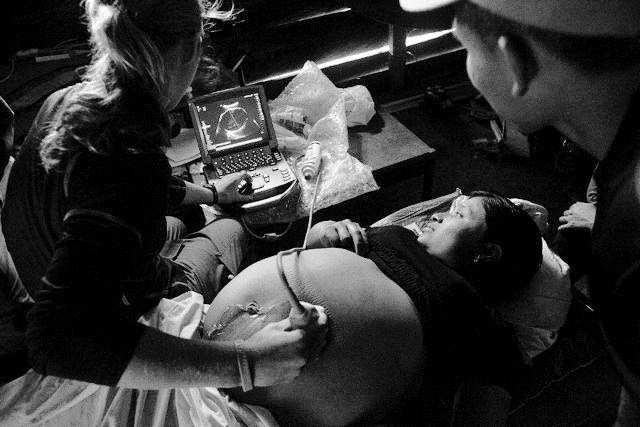
1. We partnered with communities and other groups to build 3 remote medical outposts in strategically located comunities. Ultimately the goal is that these will be taken over by the Health Workers, but for now our teams will deploy to them regularly to provide care, to conduct health worker training, and to have the health worker trainees sit and see patients with them as an apprenticeship.
2. We partnered with Peace Corps to provide Peace Corps volunteers who have finished their service to return and support them while working with us on this dedicated project as the developers and trainers.
3. The Peace Corps volunteers working with us develop the training modules with input from Floating Doctors physicians and other groups within our network and implement the training. To date, about 1/4 of the program has been written and taught.
4. Work to get our course recognized by the Ministry of Health in Panama as a professional certificate making people eligible to apply for Centro de Salud or hospital postings as well.
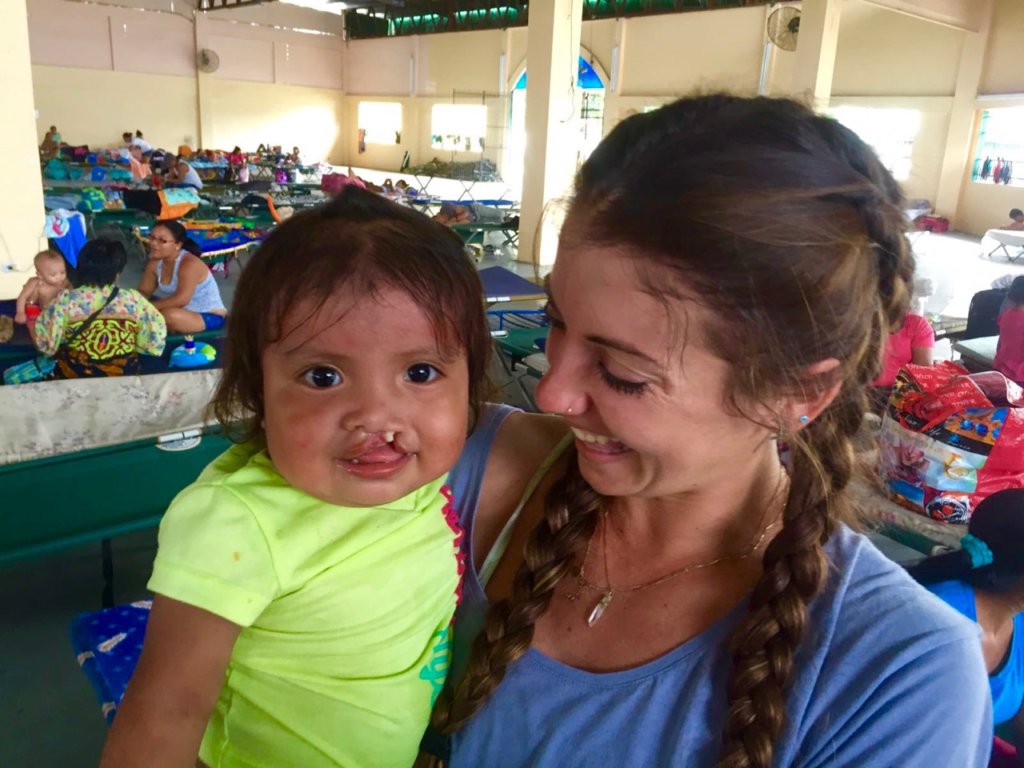
When these communities have their own health workers and our doctors only need to visit from time to time, we will turn our attention to other communities and continue to duplicate the capacity expansion until the whole region has adequate care. It is still us doing things like, for example, searching out and coordinating patients with cleft lip/palate being treated in OpSmile's annual surgical clinic, but we believe it would be better if there were local health workers who could shoulder these kinds of responsibilities--and with training can probably do it more effectively than we could anyway!
It's a mountain of work to build an entire indigenous rural medical service from nothing, but it is very satisfying to be able to tackle the real lack of access to care--not just planning for tomorrow, but for 10 years from now. Plus, multi-disciplinary projects like this are the nodes around which we and many other stakeholders and supporters gather and share the task, and it is very rewarding to meet and work with such extraordinary people who create so much out of sheer will and air.
This is a project that still needs many hands! To support making real improvements in health access, support our cause today or visit our website to volunteer or find other ways to get involved.
Fair Winds,
Dr. Ben La Brot
Links:
Project reports on GlobalGiving are posted directly to globalgiving.org by Project Leaders as they are completed, generally every 3-4 months. To protect the integrity of these documents, GlobalGiving does not alter them; therefore you may find some language or formatting issues.
If you donate to this project or have donated to this project, you can receive an email when this project posts a report. You can also subscribe for reports without donating.