![]()
Summary
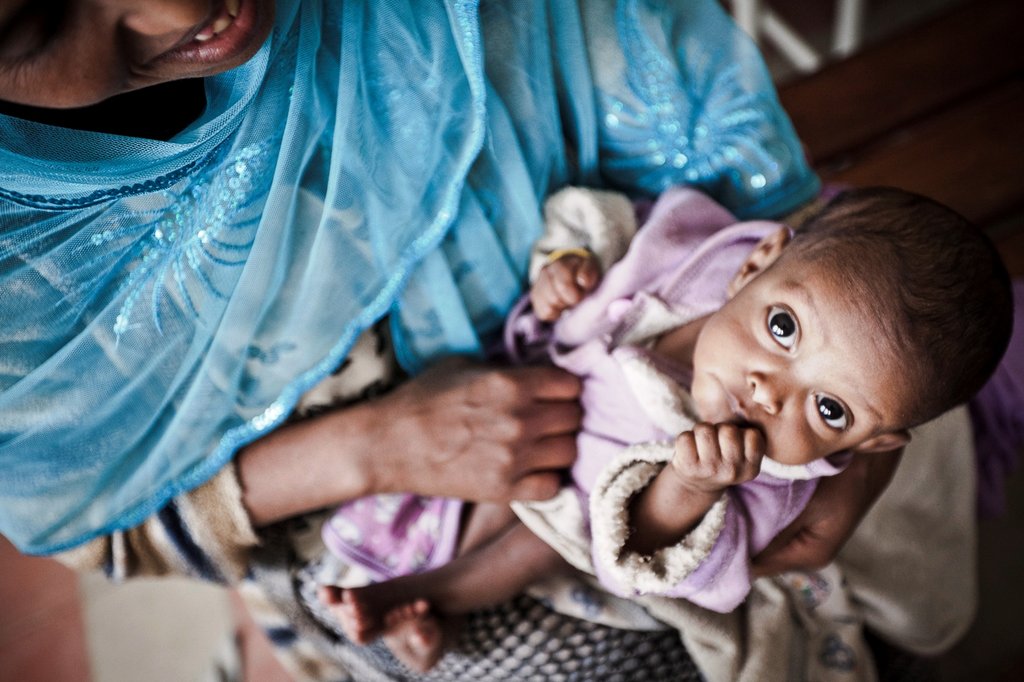
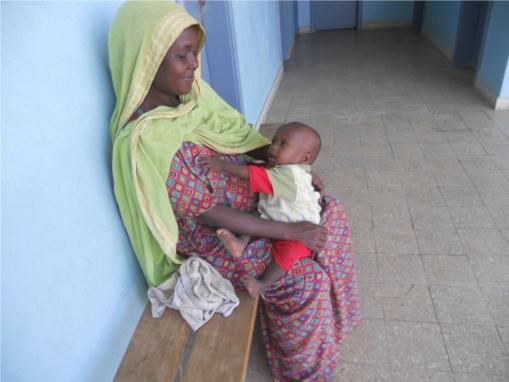
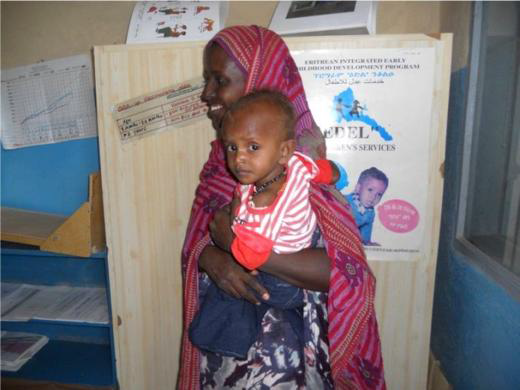
We have been tackling the problem of children malnutrition in Eritrea in the last five years. This year we chose four villages, namely: Abo, Tokonda, Zaghir and Akrur, where the problem was particularly serious due to the last summer
drought which brought famine. In the clinics of these villages the Sisters had already done a screening of children, below five years, at the end of the year and organized a support program for 523 children, who presented a serious or
very acute index of malnutrition. At the beginning of this year the number was risen to 558, and 35% of them were less than two years old.
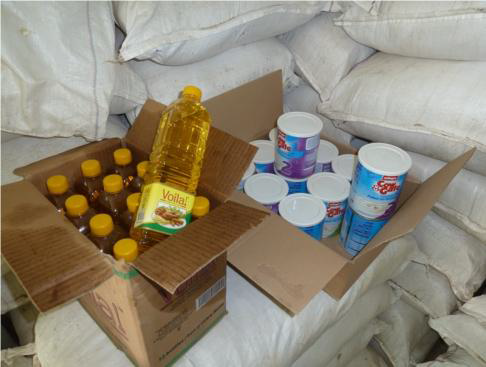
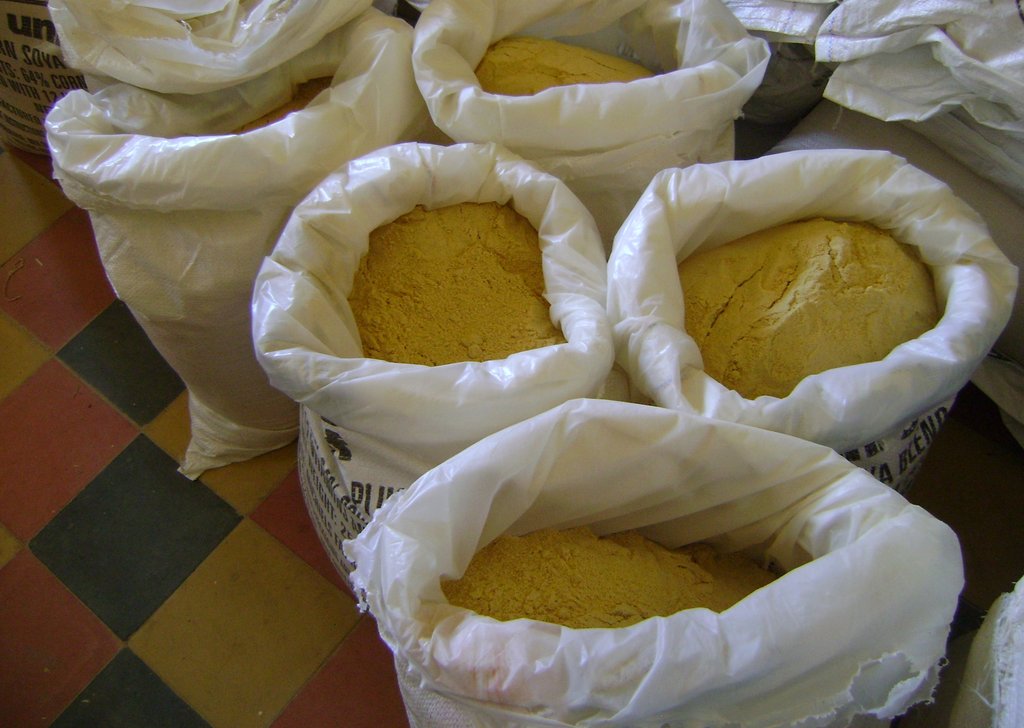
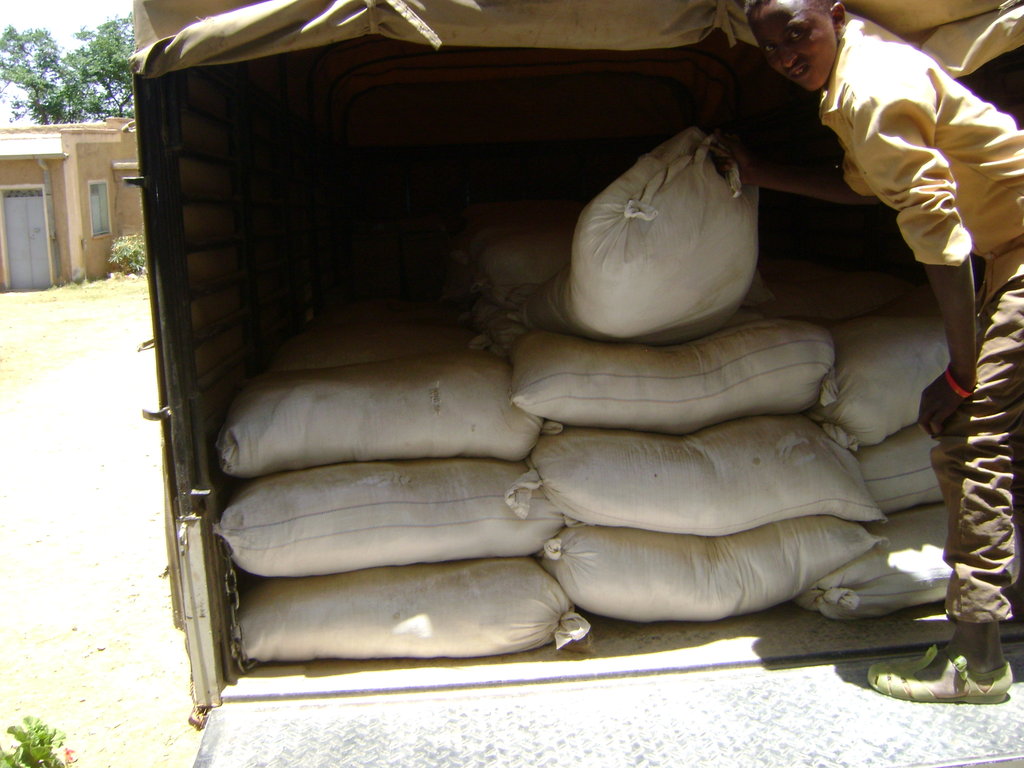
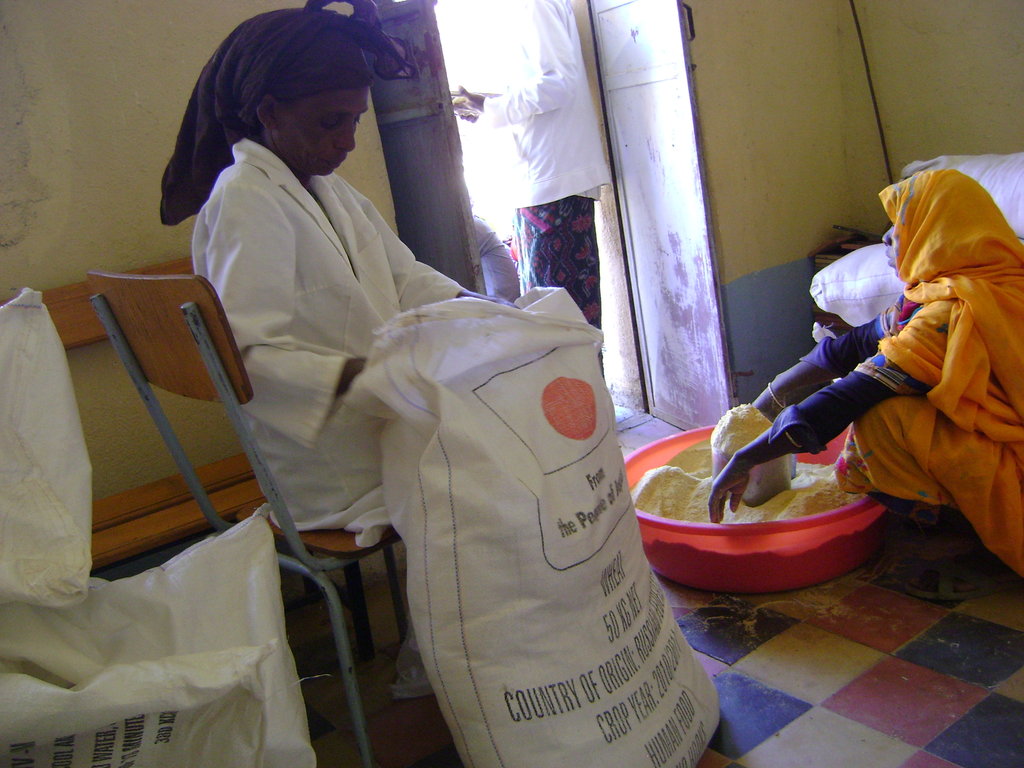
For nine months the children were kept under a growth monitoring control, by distributing them DMK, a dietary supplement, oil and milk in accordance with the program. They distributed 49,750 Kg of DMK, 5,030 Liters of oil and 8,310 Kg of milk, for a total value of 132,940 Euro.
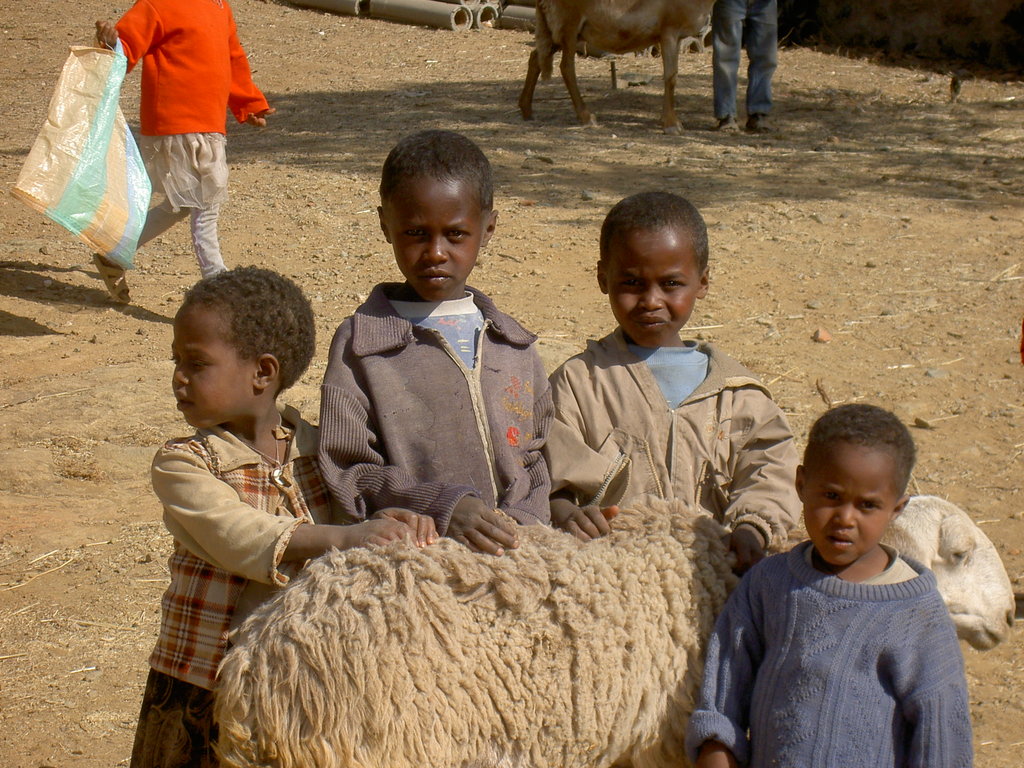
Up to 159 sheep were donated to the families, of those discharged, in difficult economic conditions, so that the children could get their daily milk helping, to avoid relapse.
At the end of the program 82% of the children (460) had recovered an acceptable weight, in relation to their age and height, while the others continue to be treated for some months.
Health Centers
Abo, Akrur, Tokonda and Zaghir are four villages with children hit by malnutrition
due to:
- Drought and consequent famine
- Inflation, which results in the increase of the cost of food
- Unbalanced diet
Starting from last year's month of July the drought hampered the ripening of cereals which were growing; the high inflation in the country brought a ruinous increase in the prices of consumable goods; the lack of knowledge of a balanced nutrition led mothers to use the few available resources in an inadequate way, which put them and their children at the risk of undernourishment.
Methods
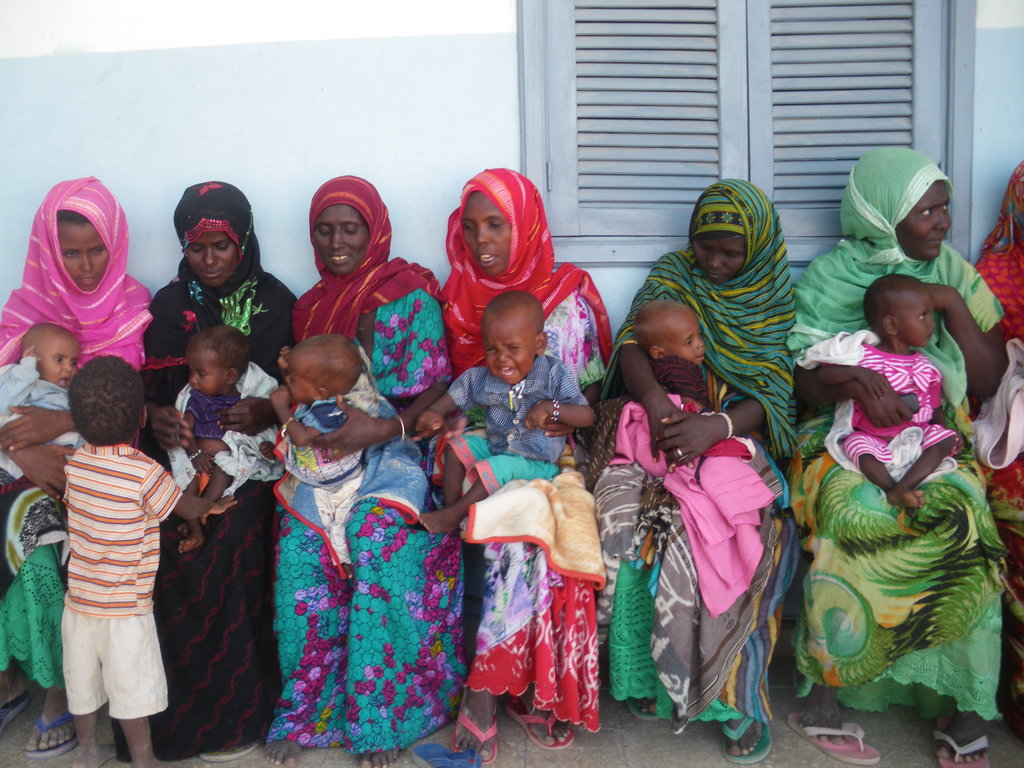
Toward the end of last year a screening for children under five was done in our health centers.
In Abo we checked 850 children and 361 of them had serious malnutrition symptoms; in Tokonda we checked 580 children with 92 cases; in Zaghir and Akrur we did not a complete screening, but some 30 and 40 cases of malnutrition
respectively had already been registered.
So the program foresaw to treat 523 children, seriously affected by malnutrition.
Those with acute malnutrition have a weight/height ratio lower than 70% of the average value of the standard index of WHO (World Health Organization); those with severe malnutrition have an index lower than 80.5%; and those with moderate malnutrition an index
lower than 86.5%.
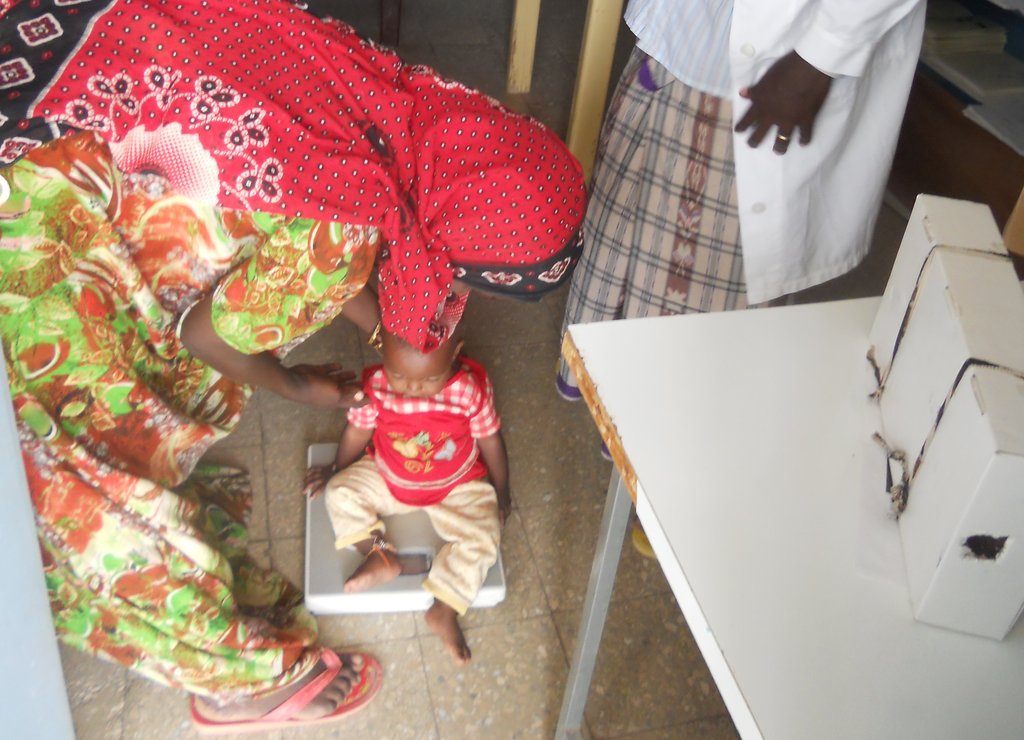
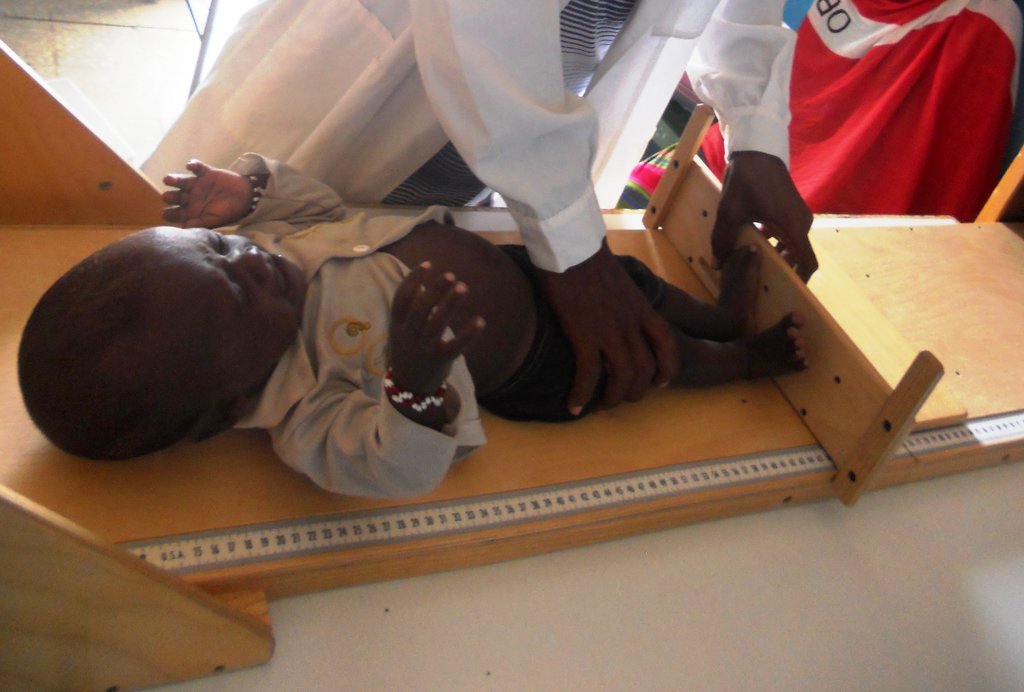
The diagnosis is also done on the basis of a visible wasting of the body or presence of edemas. To all children, from
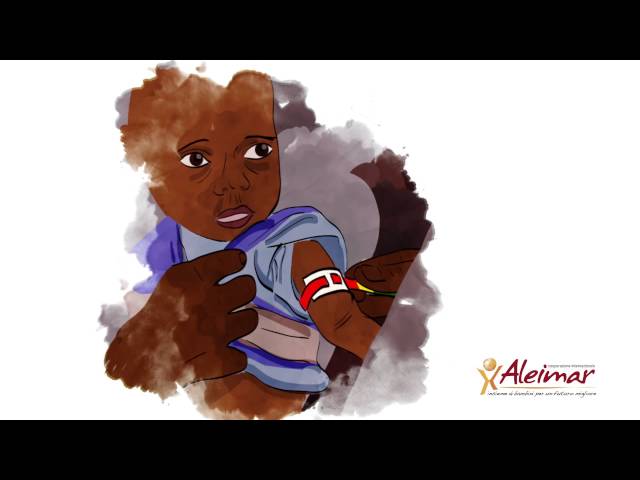
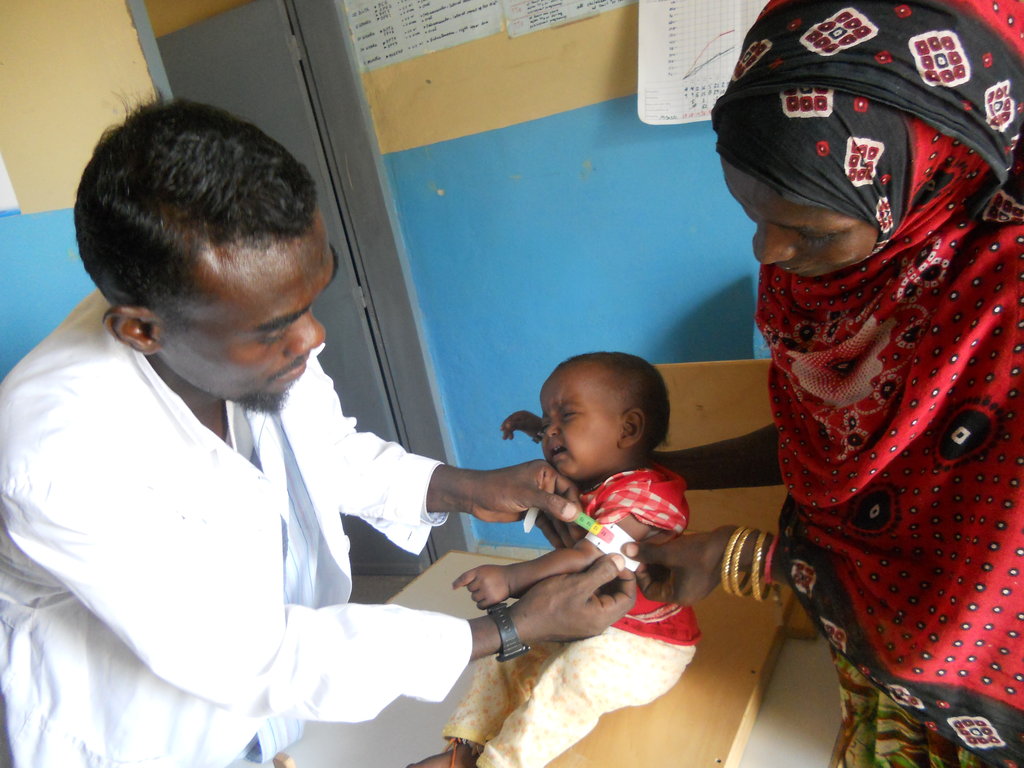
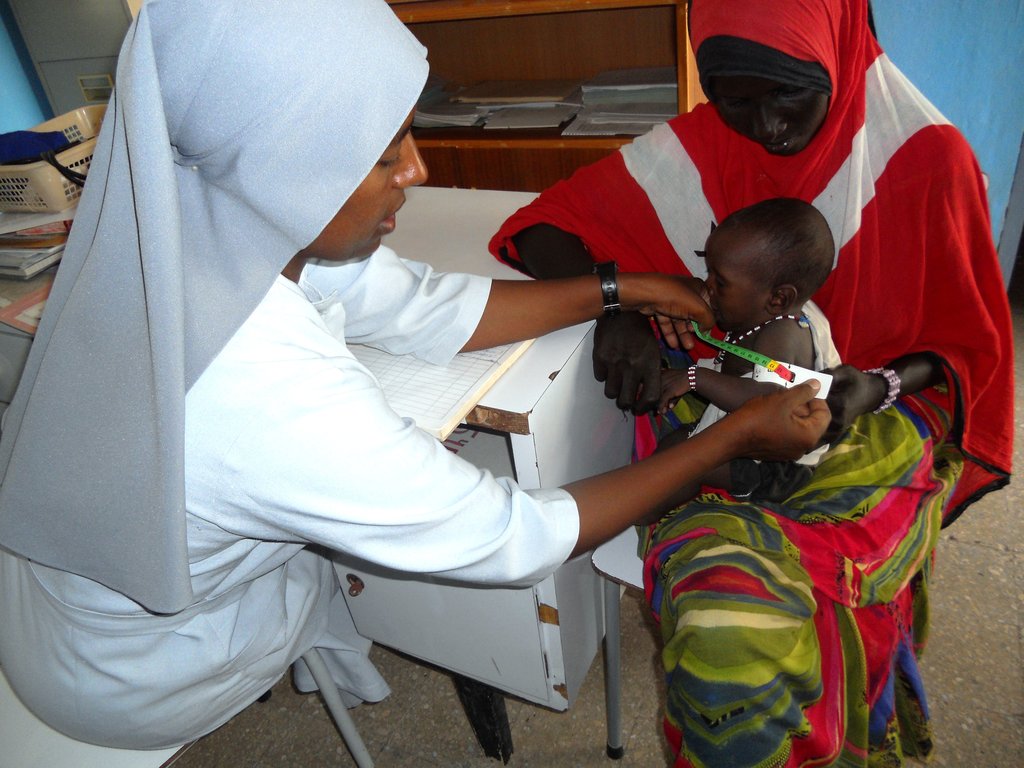
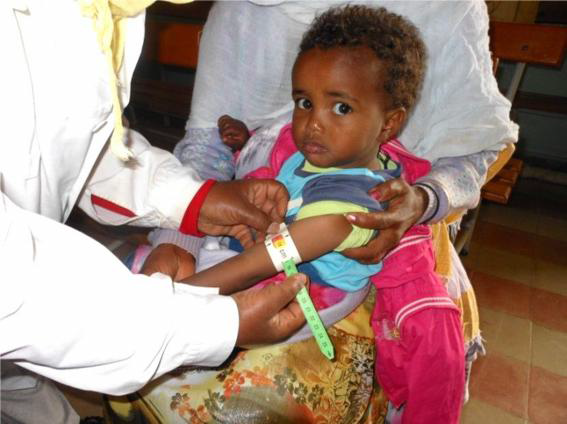
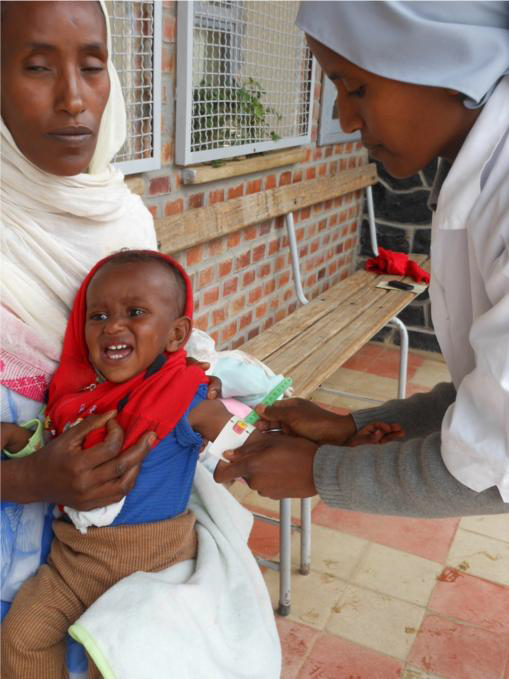
six months to five years, we take the MUWAC (Mid-Upper Arm Circumference) measurement: less than 112 mm is a sign of acute malnutrition which can lead to a high risk of deaths.
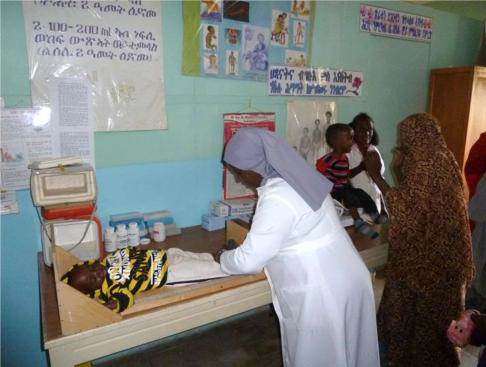
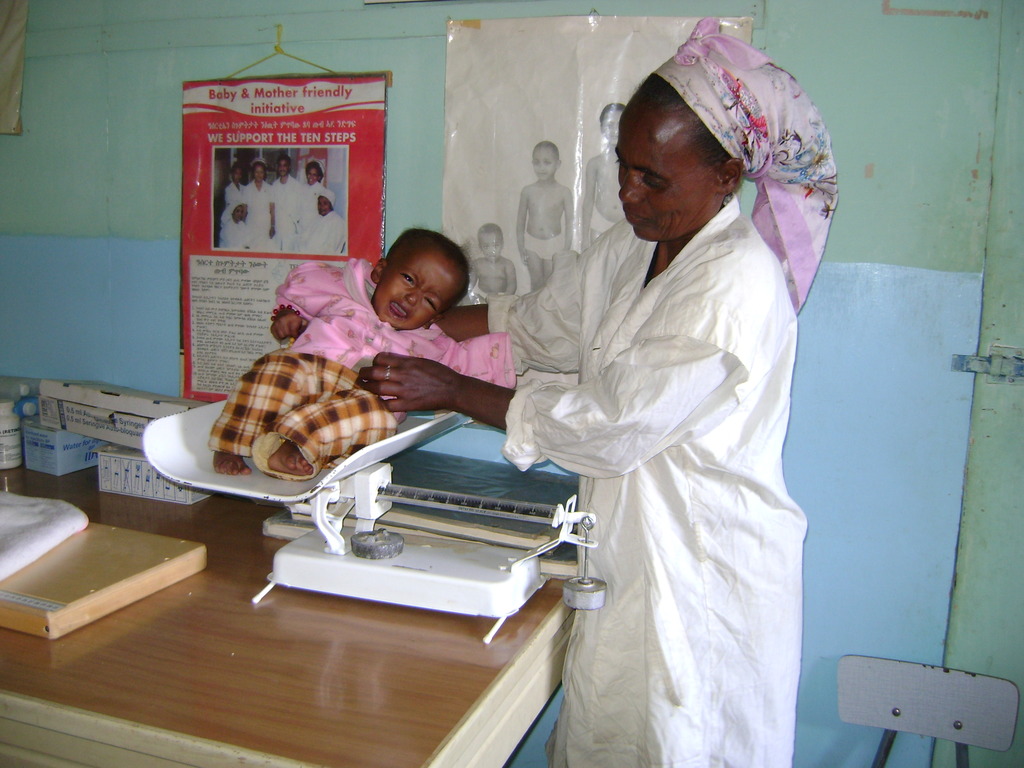
In the case of acute malnutrition, the children are monitored accurately for one month, doing a weekly growth monitoring and checking of the associated diseases.
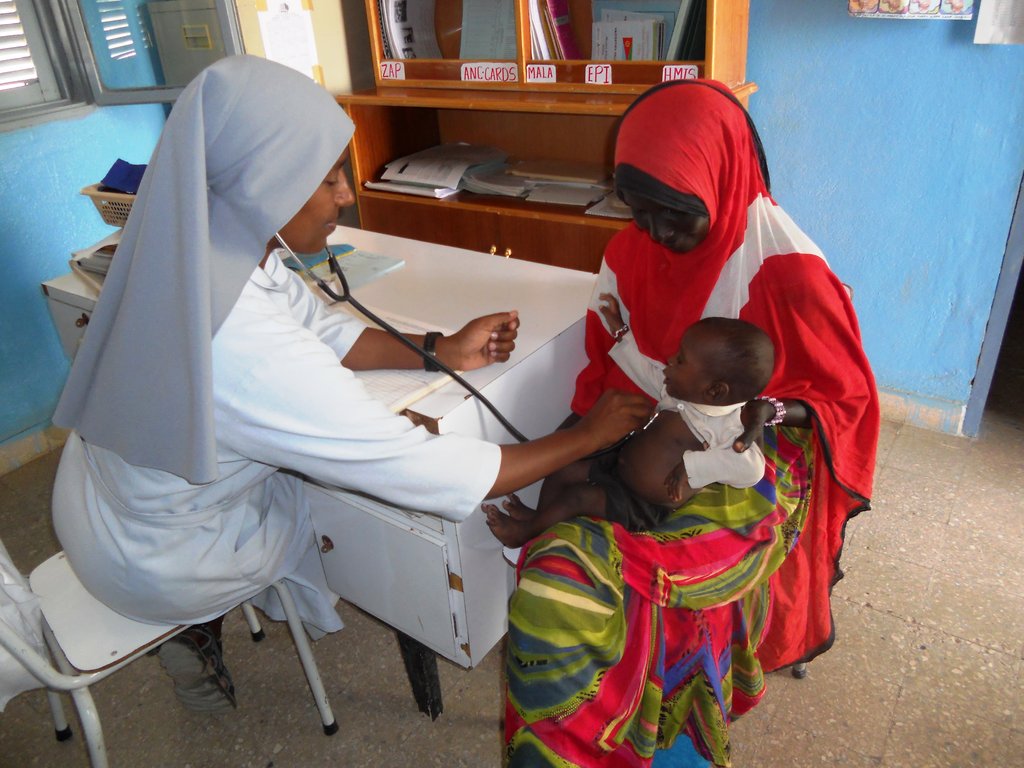
In the event of serious diseases, the child will be checked in the hospital, and, if necessary, he will be admitted.
When the child overcomes the diseases associated to malnutrition, the check is done every two weeks, to keep under control the growth of weight and height.
When he reaches a value of moderate malnutrition the control is done monthly, both for growth and general condition.
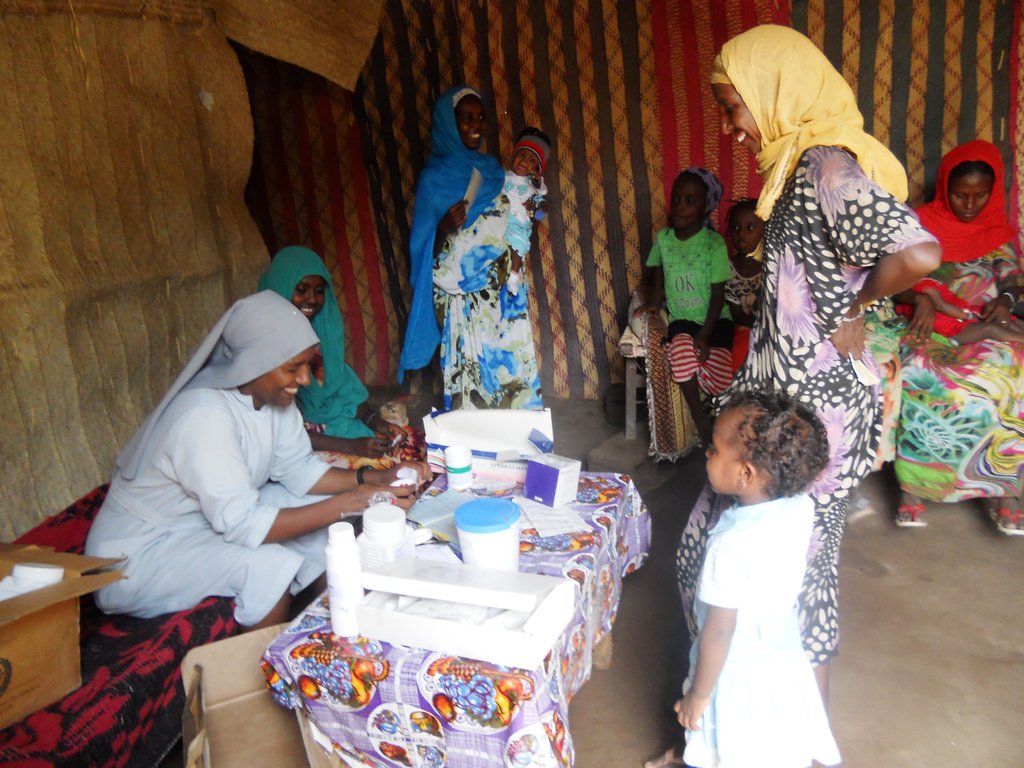
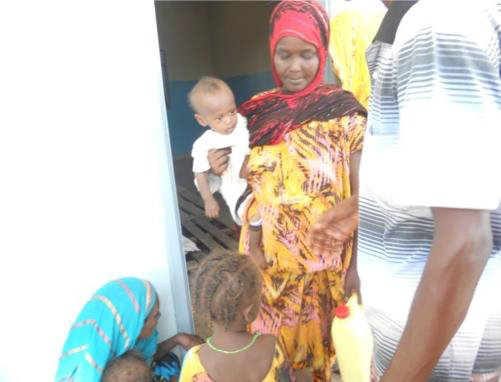
After doing the monthly growth monitoring, we deliver DMK (dietary supplement), oil and milk to the mothers, in accordance to the estimated quantities for that range of age. When the child is discharged, if his family is very poor, we
donate sheep or goats (according to the land), to allow them to give milk daily to the child to avoid relapse into malnutrition, and to start a small breeding farm to improve their economic conditions.
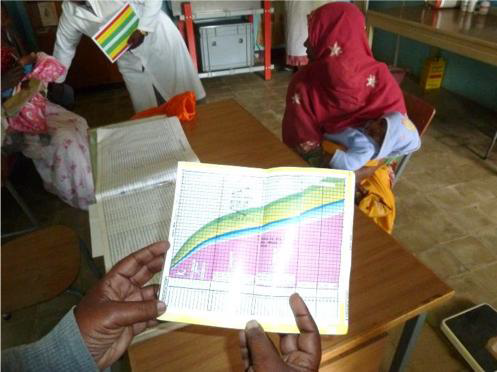
Our experience shows that this way of proceeding is not only useful to the child, but also to his mother. In fact, by following the growing and by knowing the different deviations to the standard values set out with different colors
(red= acute; yellow= serious; blue= moderate; green= good), the mothers are emotionally involved in the healing process of their children. Therefore they proudly show the good results with the color that signals an improvement; otherwise they feel ashamed when the color shows a worsening.
Very often malnutrition is invisible, so monitoring and surveillance of the mothers during breastfeeding and pregnancy, from the nutritional aspect, is fundamental. Training and awareness of mothers is so important, that we have been
working with them in the villages for the last five years, by organizing workshops that can deepen their knowledge about the right nutrition and child care. Besides when the mothers come with their children in our clinics, we give them
brief lessons about:
- When to start feeding the babies
- How to prepare ORS for dehydrated children
- How to cook food, with nutritive values, using only vegetables
- Advantages of breast feeding in the first six months
- Water sanitation
- Recognition of the first symptoms of the disease
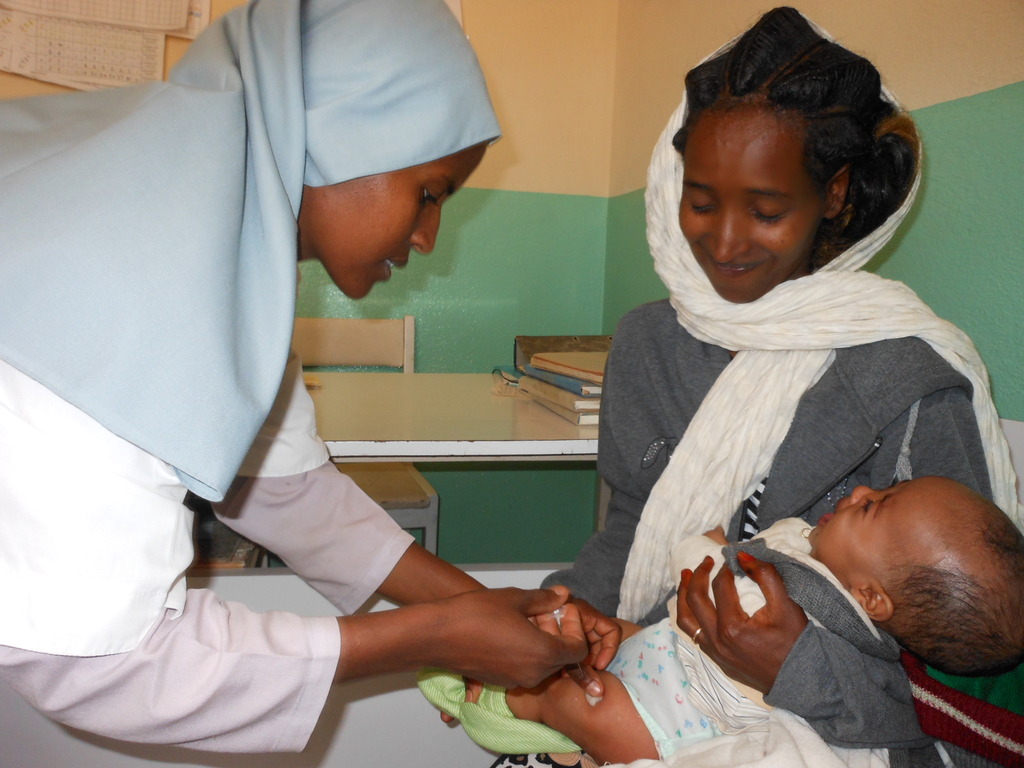
- Need of doing vaccination and growth monitoring
We underline the importance of screening the child weight monthly, so that signs and symptoms of malnutrition can be identified and treated ahead of time.
Right after childbirth we give the mothers a card with the list of all vaccinations which are compulsory for the child, and a colorful chart to monitor the growth rate, to understand quickly the physical condition of the child and the possible intervention for those who are in nutritional deficit.
Development of the Program
At the registration in the program, we gave a card with the personal data of the child and the quantities of supplementary food they will receive monthly to the mothers of the selected malnourished children.
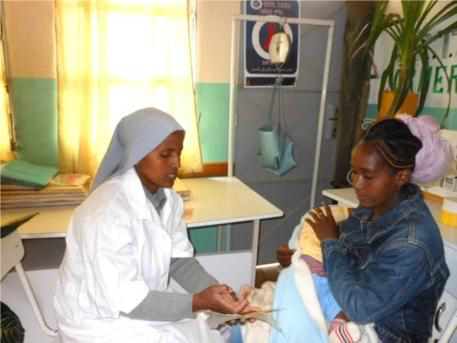
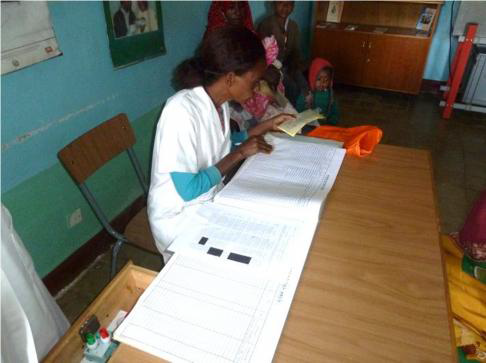
The Sister in charge of the health center registers on a ledger the anthropometric data of the child, and updates them monthly. This is when she informs the mother about the improvement or worsening of her child.
In the following table we present the summary sheet of the children treated in the 2014 program, grouped by age.CHILDREN VILLAGES
AGE ABO AKRUR TOKONDA ZAGHER TOTAL
Less than 24 mth 126 22 32 15 195
2-5 years 238 38 60 27 363Total 364 60 92 42 558
Results
In January 2014 there were 558 children having treatment for malnutrition: out of them 195 were below two years old. After nine months of monitoring and treatment, 460 children (82%) have been discharged after passing the 86.5%
mark of the standard index of malnutrition; 72 (13%), who still showed a slight moderate malnutrition, remained under care for another month; 22 (4%) were under severe malnutrition so they have still treatment expecting to discharge
them at the end of the year; 4 (1%) passed away since they could not overcome their initial critical condition.
Those, who showed fast improvement, have been discharged before the end of the program (18 in April, 47 in May, 80 in June, 132 in July, 299 in August), but others arrived, who were in need of an immediate intervention, and took their
place.
Another positive achievement is that the mothers become expert in identifying the first symptoms of malnutrition and have created a friendly relationship with the health centers personnel: we can say that their collaboration has been
steady and that they understood that priority must be given to the child diet. Besides, when mothers come to collect their monthly ration, we always take the advantage to show them the reached goals, to discuss possible corrections to
do, to keep on training them about the principles of a healthy nutrition and domestic hygiene, and to stress the need to take the child to the health center without waiting till the last moment.
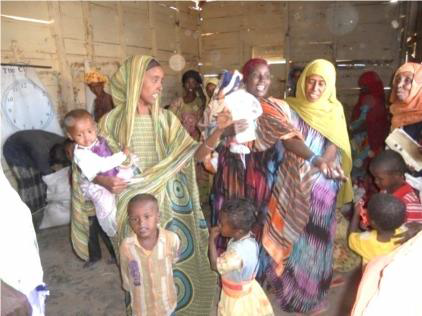
The mothers show a great interest in understanding and quickly become active animators in their community.
Two years ago Idris, the small kid, was malnourished. At the end of the treatment we donated two goats to his mother.
Today he recovered, the goats increased in number and the first lamb was donated to another family in need, in a noble solidarity chain.
Conclusions
More than 550 children have been saved from acute and serious malnutrition in this program.
Luckily this year rainfall was abundant almost everywhere in the country, so we hope to get a good harvest and we expect less cases of malnutrition.
Unfortunately Abo got little rain and Tokonda scarce and erratic rains. Therefore we will do the usual screening in these two areas in December to know how many children are in need of assistance and we will prepare the program for 2015.
![]()
![]()
![]()
![]()
![]()
![]()
![]()
![]()
![]()
![]() Attachments:
Attachments:
![Share on Twitter]()
![Share on Facebook]()