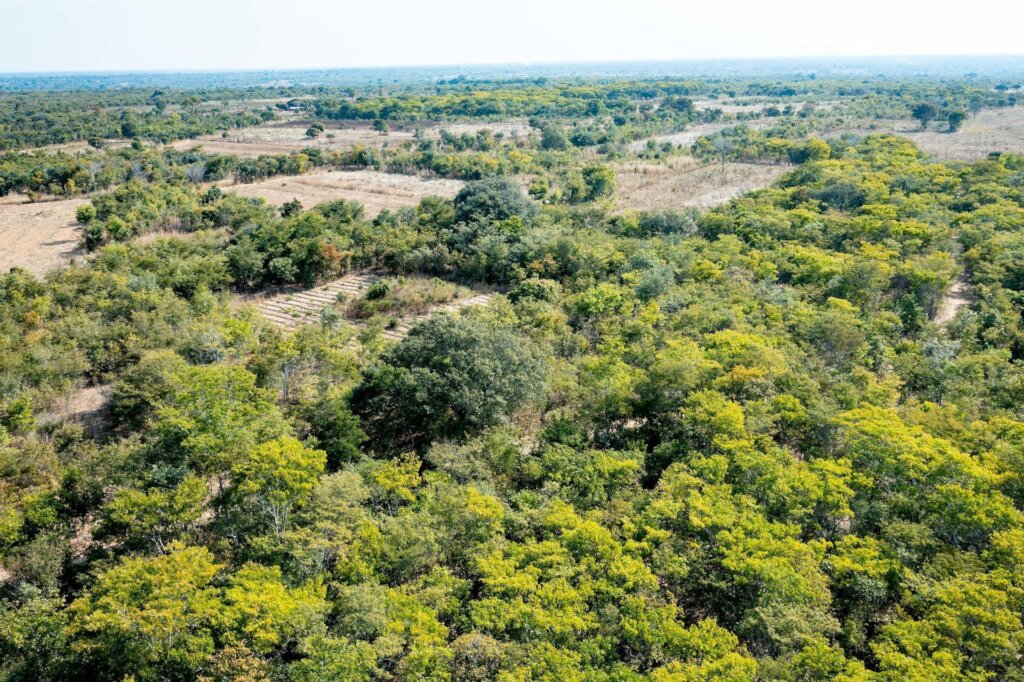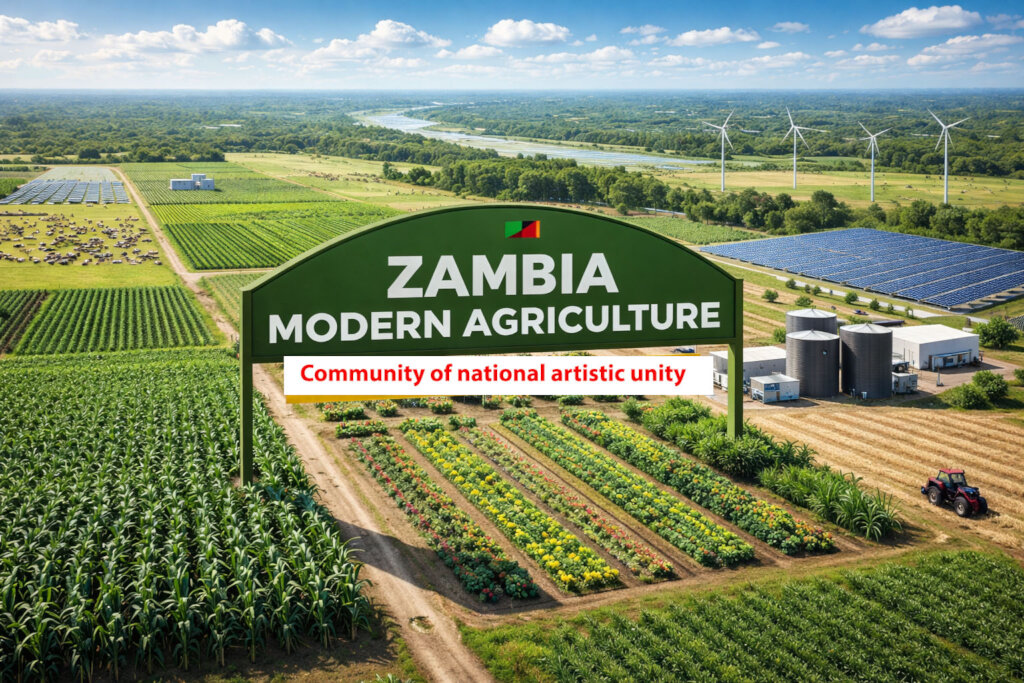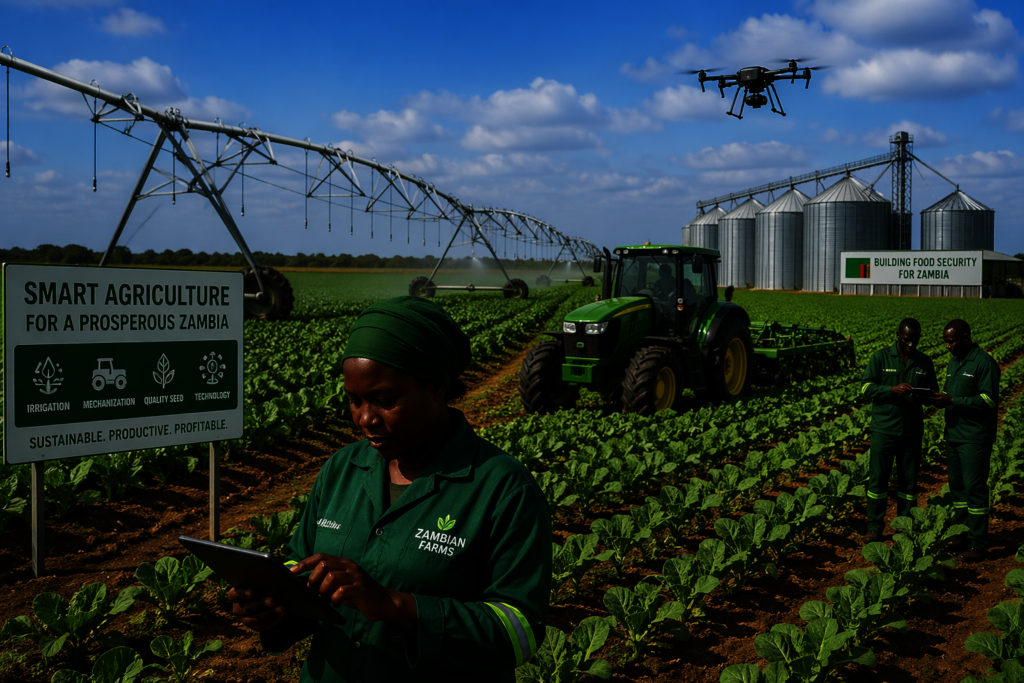
Food Security & Farming projects in Zambia generally focus on increasing smallholder productivity, enhancing climate resilience, and reducing poverty through sustainable agricultural practices. Key initiatives like the Food Security Pack and FAO-supported programs introduce drought-resistant crops, irrigation, and modernized farming techniques to combat drought-induced food insecurity and strengthen agricultural value
Agriculture in Zambia is facing a catastrophic collapse due to the ongoing civil war (beginning 2023), resulting in the world's largest food crisis. Key issues include intentional destruction of farming infrastructure, displacement of farmers, lack of inputs (seeds, fertilizer, fuel), and disrupted supply chains, causing a 46% drop in cereal production and leaving over half the population facing acute hunger
Solving agricultural problems in Zambia involves a multi-faceted approach focusing on climate resilience, diversification, infrastructure development, and improved financial access for smallholder farmers. Key solutions include transitioning to conservation agriculture, investing in irrigation, and strengthening market linkages to reduce post-harvest losses and reliance on rain-fed maize.
Zambia is facing a critical juncture where short-term climate and economic shocks are shaping significant long-term impacts, ranging from the necessity of diversifying away from copper to building climate-resilient agriculture. While experiencing a period of high debt and vulnerability, the country is actively engaging in reforms aimed at long-term economic stability by 2030, with a focus on mining, manufacturing, and green energy, say reports



Support this important cause by creating a personalized fundraising page.
Start a Fundraiser