By Elisa Cappai | Project Leader
Dear Donors,
Manaus has one of the highest concentrations of people living in favelas in Brazil. Over 55% of its population lives in informal settlements. They face daily challenges such as inadequate housing, limited access to clean water and sanitation, and unstable jobs. These conditions directly impact families’ ability to access regular, sufficient, and nutritious food.
Brazil has faced a severe food crisis in recent years. Approximately 33 million people deal with hunger, and 6 out of 10 families face food insecurity. Although public policies have led to some improvements, conditions remain critical in marginalized urban areas like the favelas.
In the outskirts of Manaus, food insecurity often means fewer daily meals and diets lacking essential proteins and nutrients. This is especially important for children’s growth and development, who are the most affected. Malnutrition can lead to stunted physical and cognitive development, increased vulnerability to diseases, and long-term health issues. In these contexts, food insecurity is rarely an isolated problem. It is closely linked to other risks such as domestic violence, social exclusion, and school dropout, creating a cycle of vulnerability that is hard to break.
In recent years, the Brazilian government has introduced programs aimed at reducing hunger and improving food security. However, progress has been uneven, and urban peripheries remain among the most affected areas. For this reason, our commitment cannot stop.
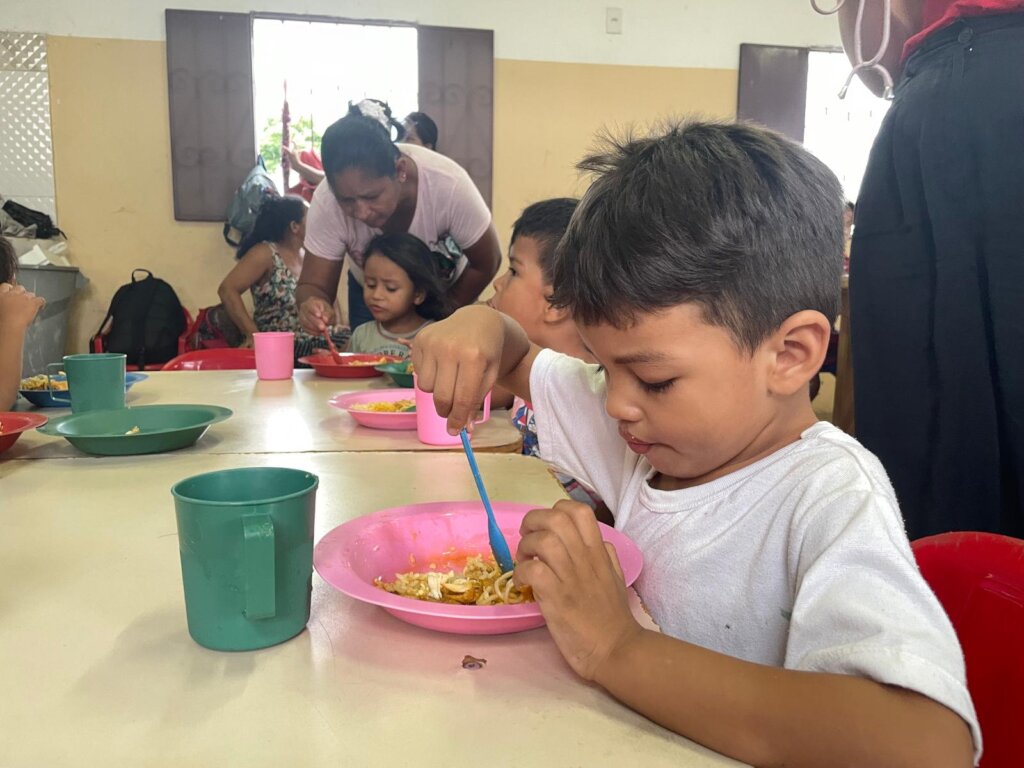
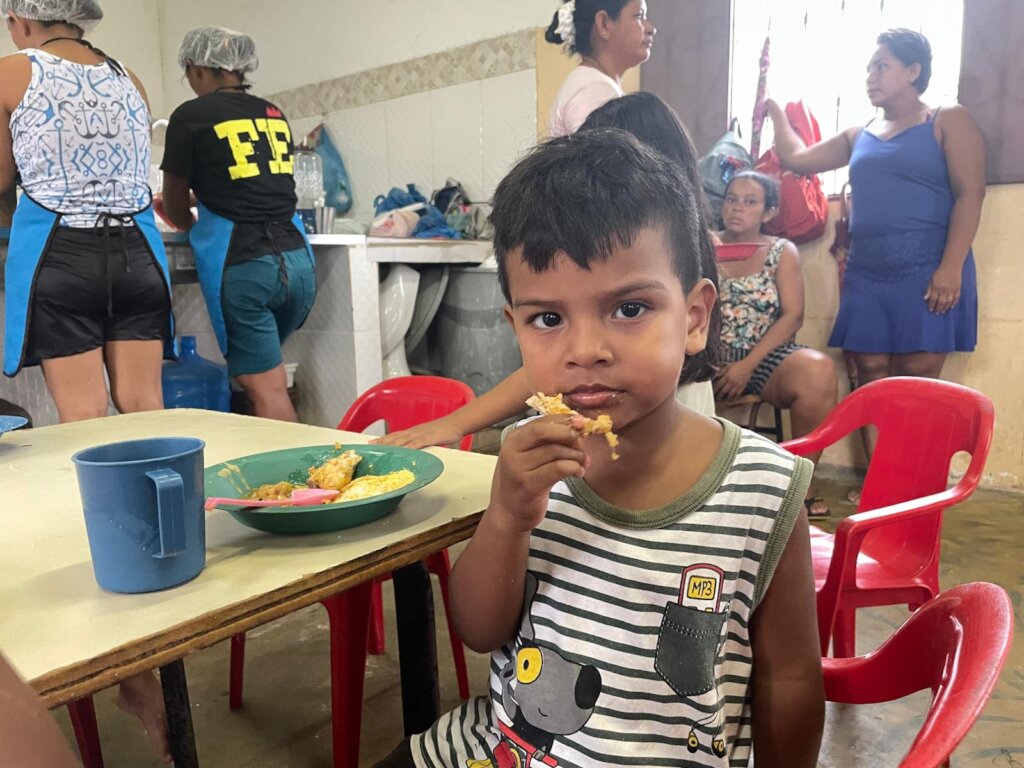
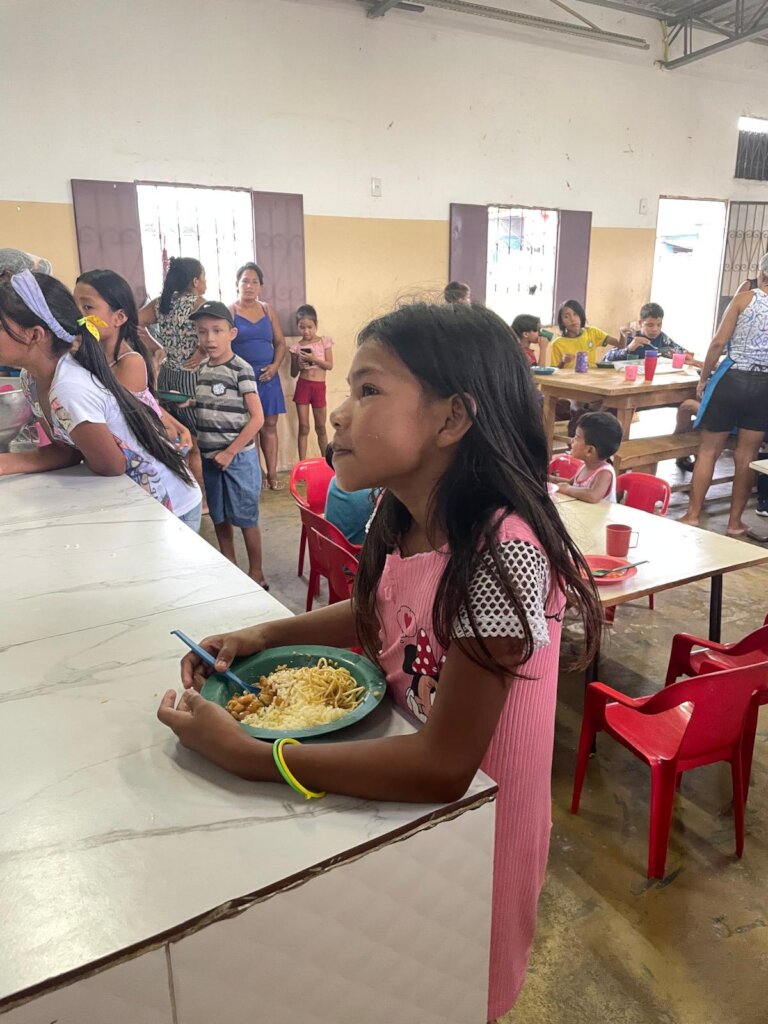
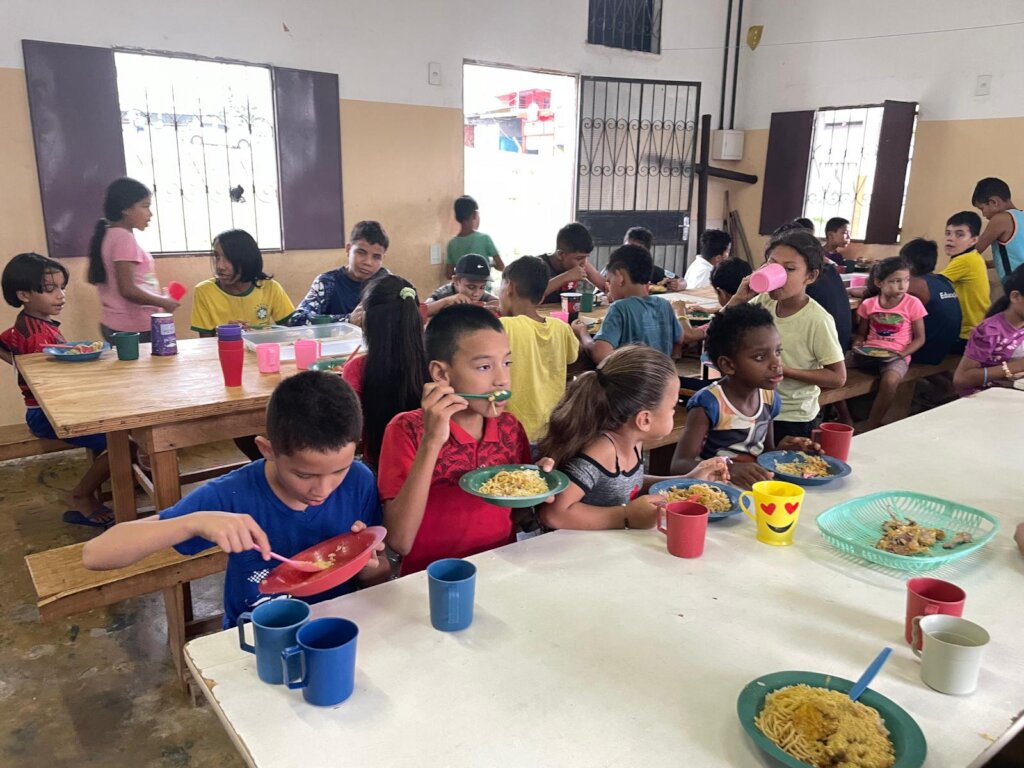
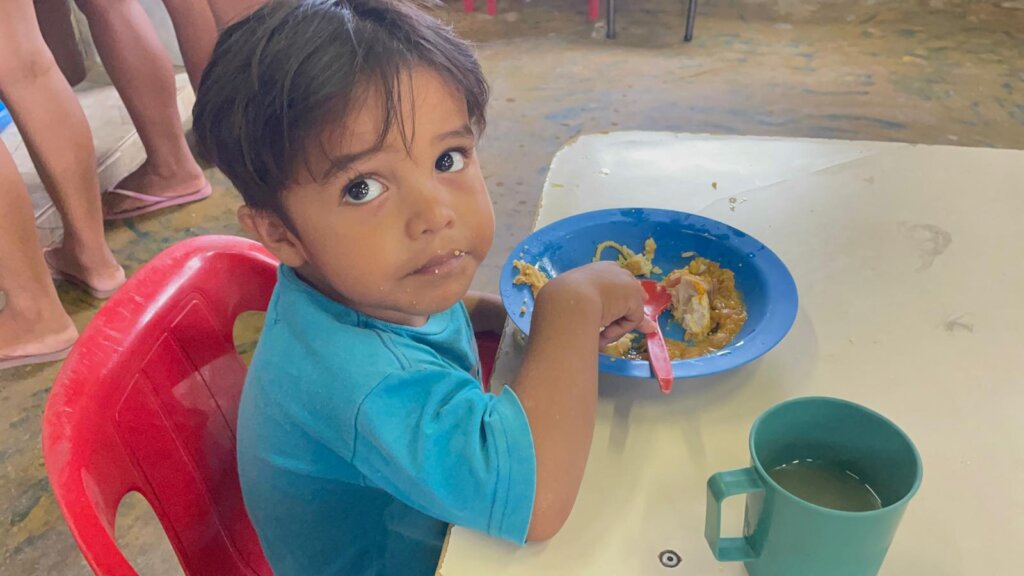
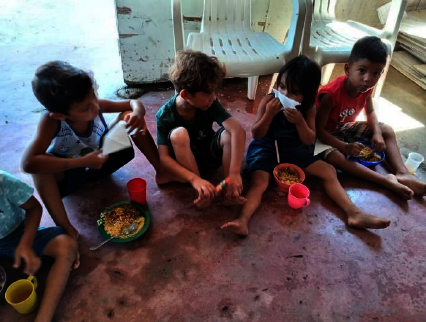
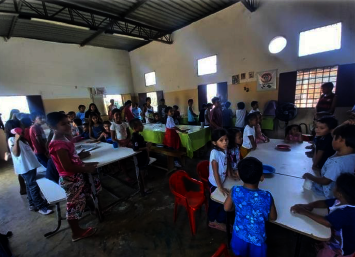
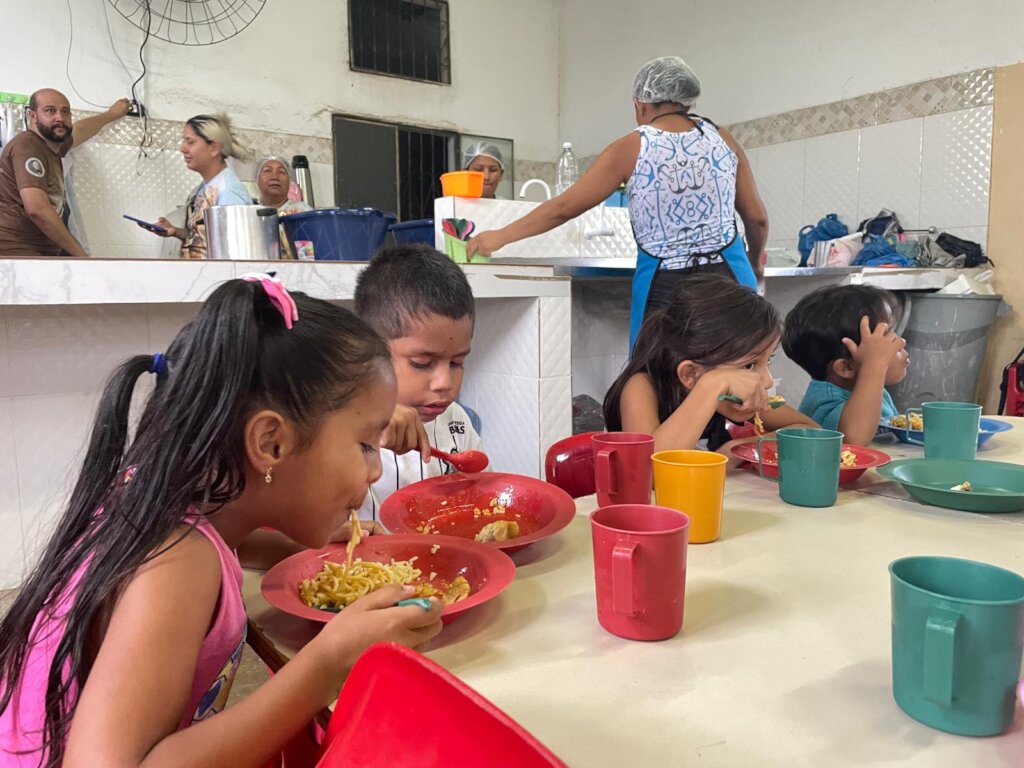
In collaboration with the Parish “Nossa Senhora Das Graças”, we provide 600 meals every day across nine community canteens in the favela of Aleixo, in Manaus. This initiative represents much more than food distribution. It is a daily lifeline for hundreds of children and families who would otherwise struggle to access even one proper meal a day.
The strength of this project lies in the community itself. It would not be possible without the dedication of local volunteers who give their time and energy to cook and serve meals. In many cases, these are the same mothers who have children benefiting from the program. Their involvement turns the canteens into places of solidarity and mutual support.
Looking ahead, the need remains significant. Rising living costs, ongoing poverty, and social inequalities continue to put pressure on the most vulnerable households. For this reason, continuing and strengthening this effort is crucial. Every meal we distribute represents care, protection, and an opportunity for a child to thrive. Thank you for your support!
Project reports on GlobalGiving are posted directly to globalgiving.org by Project Leaders as they are completed, generally every 3-4 months. To protect the integrity of these documents, GlobalGiving does not alter them; therefore you may find some language or formatting issues.
If you donate to this project or have donated to this project, you can receive an email when this project posts a report. You can also subscribe for reports without donating.



Support this important cause by creating a personalized fundraising page.
Start a Fundraiser