Project Report
| Mar 18, 2016
Aditya Helped With School Materials
By Kevin Croke | Project Leader
![]()
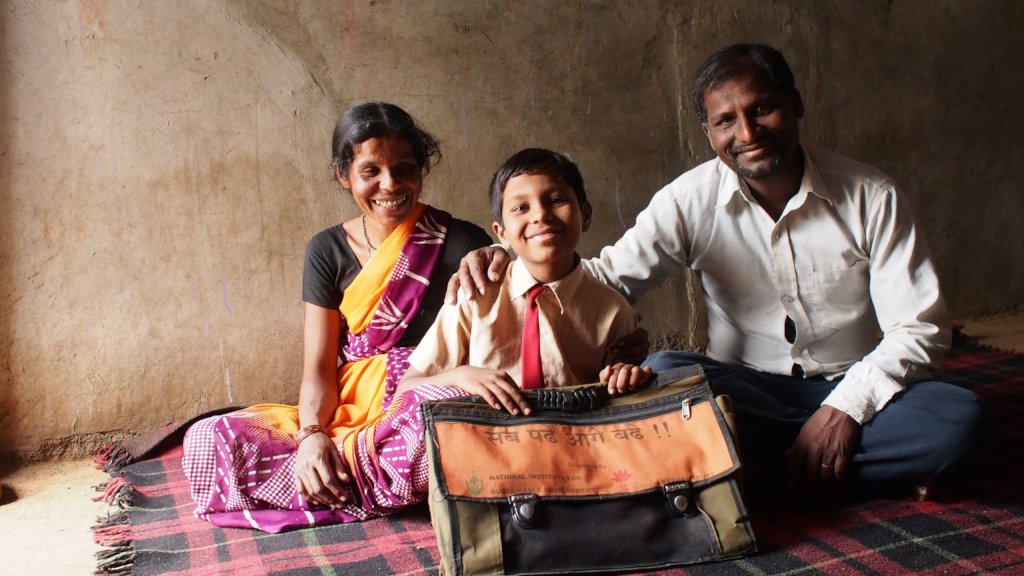
Aditya lives with his father, mother and eldest brother in Kharadi Village in Maharshtra, India. They live in one small room made of brick. The family is from the nomadic tribal community, traditionally a very poor and marginalized community in India. They earn about £15 per month.
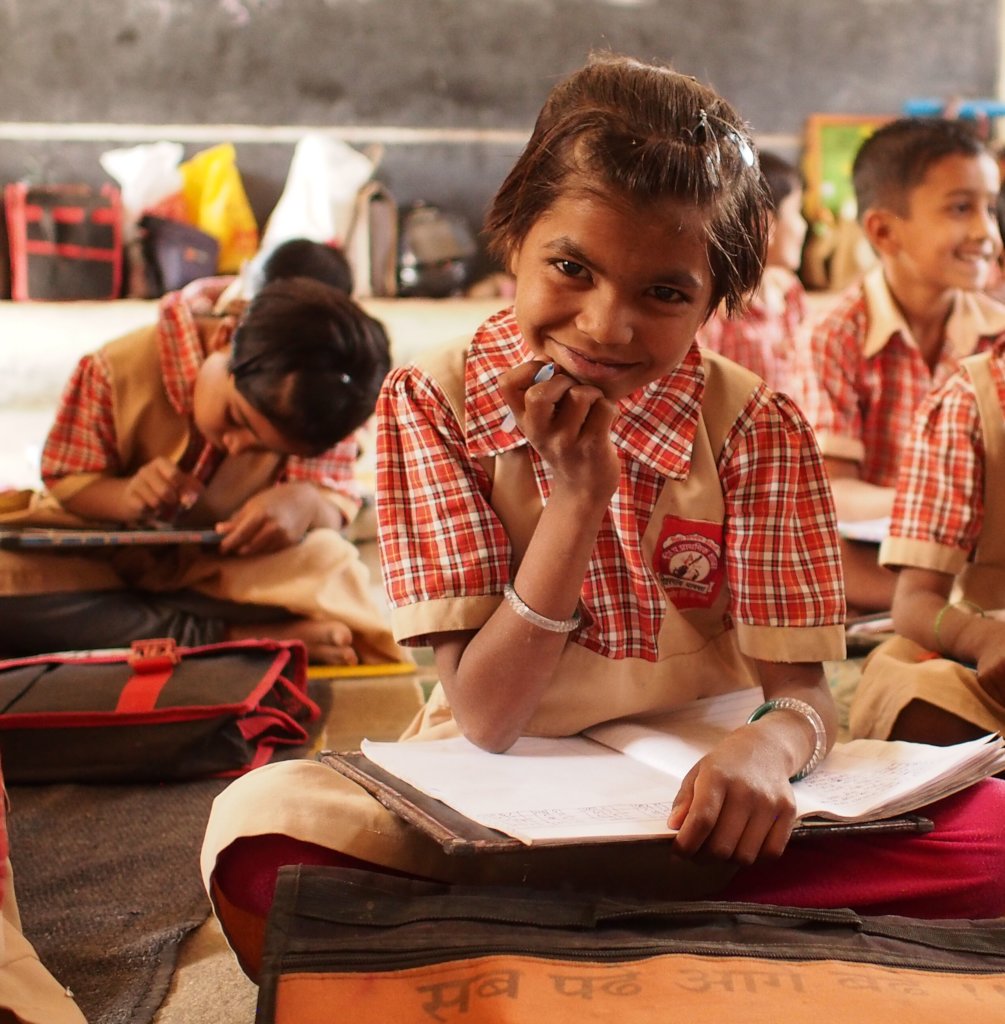
Both children go to the local school. However as the family could not afford proper school materials, such as pens and copybooks, the boys were at risk of dropping out. Aditya was embarrassed to attend classes with all the rest of the children who could afford the basic school materials.
In July 2015 the project team learnt of the two boys through the local teachers and went to visit the family. Through the generous help of project donors they were able to provide Aditya and his brother with school bags, drawing material, notebook and stationary.
Now Aditya and his brother are regularly attending school and their grades have improved. The boys and their parents were happy the project team was able to help them out in this small way. It would not have been possible without the help of our funders.
![Share on Twitter]()
![Share on Facebook]()
Feb 9, 2016
Vilas Benefits His Local School
By Kevin Croke | Project Leader
![]()
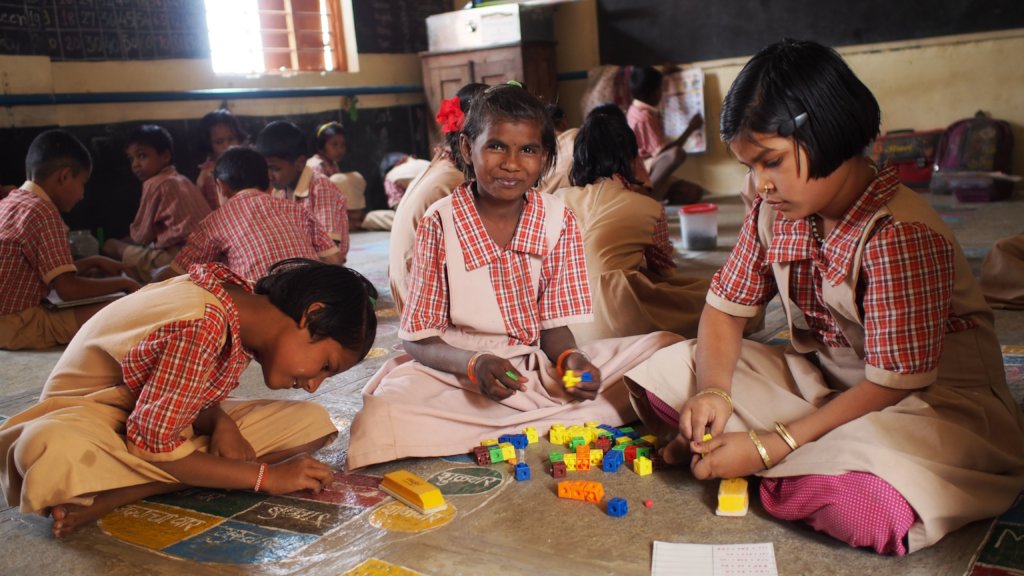
The project team works closely with school management committees to help create better schools that keep children engaged and learning. Below is the story of Vilas and his work with the project team to improve his local school.
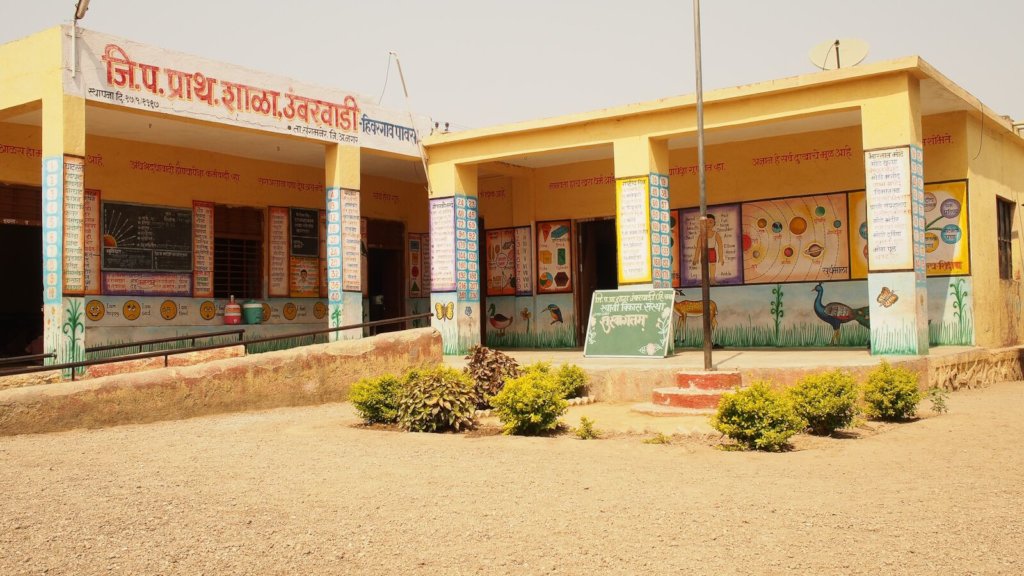
Vilas is 42. He lives in Virbhadranagar village with his two sons and wife. Vilas’ sons attend the local school in Virbhadranagar. In 2010 Vilas was asked to join the school management committee to help develop the school’s ability to educate local children. He agreed and started to learn of the schools difficulties. The school had low student participation, poor teaching standards and infrastructural problems. In 2011 Vilas became the school management committee president.
In 2012 Vilas contacted the project team seeking help in improving school standards. He attended training and worked closely with the team on how to improve school enrollment and teacher ability. Vilas went on exposure visits to local high performing schools and got advice on how to implement positive changes. The project team helped Vilas to create a plan of action to bring his own school’ standards up.
With Vilas’ guidance the school started organizing cultural programmes, educational tours and mid-day meals for the students. The school management committee started local fundraising for the development of the school and raised £890. The project supported the cost of a digital classroom in the school which included computers and projectors.
Since 2012 the school increased its enrollment from 53 students to 78, early childhood dropouts have been eradicated and the school has moved from C Grade to B Grade under local government evaluation. Vilas is very happy with the results of his work. None of this could have happened without the support of the project and its supporters.
![Share on Twitter]()
![Share on Facebook]()
Jan 8, 2016
Meera Empowered to Help Her Students
By Kevin Croke | Project Leader
![]()
Meera is 51. She came from a very poor farming family in the village of Kotul. Meera became a teacher and started work in a government school in 1984. She worked hard to improve the teaching standards in the school and went to many professional teacher training courses to improve her teaching ability.
Despite Meera’s efforts, the school where she taught was not a good experience for the children who attended there. The school was a failing school and was deemed below government standards. There were no play areas and very little awareness amidst parents on the importance of education.
The project arranged meeting’s with the teachers and the school management to start the process of improving the school’s standards. Meera attended both meetings and as a result was introduced to the team and their work.
In 2014 Meera became the principle of a school in the village of Nannajdumala. The school was predominantly children from highly marginalized caste groups such as tribal people. Meera brought in the project to work with the school and the parents. The team helped Meera create digital classrooms and a playground area. The enrollment, grades and participation rate of the school children all improved as well. Meera is very happy to see her work with the project team come to so much good. None of this would have been possible without the project and its supporters.
![Share on Twitter]()
![Share on Facebook]()