Project Report
| Aug 25, 2015
Health Programme Update
By Kevin Croke | Project Leader
![]()
Here are the results of the team's report on the project's educational work in the 2013 -14 period.
Progress Towards Outcomes
- Supplementary nutrition was provided to 3,416 children (1,723 boys, 1,693 girls). Medicine was provided to 108 children (79 boys, 101 girls) due to this 1087 children (408 boys, 679 girls) improved their weight and health.
- 712 children (362 boys, 350 girls) have benefitted from the care giver programme. 683 care givers were encouraged and motivated to follow better child care practices, hygienic habits, feeding, immunization, growth monitoring, entertainment and other aspects of child development. This led to proper care of the children and their growth and it is found that 579 care givers adopted positive child care practices as a result.
- A number of programmes were organised in the villages to raise awareness on hygiene and sanitation. 7,089 men and 6,608 women were reached through this means.
- During this year 919 toilets were constructed with the support of the team. Apart from this 888 families constructed their own toilets due to awareness raised.
Challenges
- Construction of toilets was a challenge due to the high contribution cost of £70 - £80 expected of the beneficiary group. People particularly from the most deprived communities found it extremely difficult to make the financial contributions. As a result of the involvement of government authorities and provision of loans by the self-help groups the team supported 2,350 families to undertake the work.
Lessons Learned
- Project beneficiaries were employed in other aspects of the project wherever possible. The project has asked the women who were on the tailoring course to make uniforms for the less well-off students. Similarly the youth who completed the masonry training were employed to undertake the toilet construction work under this project. This improves overall sustainability for the project.
![Share on Twitter]()
![Share on Facebook]()
Aug 10, 2015
Education Update
By Kevin Croke | Project Leader
![]()
The project has recently undergone a review of the work undertaken in the last six months. Six month reviews allow Karuna to determine how effectively we are using funding given by our supporters to improve the lives of people in India.The review establishes if the team are set to achieve the targets we promised you our supporters to deliver.
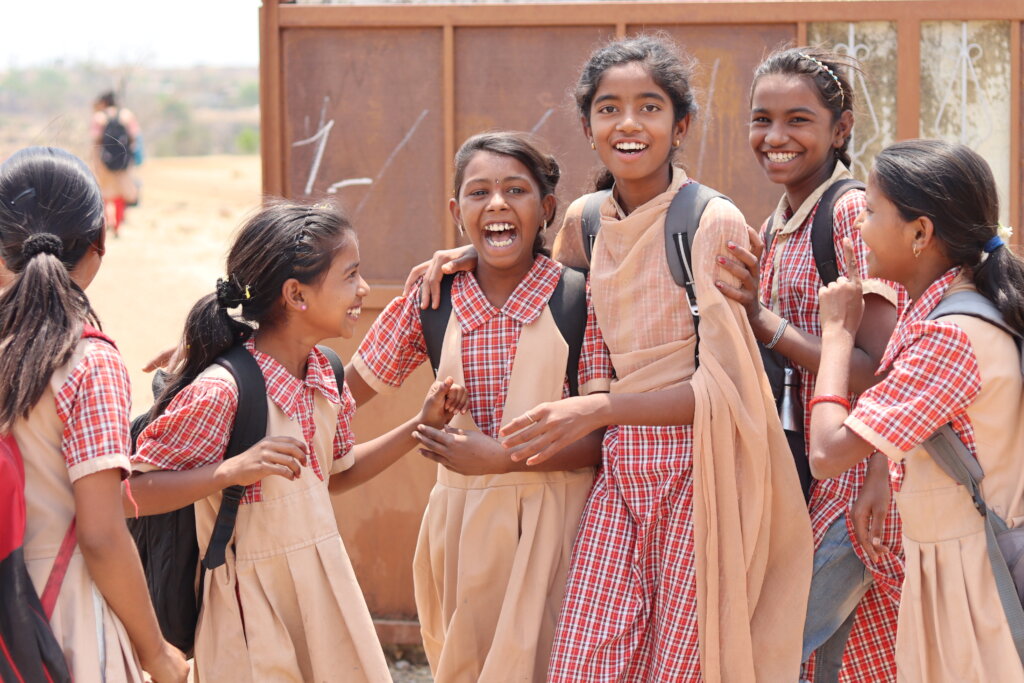
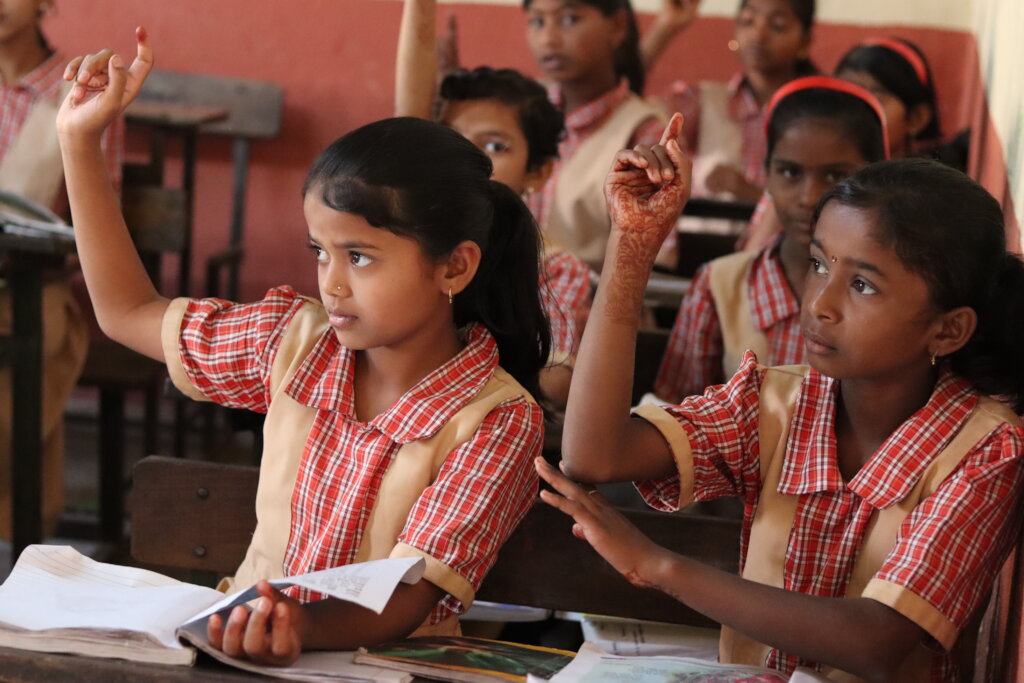
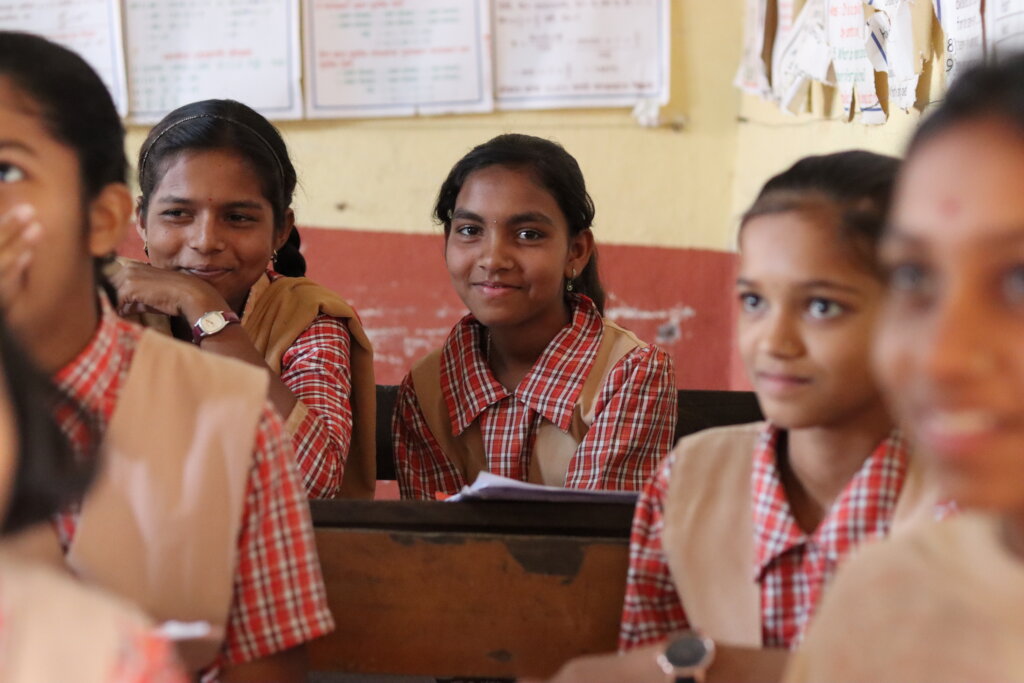
Here are the results of the team's report on the project's educational work.
Increased Enrolment of School Age Children.
- Using awareness raising methods such as postering, meetings, rallies, theatre and exhibitions 8550 people in the project area were informed of the importance of child education.
- 777 letters were sent to families whose child is of school going age on their child’s admission to school.
- A new First Day Programme was organised in schools where children were welcomed with drawing books, coloring pencils, chocolates and caps. 855 children (426 boys, 429 girls) took part.
Higher completion rates at primary level.
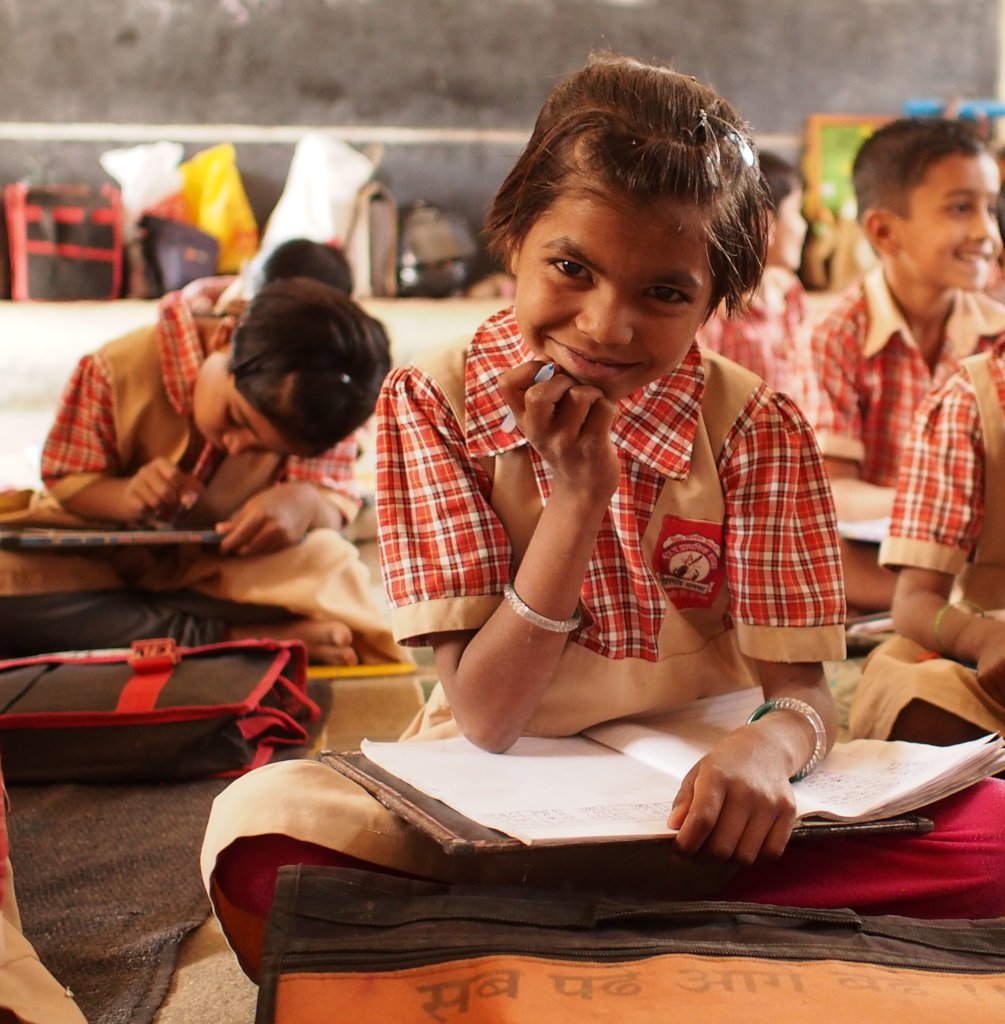
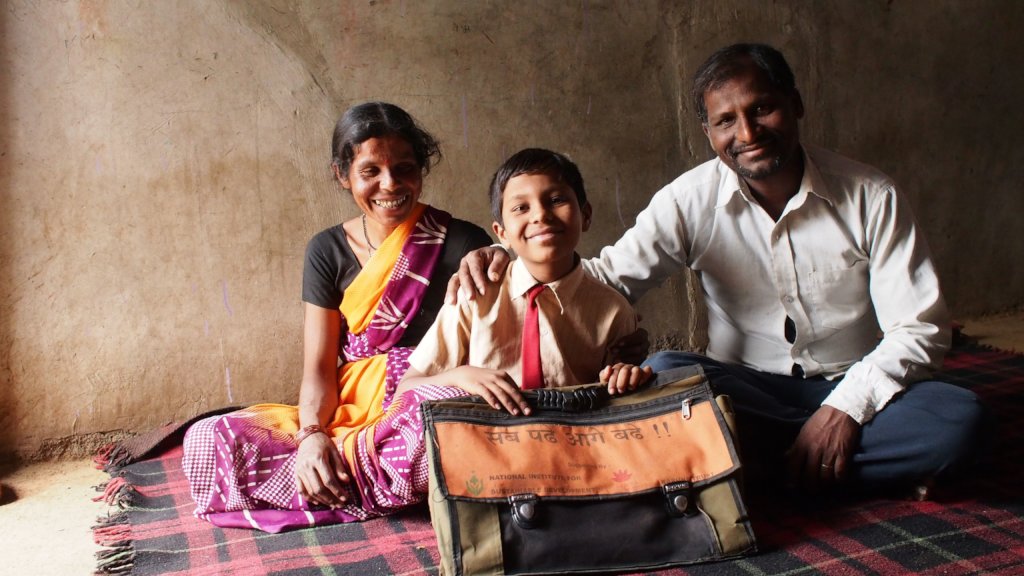
- Education resources like notebooks, campus boxes, uniforms and school bags were given to 2,534 poor children (1,362 boys and 1,172 girls).
- The team printed and distributed 11,622 special notebooks on which posters related to educational messages were printed. This helped create greater awareness among the local community on education, child rights and hygienic habits.
- This year the project organised 3 training sessions on modern creative teaching methods in which 399 school teachers took part (237 male and 162 female).
- 548 pre-school teachers were trained in child care and child development issues which enabled them to look after children in a better way.
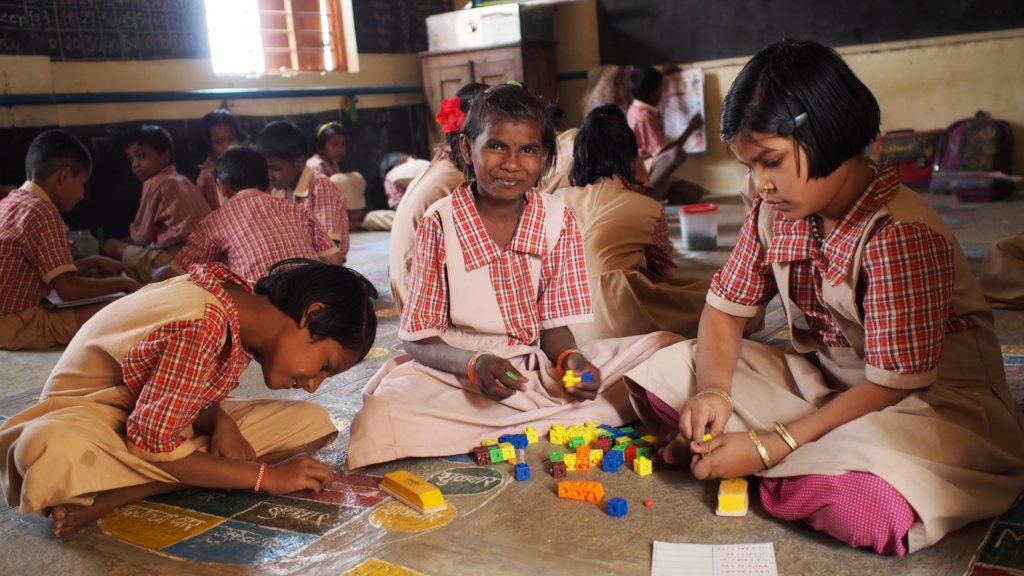
- The team organised reading improvement classes in 36 schools attended by 644 children (327 boys and 317 girls) who were falling behind.
- 3,668 children made use of the team’s mobile library (1,916 boys, 1,752 girls). Encouraged with the positive results, 10 schools developed their own school libraries.
Challenges
- Staff turnover was a problem that was reduced to some extent by increasing salaries and incentives.
- School management committee members were less willing to attend training organised at the district level. Therefore small training programmes were organised at the village level. This helped considerably in increasing attendance and involvement. The focus also shifted from classroom training to educational tours of the best performing schools. This strategy was seen to have an immediate positive impact on the motivation and engagement of the stakeholders.
Lessons Learned
- Rather than purchasing pre made notebooks, this year the team printed all notebooks for poor school children in the local market with the cover of each notebook featuring child rights, gender, hygiene and sanitation messages.
- The approach of exposure and educational tours of teachers and school managment committees to exemplary projects such as the best schools or best self-help group has worked better than classroom training in replicating best practice in schools.
![Share on Twitter]()
![Share on Facebook]()
Jul 17, 2015
Programme Manager's Report July 2015
By Kevin Croke | Project Leader
![Karuna Programme Manager Jonathan Clark]()
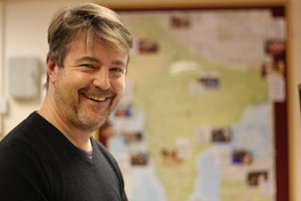
Karuna Programme Manager Jonathan Clark
Bellow is the Karuna Programme Manager's project summary for the last year's work.
The team have established a relationship of trust and equality with all stakeholders who now have a strong sense of ownership of the project. Most impressive of all is the role parents are playing in the management of the schools and in raising funds for infrastructural work and other needed resources. An informal network of school teachers has also come into being during this year where exchange of resources and learning takes place.
Through Karuna’s regular oversight, we identified areas of improvements for the project and worked together with our partner to strengthen and improve delivery, and ensure sustainability of their work. We put our partner in contact with a local expert who assisted them in putting in place a good system of monitoring progress of vocational training students and in undertaking a market survey to identify areas of demand and develop a more robust placement strategy with the local industries.
We also encouraged the project to develop a more systematic and sustainable relationship with the local education authorities by sharing their successful education improvement model. The team followed our recommendation and has now successfully become “Master Trainer”, undertaking teacher training for the local education department. The project has also been appointed as the NGO representative on the Women’s Development Committee set up to address issues faced by rural women; and as the NGO representative of the government child development services Anganwadi Development Programme.
![Share on Twitter]()
![Share on Facebook]()