By Marc balolebwami | Director
Project title: Generosity , voice of biodiversity in the DRC
Organization: GLORIOUS WOMEN'S LINKAGE
Project number 71812.
Title: Second report — Protecting biodiversity and strengthening local livelihoods
To our donors and partners,
DEAR DONORS,
We extend our warmest greetings and sincere thanks for your continued support of the " Generosity , voice of biodiversity in the DRC" project. Your generosity enables our organization to protect endangered species and restore natural habitats in eastern Democratic Republic of Congo.
REPORTING SUMMARY
Period covered: October 2025 – February 2026
Area of intervention: Rural communities and peripheral forest areas – East and Central- West of the DRC
Direct beneficiaries: ~420 people (households and community volunteers )
Local volunteers/partners: 28 trained volunteers, 6 village nature conservation committees
SUMMARY The "
Generosity , voice of biodiversity in the DRC" project aims to protect endangered species and restore natural habitats by combining community awareness, sustainable economic alternatives, and monitoring technologies to prevent the illegal capture of animals. We work with local communities to ensure solutions that respect local practices and are sustainable over time.
ACTIVITIES CARRIED OUT SINCE THE FIRST REPORT
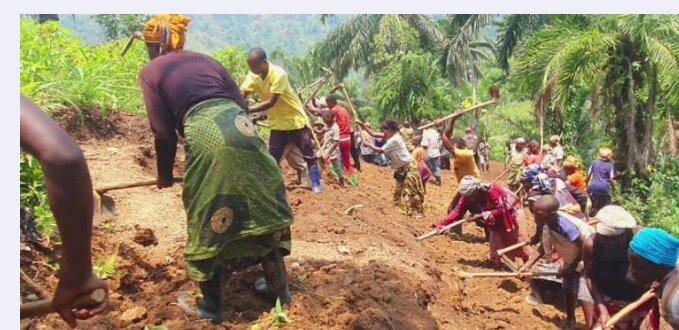
a) Organization of 10 awareness workshops (biodiversity, impacts of deforestation and climate change, laws on wildlife) bringing together 260 participants (including 165 women).
b) Practical sessions for 120 households on sustainable agriculture and agroforestry techniques (mulching, nurseries, intercropping).
a) Establishment of 6 village committees (28 members in total) responsible for monitoring, local mediation and reporting of offences related to wildlife and forest.
b) Development of local protection charters and a reporting protocol in partnership with local authorities.
a) Installation of 12 observation posts and regular community patrols coordinated by the committees.
b) Pilot tests of surveillance technologies (low power solar cameras) at 4 key sites to detect intrusions and document threats.
a) Launch of 3 production groups (local crafts, beekeeping, organic market gardening) involving 90 people; distribution of start-up materials and technical training.
b) Creation of 2 community nurseries producing 6,000 young plants of local species for reforestation.
OBSERVED RESULTS AND IMPACTS
a) Reduction in reported incidents: Community patrols and the presence of observation posts led to an apparent decrease in illegal catches at monitored sites during the pilot period (local data: -35% of reported incidents compared to the previous period).
b) Reforestation: 6,000 seedlings produced in nurseries; 2,500 seedlings replanted in degraded plots during community restoration activities.
c) Alternative income: Craft and beekeeping groups have started to generate modest income for 45 households, reducing their pressure on hunting and logging.
d) Awareness: Post-workshop evaluations show an average improvement of 55% in knowledge about biodiversity and sustainable practices among participants.
TESTIMONIAL
“Before, we thought hunting was the only way to feed our families. After the training and thanks to beekeeping, I have a new source of income and I protect the forest for my children.” — Member of a beekeeping group, Ngweshe village
CHALLENGES AND ENCOUNTERS
a) Security and access: local instability continues to hinder some patrols and regular access to the most threatened areas.
b) Limited funding: additional funds are needed to extend the coverage of solar cameras and ensure the continued purchase of consumables for nurseries.
c) Technological maintenance: solar cameras and equipment require regular maintenance and proper training for local committees.
ACTIONS PLANNED FOR THE NEXT 3–6 MONTHS
a) Expanding technological monitoring: acquisition and installation of 18 additional solar cameras and further training for local committees on maintenance and data analysis.
b) Reforestation and restoration: targeted planting of 10,000 additional seedlings in three priority areas and creation of a community maintenance schedule.
c) Strengthening economic alternatives: support for the marketing of artisanal and beekeeping products (training in management, packaging and access to local markets).
d) Local advocacy: formalize partnerships with local environmental authorities to improve the response to detected violations.
FUNDING NEEDS (SUMMARY)
a) Solar cameras and installation (18 units): USD 5,500
b) Nursery equipment and supplies (plants, substrate, tools): USD 3,000
c) Training and capacity building (workshops, materials): USD 4,500
d) Support for the marketing of local products: USD 4,000.
Total requested: USD 17,000.
COMPLIANCE AND GOVERNANCE
All activities are implemented in collaboration with village committees and in accordance with local regulations. We maintain financial records and regular activity reports and are committed to full transparency with donors and partners.
CONCLUSION AND CALL TO ACTION
The initial results are encouraging: the combination of community monitoring, technology, and economic alternatives shows real potential to reduce pressure on wildlife and restore habitats. We invite our partners and donors to support the expansion of these actions to ensure the sustainability of the gains achieved and to protect the DRC's biodiversity for future generations.
Project reports on GlobalGiving are posted directly to globalgiving.org by Project Leaders as they are completed, generally every 3-4 months. To protect the integrity of these documents, GlobalGiving does not alter them; therefore you may find some language or formatting issues.
If you donate to this project or have donated to this project, you can receive an email when this project posts a report. You can also subscribe for reports without donating.



Support this important cause by creating a personalized fundraising page.
Start a Fundraiser