By Lucas Haron Akol | Project Leader
STAKEHOLDERS DIALOGUE ON LAYING STRATAGIES TO END CHILD MARRIAGE AND TEENAGE PREGNANCY
In Uganda, approximately 40% of girls are married before 18, and 24% of girls aged 15-19 are either pregnant or already mothers. These issues are particularly severe in Northern Uganda, including the Acholi and Lango sub-regions, where cultural practices, economic hardships, and a history of conflict exacerbate the problem.
Addressing these challenges involves the active participation of cultural, local, and traditional leaders, who can influence social norms and enforce laws.
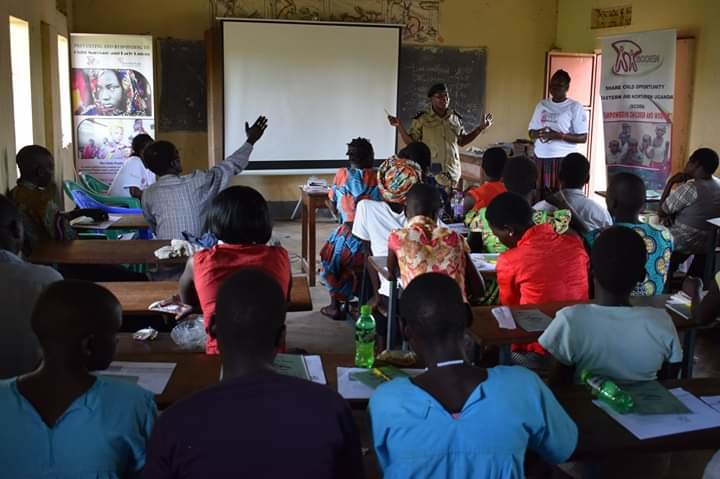
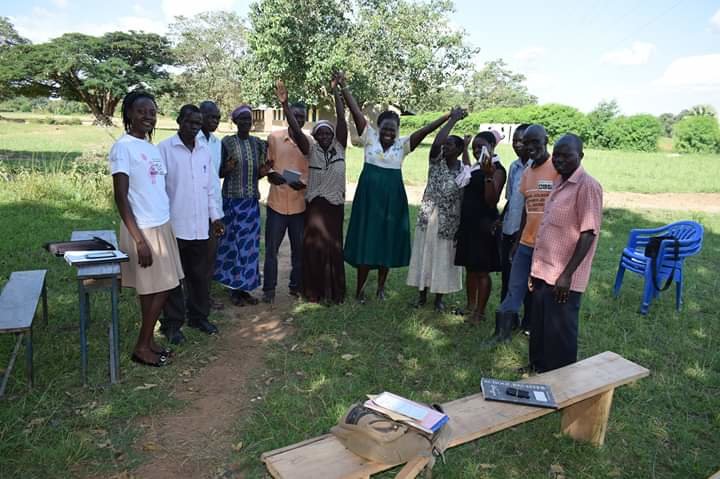
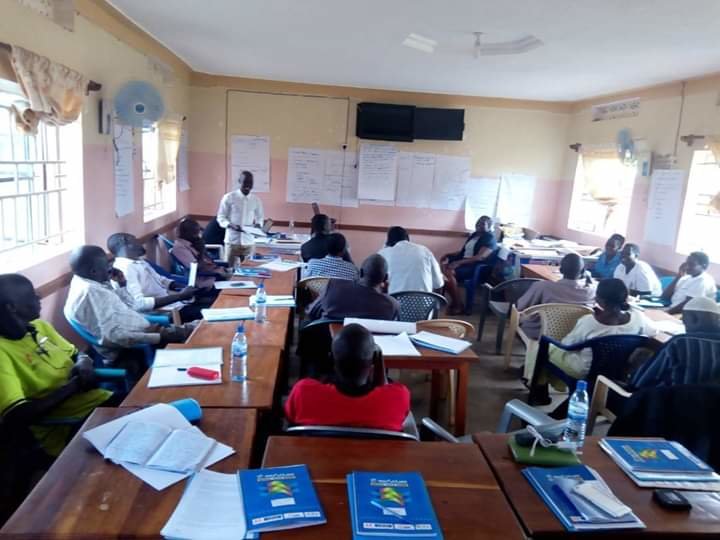
SCOEN convened a stakeholder dialogue in Bukedea district, focusing on laying strategies to end child marriage and teenage pregnancy in entire Teso sub-region. The dialogue brought together a diverse group of participants, including cultural leaders, District and Sub County officials, representatives from civil society organizations (CSOs), and religious leaders, all united in their commitment to tackling this pressing issue.
Speaking at the event The District Community Development Officer (DCDO) expressed deep concern over the persistently high rates of child marriage and teenage pregnancy in the region, citing a 28% teenage pregnancy rate in region as of 2020. She recounted the challenges faced when engaging cultural leaders, who sometimes resist efforts to combat these practices due to deep-seated traditions and norms. She revealed that social workers working toward ending child marriage in Teso as a region are facing death threats.
[………there was a time when the situation of child marriages was very bad in Amach. We went there with police and conducted
 a massive engagement of that community through sensitization on child protection. Furthermore, we went ahead and wrote a
 position paper in 2018 to address issues of child abuse and it was disseminated to social workers and cultural leaders. I wrote a provocative paper concerning issues of child marriage and one time, while we were in a meeting engaging cultural leaders, I
 shared it in the meeting. As we were going for breakfast after presenting the paper, one of the cultural leaders came to me and told me, “If you think you are going to hold that personal, you are going to die. You need to relax.” It hurt me and it still hurts me up to now because I expected the cultural leaders to come out and help us fight these issues. So, I discovered that we duty bearers don’t take issues seriously”] said the DCDO.
Cultural leaders emphasized the importance of parental involvement and the dangers of neglecting children, who are often exposed to harmful influences such as pornography or abuse. They also pointed out that traditional practices, like sending children to live with relatives, can expose them to risks that contribute to early marriage and pregnancy.
The dialogue revealed several challenges, including the cooperation between victims and perpetrators, misconceptions about children’s rights, and the vulnerability of senior teachers. Participants recommended early dissemination of discussion topics, involving victims and teenagers in future dialogues, and extending the dialogue to local leaders and religious figures to foster broader community engagement.
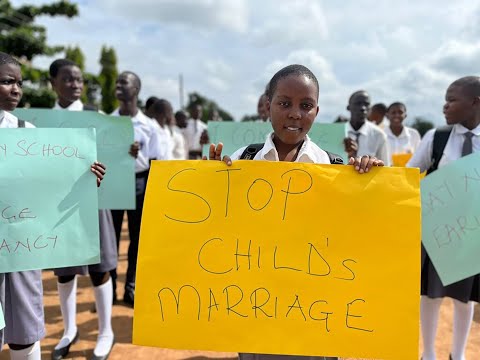
This stakeholder dialogue marked a significant step in the ongoing efforts to end child marriage and teenage pregnancy across the country.
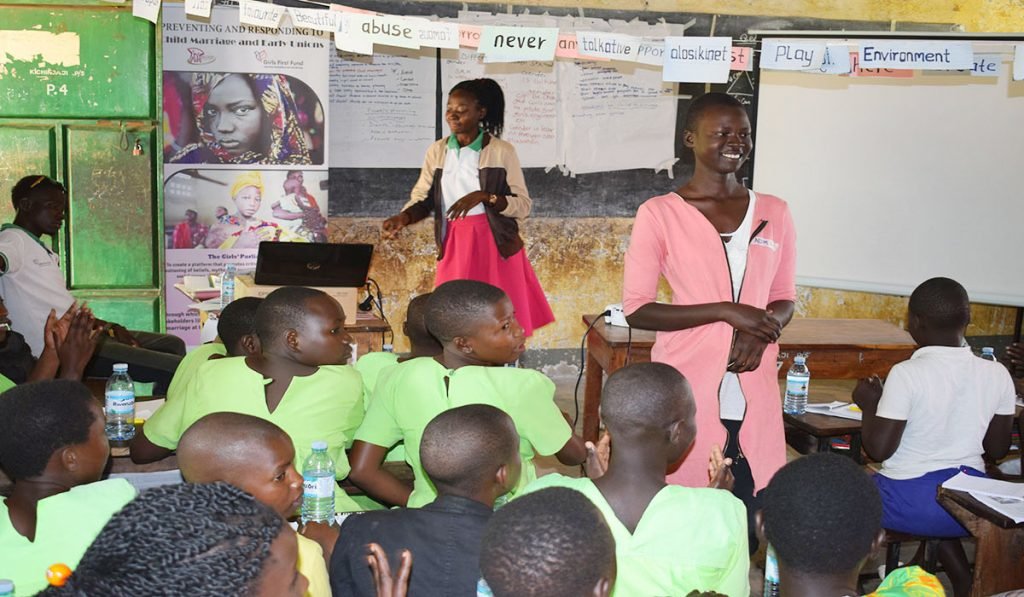
This dialogue is part to the broader project supported by our dedicated support from the Gloablgiving platform, which aims to Enhancing coordination and learning to end child marriage in Uganda. This project aims to strengthen collaboration andworking at the community, regional, and national levels to combat child marriage in Uganda among stakeholders working to end child marriage in Uganda. By fostering dialogue among diverse groups, the initiative fostered a collaborative approach to tackling these deeply entrenched issues, laying the groundwork for sustained action and positive change in the region.
At the national level, SCOEN’s work supports the implementation of Uganda’s National Strategy on Ending Child Marriage and Teenage Pregnancy of which we have contributed to the development and adoption of this strategy.
SCOEN’s efforts to end child marriage directly contribute to several SDGs, particularly:
Project reports on GlobalGiving are posted directly to globalgiving.org by Project Leaders as they are completed, generally every 3-4 months. To protect the integrity of these documents, GlobalGiving does not alter them; therefore you may find some language or formatting issues.
If you donate to this project or have donated to this project, you can receive an email when this project posts a report. You can also subscribe for reports without donating.



Support this important cause by creating a personalized fundraising page.
Start a Fundraiser