By Akol Lucas Haron | Project Leader
Dear Partners and Friends,
The Girl Parliaments project is on track. The most visible change is not only in the numbers but is in the sound of girls’ voices in rooms where decisions are made. Girls who once listened quietly are now standing before parents, elders, and local leaders to say, “A girl is not a price to be paid. She is a person with rights.”
What we set out to do
SCOEN’s Girl Parliaments is a leadership development initiative focused on ending child marriage by strengthening girls’ advocacy skills. Through peer education, girls share what they learn with classmates and other peers. Through community forums, they practice public speaking and leadership. And through trained facilitators, we open dialogues with parents, local leaders, and other key stakeholders to shift social norms around child marriage.
What has happened so far
1. Girl Parliament sessions are alive and growing
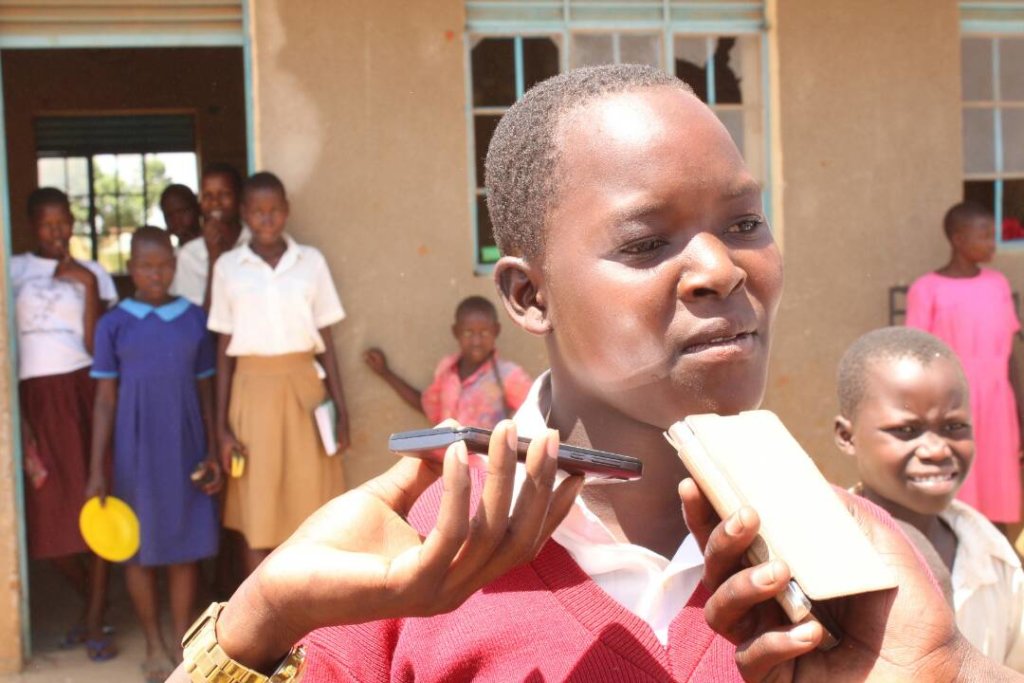
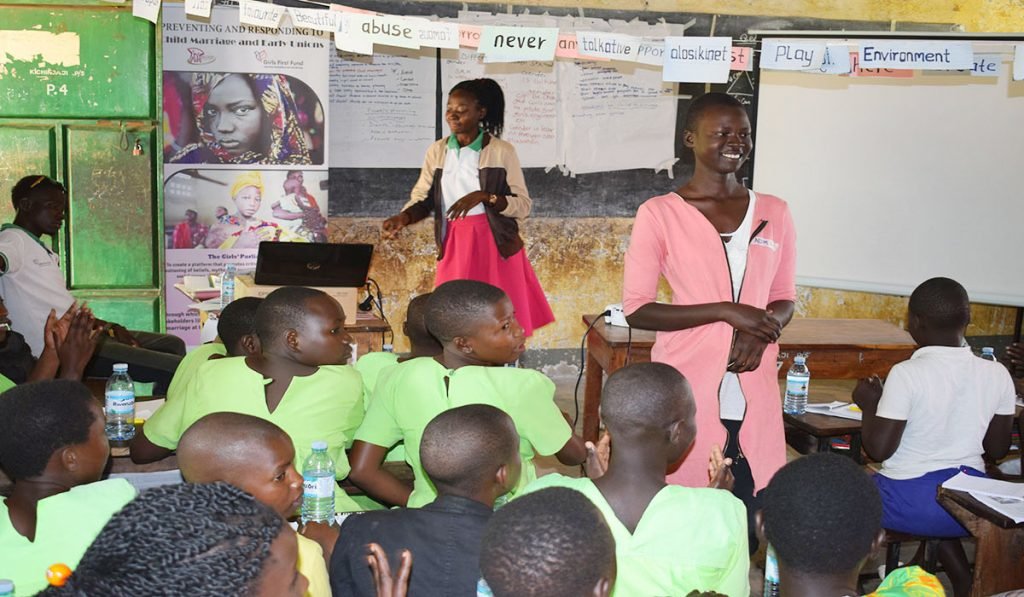
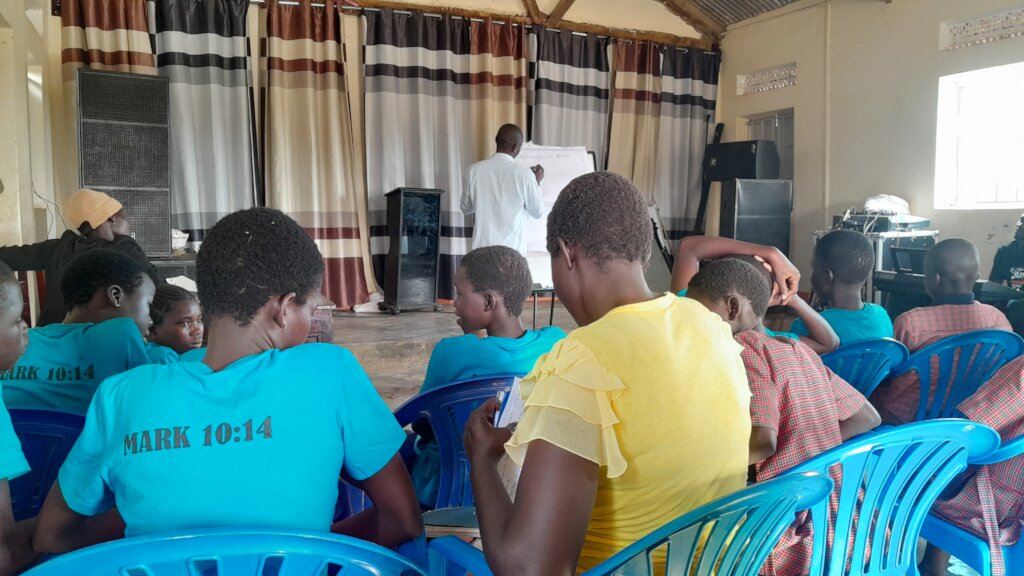
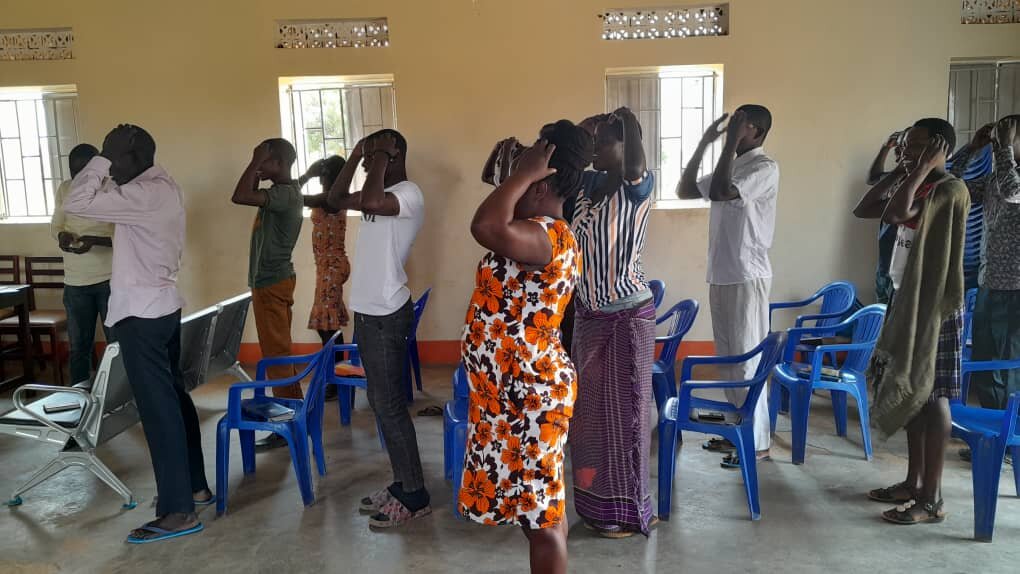
We have established 6 Girl Parliaments in 4 schools/communities, with 329 girls regularly participating. Sessions cover girls’ rights, the dangers of child marriage, consent, legal protections, public speaking, and peer mentoring. Attendance is strong, and girls are beginning to co-facilitate sessions themselves. One girl said, “Before, I thought marriage was my only future. Now I know I can speak for myself.”
2. Peer education is creating a ripple effect
Each Girl Parliament member has committed to sharing her learnings with classmates and peers. So far, girls have reached approximately 1816 peers through classroom talks, drama, poetry, and informal conversations. The message is simple and powerful: child marriage ends girls’ education, harms their health, and limits their future. Peers are now asking questions, reporting concerns, and supporting girls who are at risk.
3. Girls are stepping into community forums
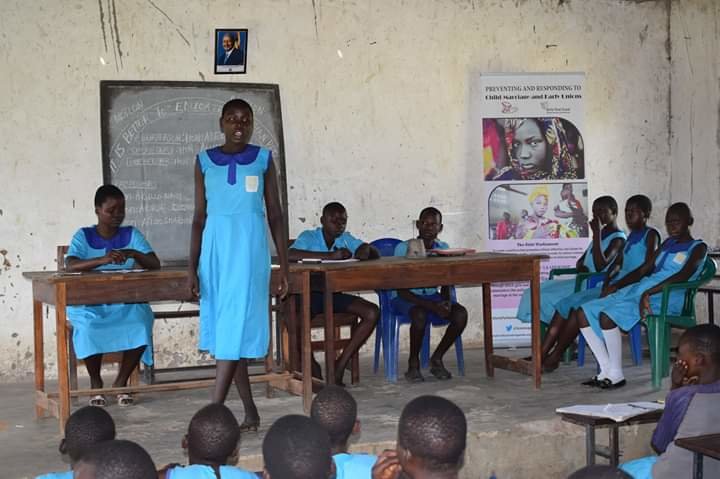
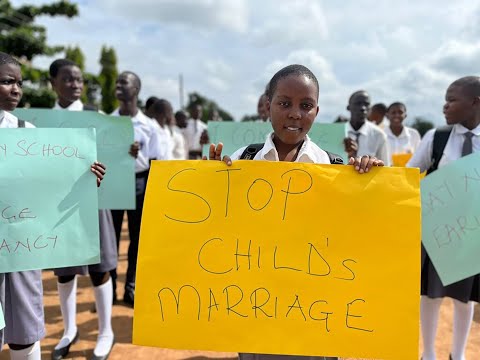
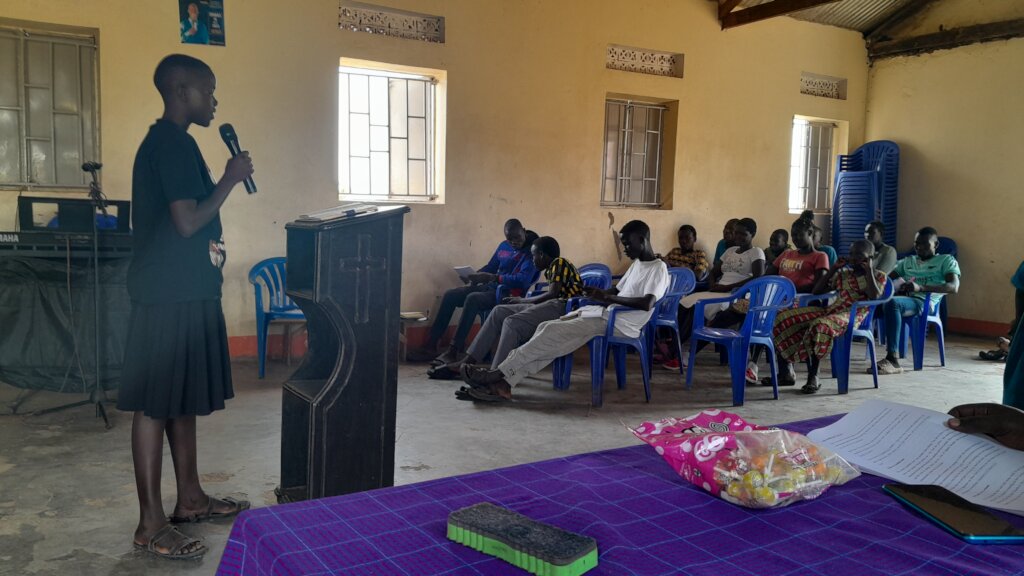
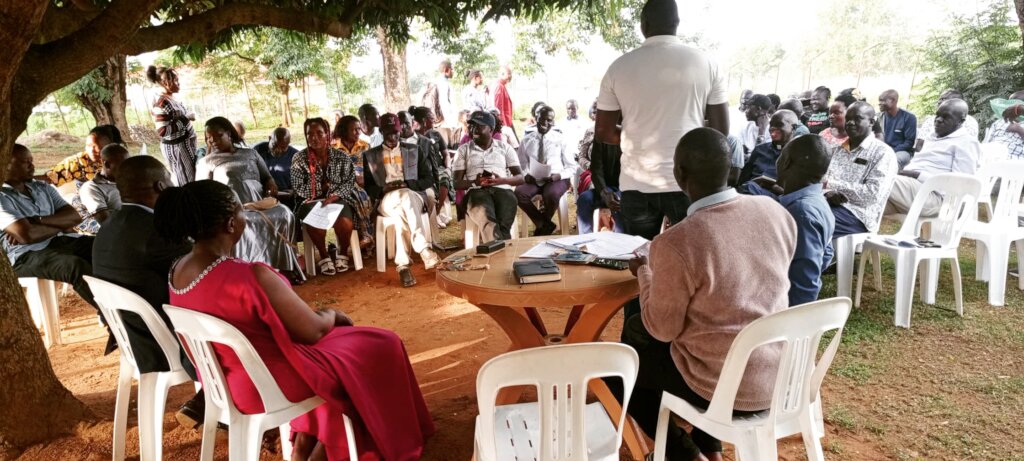
We have supported 329 girls to participate in 6 community forums with parents, local leaders, religious leaders, and local officials. Girls have presented, facilitated small group discussions, and asked leaders to take a public stand against child marriage. In 6 communities, leaders signed pledges or made verbal commitments to protect girls’ rights. These are early signs, but they matter.
4. Facilitators are trained and reaching key stakeholders
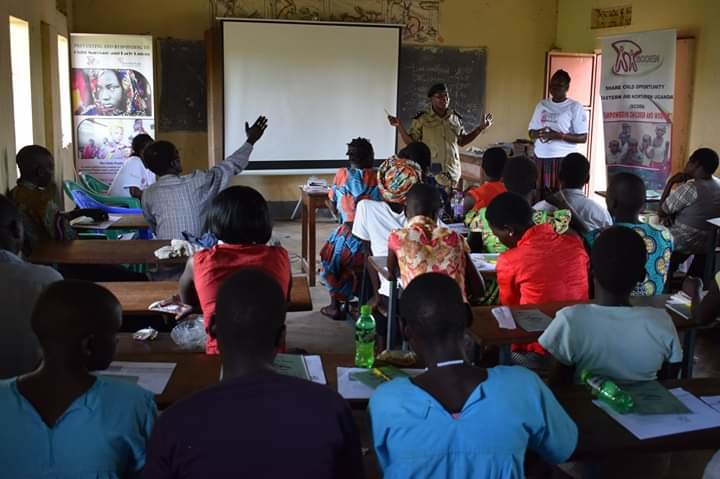
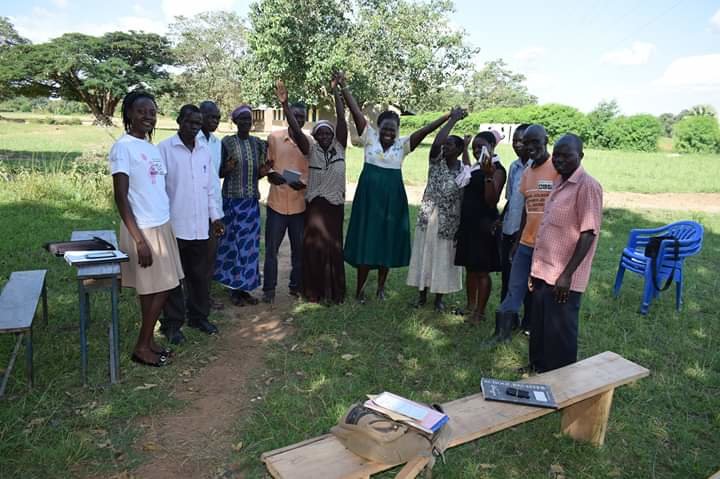
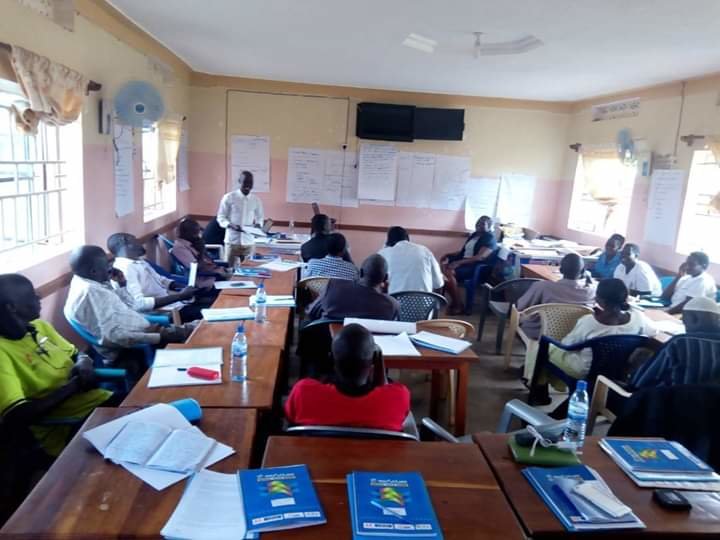
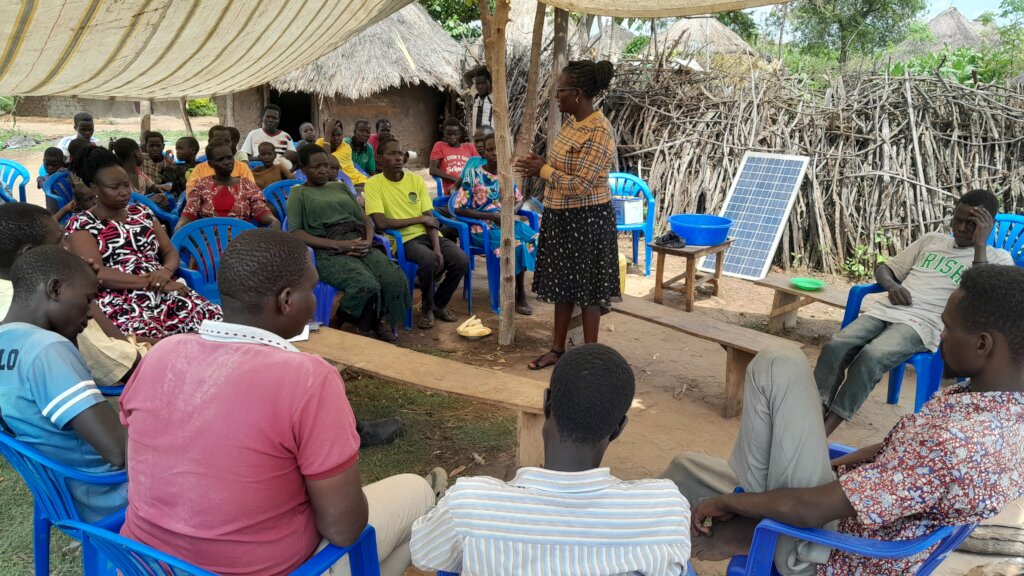
We trained 32 more facilitators on safeguarding, gender norms, community dialogue, conflict sensitivity, and referral pathways. They have since held 9 community outreach sessions, reaching 574 parents, elders, and local leaders. The conversations are not always easy, but they are happening. As one facilitator put it, “We are not fighting culture. We are asking our community to protect its daughters.”
A story from the field
Acibo, 15, used to think child marriage was simply “our tradition.” After six Girl Parliament sessions, she spoke at a community forum. Her father was in the audience. He had come to defend custom. But as Acibo spoke about her dream of becoming a nurse, the room grew quiet. Later, her father said, “I came to defend our ways. I left understanding that protecting my daughter is also our way.” Since then, he has refused two marriage proposals for Acibo and enrolled her in a science club. Names changed for privacy.
Challenges we are facing
Lessons learned
Next steps
Conclusion
Progress is not only counted in workshops or attendance sheets. It is a father changing his mind. It is a girl standing up in a crowded hall. It is a community beginning to see child marriage not as destiny, but as a violation. We are not there yet. But the girls are leading the way and communities are starting to listen.
By Lucas Haron Akol | Project Leader
By Lucas Haron Akol | Project Leader
Project reports on GlobalGiving are posted directly to globalgiving.org by Project Leaders as they are completed, generally every 3-4 months. To protect the integrity of these documents, GlobalGiving does not alter them; therefore you may find some language or formatting issues.
If you donate to this project or have donated to this project, you can receive an email when this project posts a report. You can also subscribe for reports without donating.



Support this important cause by creating a personalized fundraising page.
Start a Fundraiser