By Ana Laura Godinez | Project Leader
Over the past few months, the formalization of the organizations that will make up the new 2026–2028 accompaniment cycle was completed. For the migration portfolio, a cohort of 16 organizations was formed, comprising MAPAS, Espacio Migrante, Iniciativas para el Desarrollo Humano A.C. (IDEHU), Colectivo Yaxchena, Tzome Ixuk, Casa Arcoíris, Casa Frida, Partería y Medicinas Ancestrales, Centro 32, Red de Familias Migrantes, Luna Maya, Jardín de las Mariposas, CoLibres, Una Mano Amiga en la Lucha contra el SIDA (UMALSIDA), AfroParacas and Caminantas.
Of these, eight were renewed for a new cycle based on their demonstrated commitment and shared responsibility, as well as other factors such as geographic location and the relevance of their thematic focus within the broader context. In addition, three organizations are part of the Sustainability Lab, an initiative by Fondo Semillas that provides five years of accompaniment and resources aimed at strengthening the sustainability processes of social movements.
Together, these organizations have a presence in at least 12 states in Mexico: Baja California, Chiapas, Mexico City, State of Mexico, Jalisco, Morelos, Oaxaca, Querétaro, Quintana Roo, Sonora, Tamaulipas, and Veracruz.In addition, Red de Familias Migrantes maintains international connections with Honduras, Guatemala, El Salvador, Nicaragua, Cuba, Ecuador, Colombia, the United States, and Spain.
Over the next 18 months, their work is expected to directly benefit 8,975 people, with an additional 18,000 reached through digital spaces led by CoLibres. The populations they work with include women, girls, adolescents, Indigenous and Afro-descendant people, LGBTIQ+ people, trans and intersex people, people with disabilities, migrants and refugees, as well as families of disappeared migrants. We underscore the intersections of migration, gender, sexual and gender diversity, racialization, age, violence, and inequality across the activities to be implemented.
The strategies to be developed are comprehensive in nature, combining direct services, training, psychosocial support, capacity strengthening, network building, institutional coordination, and the creation of conditions for greater autonomy. For example, Yaxchena works in Chiapas with women, girls, and trans and intersex people experiencing forced displacement through services focused on care, prevention, training, and rebuilding the social tissue.
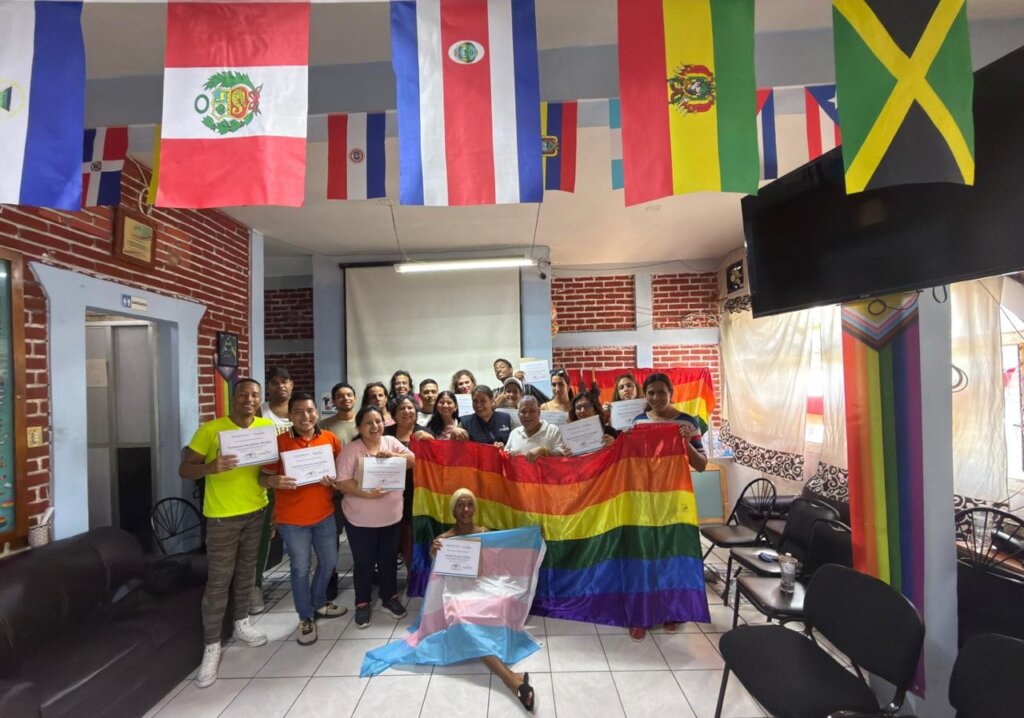
In Tijuana, Baja California, Casa Arcoíris and Jardín de las Mariposas maintain safe spaces for LGBTIQ+ people on the move, combining shelter with health and mental health services, as well as employment counseling and guidance. Similarly, Casa Frida carries out this type of work in Mexico City, focusing on LGBTIQ+ people who have survived violence.
Among the supported organizations, Centro 32 places particular emphasis on economic autonomy through entrepreneurship, psychosocial support, and connections to services for women on the move in Tijuana, reaching approximately 400 people.
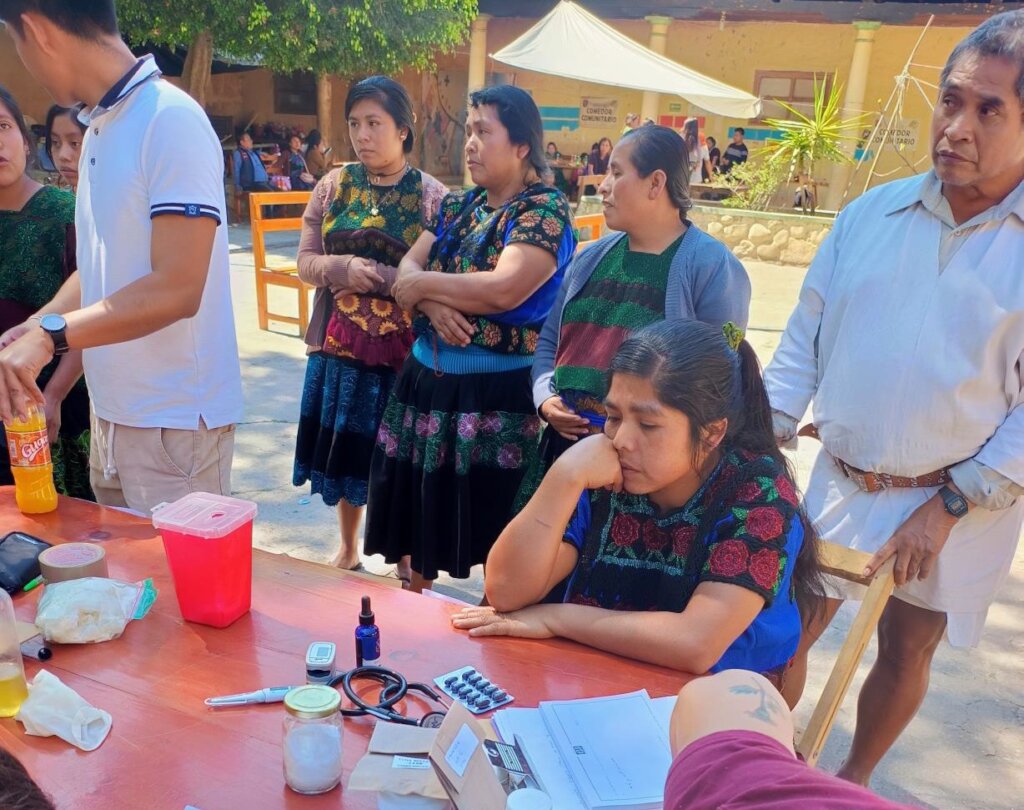
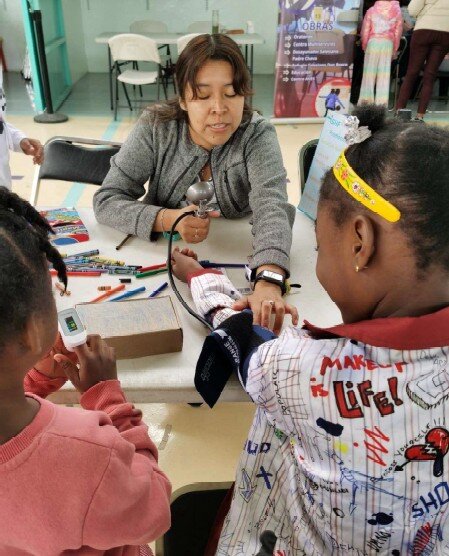
Access to sexual and reproductive health is another important area, not only as a means of providing services, but also as a pathway to strengthening people’s decision-making capacity and autonomy. In this regard, we highlight the work of Partería y Medicinas Ancestrales, which provides sexual education, contraception and prenatal care, support for survivors of sexual violence, abortion care, and post-abortion care. These services particularly focus on people facing barriers related to age, legal status, or linguistic diversity.
As mentioned above, Red de Familias Migrantes accompanies families of disappeared migrants in their search and access to justice processes, connecting national and international networks. CoLibres strengthens the capacities of women on the move and human rights defenders for collective protection and digital security through training processes and alliance building.
Finally, AfroParacas works to prevent sexual violence by combining community capacities, care networks, and the participatory generation of knowledge. In the coming months, we will continue accompanying the work of these organizations and highlighting progress in advancing the human rights of migrants.
By Ana Godinez | Project Leader
By Ana Godinez | Project Leader
Project reports on GlobalGiving are posted directly to globalgiving.org by Project Leaders as they are completed, generally every 3-4 months. To protect the integrity of these documents, GlobalGiving does not alter them; therefore you may find some language or formatting issues.
If you donate to this project or have donated to this project, you can receive an email when this project posts a report. You can also subscribe for reports without donating.



Support this important cause by creating a personalized fundraising page.
Start a Fundraiser