By Paco Alcaide | Regional Director
20 Years of Community Library Impacts in Central America
20 years ago, many people in rural villages of Honduras and Guatemala would have never read an entire book, much less owned one. The idea of a modern community library – open and free to all – would have seemed like a dream. That dream became a reality in 2000 when the first Riecken Community Library was opened in Sulaco, Yoro in Honduras by Susan Riecken and Allen Andersson, and Sister Fátima from the church who offered a location on which to build it.
Since then, Riecken Community Libraries, in partnership with local communities and their municipal governments, has built a vibrant network of libraries in Honduras and Guatemala, holding to the belief that community libraries democratize access to information, create opportunities for social change, and serve as agents of human and community development.
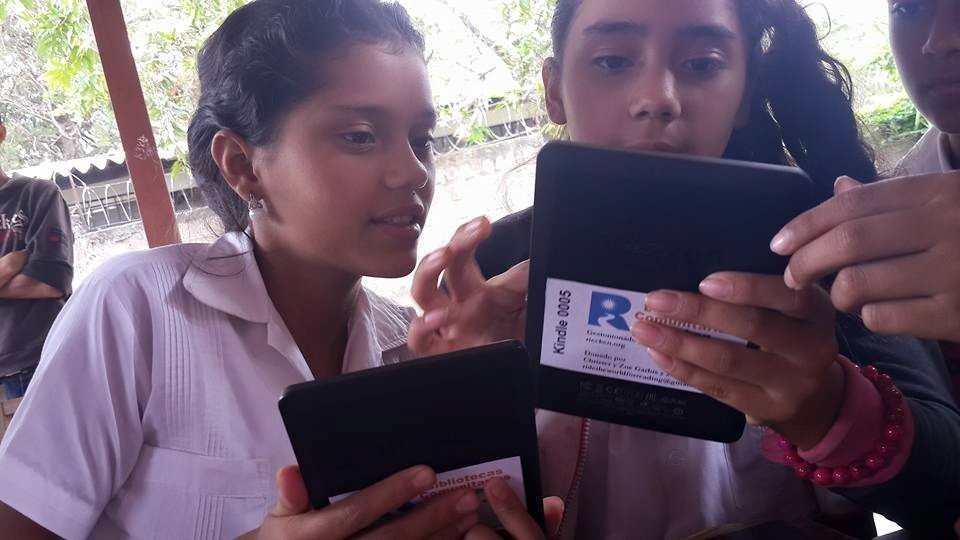
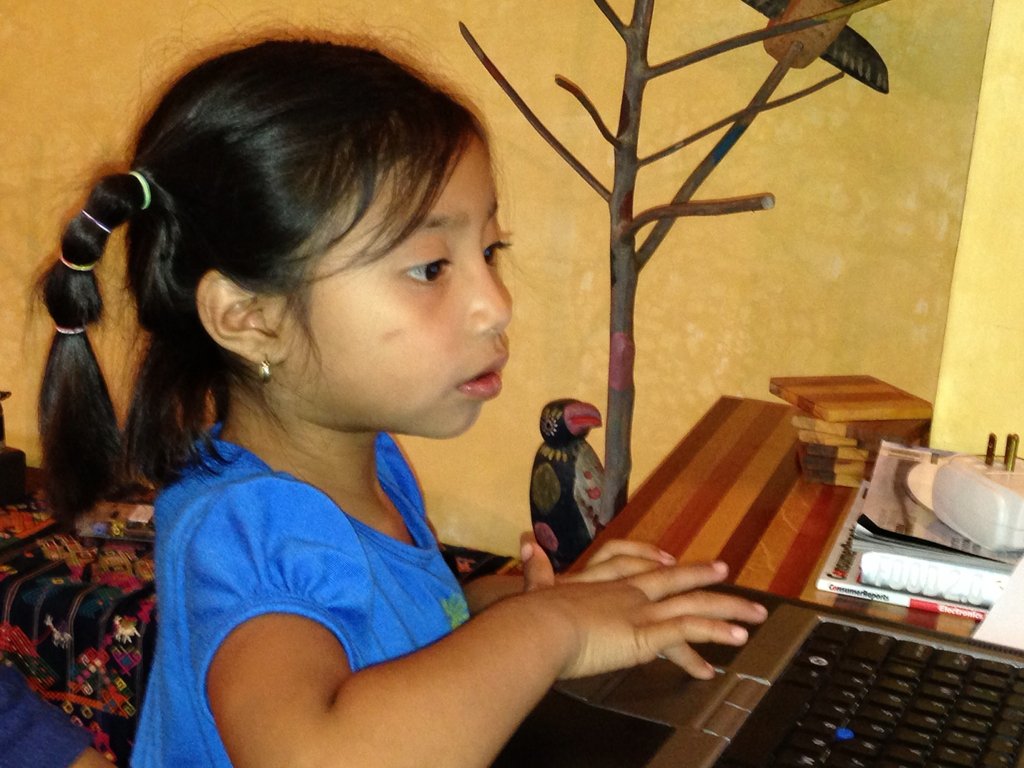
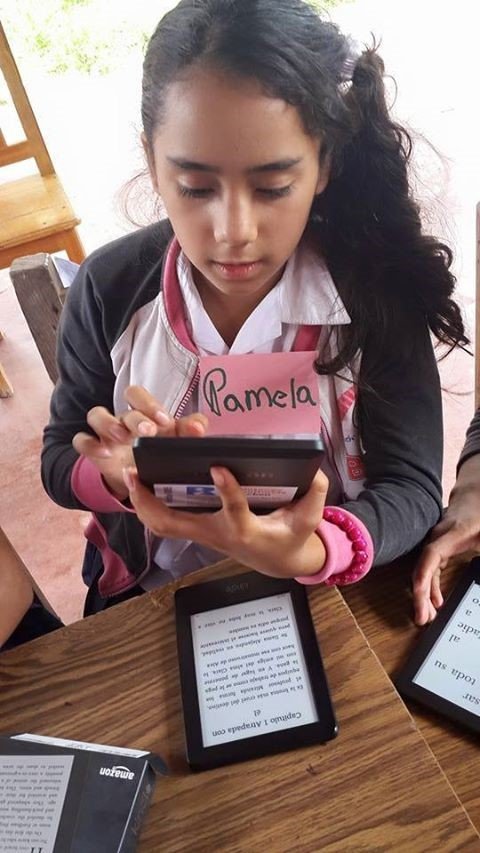
This work has resulted in more than 10 million library visits to 65 Riecken Community Libraries, offering life-changing opportunities to individuals, their families, and communities. In 2019 alone, a total of 460,000 library visitors accessed books, computers, training programs and resources gaining high-value skills, opportunities for economic independence, and connection to the world outside their community. In Riecken library communities reading skills have improved school performance through programs not available from public schools. The libraries supplement information sources and training for teachers and have positively influenced the content of what is taught in many secondary school classrooms. Nearly 10,000 people (68% women) are active participants in health and nutrition of their children and communities because of the reading and nutrition programs, currently being expanded throughout the Riecken library network.
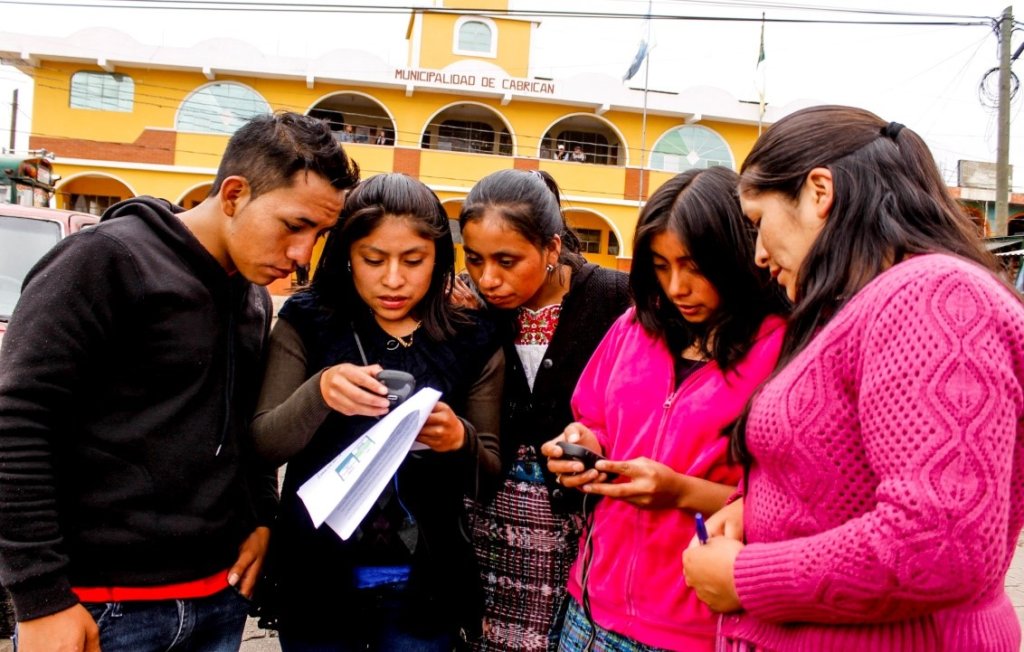
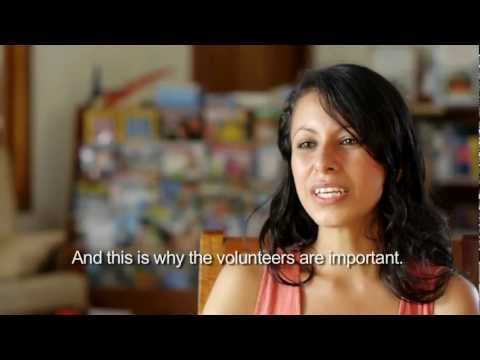
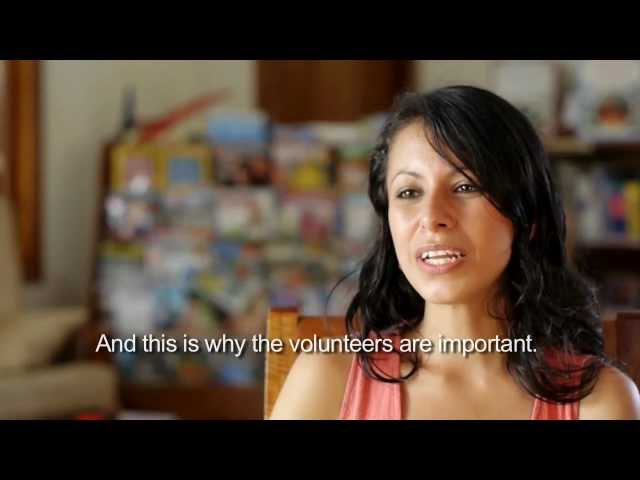
Library-initiated projects solving local challenges in Riecken library communities have included filtered water pump project for local potable water, Youth HIV/AIDS awareness and reproductive health training, development of local teacher skills using the library as a base, online access to banking, school registration and training, and marketing workshops for local products such as coffee and aloe – to name a few. Because there is a high degree of trust in library leadership and volunteer desire for the skills offered, Riecken Community Libraries maintains a high level of volunteerism that keeps the libraries running smoothly. The 9,000 volunteers represent annual in-kind support of over $400,000 USD.
The Riecken library buildings – all built between 2000 and 2017 – range in size and design, depending on the community in which it was built, with on-going general maintenance dependent upon tightly constrained local resources. Engineering assessments found that the most common repair needs of the libraries included major roof repairs or replacement. Such structural weaknesses grow worse with lack of attention, and are now being addressed with resources, materials and labor – with greatest need being resolved first. Book and equipment wear-and-tear is costly in a community library environment, not to mention the speed with which technology surpasses available hardware for its effective use.
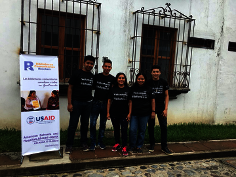
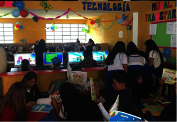
In 2016, Riecken began to receive major USAID/ASHA support to fund both durable commodities (furniture, computers and technology, and books) and much needed building repairs and construction. Durable commodities, such as computers and technology, have been crucial in Riecken’s reading, women’s leadership and youth programming. Building repairs have been key to improving the prestige of the library in their communities. Coupled with librarian training held in 2019, the rejuvenating power of these resources is visible in site visits made during the year.
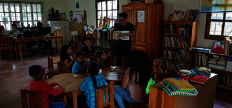
Highly valued by the community it serves, each Riecken library goes well beyond traditional library activities, providing space where local issues are analyzed and discussed, and people read and research to identify local solutions together as a community. Today, in Honduras and Guatemala where political strife, violence and desperate economic conditions prevail, this can be critical to their very chances for survival.
Introducing the modern American library to Central America has brought positive change to the lives of individuals, their families and their communities. As a key driver of this new paradigm and on its 20th Anniversary, Riecken Community Libraries celebrates a culture and tradition of innovation each time one of its libraries opens its doors. In this process Riecken is proud to advocate for its partners and the US values Riecken brings to the region.
With support from USAID/ASHA (American Schools and Hospitals Abroad) to upgrade books, technology and furniture, and building renovations, Riecken community libraries will continue to help transform a single building block -- a community library with free computers, internet, print resources and programs -- into a springboard for democracy building, local leadership development, women’s empowerment, civic engagement and social justice in Honduras and Guatemala. Riecken community Libraries are a demonstration and promotion American principles of inclusiveness and equality, civic engagement, free expression and independent inquiry. Together with the USAID / ASHA program, we will give a concrete response to promote community cohesion, so damaged by the current situation. We are proud to see the flexibility of the Riecken Community Library sustainability model in action, allowing for relevant local response to this worldwide calamity.
Riecken Community Libraries are a social platform and an essential space for the social cohesion present in 65 communities in Honduras and Guatemala.
Learn more about the work of the Riecken Foundation and its network of community libraries in Guatemala.
Links:
Project reports on GlobalGiving are posted directly to globalgiving.org by Project Leaders as they are completed, generally every 3-4 months. To protect the integrity of these documents, GlobalGiving does not alter them; therefore you may find some language or formatting issues.
If you donate to this project or have donated to this project, you can receive an email when this project posts a report. You can also subscribe for reports without donating.