By Lu Yue | TFT ER Team
When a child says, “I can’t,” is it really about ability?
When a child seems distant or indifferent, what might they actually be feeling?
And how often do we miss the quiet moments of disappointment that go unspoken?
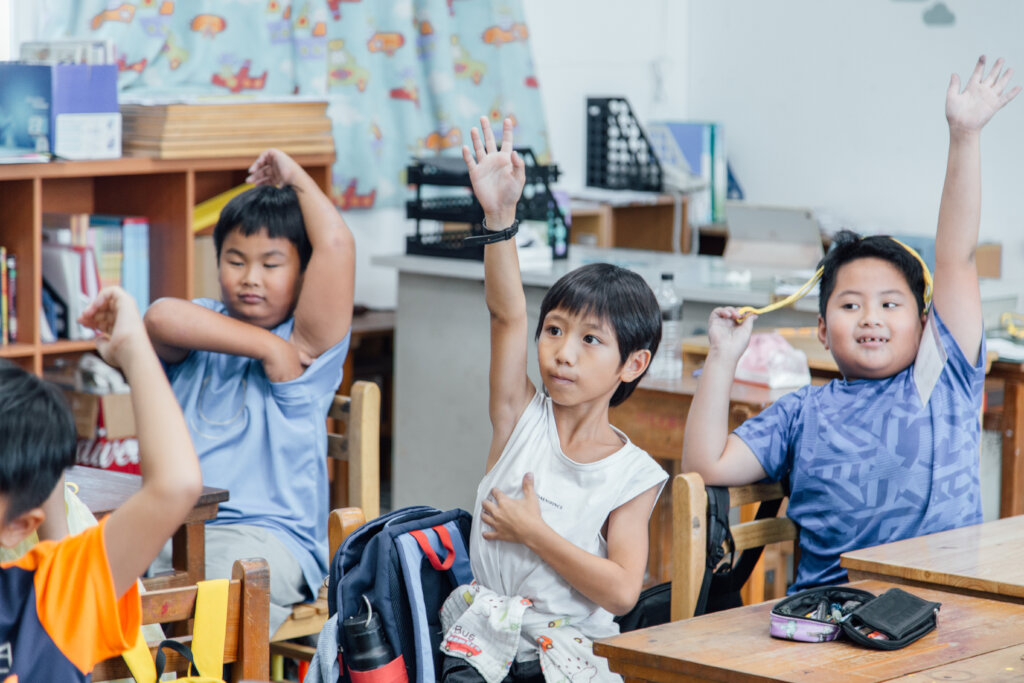
In the classroom, we’re learning something important: some children aren’t unwilling to engage—they just haven’t been reached yet.
A Door That Wouldn’t Open: My Distance from Xiao-Xin
“I just don’t feel it… I don’t know how to write this.”
I still remember when I first met Xiao-Xin (pseudonym).
It felt like we were constantly pushing against each other.
I tried different ways to reach him—even using reverse psychology, hoping he would respond.
But time and again, I couldn’t quite get through.
It felt like I was holding a ring of keys, yet none of them could unlock his door.
All I could do was stand outside, looking in.
The Moment I Saw Him Shine
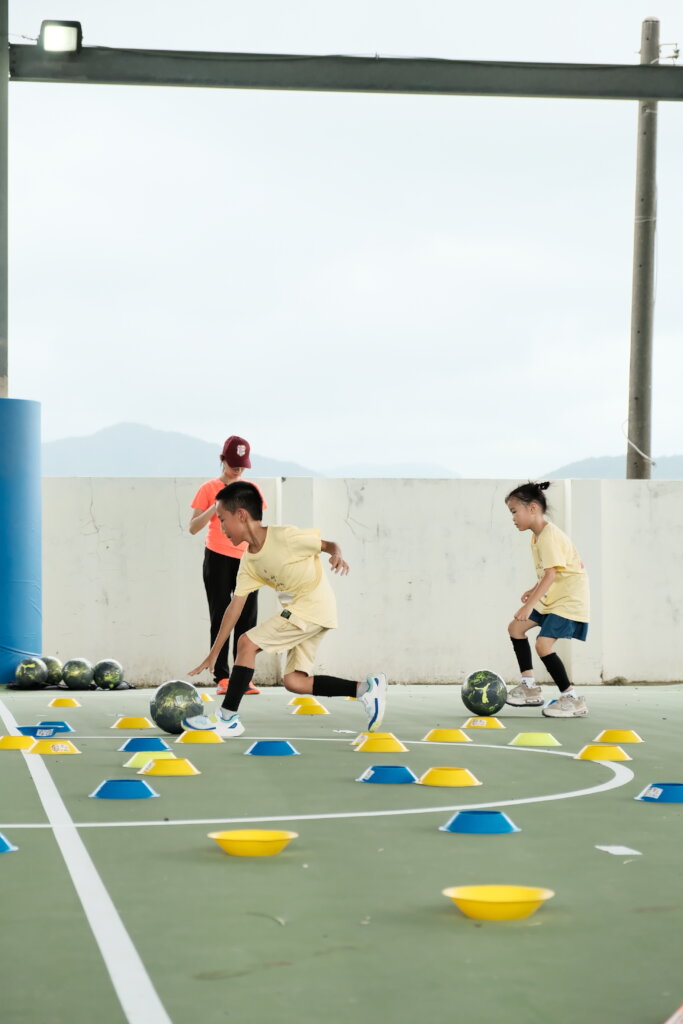
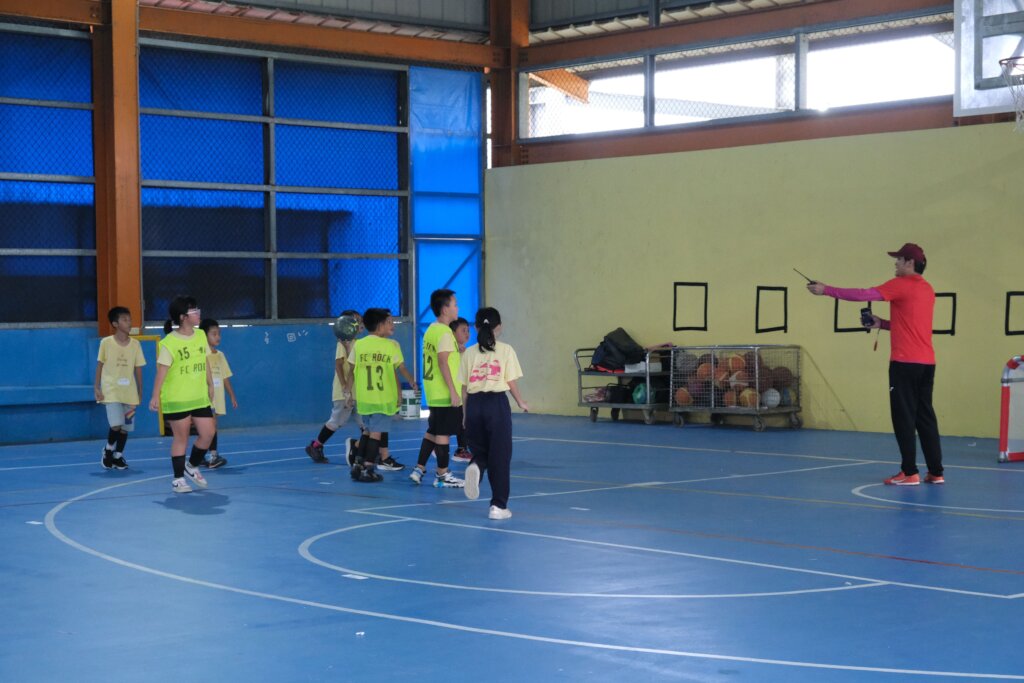
Everything shifted during a corporate-supported soccer class.
From the very first activity, Xiao-Xin stood out.
His speed, agility, and control were remarkable.
But what stayed with me most was his expression—focused, alive, almost radiant.
It was a side of him I had never seen in the classroom.
The Weight of a Single Sentence
As the class came to an end, we reached the most exciting part—the penalty shootout.
Encouraged by teachers, Xiao-Xin stepped forward as the first player.
He focused, kicked—the ball flew toward the goal, but stopped just short.
Everyone cheered, telling him he did a great job.
He walked back calmly—but in that brief moment, I caught a flicker of disappointment on his face.
Without thinking, I said,
“Xiao-Xin, that was an amazing kick.”
He paused, then gave a shy smile.
And just like that, something softened.
The Smile That Answered Back
It was just a simple sentence, spoken in the moment—but something shifted between us.
That smile felt like it was saying,
“Thank you for noticing.”
And in that moment, I found myself wanting to say,
“Thank you, too.”
Thank you for that small smile—
for reminding me that even when I couldn’t fully reach you,
being there, in the moment you needed someone, was enough.
What It Means to Be Seen
Through this experience, I came to understand something more deeply:
We all carry moments when we long to be seen.
We often focus on outcomes—
but forget that the effort along the way is already something meaningful, something worth noticing.
That moment on the field—and that child who hid behind a tough exterior—reminded me that being able to notice, to hold, and to affirm someone is a quiet, powerful kind of strength.
Thank You for Walking With Us
Thank you for your support, which makes moments like this possible.
Because of you, teachers and volunteers can continue to support each child—not only to teach, but to notice, to understand, and to stand beside each child.
We warmly invite you to stay connected with Teach For Taiwan through our website, Instagram, and Facebook, and continue following these stories of growth and learning.
Because sometimes, all it takes to change a child’s moment— is simply to be seen.
Links:
Project reports on GlobalGiving are posted directly to globalgiving.org by Project Leaders as they are completed, generally every 3-4 months. To protect the integrity of these documents, GlobalGiving does not alter them; therefore you may find some language or formatting issues.
If you donate to this project or have donated to this project, you can receive an email when this project posts a report. You can also subscribe for reports without donating.



Support this important cause by creating a personalized fundraising page.
Start a Fundraiser