By Monika Goforth | Guatemala Executive Director
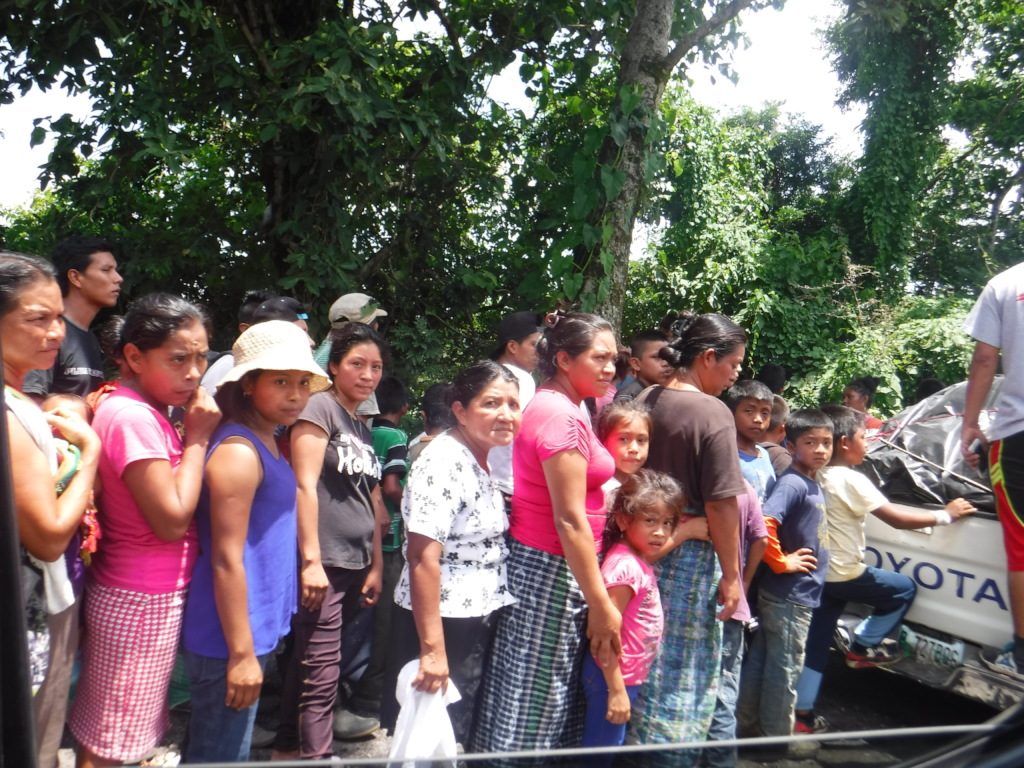
ATC counts on the help of community leaders to plan and direct our projects on the ground. Today we share with you the latest reports from two community representatives who have reached out to us in search of water filters and solar lamps.
Unfortunately, this month ATC has been struggling with the importation officials to arrange the arrival of 200 water filters – held up by the shipping company and customs. At long last, the filters are due to arrive by the end of this week.
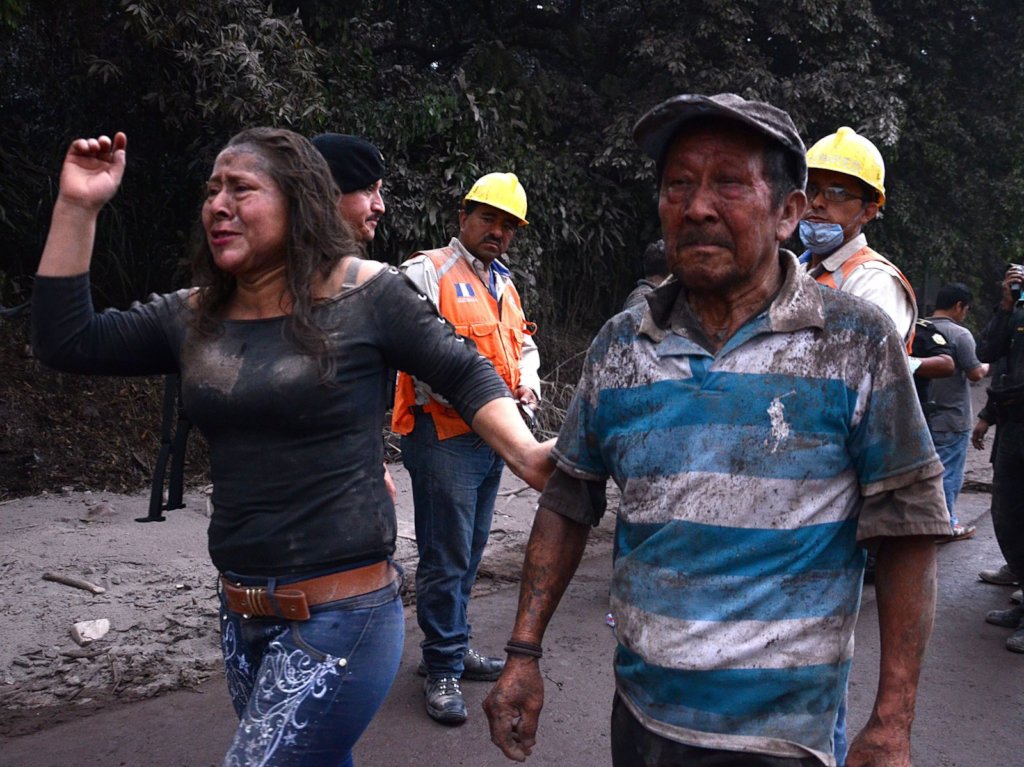
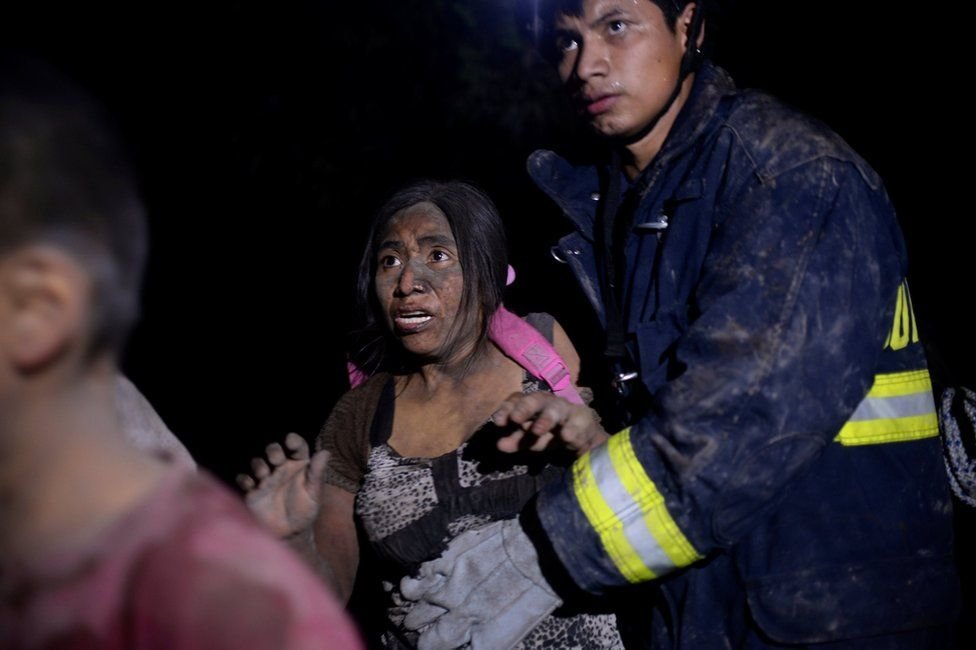
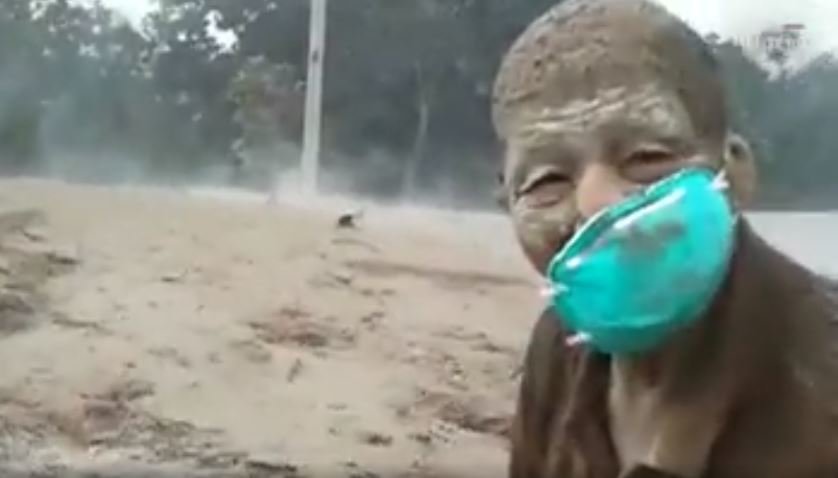
Although the delay was unplanned, the distribution of filters next week enables us to cover the back-end of relief services as donations and international attention begins to dwindle one month after the explosion.
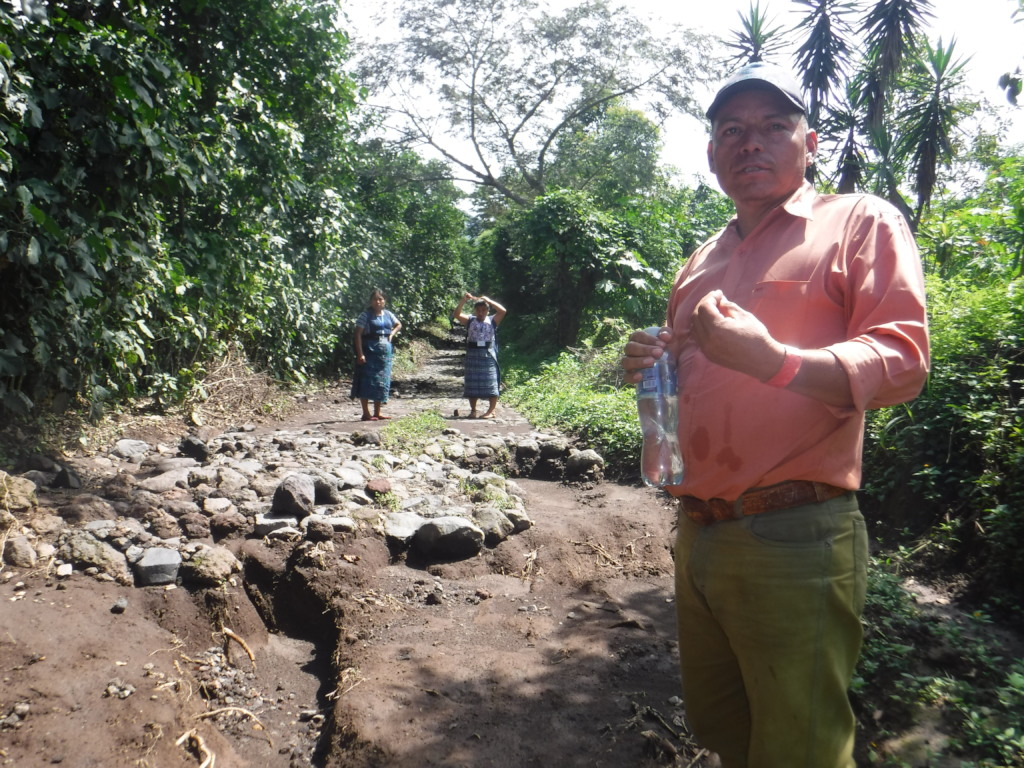
Edgar is the representative of the Panimache and Palo Verde villages near Volcan Fuego. He reports:
The people of Panimache and Palo Verde do not live in shelters, they have returned to their homes, and are having problems with drinking water. Since the explosion, they have not fixed pipelines, remaining dependent on donated bottled water. Now they have water in their homes, but the water does not feel safe, they believe that it is not suitable for consumption, so they boil the water with firewood before consuming.
Don Edgar considers that a priority need is to have water filters. But as for electric power; there is inconsistent power from the grid, affected by thunderstorms or when the volcano rumbles. Being a distant community, they are left without light for a week or more in these cases, without a way to charge their cell phones and needing to buy candles to avoid being in the dark.
Another priority need at the moment is to have a pump that will serve to draw water from a well and send it with pressure to the houses. The community is 7 kilometers from the volcano.
We agreed that priority could be given to the people who present the greatest need and few resources, due to the current situation, he considers that these resources should be given to all the people of the community as they are all equally without clean water, lighting, jobs, and arable land.
Don Ancelmo is the vice president of the COCODE of the village Rochela. He reports:
The community of Rochela, is located 7 kilometers from the volcano, is the last village in that area, so the services are more difficult to restore.
There are 105 families that live in this community. They did not have human losses, but have lost all their crops, banana, avocado, maxan, due to ash fall. There are no sheltered people, they all live in their homes. Very few people left and went to the shelters in Siquinala.
Electricity is a necessity because with electrical storms, light goes out for 3 days or more. The day of the eruption there was no electricity for 3 days. He considers that they need around 60 or 70 lamps in the community to provide basic access to cell phone charge and lights during the frequent power outages.
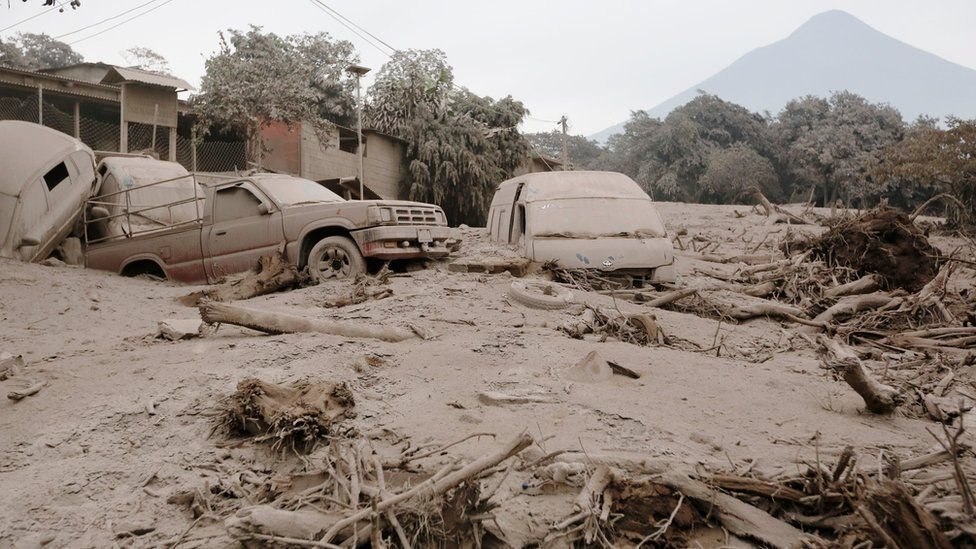
In the case of water service, the situation is dire. All the water pipes were buried, broken or carried by the ash rivers that passed through the place. In some places the water has not been installed, they need pipes and work, but they have not organized themselves to fix this problem.
Now they consume water from a public tap without a filter. Some people boil it, others just drink it from the tap. Previously, they consumed the bottled water that was brought to them by volunteers and organizations. Their water comes from small springs, not enough for the community, and is only operational in some sectors of the village. However, they have managed to organize themselves to pipe this water in these areas. Publically accessed water filters will reduce the spread of intestinal diseases as the village recuperates from the disaster.
Project reports on GlobalGiving are posted directly to globalgiving.org by Project Leaders as they are completed, generally every 3-4 months. To protect the integrity of these documents, GlobalGiving does not alter them; therefore you may find some language or formatting issues.
If you donate to this project or have donated to this project, you can receive an email when this project posts a report. You can also subscribe for reports without donating.