![]()
It’s hard to believe that it’s only been five months since I became International Medical Corps’ Medical Director in Haiti. Looking back, I am really proud of the number of people we reached and the level of medical care we provided - especially when so many were at their most vulnerable to diseases like malaria, dengue and typhoid fever.
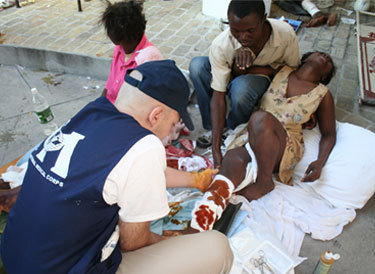
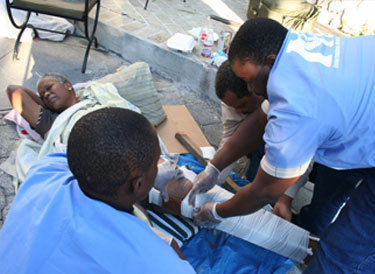
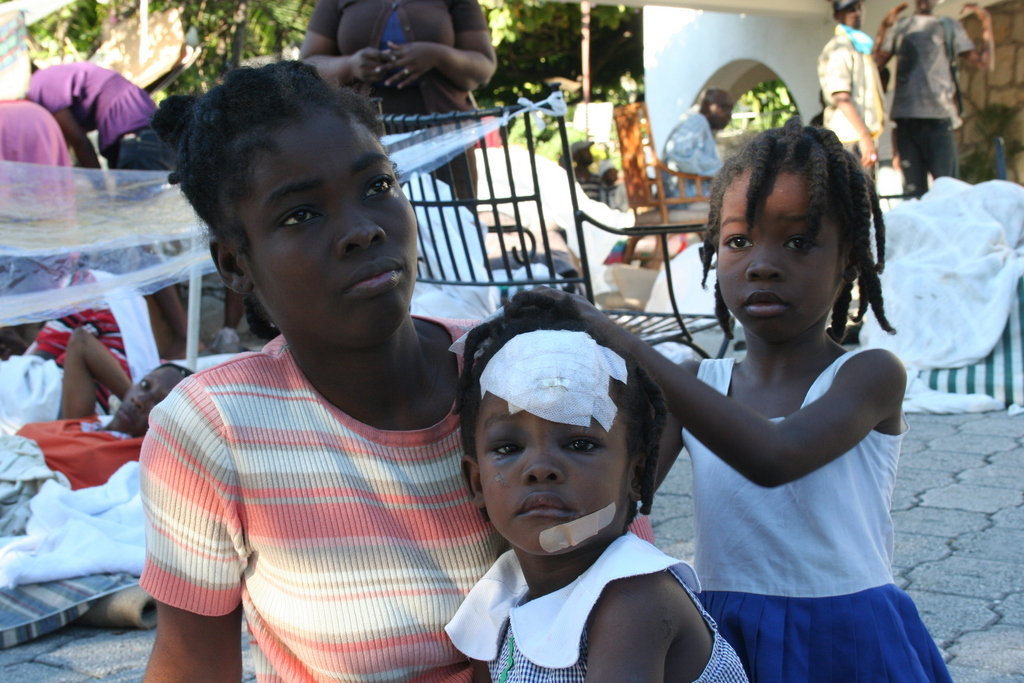
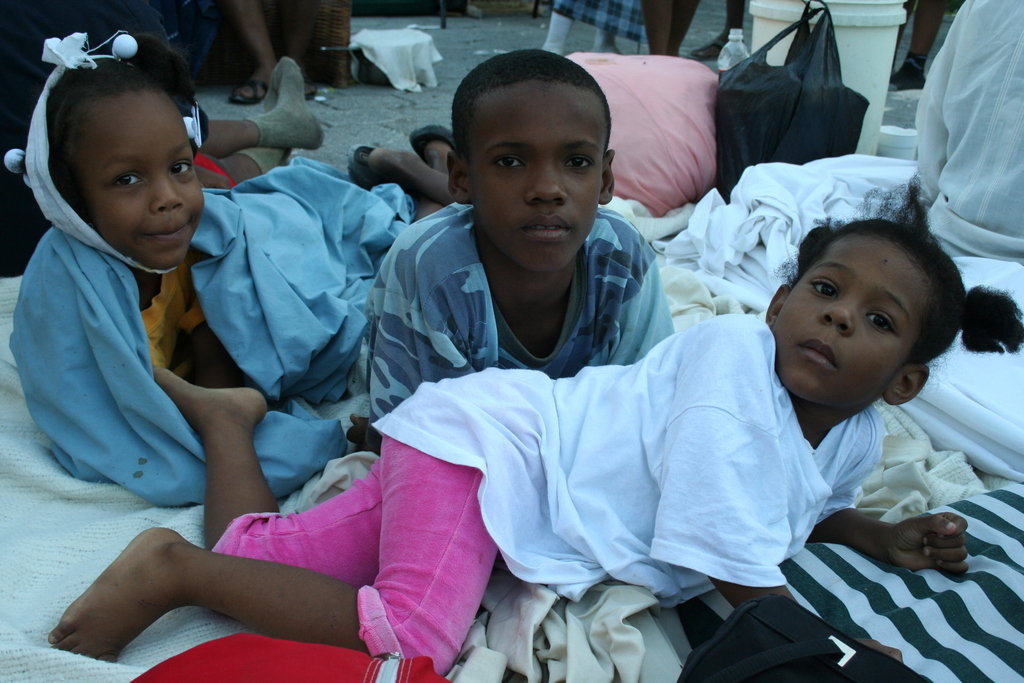
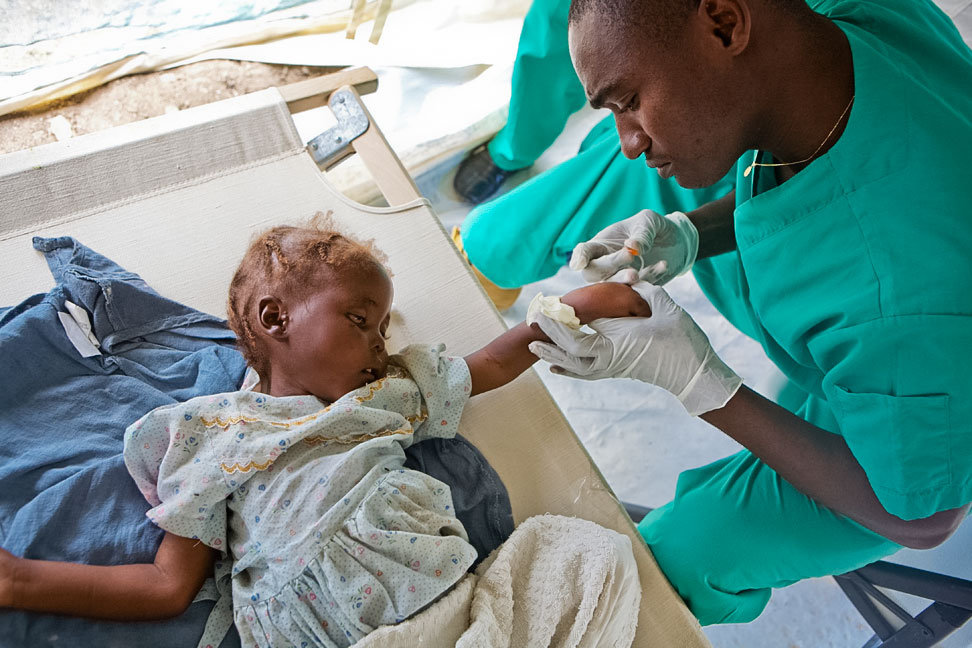
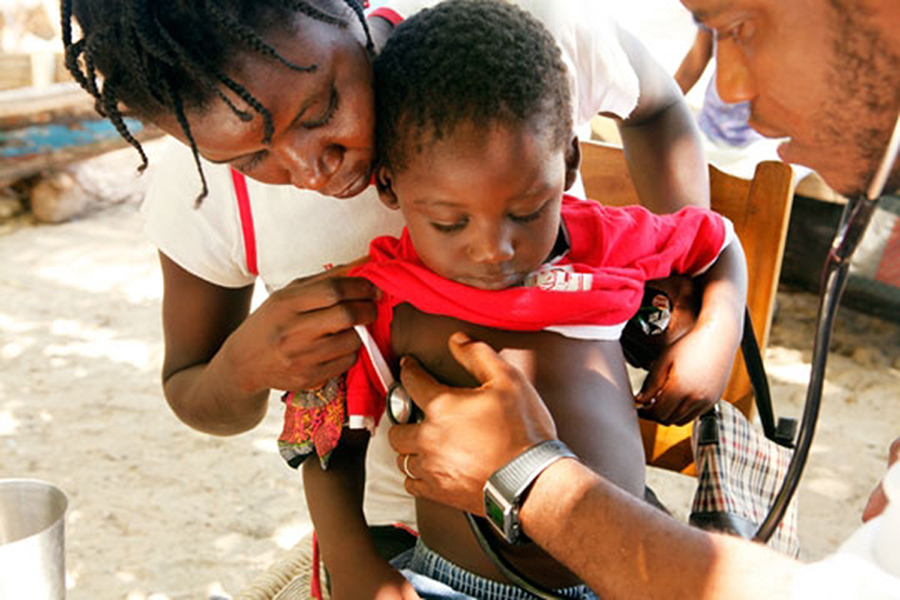
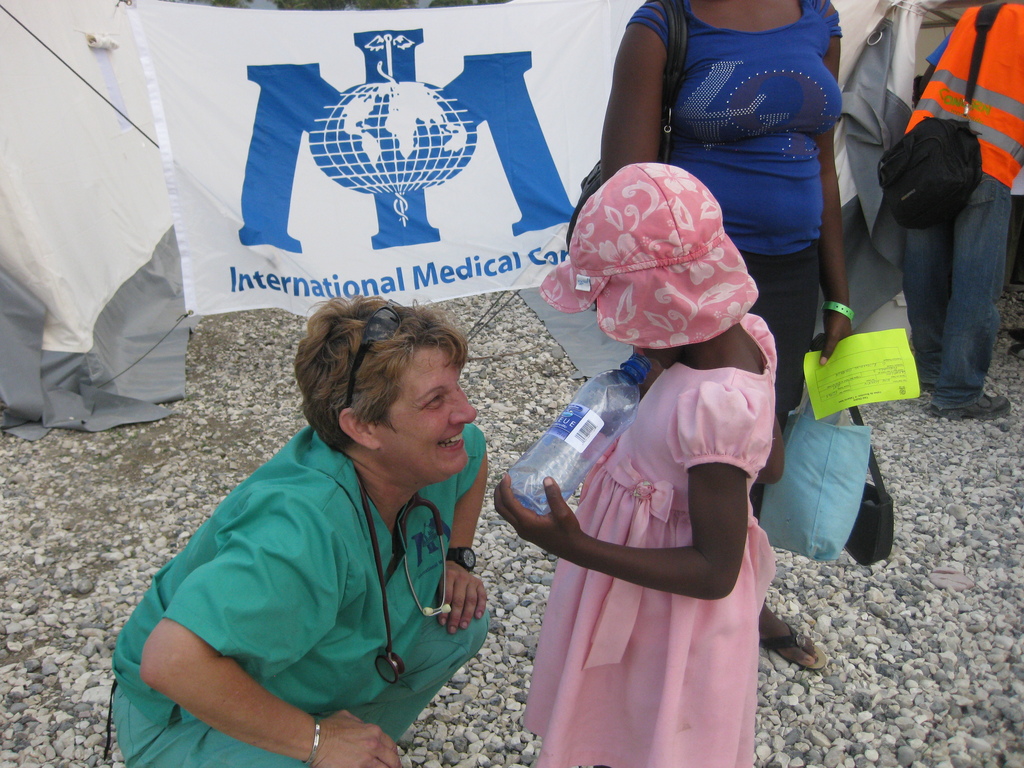
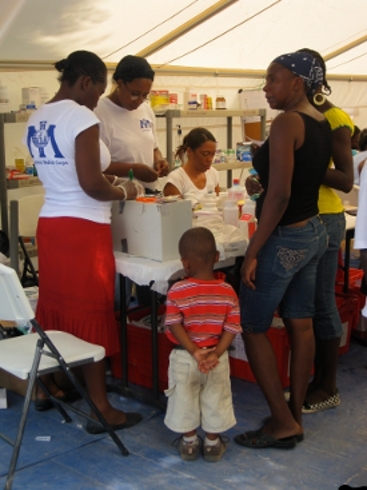
To date, there has been no outbreak of disease in Haiti following the earthquake, even with 1.5 million people displaced. Through our 13 mobile clinics throughout the quake-affected regions, International Medical Corps was able to quickly deliver health care services, critical medicines and protect those who lost everything.
We not only successfully cared for people’s physical wounds, but their emotional wounds as well by making mental health care services available to quake-affected Haitians. Mental health care scarcely existed in Haiti before the earthquake and now, because of the training we have provided, our doctors and nurses are able to identify, handle, and if necessary, refer mental health cases for advanced care. In fact, some of our doctors are now going to be certified by the Ministry of Health as providers of mental health care!
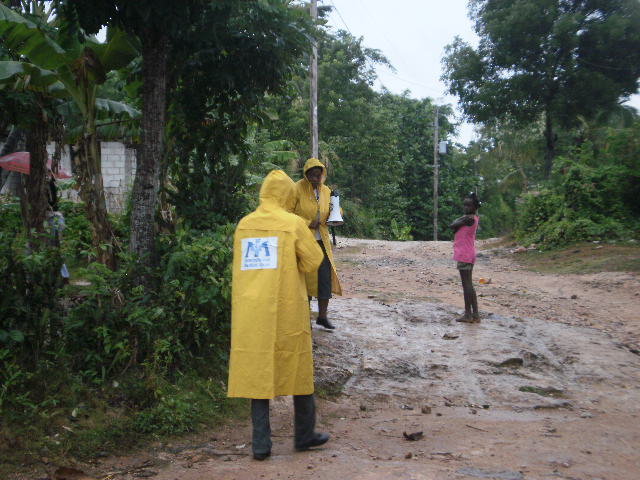
Although we’ve made a lot of progress in Haiti, we definitely have some challenges coming our way, namely with the current hurricane season, which could cause larger displacement and even more health problems for an already vulnerable population. Flooding always poses a threat to health, as waterborne diseases become more prominent. With this risk, we have been prioritizing disease surveillance in the areas where we work and contributing to a national system so that outbreaks are tracked and responded to effectively. As our primary health clinics are a vital prevention mechanism, as well as a platform to track outbreaks of diseases, we’ve been working with the government, other international NGOs, and the U.S. Centers for Disease Control and Prevention on a disease surveillance system through our primary health clinics.
In addition, we are also rolling out our disaster response and preparedness program in Petit Goave and Jacmel, two disaster-prone areas in southern Haiti. Through this program we will train Ministry of Health staff and local communities in emergency preparedness and response, including first-responder training for health professionals.
Our biggest challenge will be making sure that we are building an effective health care system that improves upon what t existed previously in Haiti. Even before the earthquake, only 47% of Haitians had access to health care. Seeing the progress made so far though, I believe we can create a health care system that serves all Haitians and I’m excited to be part of the rebuilding process.
![]()
![]()
![Share on Twitter]()
![Share on Facebook]()