By Jason Graber | Resource Development Officer
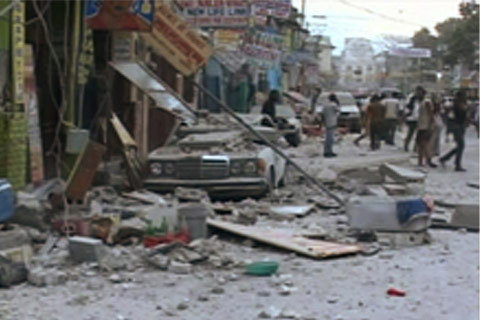
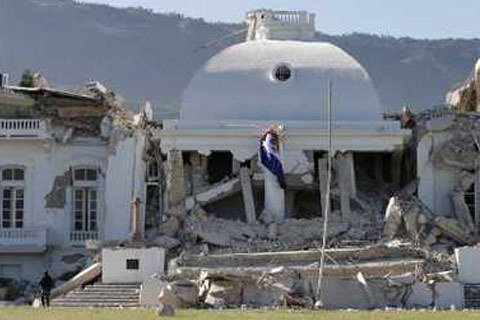
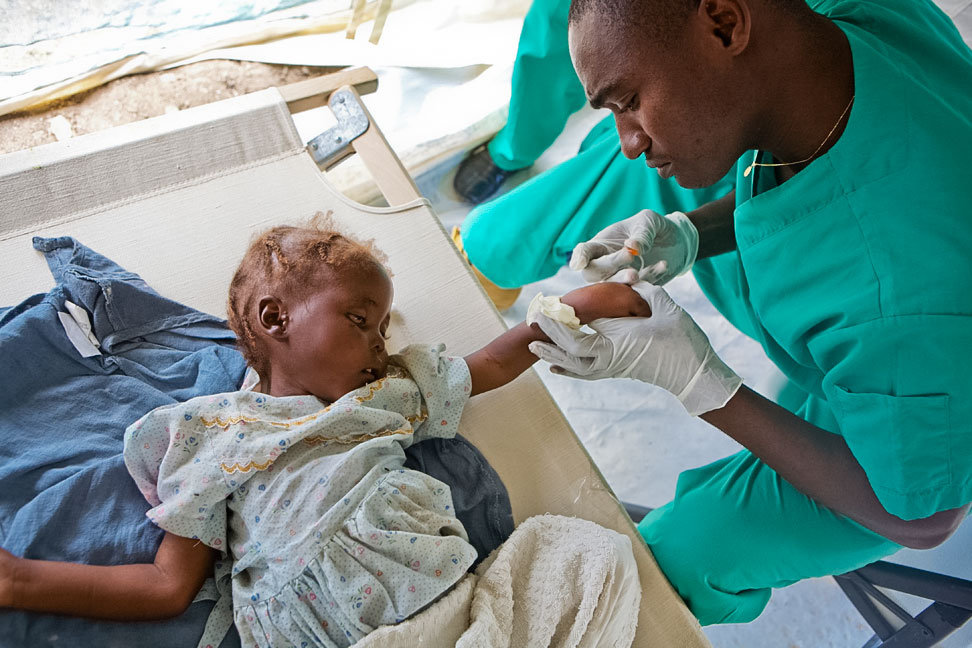
Following its response to the catastrophic earthquake in Haiti in 2010, International Medical Corps’ teams responded to the equally devastating outbreak of cholera in late October 2010. International Medical Corps was one of the very first organizations to respond and had medical staff on the ground in one of the worst areas – Artibonite – days before the outbreak was confirmed to be cholera. International Medical Corps aggressively rolled out a network of cholera treatment centers (CTCs) and mobile medical units in Haiti’s most remote and affected areas to care for more than 39,700 cholera patients. International Medical Corps also trained and mentored more than 1,200 doctors, nurses, and community health workers so that our network of CTCs were established and staffed largely by local health professionals and could eventually be handed over to the MoH and be a part of the country’s long-term infrastructure to prevent and treat cholera.
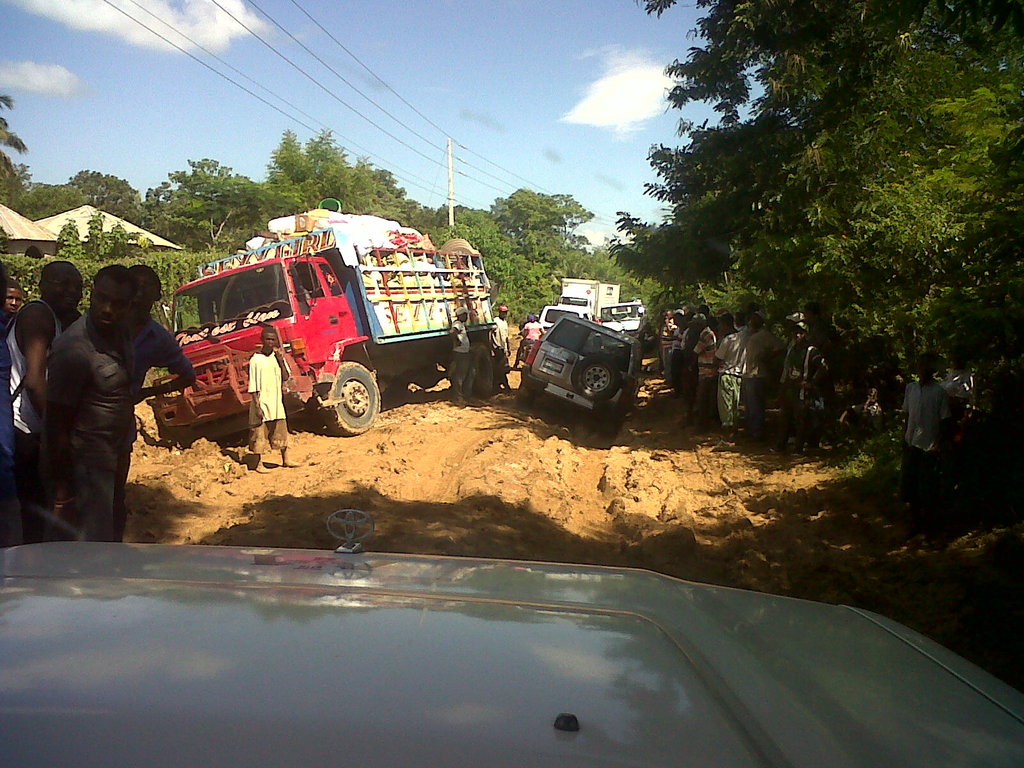
Since that time, International Medical Corps’ work has focused on cholera preparedness and response to outbreaks, particularly in rural areas where access to health services and knowledge of cholera and how to prevent it is very low. During 2013, International Medical Corps’ work focused on cholera education and prevention activities in the Grand North, considered one of the country’s most under-served areas in terms of infrastructure and economy. The Grand North (including the North, Northeast and Northwest Departments) has demonstrated its vulnerability to cholera outbreaks, and since the initial outbreak in 2010, there have been over 135,374 suspected cholera cases within the three departments, with this region also seeing a higher case fatality rate than that of Haiti nationally, at 1.6%.
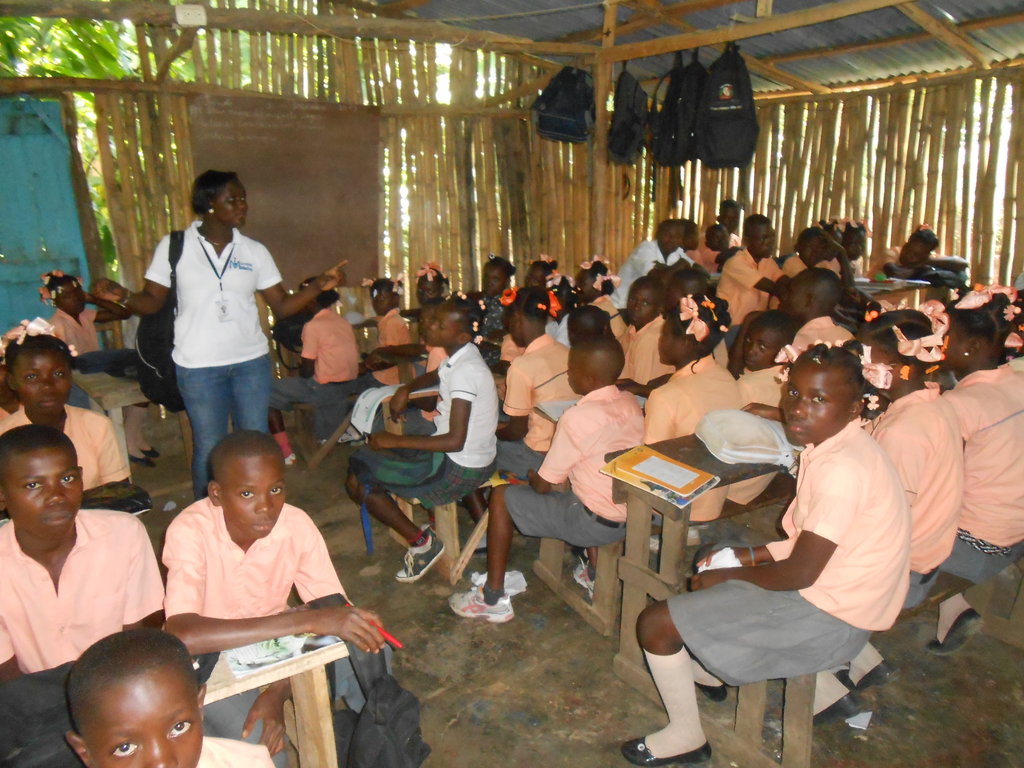
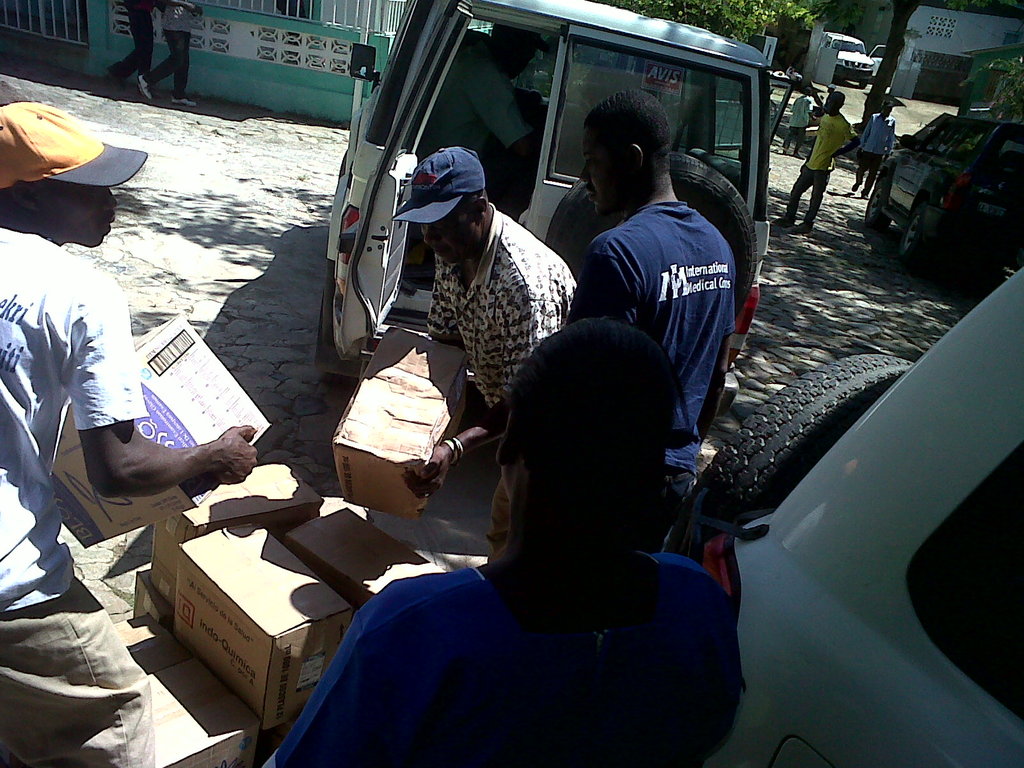
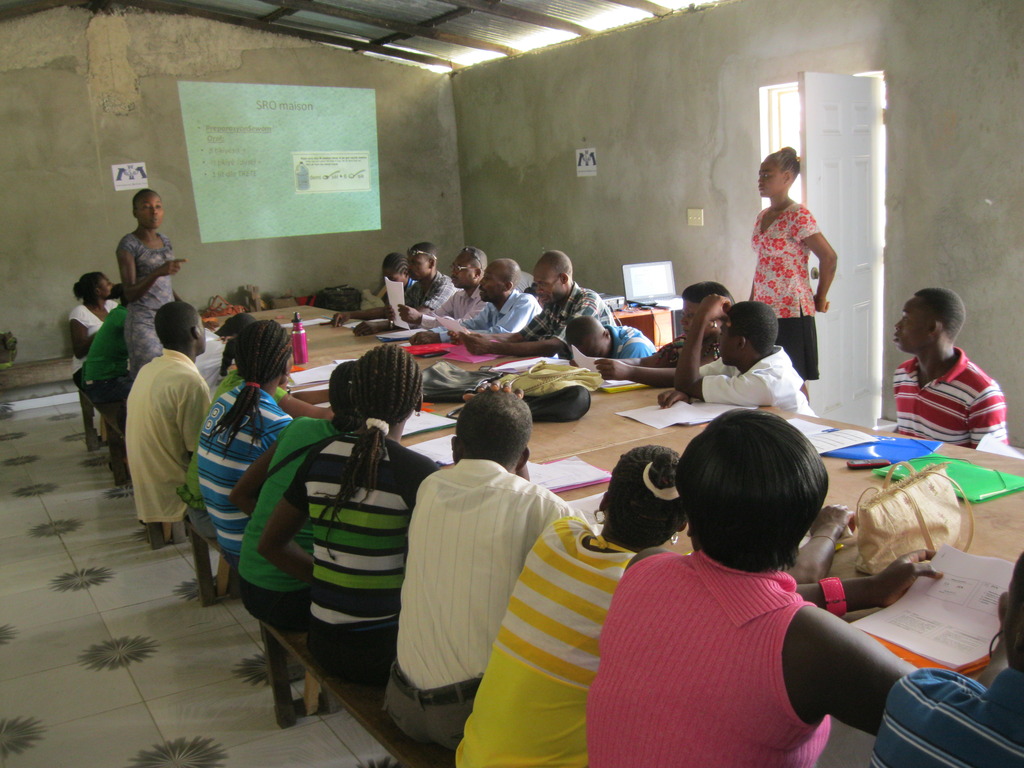
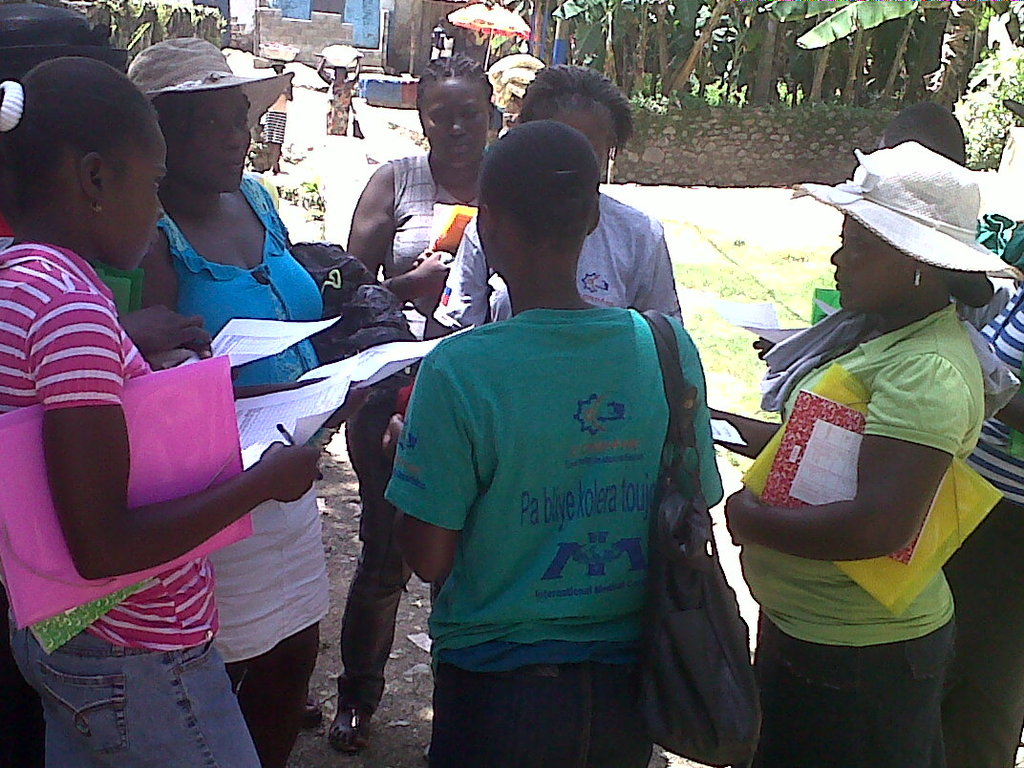
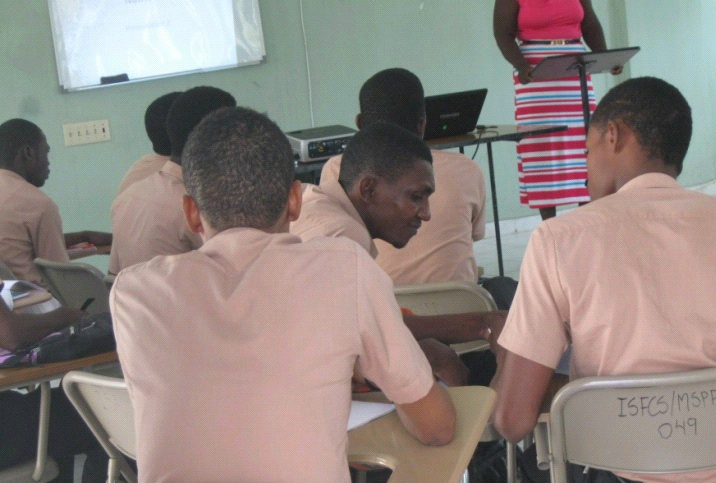
In response, International Medical Corps assessed the needs of several remote communities in the North and North-East Districts and focused its support on re-supply of the area’s health centers with general use and cholera medicines while also delivering education campaigns to help local residents prevent the spread of cholera. International Medical Corps, in partnership with the Council of Haitian Non-State Players (CONHANE) and the MSPP, worked with four community based organizations in the selected communities to conduct cholera prevention awareness activities through house-to-house visits and hygiene awareness sessions in churches and schools. By the end of 2013, International Medical Corps’ cholera prevention efforts in the north of Haiti indirectly benefitted more than 125,000 people.
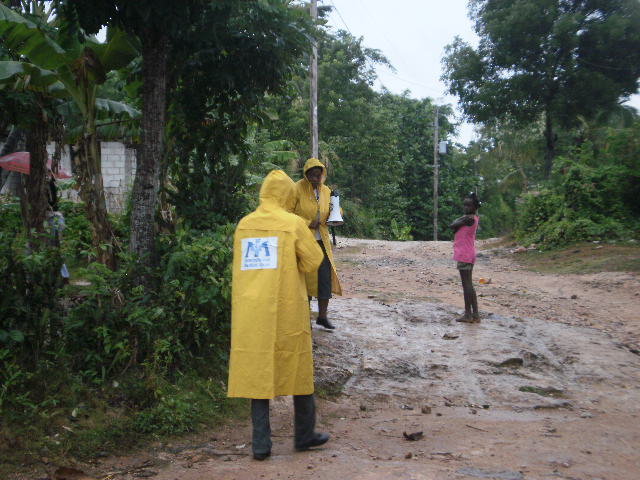
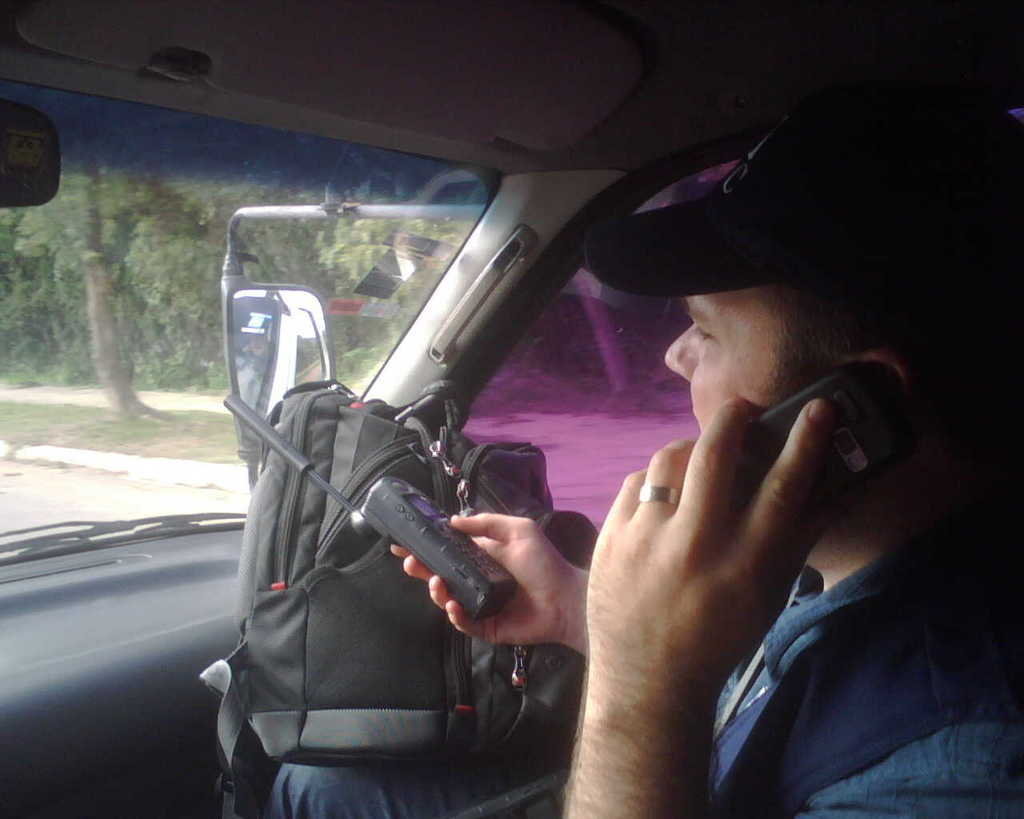
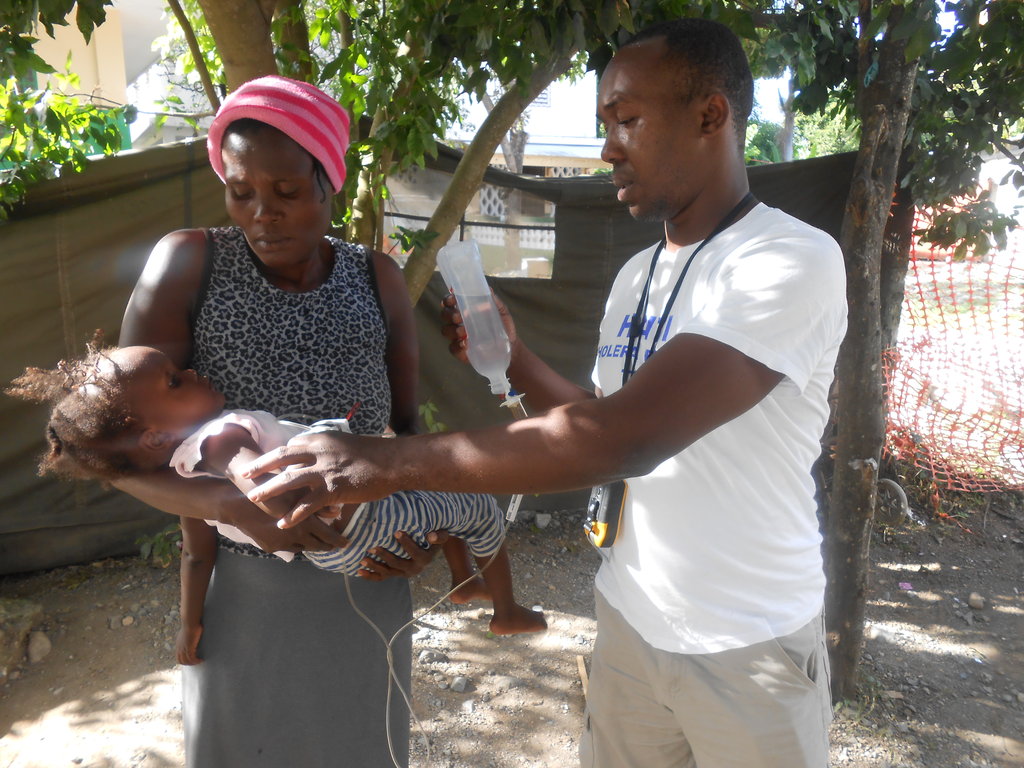
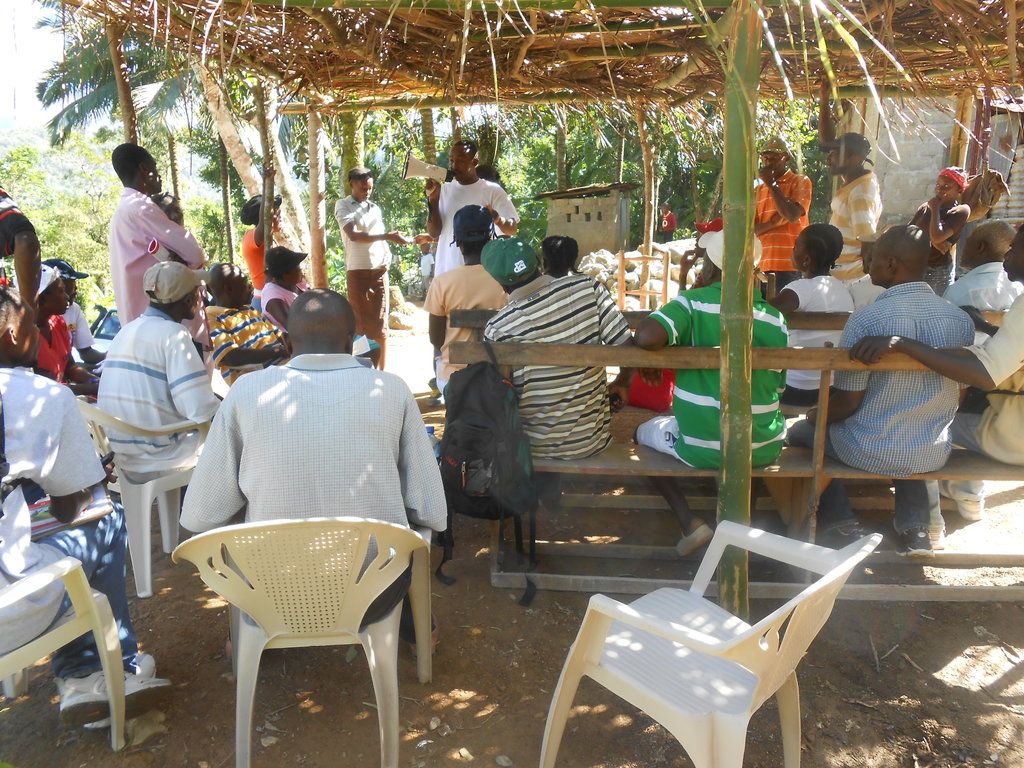
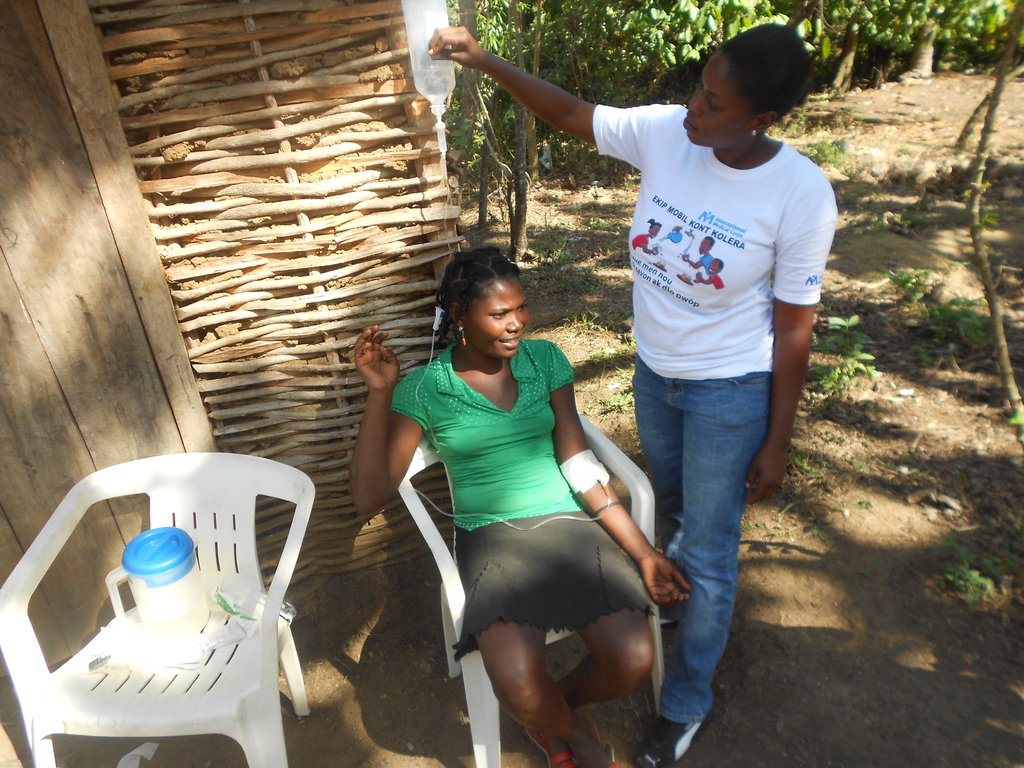
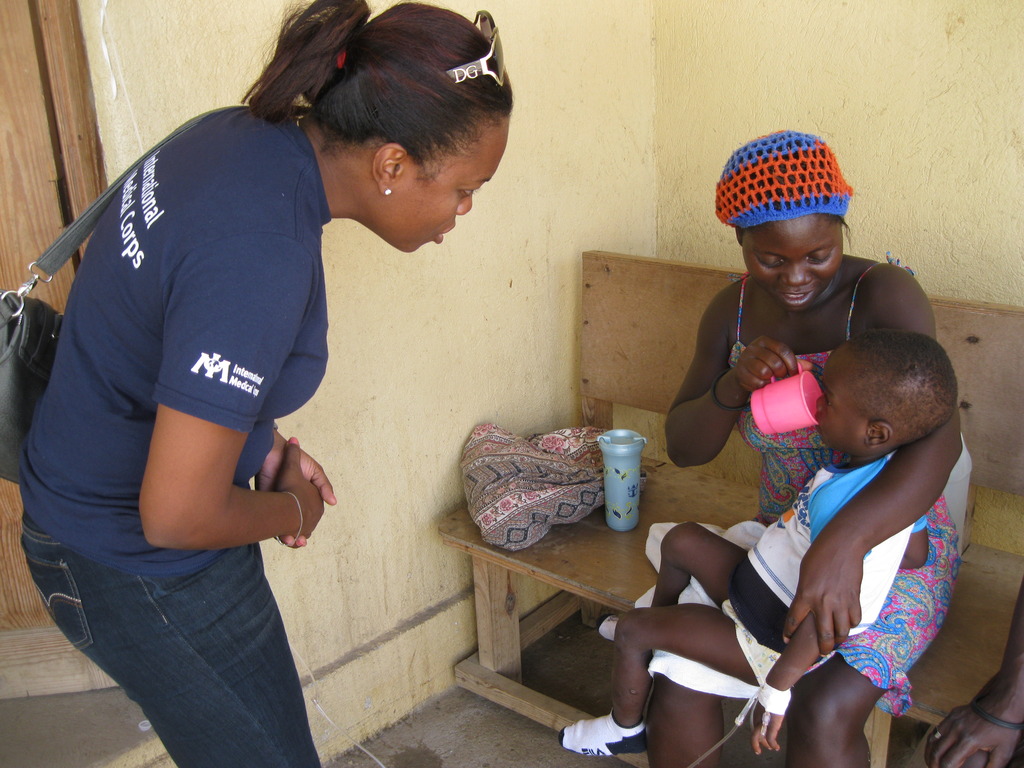
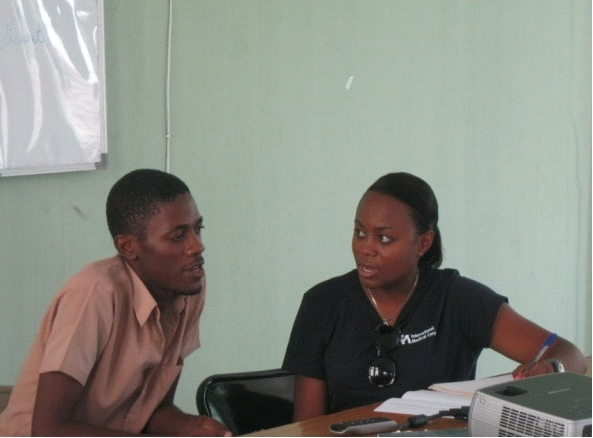
Now, in 2014, International Medical Corps has continued its work responding to cholera outbreaks in Haiti in the Grand North through mobile medical units. International Medical Corps currently operates six mobile medical units staffed by trained Haitian health personnel who investigate suspected cases of cholera, provide treatment or referral, and sensitize and educate at-risk communities. Once a suspected case is identified through the surveillance system, International Medical Corps’ mobile medical unit team quickly deploys to the area to investigate the suspected case and provide treatment or support referral to the nearest health facility. The team educates the household and provide supplies to disinfect the home. The teams teach proper hand washing techniques; the importance of water treatment in order to avoid contracting cholera; and the proper use of latrines and waste management techniques.
After the household work is complete, the mobile medical team then focuses its prevention efforts with the surrounding community. The team trains and mobilizes community volunteers in the surrounding community to assist in awareness campaigns to remind the population that cholera is still present in their community and that they need to apply good hygiene practice to avoid the spread of cholera. As needed, the mobile medical teams also directly teach local residents how to identify all types of diarrheal related water diseases and cholera in particular, and how to properly prepare and use oral rehydration salts – critical tools in the fight against cholera.
Thanks to the generosity of Global Giving and other generous donors, International Medical Corps’ six mobile medical team (two in each targeted Department - the North, Northeast and Northwest) have achieved the following results from 2014 to-date: 19,576 individuals have been reached to-date with cholera prevention and health promotion messages, 19,127 Oral Rehydration Salt (ORS) sachets and 88,450 aqua tabs were distributed, and 771 cases of acute diarrhea have been treated by International Medical Corps’ teams. While this work has helped to save lives and has laid an important foundation of knowledge in vulnerable communities in the Grand North, each hurricane season now brings with it the potential for a large scale outbreak, which combined with difficult terrain and low access to health care, could result in a rapid increase in cases and deaths. Looking forward, International Medical Corps plans to continue these mobile medical units in the Grand North through the fall and then transition to broader Disaster Risk Reduction activities to help to further build resilience at the individual, household, and community level to dangerous threats such as cholera as well as other hazards in the region.
By Jason Graber | Resource Development Officer
By Jason Graber | Resource Development Officer
Project reports on GlobalGiving are posted directly to globalgiving.org by Project Leaders as they are completed, generally every 3-4 months. To protect the integrity of these documents, GlobalGiving does not alter them; therefore you may find some language or formatting issues.
If you donate to this project or have donated to this project, you can receive an email when this project posts a report. You can also subscribe for reports without donating.