By Steven Bratten | International Project Officer
Now that we are all several months into the pandemic, we are seeing different effects in different parts of the world. In Guinea Bissau and Sierra Leone, some of the most pronounced effects have been economic. Official travel restrictions and concerns of infection are preventing people in rural areas from accessing markets to trade. Lack of movement is making it extremely difficult for people to make money from trading crops; in Guinea Bissau many families rely on cashew nut harvests for the vast majority of their annual incomes, but due to COVID-19, they are not able to trade this year. In both countries, the price of rice has skyrocketed, and protein sources are scarce. These factors are combining to create a dangerous situation for communities already experiencing food stress and malnutrition, with COVID-19 only making matters worse.
To stave off malnutrition in the communities, we are providing emergency nutritional packages to young mothers and dramatically scaling up our training in sustainable agriculture. By training women in the villages to farm diverse and nutritious crops, how to harvest seeds and maintain soil quality, entire communities are benefiting from market gardens which provide much needed nutrition to families. The training also shows and encourages women to create their own household vegetable gardens, giving even more food security during these uncertain times.
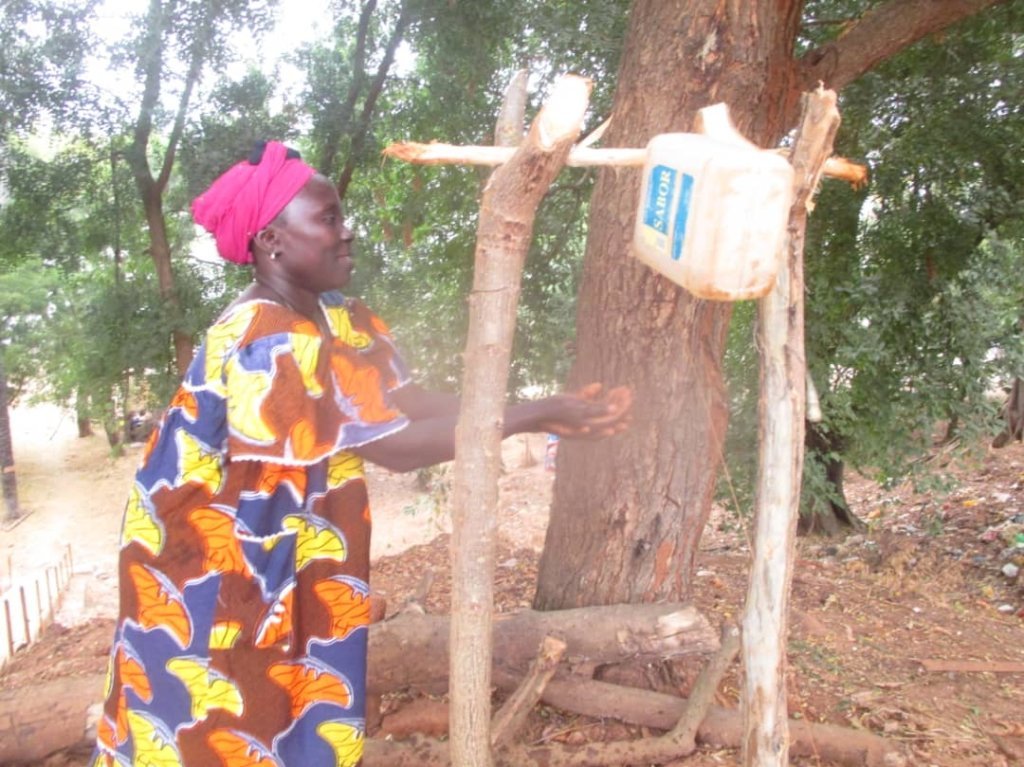
As we all know by this point, hand washing is absolutely critical in preventing further spread of the COVID-19 virus from person to person. Through a combination of working with communities to build public hand-washing stations in each village, and through our Health and Hygiene education programme, we have seen a huge increase in the number of people regularly washing their hands. Since April, over 1,800 people have adopted regular hand washing at key times.
Empowering people with the information needed to stay safe and healthy is our number one priority. The rural location of the communities whom we are partnered with means that getting reliable information is often very difficult, with disinformation spreading rapidly. We are dedicated to supporting in-country health workers in the mission to get reliable and scientifically backed information on how to stay safe, to these remote communities. Our role is to support the national and regional health responses in both countries, so are working closely with health centres and health officials in Government to deliver these key messages and support.
If you would like to hear more about our work, or would like to volunteer, then you can email us at contact@wellfound.org.uk
Project reports on GlobalGiving are posted directly to globalgiving.org by Project Leaders as they are completed, generally every 3-4 months. To protect the integrity of these documents, GlobalGiving does not alter them; therefore you may find some language or formatting issues.
If you donate to this project or have donated to this project, you can receive an email when this project posts a report. You can also subscribe for reports without donating.