By Giacomo Carlini | International Partnership
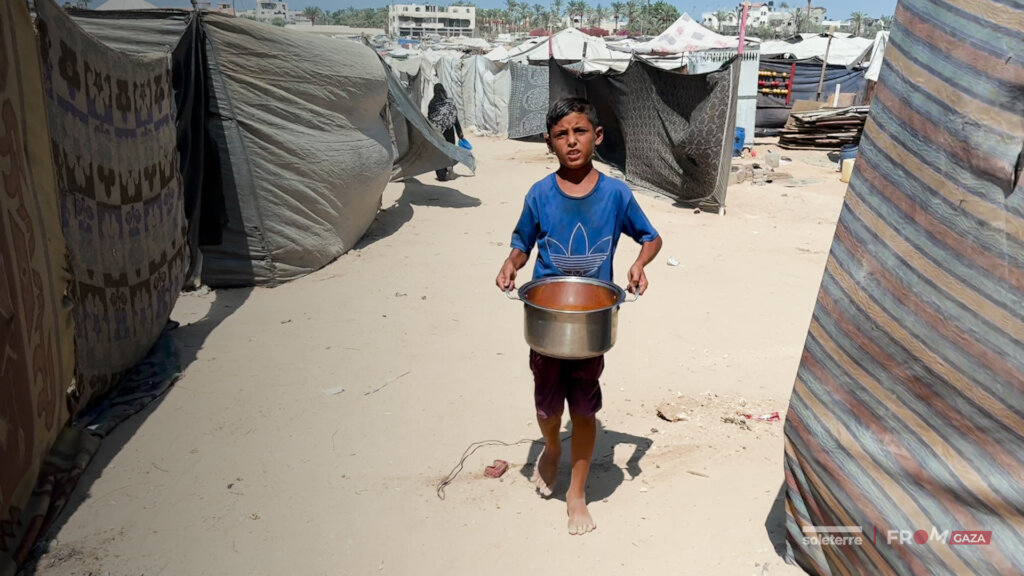
Fondazione Soleterre has stepped into the humanitarian emergency in Palestine with a response that blends urgent material relief and psychosocial care. In Gaza, where ongoing hostilities have disrupted food supplies, medical access and everyday life, Soleterre has been delivering food packages to families cut off by the siege and to those newly displaced. These distributions are not presented as an end in themselves but as part of a wider effort to stabilise households so caregivers can focus on keeping children safe and functioning as families in the face of acute stress.
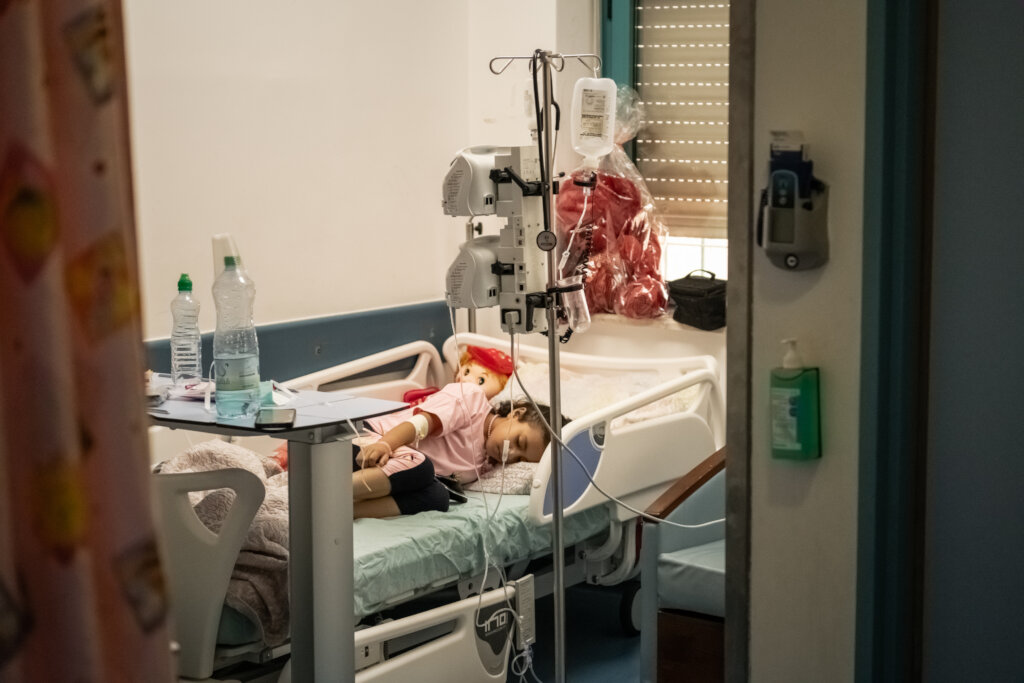
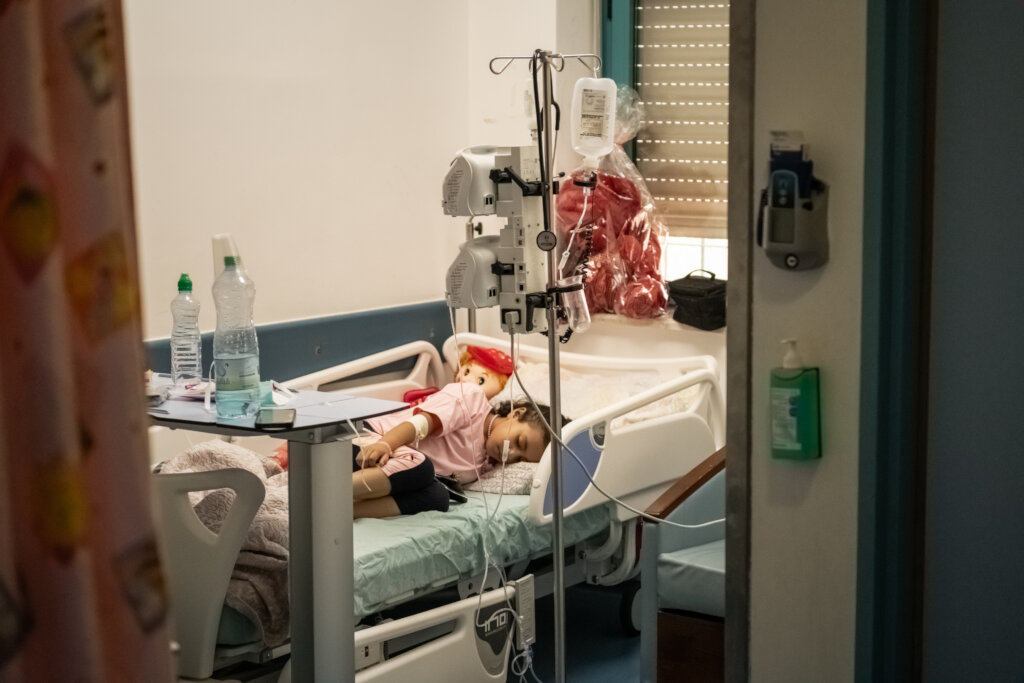
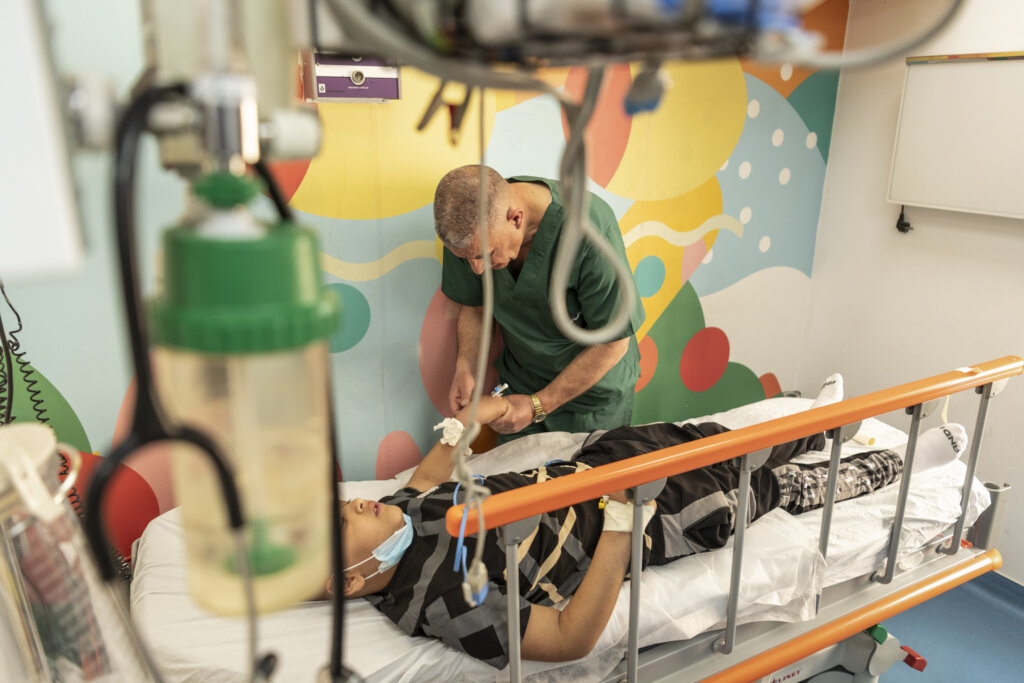
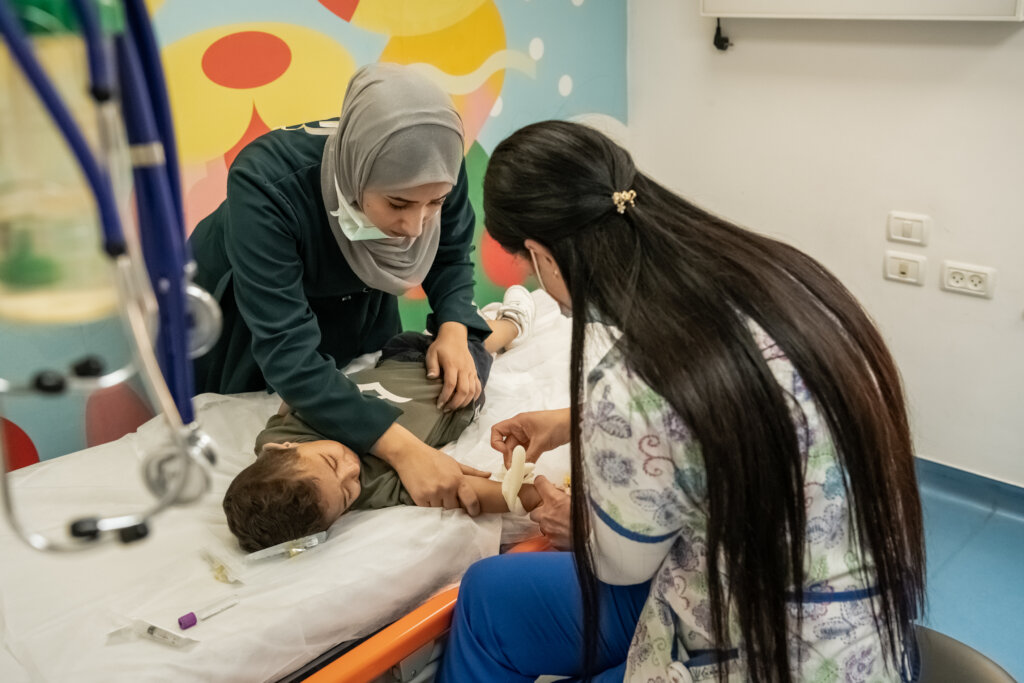
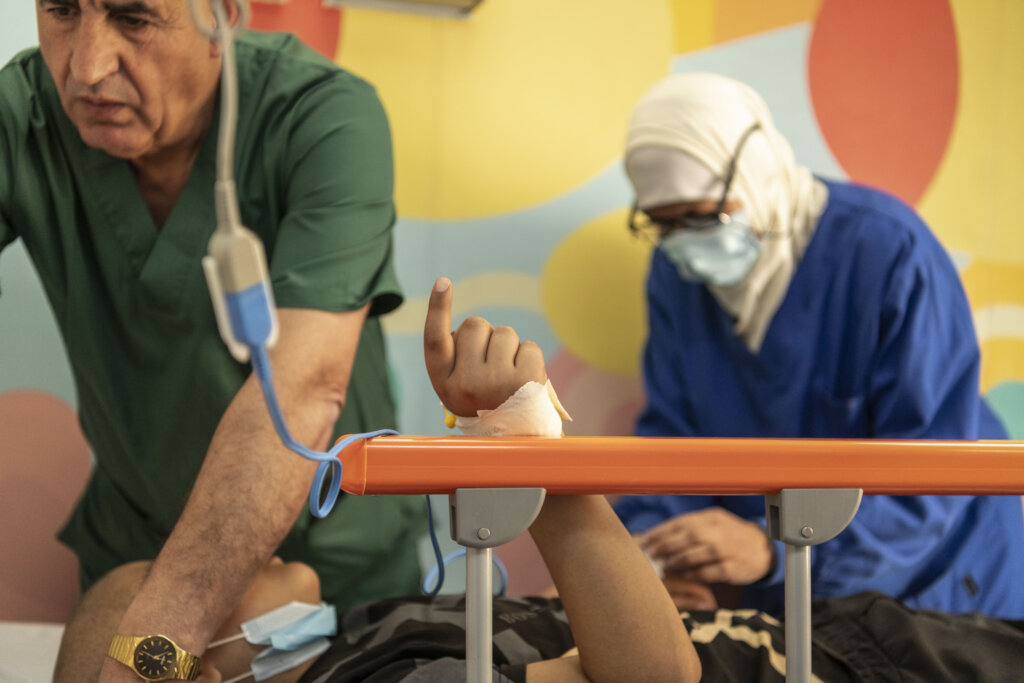
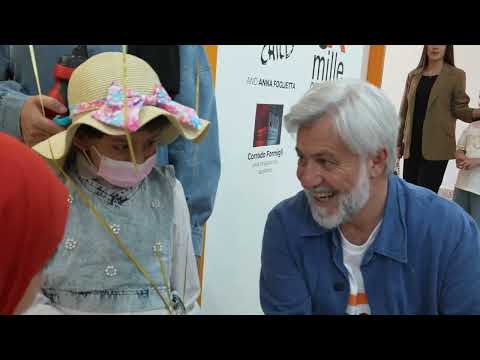
Alongside food aid, Soleterre provides targeted psychosocial support: brief, child-focused and family-centered interventions designed to reduce distress, manage trauma symptoms and create safe spaces for recovery. Where possible, these activities are coordinated with local health facilities and humanitarian actors so that material assistance, referrals and basic clinical support form a coherent pathway for vulnerable children and their caregivers.
This mixed approach is a clear organisational strength. By combining tangible lifesaving assistance with mental-health services, Soleterre addresses both the immediate threat of hunger and the less visible but long-lasting psychological consequences of violence. The organisation’s ability to mobilise private donations quickly has helped it act where institutional funding sometimes lags, and public communications have helped keep attention and support focused on affected communities.
At the same time, the operational environment places real limits on scale and safety. The needs in Gaza far exceed what any single NGO can deliver, and distributions often carry protection risks for people queuing for aid. Staff and partners are also exposed to security threats that demand strict contingency planning, remote monitoring where feasible, and robust site-management measures to reduce harm.
To strengthen impact and accountability, Soleterre could make a few pragmatic changes in its public reporting and program design: routinely publish simple, verifiable outputs (number of parcels, households reached, MHPSS sessions and referrals); briefly describe protection measures used during distributions; highlight coordination with UN clusters, WFP and local health actors; and include short beneficiary testimonies that capture both material relief and psychosocial benefits. Updating and sharing basic safety and staff-protection protocols with donors will also build confidence.
Project reports on GlobalGiving are posted directly to globalgiving.org by Project Leaders as they are completed, generally every 3-4 months. To protect the integrity of these documents, GlobalGiving does not alter them; therefore you may find some language or formatting issues.
If you donate to this project or have donated to this project, you can receive an email when this project posts a report. You can also subscribe for reports without donating.