![Yafa]()
Yafa
Every Child in Life and Peace
Executive summary
During 2025 Fondazione Soleterre invested €56,931.50 to sustain pediatric psycho-oncology activities at Beit Jala Hospital, the only remaining public pediatric oncology ward in the area. Our intervention placed a dedicated psycho-oncologist inside the ward, delivered psychotherapeutic and psychosocial services to children and their families, supported hospital staff, and started groundwork for longer-term systemic change (training, research, advocacy). The project reached 26 children, 22 caregivers and 11 health-workers through a total of 595 support sessions — a clear, measured response where the health system is collapsing and access to life-saving care is increasingly limited.
Why this matters — context & needs
The Palestinian health system is fragmented and severely weakened by conflict: hospitals destroyed or damaged, supply chains interrupted, and a critical shortage of trained personnel and essential medicines. Oncology care for children has become precarious — chemotherapy and complex treatments are often unavailable, and many facilities lack basic supplies. In this context, the psychosocial damage is profound: an estimated 40–53.5% of children show moderate to severe PTSD symptoms, with long-term consequences for development and resilience. Supporting the psychological dimension of care is therefore not an optional add-on — it is central to preserving life, dignity and the capacity to adhere to medical regimens.
What we did — activities & approach
-
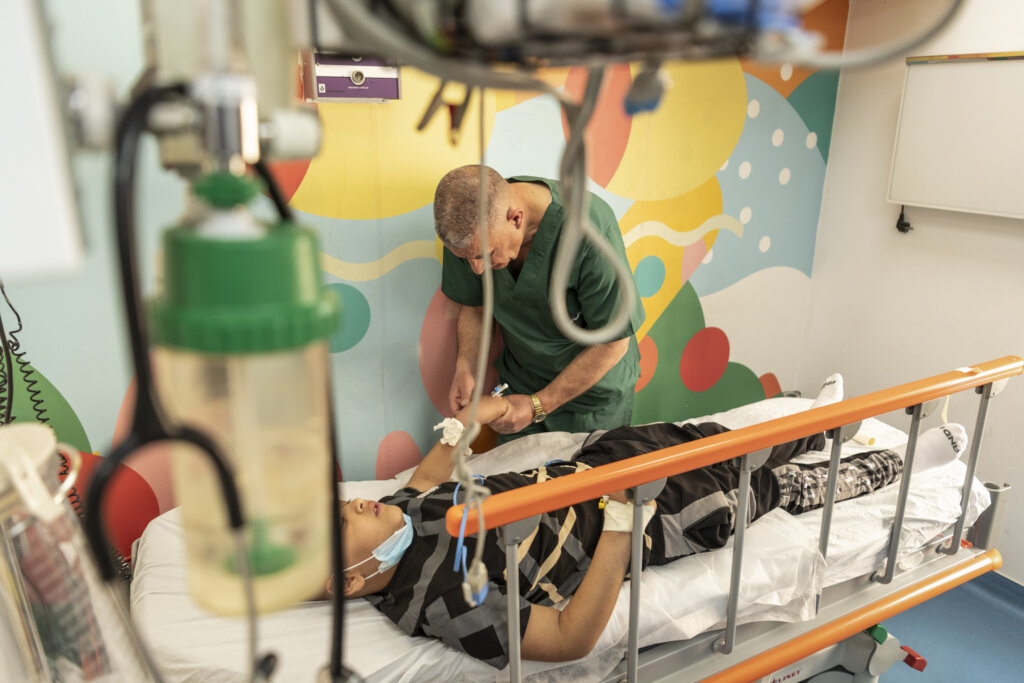
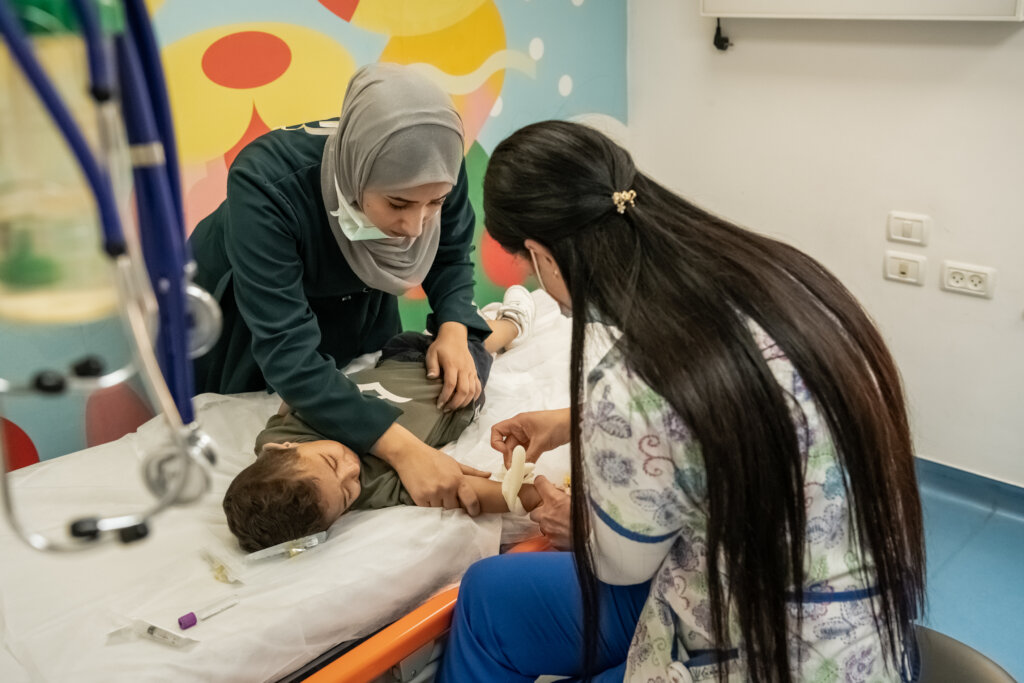
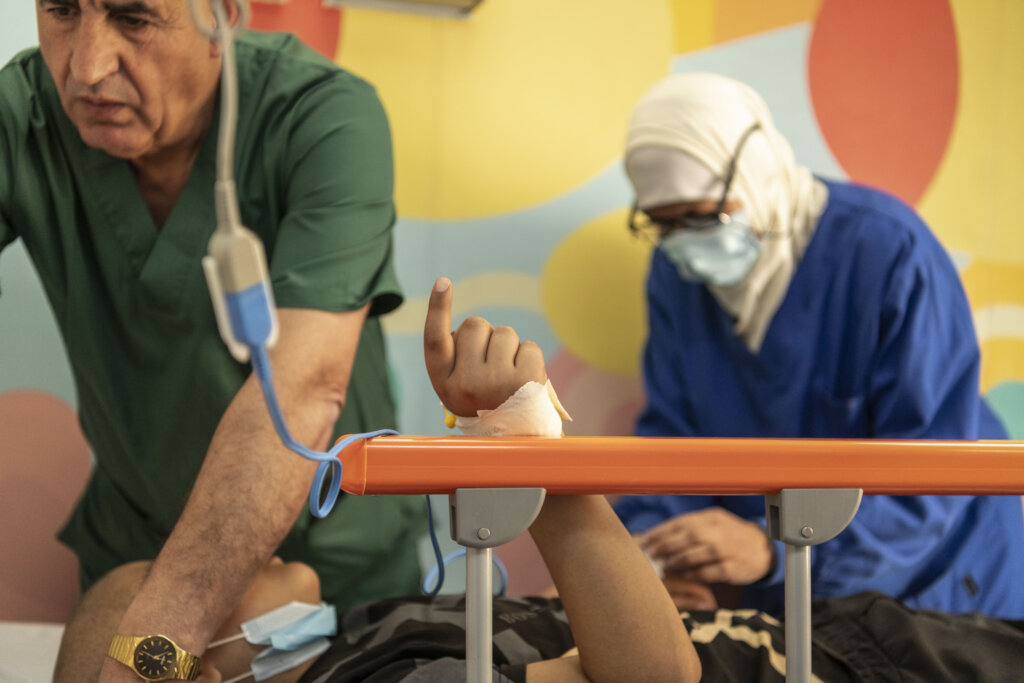
Integrated a psycho-oncologist into the Beit Jala pediatric oncology ward. Dr. Farah Fatafta provided continuous, ward-based clinical and psychosocial care — individual sessions with children, family support, and staff debriefing/supervision.
-
Clinical & psychosocial sessions: 595 sessions delivered in total — 306 with children, 229 with caregivers, 60 with medical staff.
-
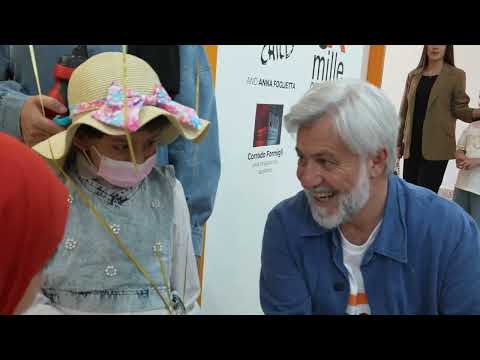
Psychoeducation and community activities: workshops and events (example: 1 Sept lab at the Soleterre Children Center focused on returning to school) to restore routines, strengthen coping strategies and reduce isolation.
-
Capacity building & research: training for the in-place psychologist, supervision and the involvement of a researcher and scientific supervisor to document outcomes and generate evidence for scaling.
-
Medicines & material support: deliveries of essential oncology drugs and modest economic support to families where possible.
Results & impact
-
Total spent: €56,931.50.
-
People reached: 26 children (psychological support); 22 caregivers; 11 members of hospital staff.
-
Total support sessions: 595 (306 child sessions; 229 caregiver sessions; 60 staff sessions).
-
Medicines delivered (value): €23,300 (delivered to support continuity of care).
A child’s story — Yafa
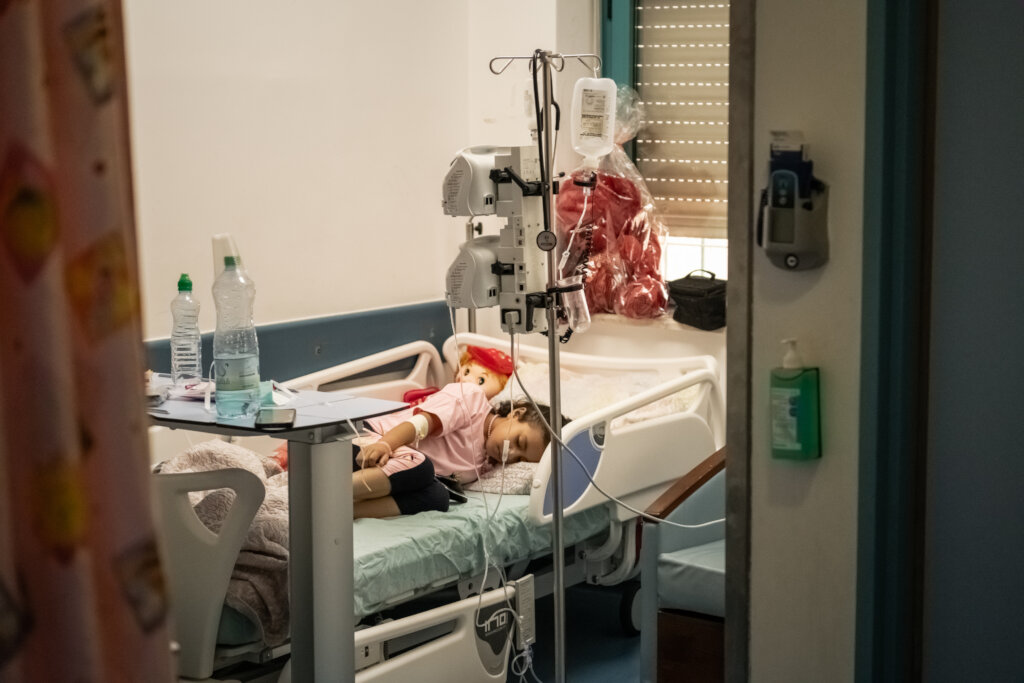
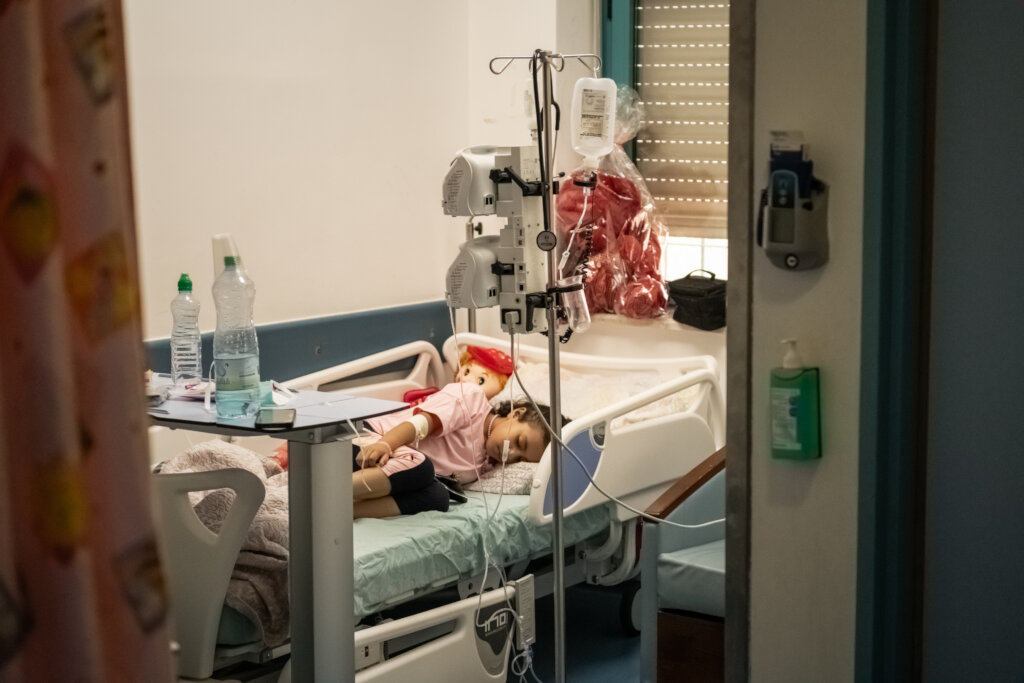
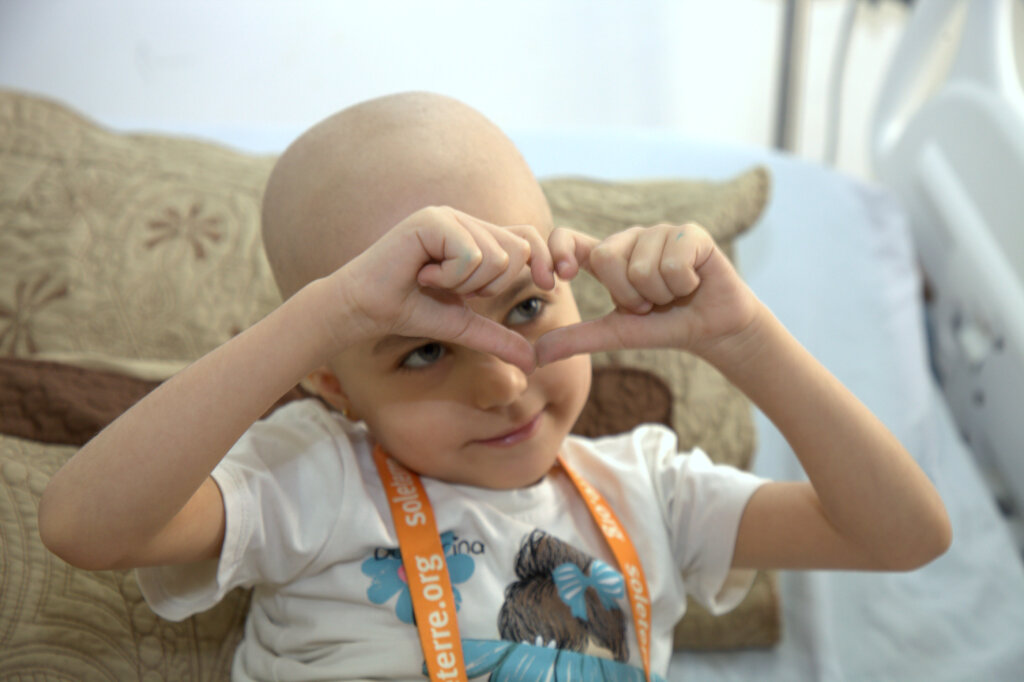
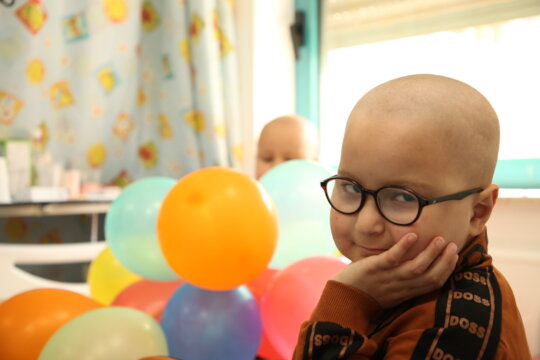
Yafa, 5, arrived from Hebron with leukemia and the heavy weight of war. Separated from usual routines and frightened by treatments, she risked becoming overwhelmed by trauma as well as illness. At Beit Jala, alongside her clinical treatment, Farah — the Soleterre psycho-oncologist — worked with Yafa and her mother to rebuild trust, to name fears, to restore small rituals of normal childhood (drawing, playing). Today Yafa walks more steadily and has recovered a smile that had nearly vanished. Her case shows how psychological care does not change the diagnosis but changes how the child and family live through it — directly affecting adherence, quality of life and the ability to engage with life beyond the hospital bed.
Next steps & sustainability (2025–2027 outlook)
-
Continue and consolidate psychological support in Beit Jala and expand to additional centers (Caritas Hospital in Bethlehem; Augusta Victoria in Jerusalem), including mobile units where appropriate.
-
Consolidate the Soleterre Children Center as a safe space for children and staff to process trauma and access group activities.
-
Develop a regional transplant capacity roadmap. Support Istikar Hospital in Ramallah to become the first bone marrow transplant center in Palestine (training of staff, equipment, protocols). This will reduce life-threatening referrals abroad and dramatically improve survival rates for relapsed patients.
-
Advocacy for service integration. Use project data to advocate for the formal integration of psycho-oncology into public offers via the Ministry of Health.
Why support now
The combination of destroyed infrastructure, medicine shortages and collective trauma makes pediatric oncology in Palestine a race against time. Psychological care is an evidence-based, cost-effective intervention that reduces suffering, supports medical adherence and preserves hope for children and families. With modest, targeted funding we can keep the psycho-oncologist in place, train staff, secure essential medicines and build the case for public integration of these services — shifting the model from emergency patchwork to durable care.
![Share on Twitter]()
![Share on Facebook]()