By Catherine Craig | President, CPALI
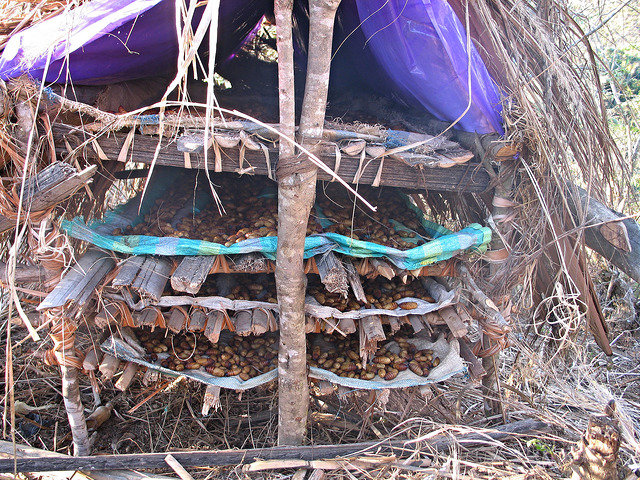
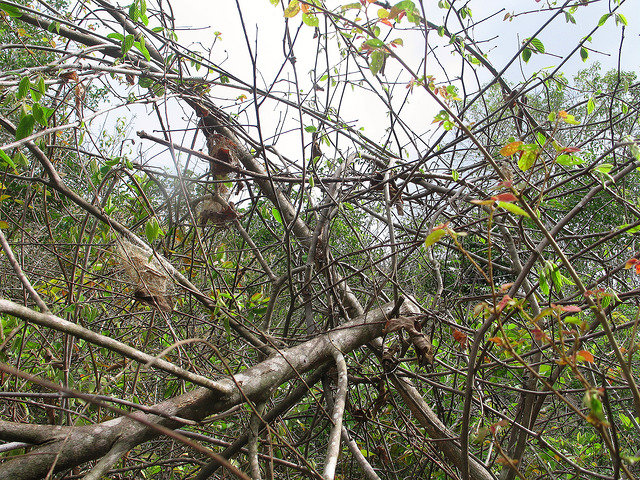
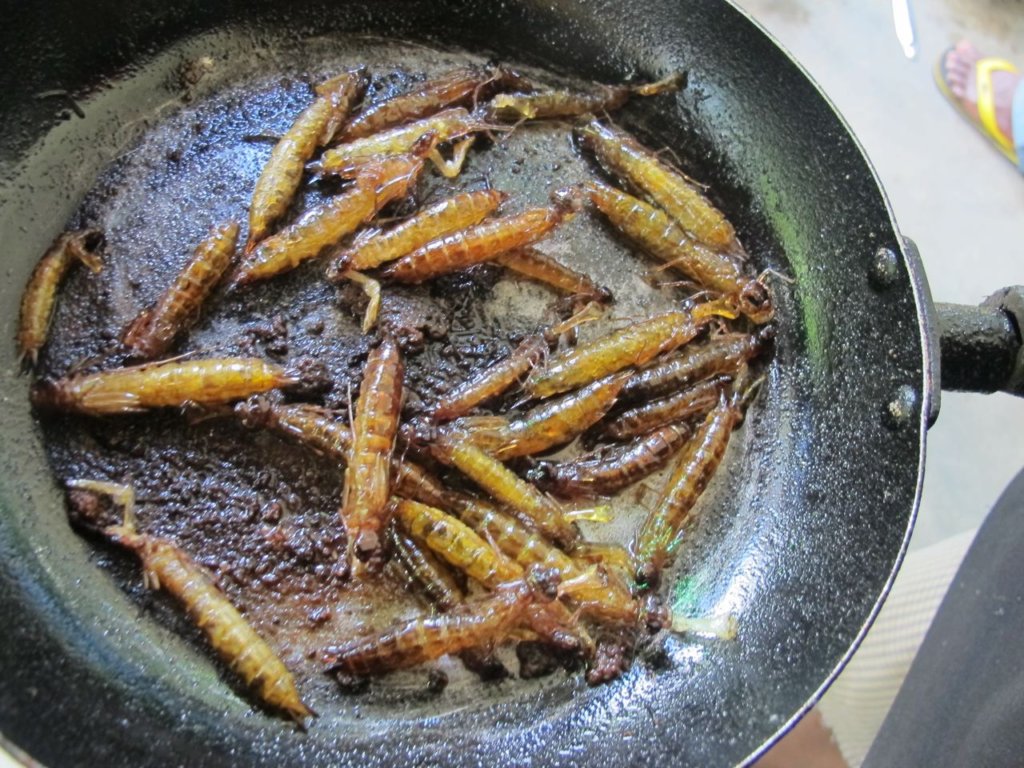
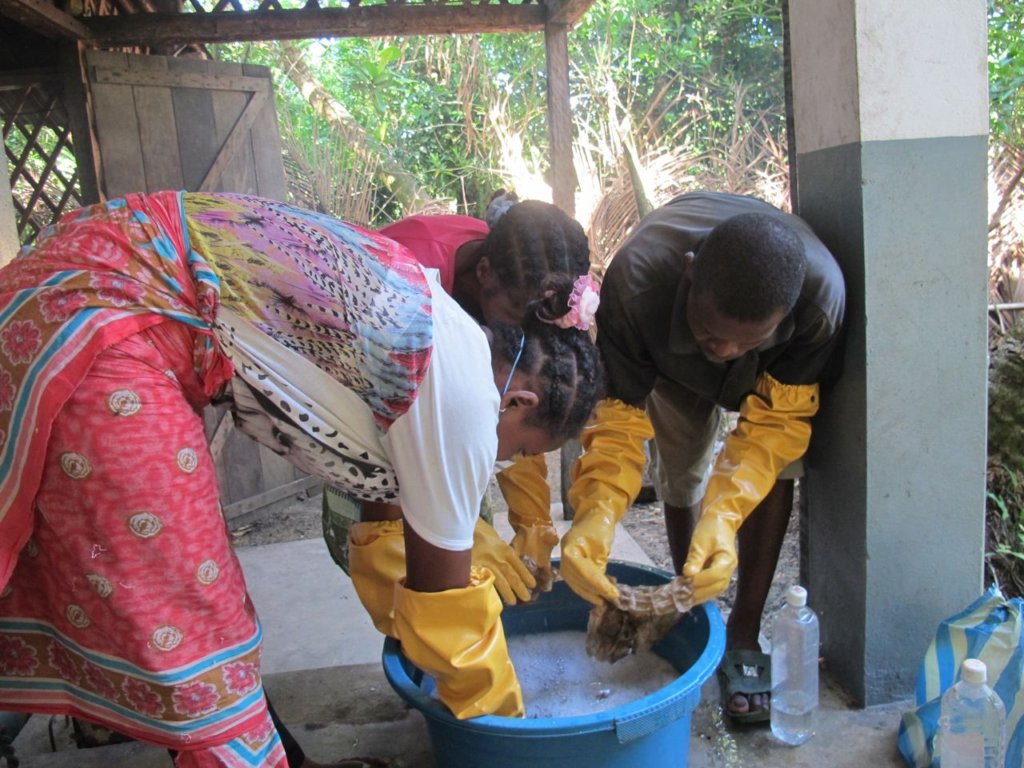
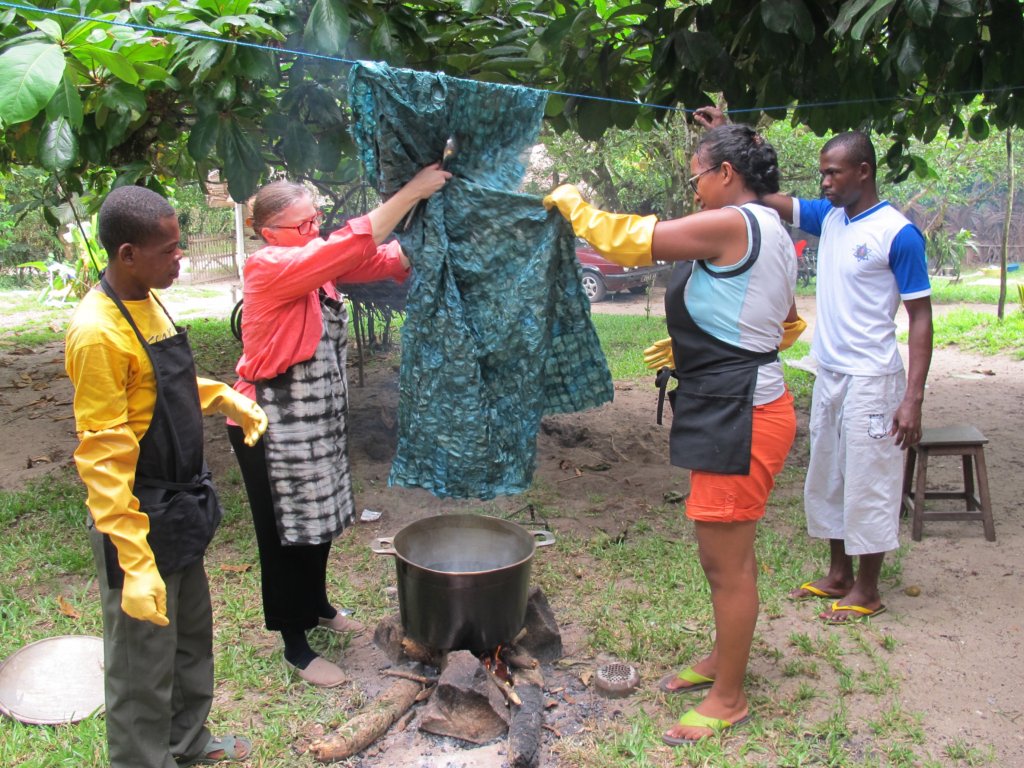
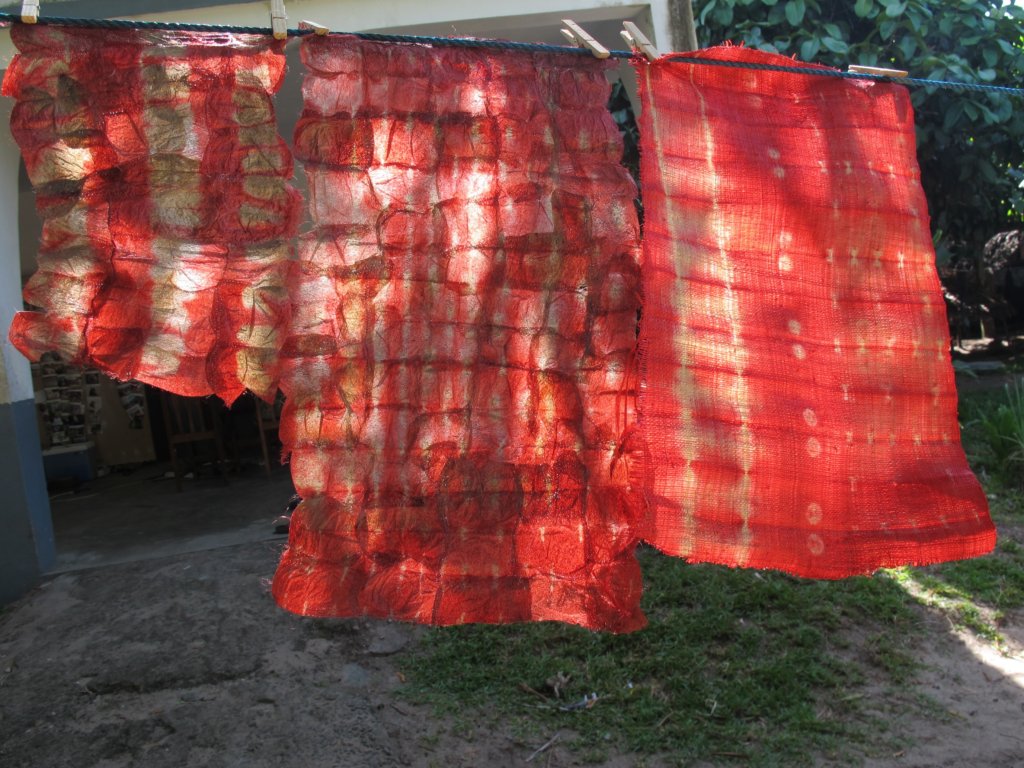
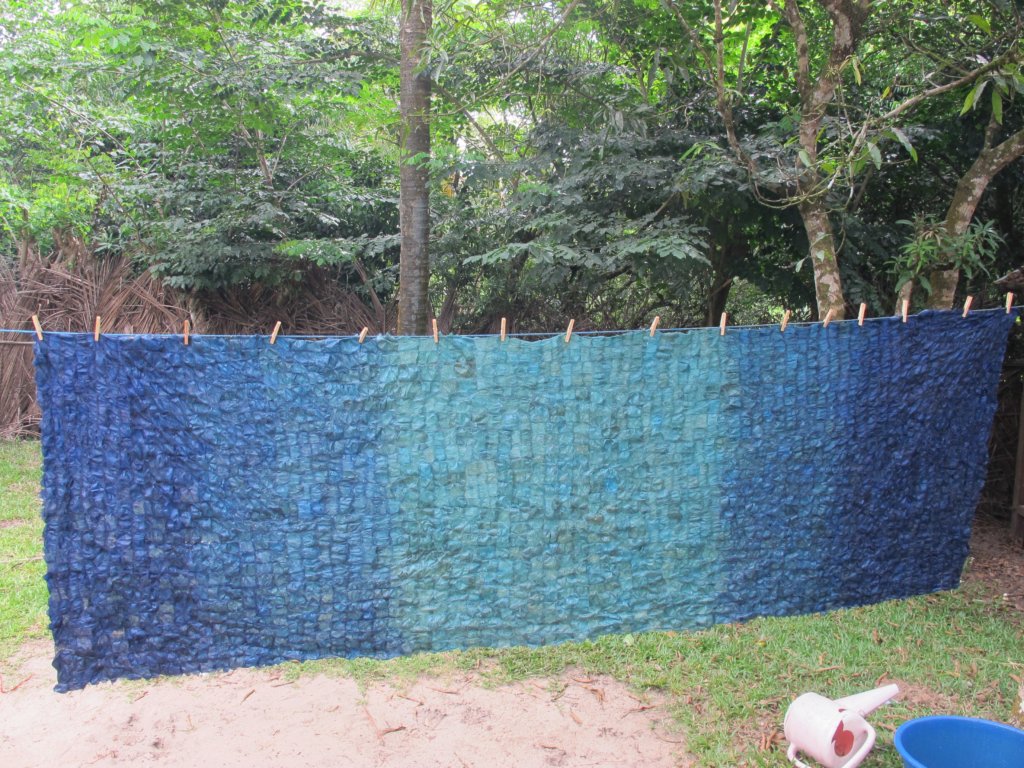
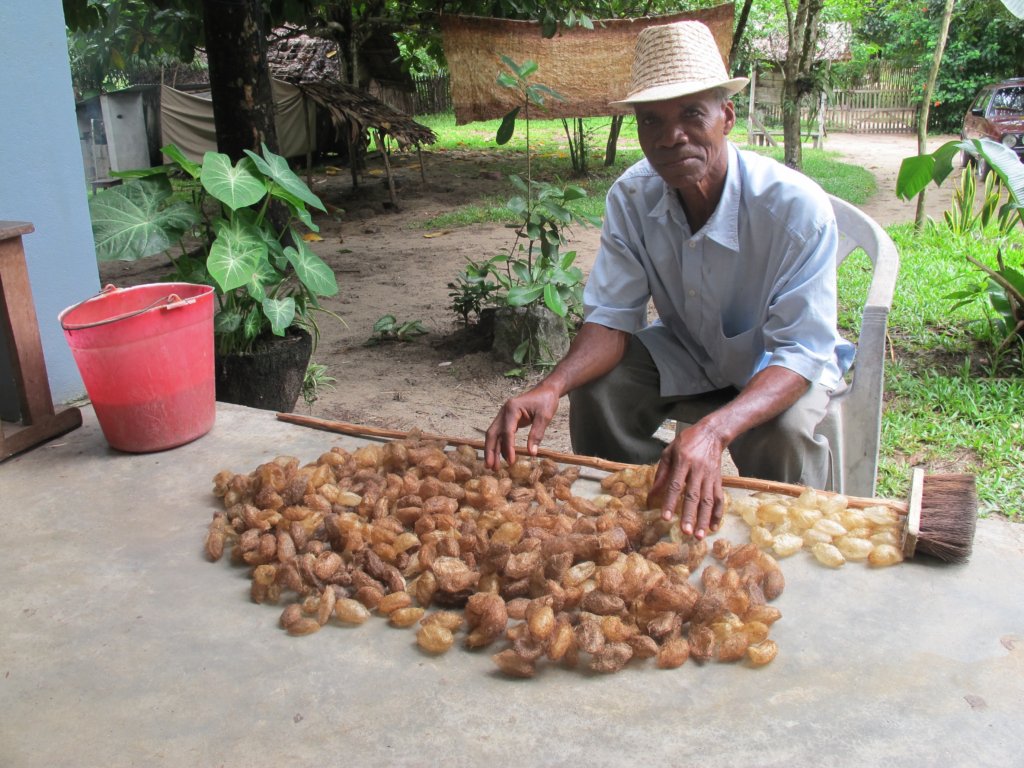
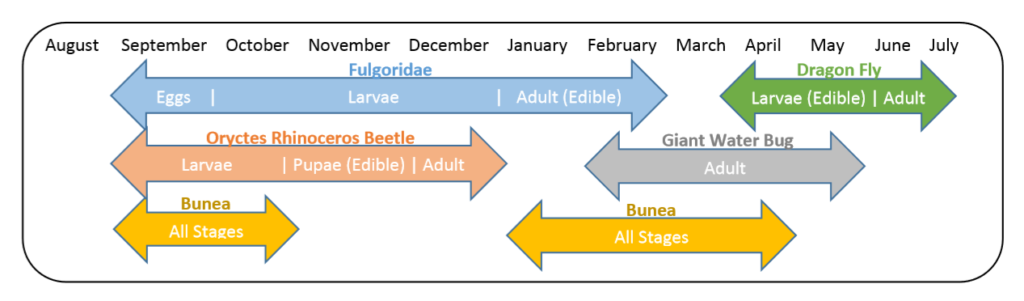
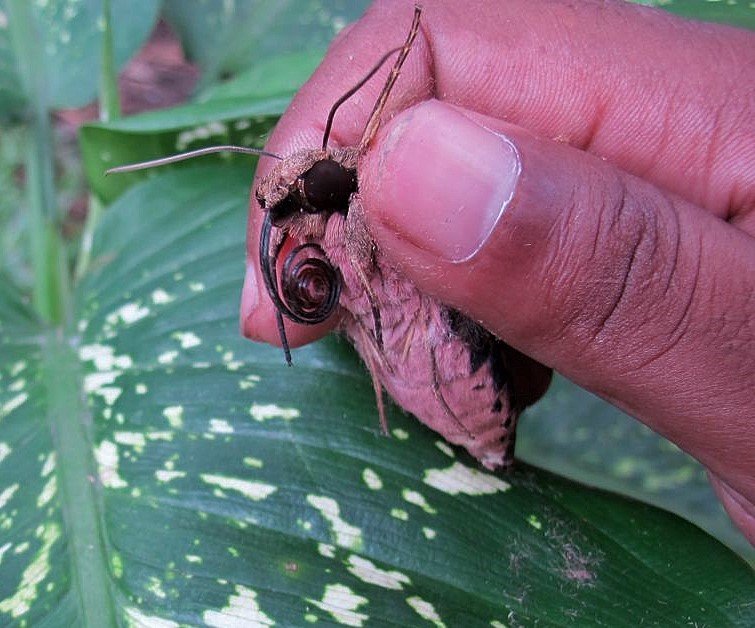
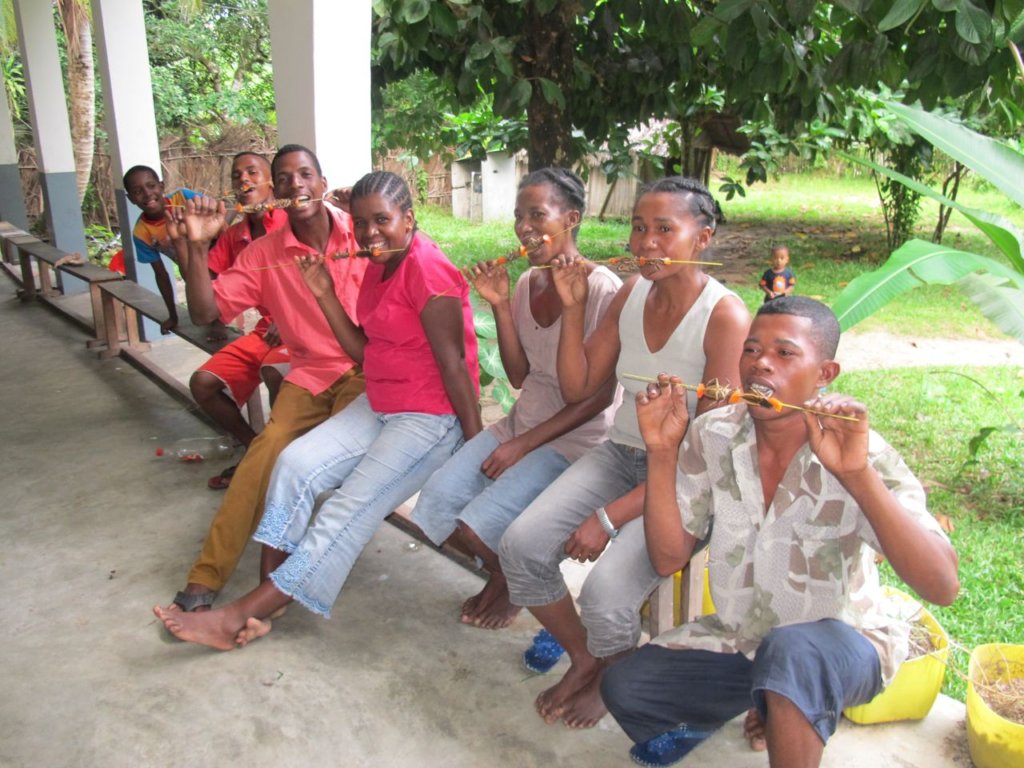
We have worked hard to identify new types of edible insects, study their life cycles, analyze protein content, serve insect brochettes and delicious rice and pupae casserole. Nevertheless, it is still find it difficult to convince farmers to incorporate insects into their diets. That is, however, with the exception of the pupae of Ceranchia apollina, the caterpillar that makes the gorgeous platinum cocoons that are the main focus of SEPALI's textile program. Ceranchia apollina pupae are not eaten by farmers in our immediate Makira area but on the northwestern side of Makira, where the pupae are considered a tasty snack. Therefore, while eastern farmer populations remain recalcitrant, western populations have already developed a pupae-eating culture.
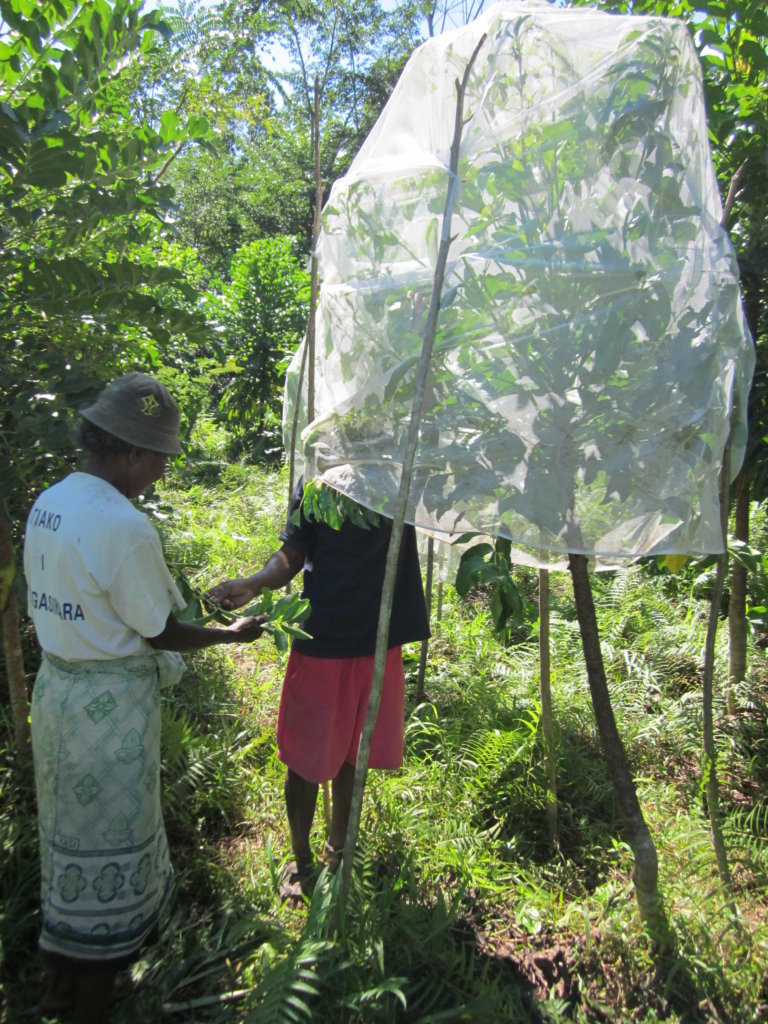
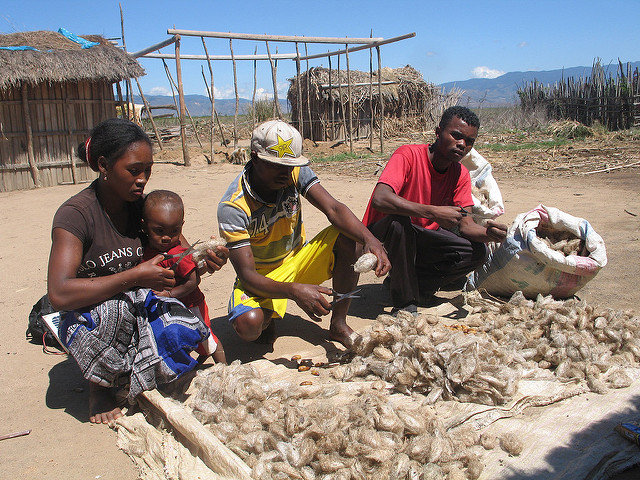
In the western site, communities collected cocoons and pupae long before SEPALI arrived on the scene. Because the pupae are only tasty within the first day of completing their cocoon, many of those harvested were discarded and in all cases the cocoons were left scattered by the edge of the road. Discovering this species and their silk has been a bonanza for the silk program becuase a known but previously discarded resource has become valuable. SEPALI Madagascar's new job is to focus on instructing people in communities where C. apollina is abundant how to harvest the pupae and cocoons sustainably. Hence, our new approach is to try to improve on sustainable use of an already used resource.
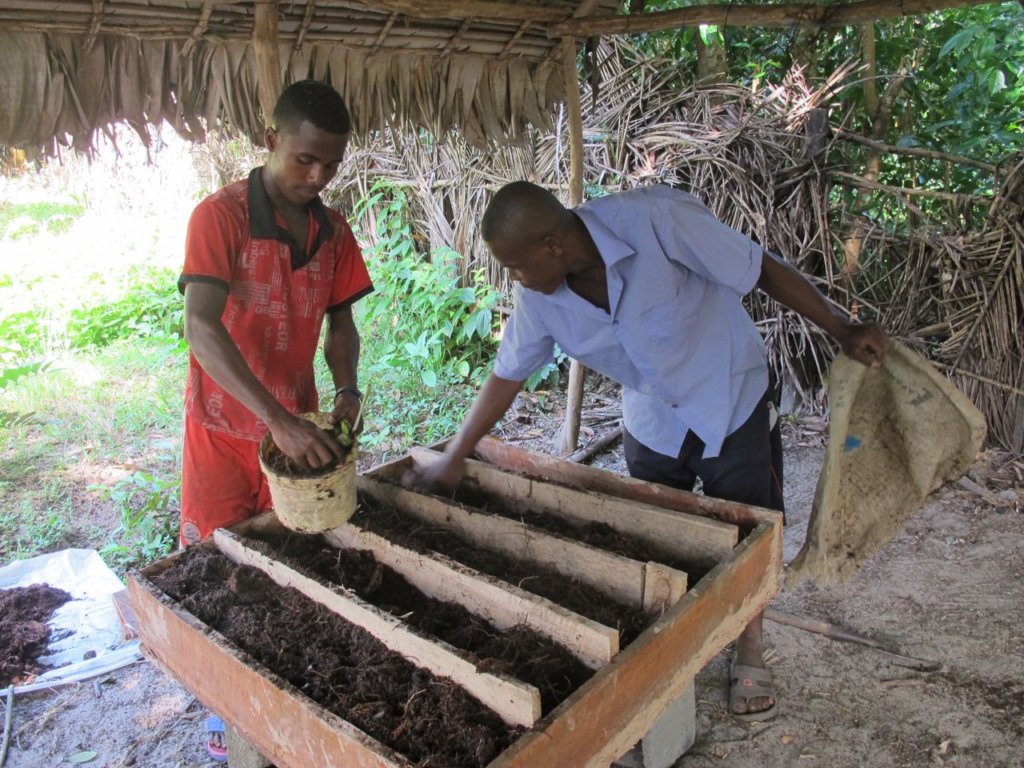
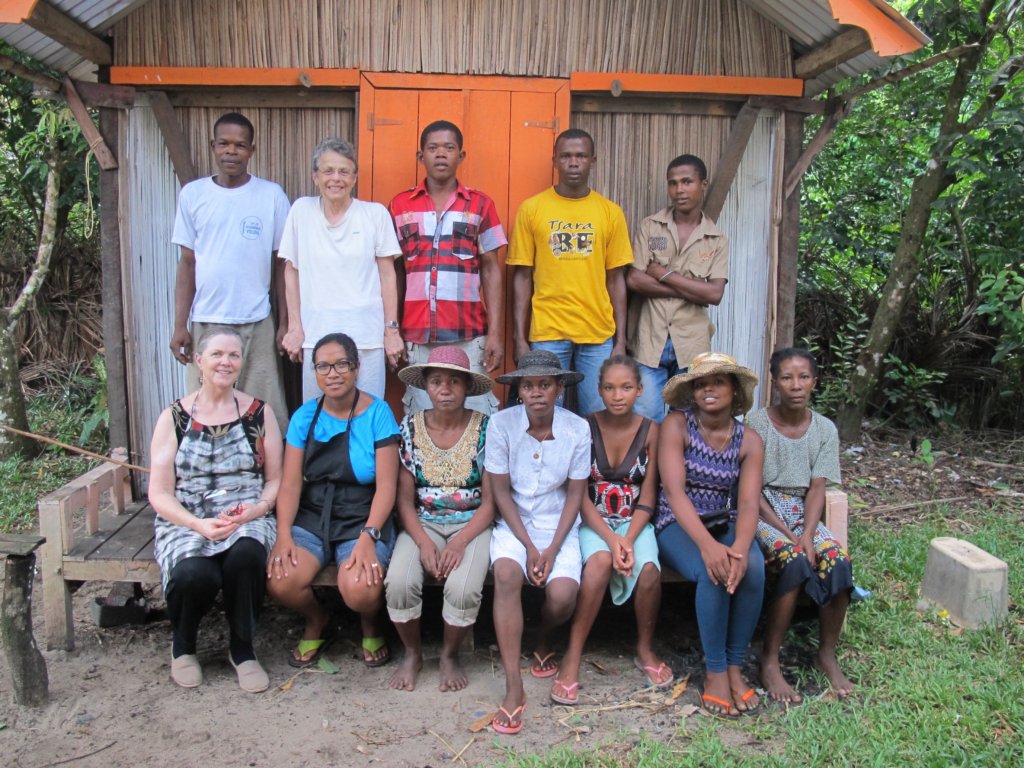
In the future, SEPALI will be directing its efforts to expanding production of C.apollina for food and fiber. Farmers from the eastern region where SEPALI as been working have been volunteering to travel to the western region where Ceranchia apollina are found to teach new communities.
"You can't always get what you want . . . But if you try sometimes you find . . You get what you need"
Links:
By Kerry ONeill | Assistant Director, CPALI
By Kerry O'Neill and Mamy Ratsimbazafy | Assistant Director, CPALI and Director, SEPALI
Project reports on GlobalGiving are posted directly to globalgiving.org by Project Leaders as they are completed, generally every 3-4 months. To protect the integrity of these documents, GlobalGiving does not alter them; therefore you may find some language or formatting issues.
If you donate to this project or have donated to this project, you can receive an email when this project posts a report. You can also subscribe for reports without donating.