By Kerry O'Neill and Mamy Ratsimbazafy | Assistant Director, CPALI and Director, SEPALI
A Big Thank You:
We'd like to start out with a big thank you to all of our generous, forward-thinking donors, our hard-working, inspiring team in Madagascar, and our creative, dedicated team of volunteers! This year, we increased farmer earnings yet again, expanded our Ceranchia program in Belanana to two sites, produced over 500 meters of wild silk textile, and increased sales by 5-fold. All of our success was made possible by your support!
News from the Bugs:
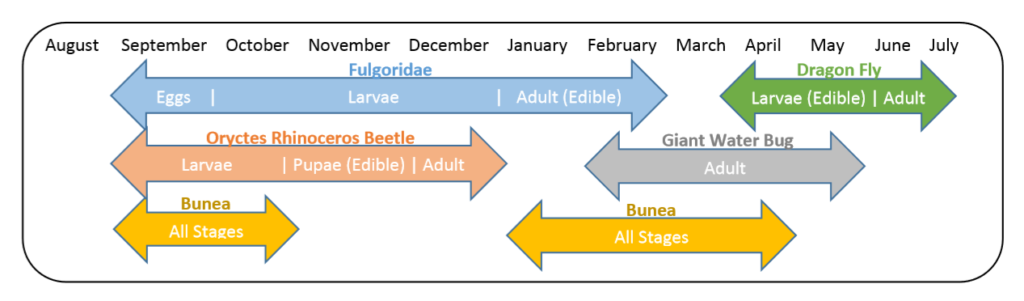
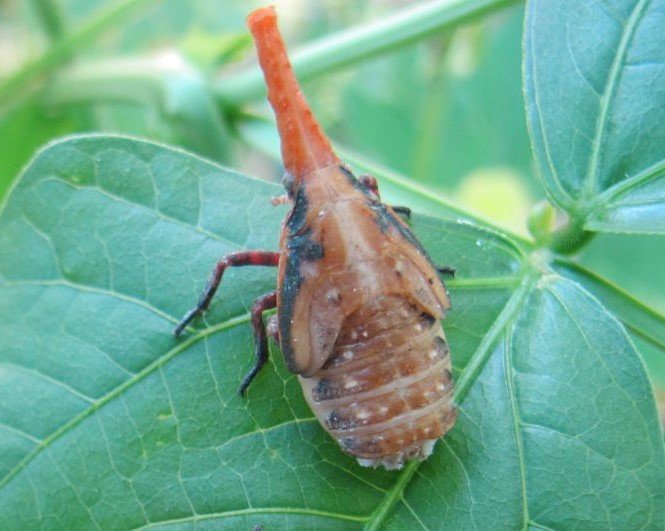
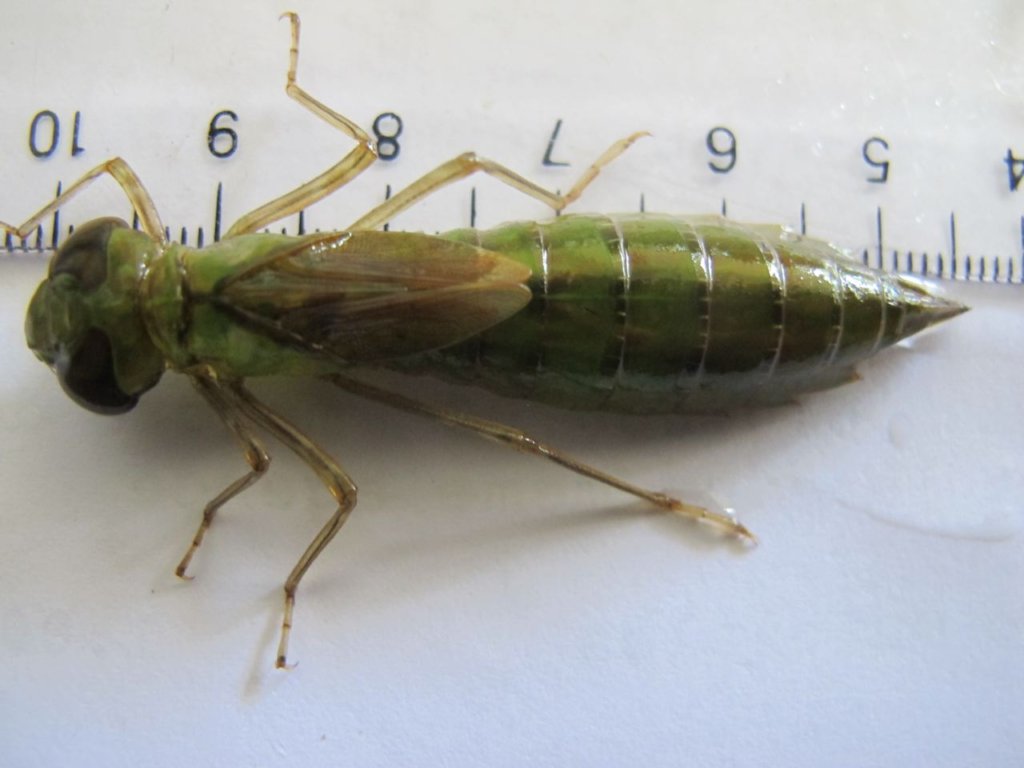
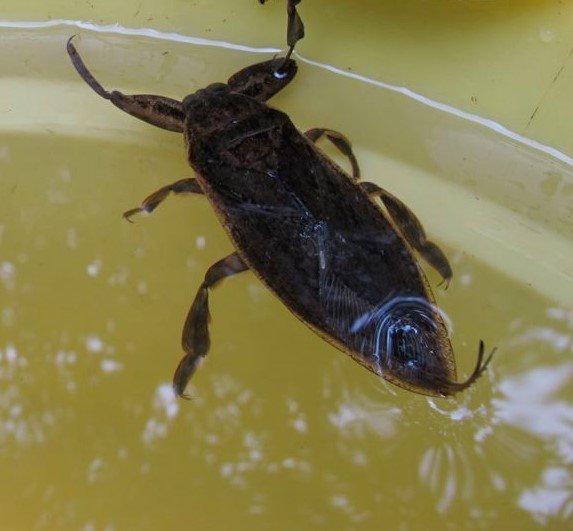
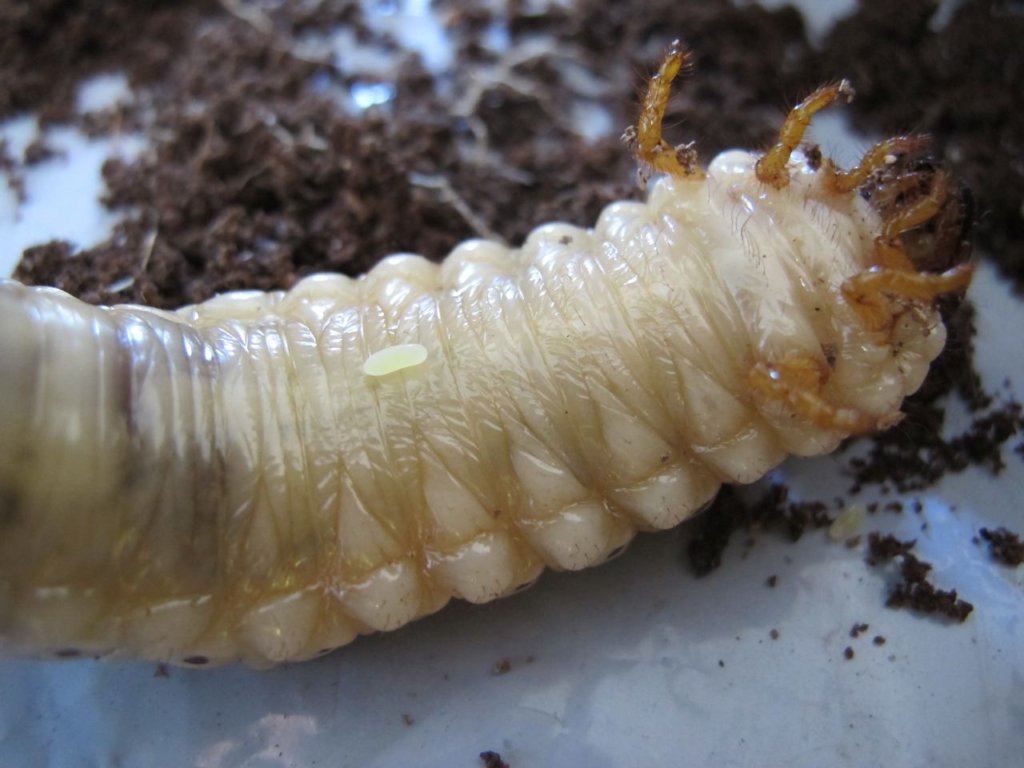
While many of the SEPALI staff are on holiday vacation, Fenozara Justin, the Lead Farmer spearheading the Fulgoridae and Orcytes programs, is entering his most active rearing season for his projects (see chart below). His land, now boasting a large population of host plants for Fulgoridae, ideal habitat for the Orcytes beetle and fish ponds for the giant water bugs, was able to attract larger populations of all three species this year. He is continuing his lifecycle research program through the holiday season and training Tsoly, a SEPALI staff member, to begin a similar project at a second research site near Vodarina.
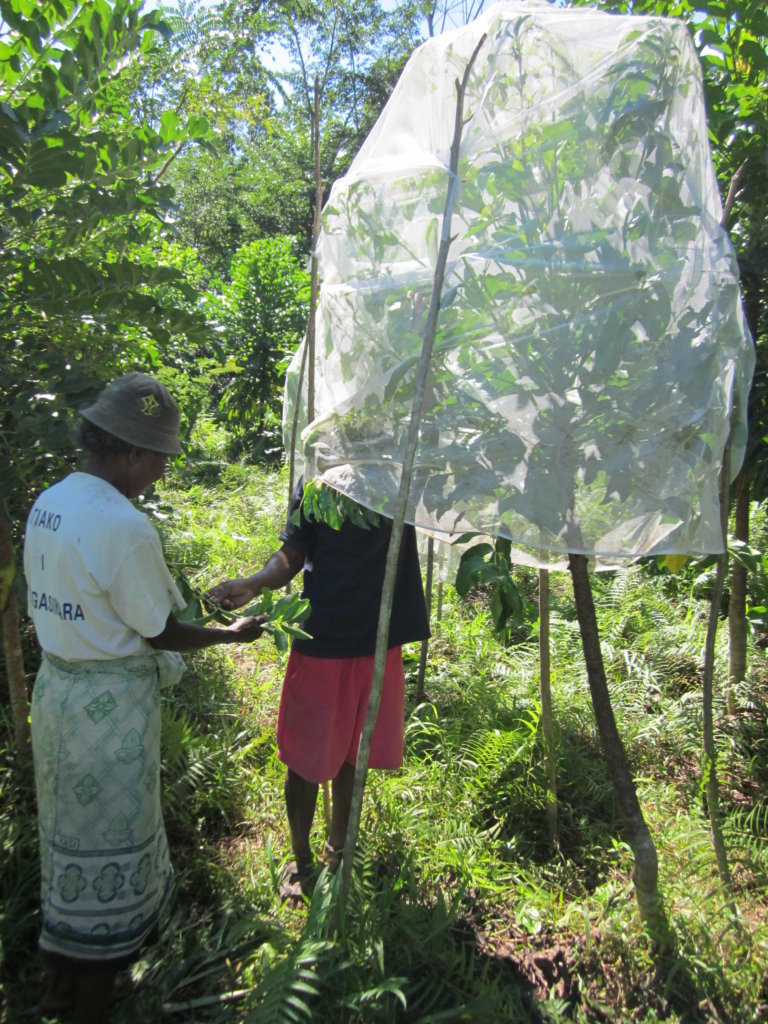
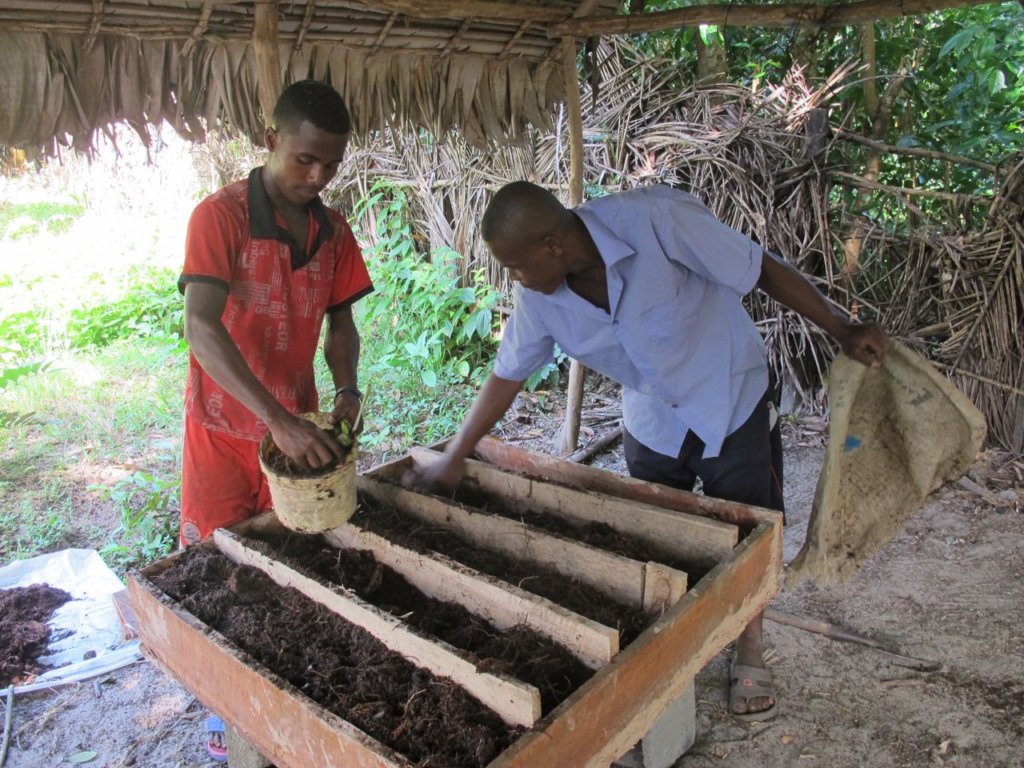
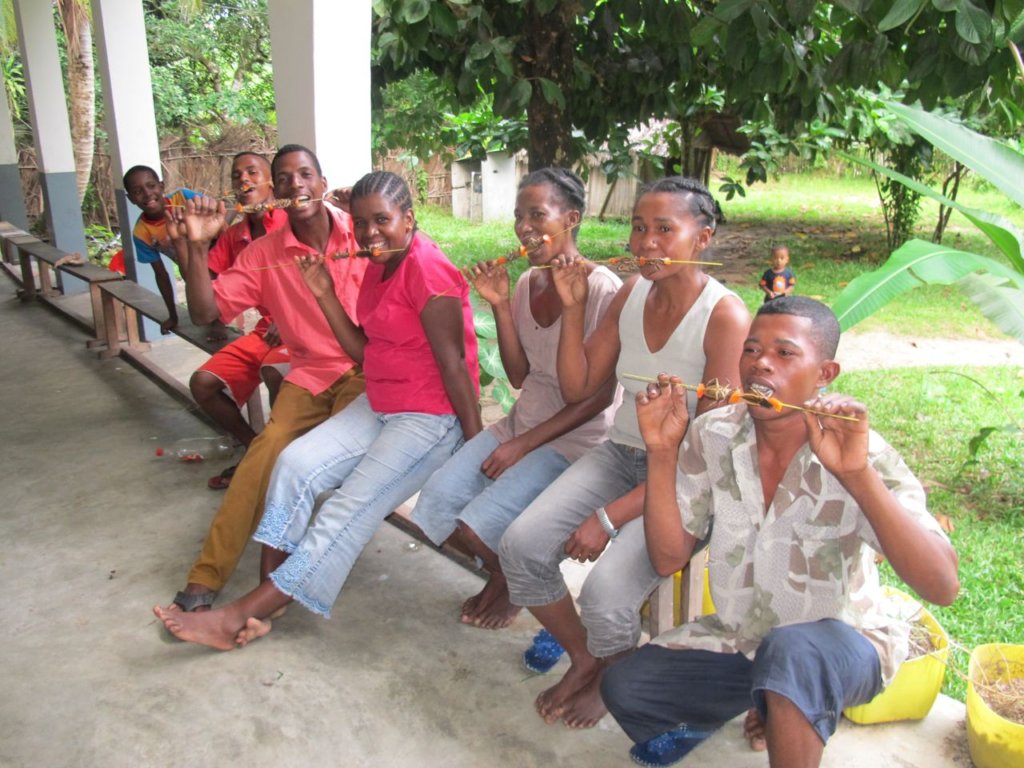
The SEPALI demonstration site in Maroantsetra will also have an active rearing project during the holiday season including Oryctes and cocoon-producing wasps. For now, the team is conducting their rearing work in a small enclosure, but hope to expand their operation to the larger moth garden in the spring. The moth garden is shaping up to be a tremendous asset as we expand silk and insect programs in 2016. The team will temporarily store the construction equipment in a secure location during the holiday break and complete the structure in February in time for the spring silk rearing season.
A Holiday Surprise:
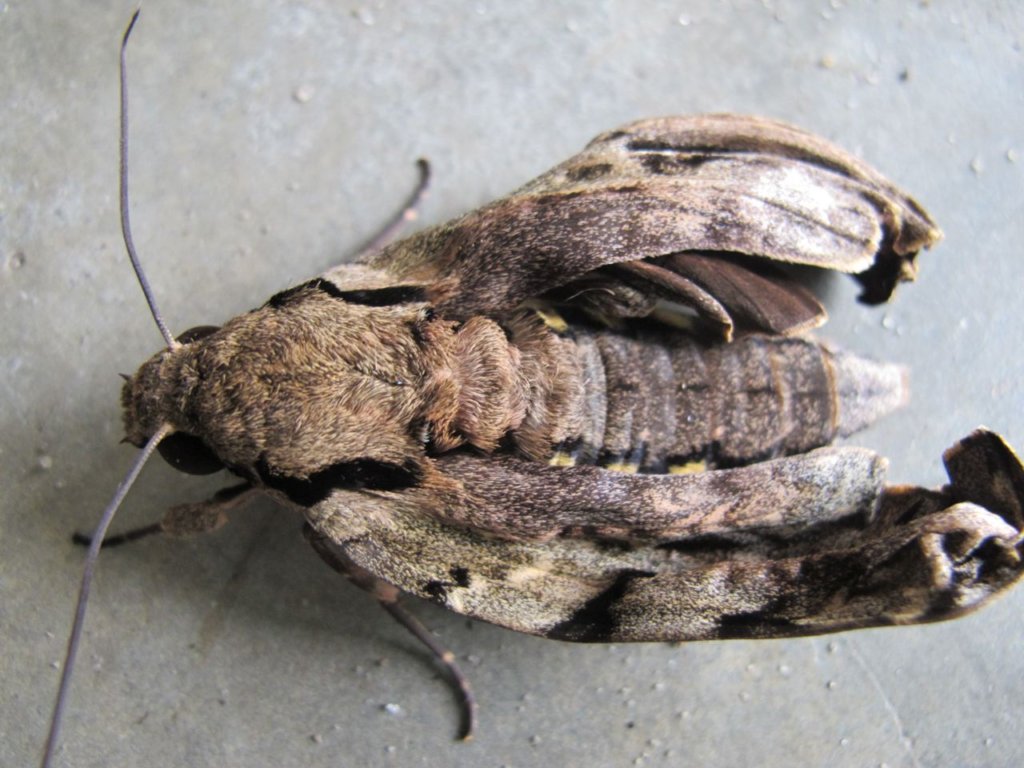
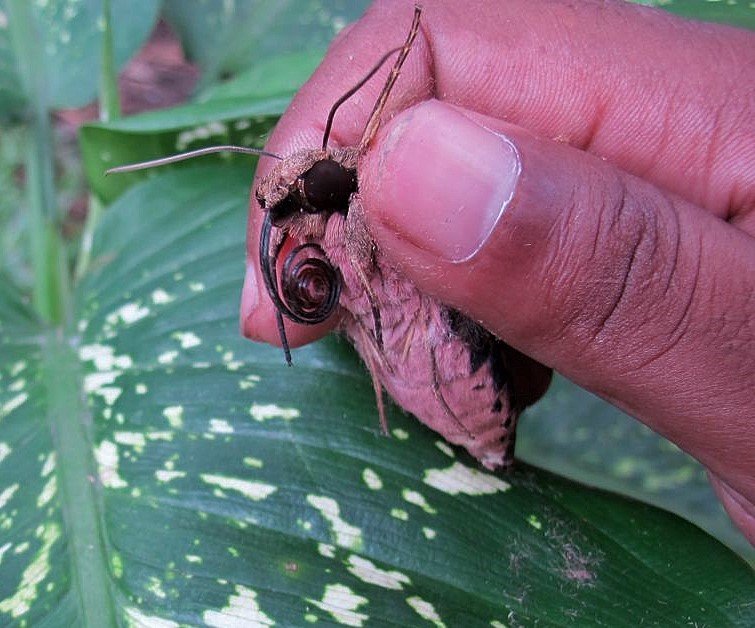
As an exciting holiday surprise for the team in Madagascar, the famous and rare Malagasy Hawk Moth emerged from its pupal phase this month. The rare moth was originally predicted to exist by Darwin based on an orchid specimen with an exceptionally deep nectary. Darwin predicted that the plant would need a large moth pollinator with a long proboscis. Sure enough, the moth was discovered in Madagascar many years later.
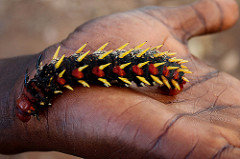
Our own team was lucky enough to come across the larvae of this rare moth on a recent field mission a few months ago and labor-intensively reared the larvae by returning to the site every few days to collect fresh host tree leaves. The moths successfully emerged a few days ago and thrilled the whole team!
Looking Forward:
We have many exciting new plans in store for 2016 including training workshops by an international design consultant, participation in our first Malagasy trade show, the introduction of a formal monitoring program for Ceranchia, education and outreach opportunities in partnership with WCS and the expansion of our insect program to the rural communities. Thank you again for your support and we hope that you will consider supporting our projects again for 2016!
All the best and happy holidays,
CPALI/SEPALI team
Project reports on GlobalGiving are posted directly to globalgiving.org by Project Leaders as they are completed, generally every 3-4 months. To protect the integrity of these documents, GlobalGiving does not alter them; therefore you may find some language or formatting issues.
If you donate to this project or have donated to this project, you can receive an email when this project posts a report. You can also subscribe for reports without donating.