By Catherine Craig and Kerry O'Neill | Directors, CPALI
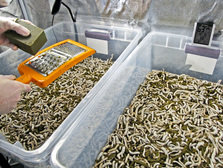
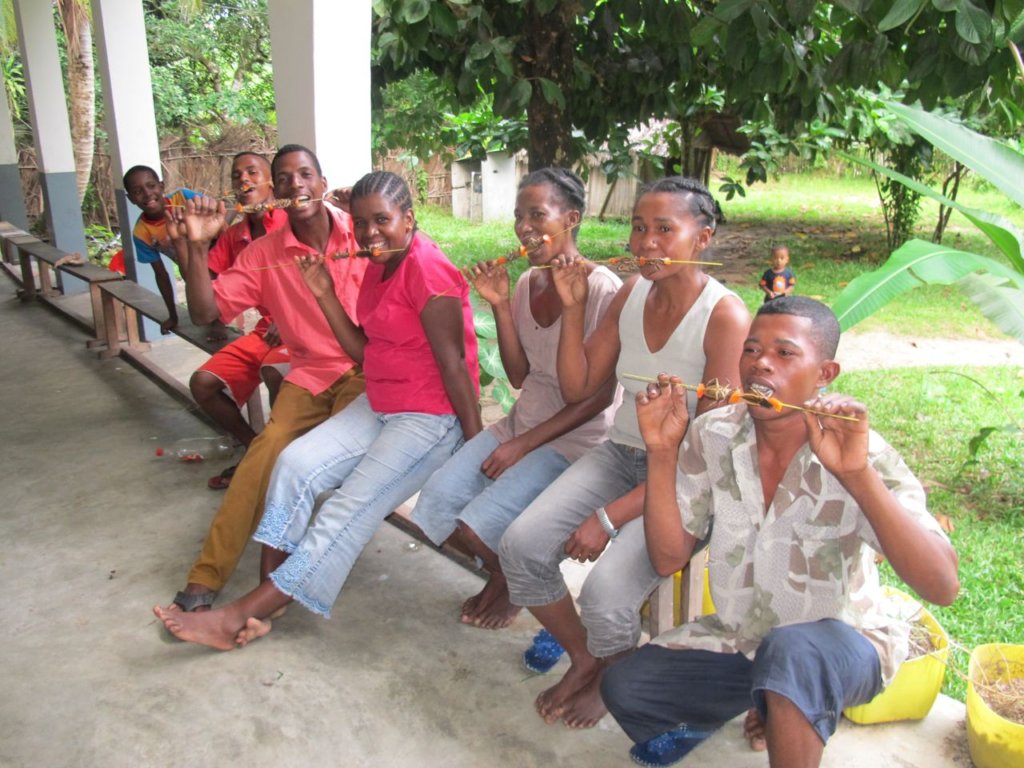
Insect farming, not just collecting, will be key to insuring the sustainability of this food source. This month, the CPALI team will be visiting Tiny Farms, a company selling small, “do it yourself” insect rearing kits for consumption. CPALI will serve as the company’s contact for Madagascar and in return, Tiny Farms will help CPALI adapt insect rearing equipment to native insects in Madagascar. Together, the team hopes to introduce a protein-rich species to the subsistence farmers' groups working with our project to eat or sell in order to combat protein deficiency in the region.
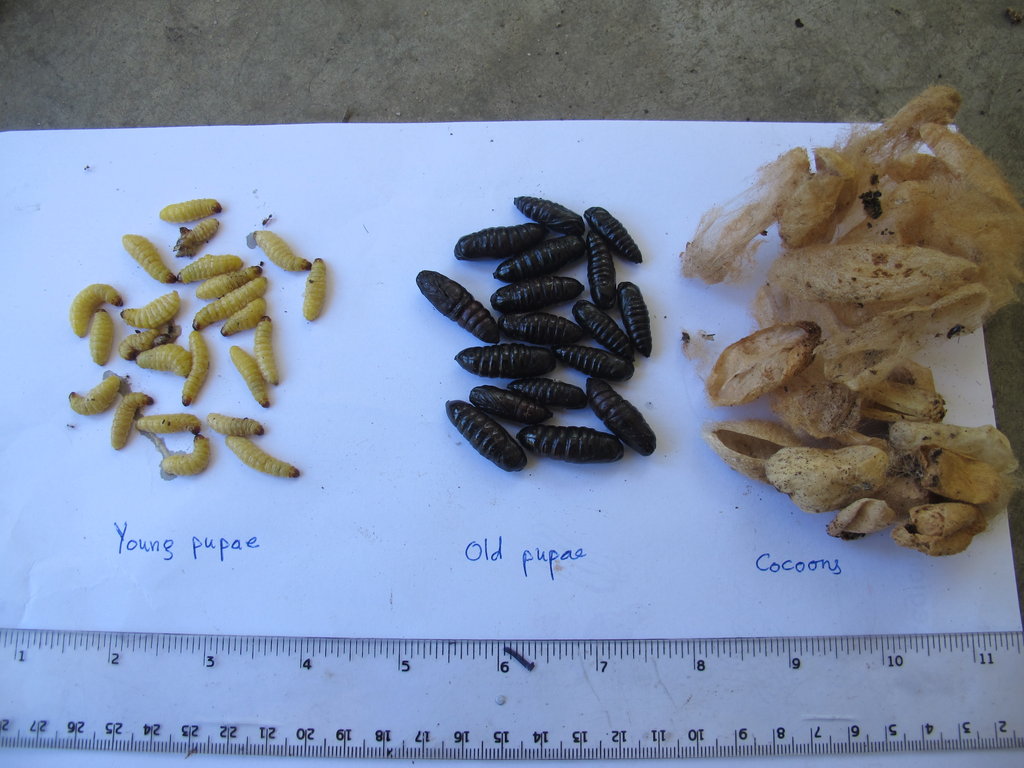
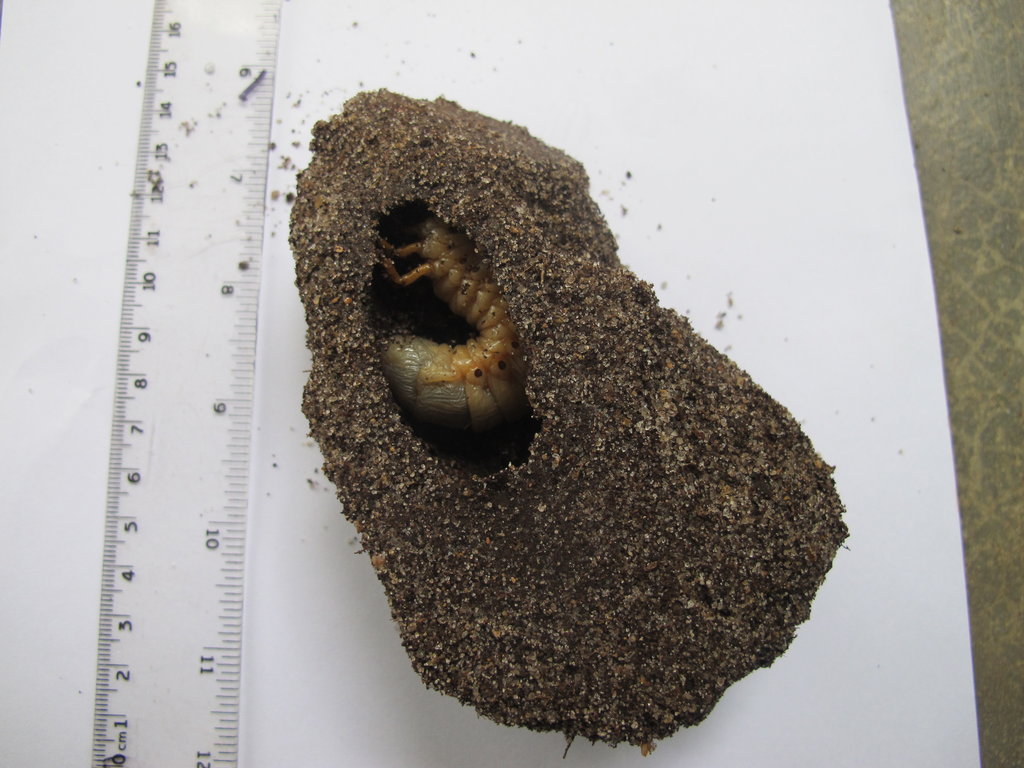
Meanwhile, the SEPALI team in Madagascar has been pushing forward on their research with moth pupae for protein and beetle larvae. The team has identified a species of edible larvae that is easy to rear and rich in protein. Last month, the team experimentally reared 35 larvae to maturity in order to document the lifecycle of the species. In the final stages of development, the larvae make a nest in the sandy soil (pictured below) and emerge as a beetle. While the species is promising, the life cycle takes more than a month. SEPALI continues to search for a species that matures faster in order to be a viable food source.
One event that SEPALI will take advantage of in the coming week is National Moth Week. National moth week celebrates moths around the world and we encourage other organizations and individuals to host "mothing" events! The hardest part is finding a spot that is dark (away from home and street lamps), but visible from many directions - Simply hang a bed sheet with a light over it (battery powered lights will allow you to visit darker areas). The light will attract many kinds of insects (an added plus!) as well as moths. The website below, National Moth Week, has tons of great resources and new information - check it out!
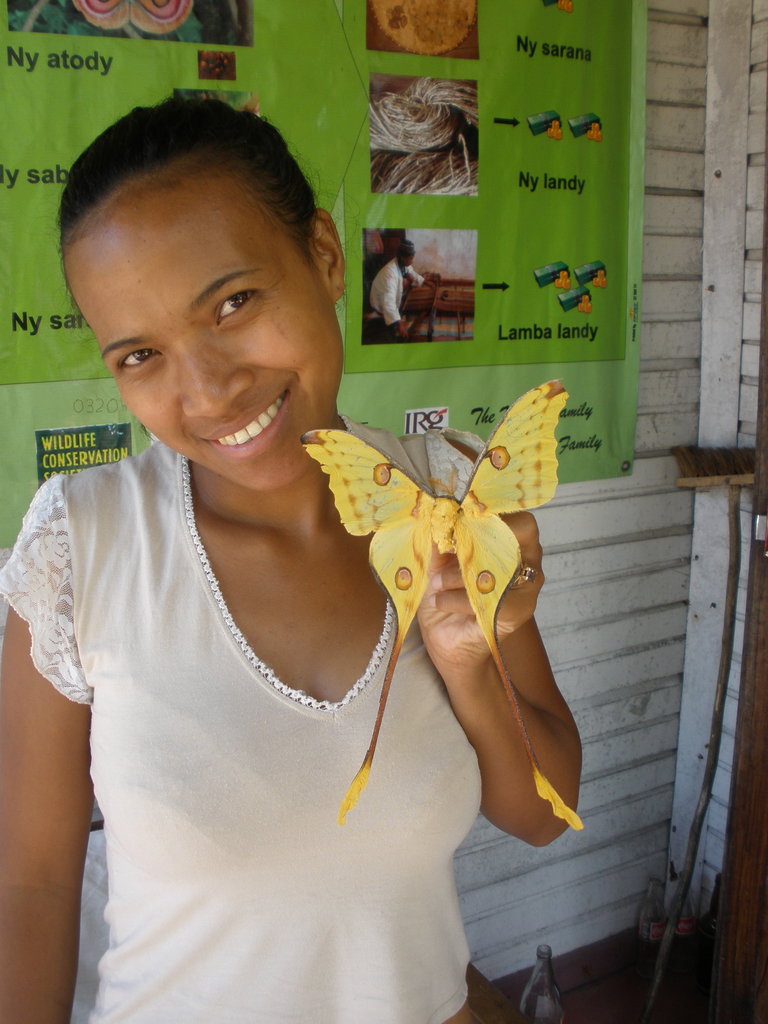
Many of the big silk moths, like the ones that CPALI studies, don't fly until the very late evening but if you are in the US and very lucky, you might see a luna moth - it's the right time of year. While the Moth Week event is focused in the US and not an ideal time of year for moths in Madagascar, the SEPALI team is interested in participating and looking forward to observing the July population of moths in Northeast Madagascar. The team hopes to identify species of moths and nocturnal insects that could be viable for protein sources. From July 19th to the 27th, the SEPALI team will set up a moth light and make nightly observations of the fuzzy visitors. Follow along on facebook and twitter to see how it goes!
Donate today and increase your impact! Today, on July 16, 2014, Global Giving will be matching donations to our organization by 50%. That means if you give $100, we get an extra $50. Join us today and help secure a better future for Malagasy farmers!
While the CPALI/SEPALI team is working to introduce insects as an alternative source of protein, similar efforts are being made right here in the US and Europe. Did you know that insect food, while only a budding industry in the US and Europe is extremely important in Asia and Africa? Below is a link to a BBC documentary on insects eaten in Thailand.
Links:
Project reports on GlobalGiving are posted directly to globalgiving.org by Project Leaders as they are completed, generally every 3-4 months. To protect the integrity of these documents, GlobalGiving does not alter them; therefore you may find some language or formatting issues.
If you donate to this project or have donated to this project, you can receive an email when this project posts a report. You can also subscribe for reports without donating.