By Kerry ONeill | Assistant Director, CPALI
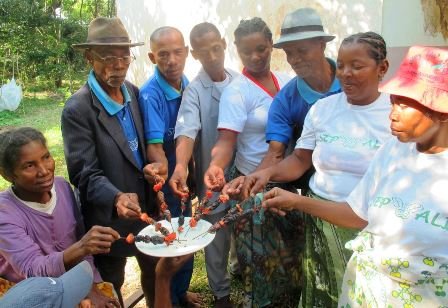
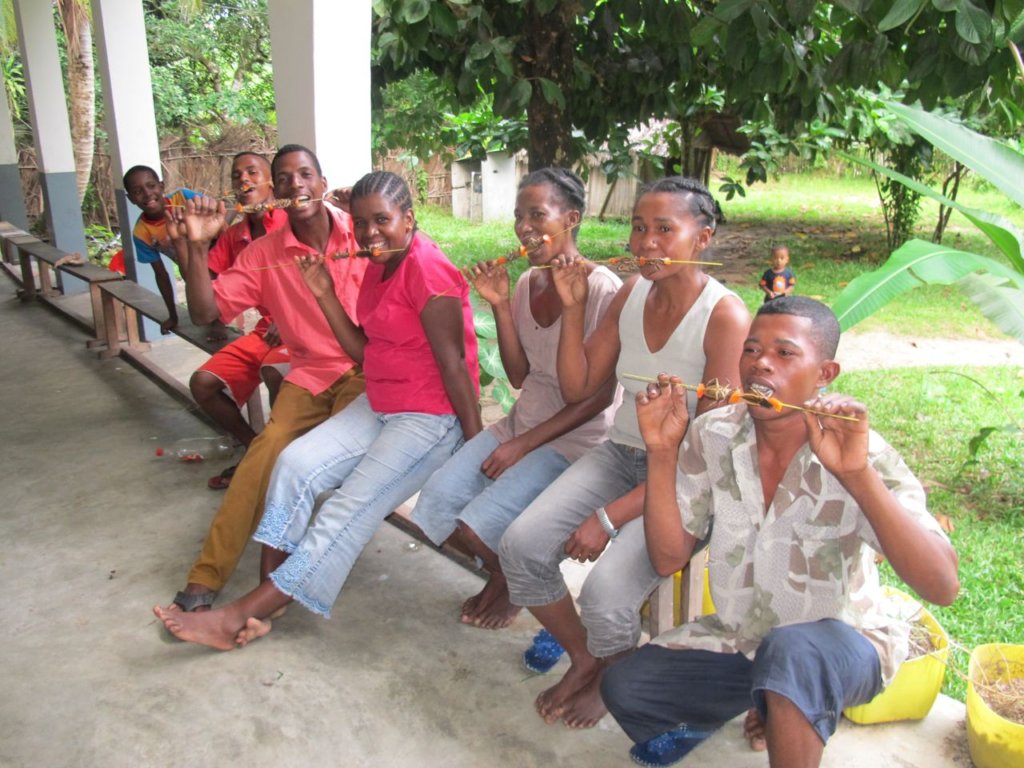
At a recent meeting with SEPALI Lead Farmers, team members prepared a delicious surprise: insect shish kabobs! After months of research, this exciting event marks the first time that the insect rearing program has been formally introduced to our farmer members. And the best part? They loved it!
SEPALI team members have been gradually paving the way for the introduction of an insect protein program. Since late 2013, the team has been hard at work evaluating different species of silkworm pupae and other insects for their rearing potential, nutritional value, and rearing techniques.
While eating insects is old news to many of our SEPALI farmers, the idea of actively rearing them is a new concept. Traditionally considered a “poor man’s food”, insects will have prejudices to surmount in the community, but rampant protein deficiency in the region is putting pressure on families to innovate. Insect protein may offer a solution.
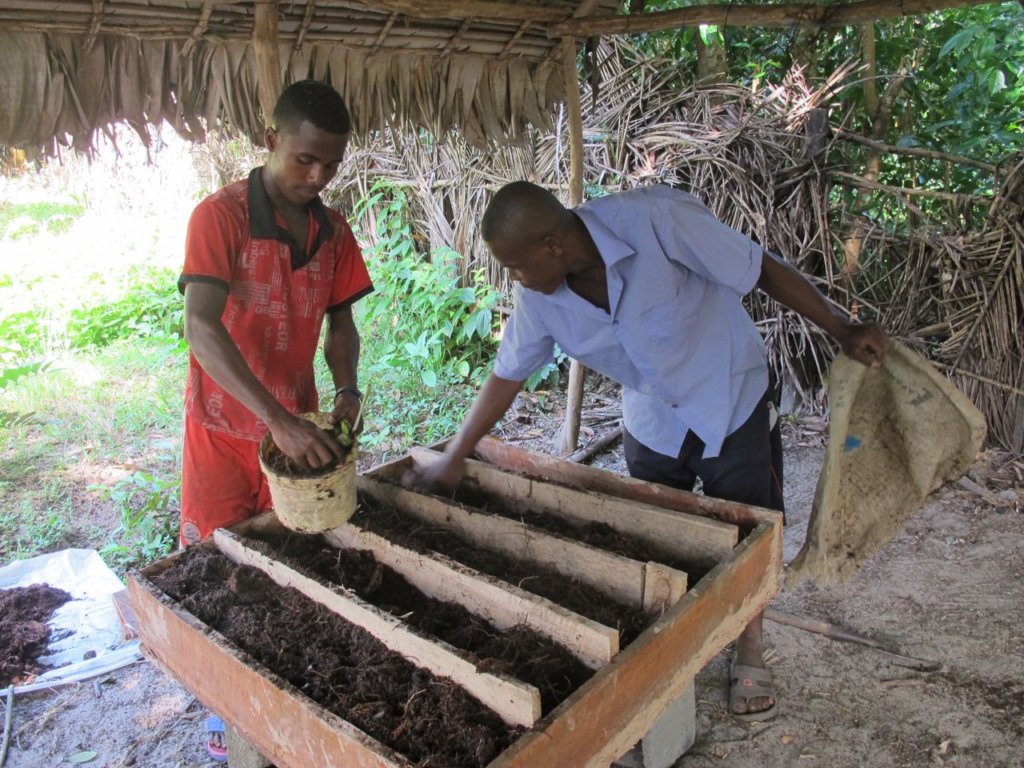
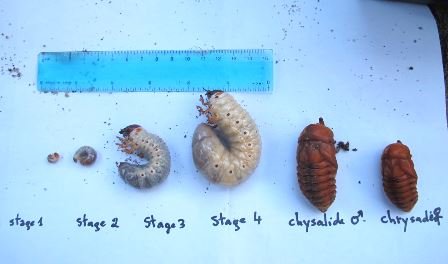
One species that has become particularly interesting to the SEPALI team is the Orcytes beetle. Often found colonizing the trunk of the famous “Ravinala” or “traveler’s tree” in Madagascar, this beetle is easy to rear and yields large numbers of protein-rich pupae. Over the past few months, SEPALI staff have been working to master the rearing techniques for this particular beetle. Finally, in late September, the whole production was ready for the farmers.
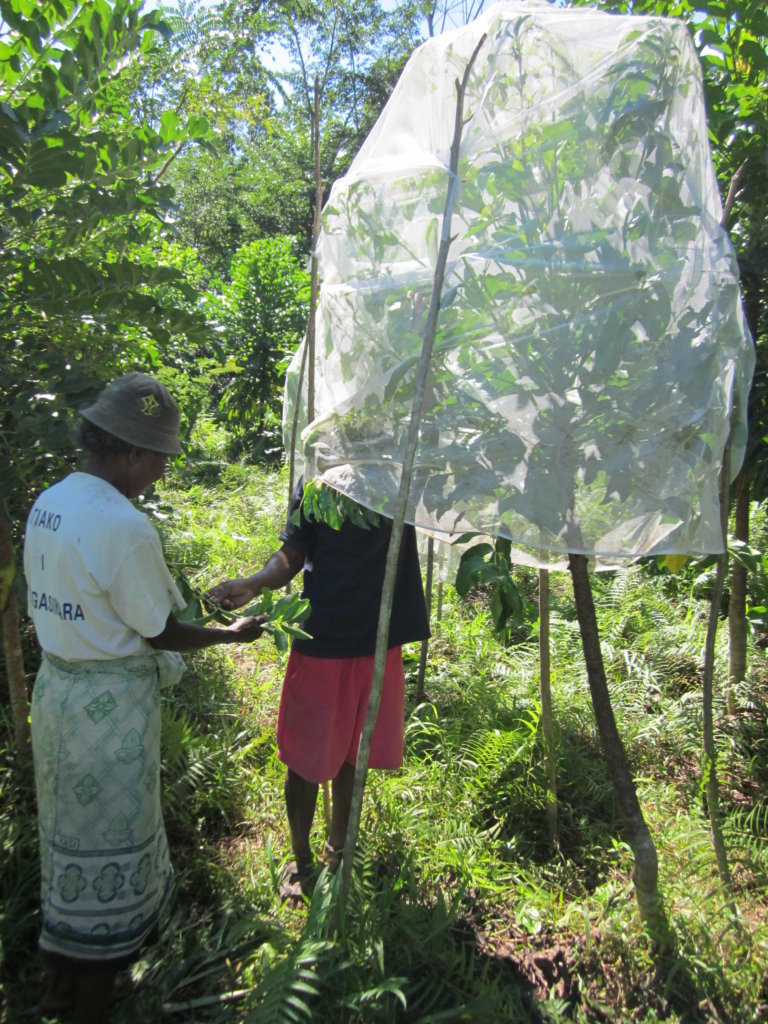
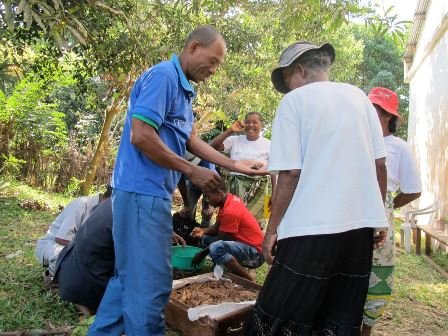
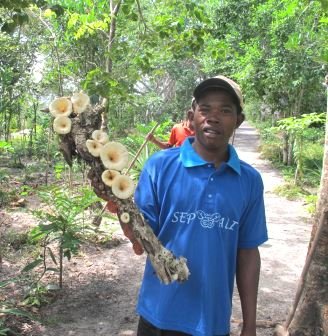
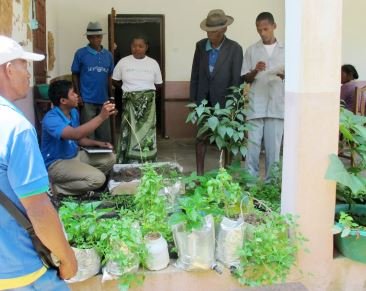
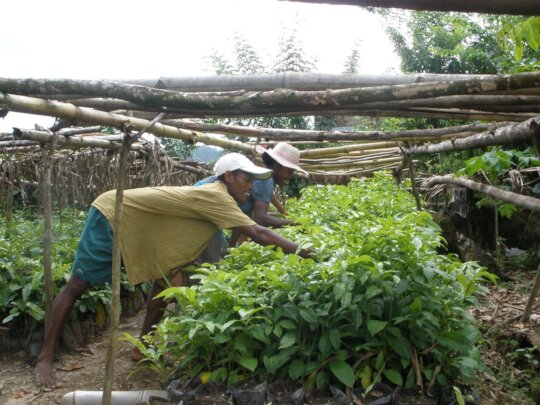
On September 15, 2014, SEPALI Lead Farmers gathered at the demonstration site for a tri-annual meeting and were surprised to find insects on the menu. Initially skeptical of the "poor man's food", SEPALI farmers gave the suspicious-looking kabobs a fair chance and found the recipe to be "surprisingly delicious". In fact, sharing a meal of protein-rich beetles and vegetables from the SEPALI demonstration site seemed to energize the whole group. During the session, lead farmers enthusiastically explored the insect rearing beds at the demonstration site, toured thriving vegetable gardens and witnessed active mushroom cultivation on silkworm host trees. "I understand now how much SEPALI is trying to offer", said Fenozara Justin, a leading cocoon producer with the SEPALI program. "I would like to be involved in these new programs."
The overwhelmingly positive response from farmer members is encouraging for the SEPALI team. In the coming months, the team will shift its focus to the farmers and begin insect rearing trainings in the communities. With a little luck and a lot of insects, SEPALI farmers may be able to lead the charge against protein deficiency in Maroantsetra.
Project reports on GlobalGiving are posted directly to globalgiving.org by Project Leaders as they are completed, generally every 3-4 months. To protect the integrity of these documents, GlobalGiving does not alter them; therefore you may find some language or formatting issues.
If you donate to this project or have donated to this project, you can receive an email when this project posts a report. You can also subscribe for reports without donating.