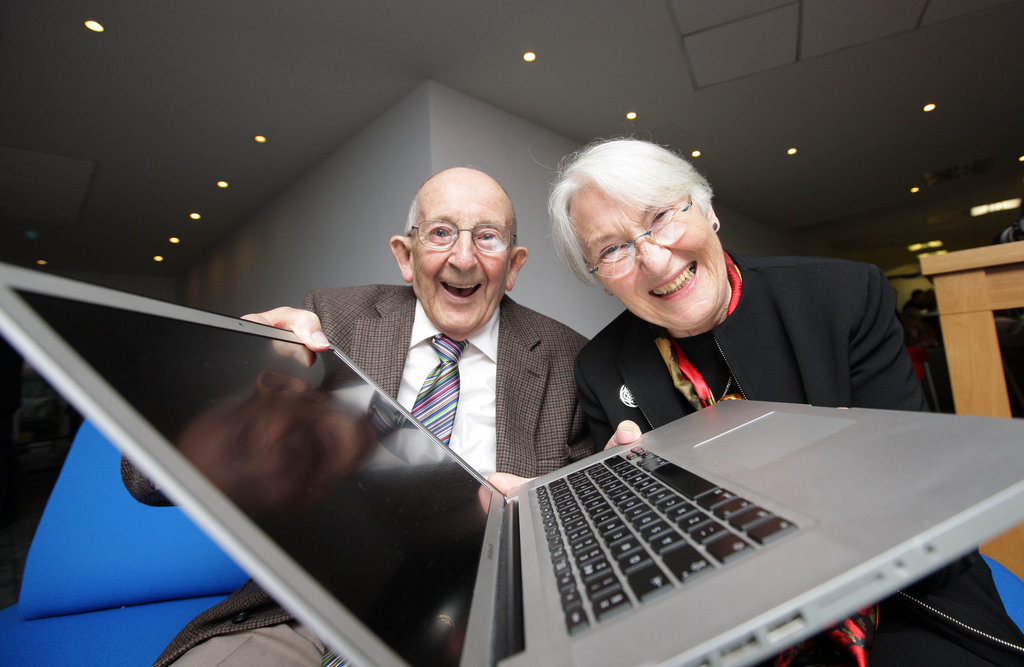
In a new briefing paper published recently, Age Action calls for urgenty support to tackle high rates of digial exclusion among older people who are in danger of being left behind in an increasingly online Ireland.
Figures from Eurostat show that 50 per cent of people in Ireland aged between 65 and 74 have never been online compared with 16 per cent in Britain. In 2013, the Government described the number of people over 75 who are online as ‘negligible’.
Justin Moran, Head of Advocacy and Communications with Age Action, said: “An entire generation of older people is being left behind, cut off from all of the opportunities and benefits of being able to use the internet.
“Far fewer older people in Ireland are online compared with Britain and our other EU neighbours. As service providers like banks push customers to do their business online this is making it increasingly difficult for older people to get information and to access services.
“We know there are enormous social benefits for older people who are online and research shows it can reduce depression among older people by as much as 30 per cent.
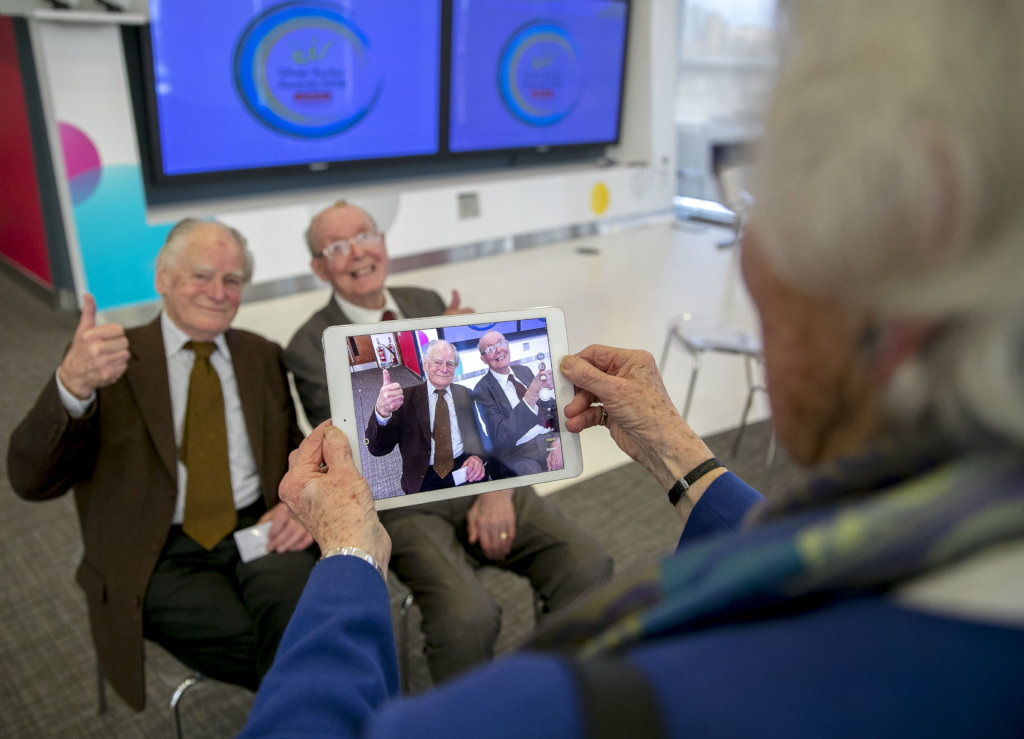
“For many older people it is a vital link to friends and families, a way to explore new hobbies and interests, and some have turned their skills to starting businesses or highlighting social issues.”
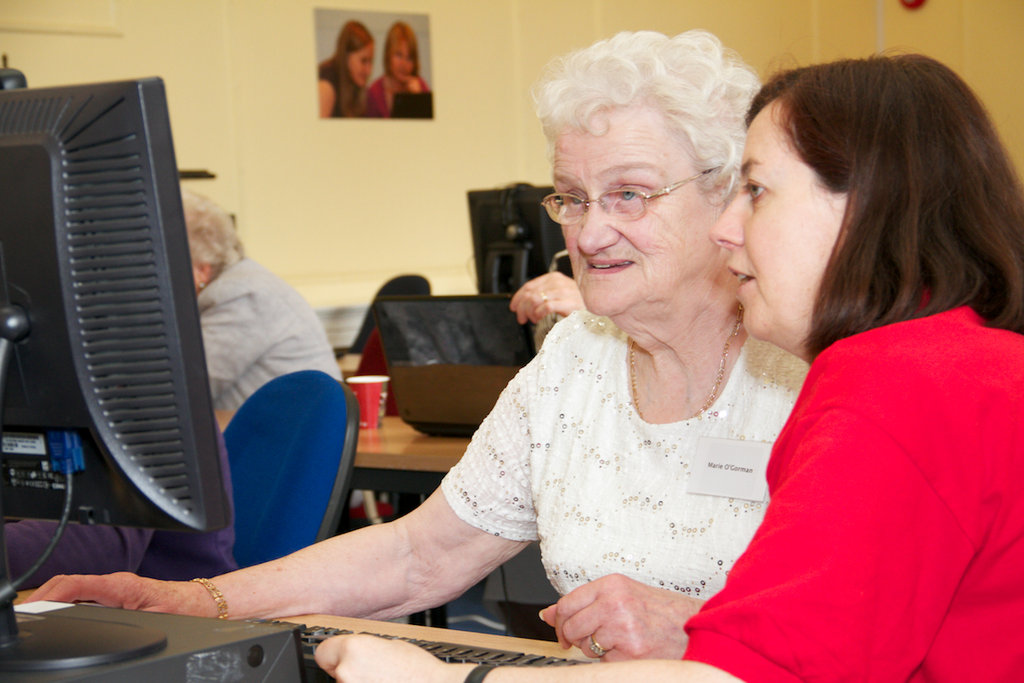
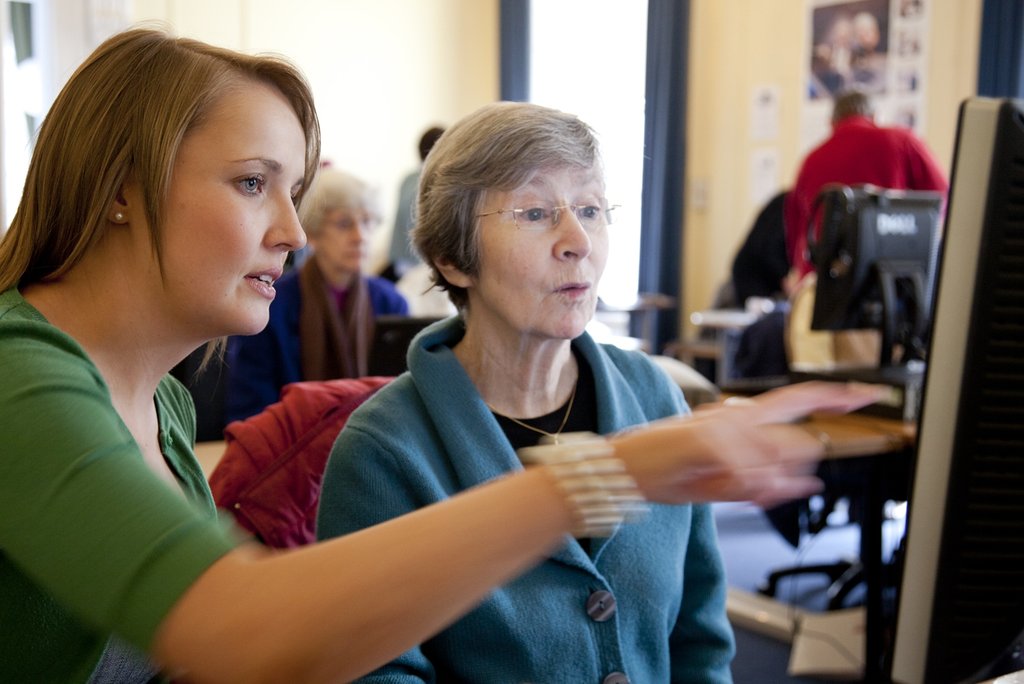
Age Action runs its own computer training programme, Getting Started, with funding from the Digital Skills for Citizens scheme run by the Department of Communications, Climate Action and Environment.
Justin Moran continued: “We train thousands of older people to use the internet every year. We know they are as capable as anyone else of learning how to send emails, shop and bank online, or to use social media.
“But the resources are simply not there to cope with the demand for classes, to provide them in one-to-one settings or to enable older people to repeat classes to build up their confidence.
"The Government’s training programmes have helped tens of thousands people get online but the stark gap between internet use by older people in Ireland and among our EU neighbours shows just how much we need to improve."
The paper identifies a number of barriers preventing older people getting online including ageism, a lack of confidence, the absence of broadband locally and cost, which was highlighted as a factor in research from Britain.
In June, a new Telephone Support Allowance of €2.50 a week will be introduced for those who qualify for the means-tested Fuel Allowance and live alone.
Justin Moran said: “A broadband-only deal could cost as much as €50 a month, which is a lot for someone on the State Pension. Older people, particularly those living alone, should not be priced off the internet.
“The new funding is very welcome but it’s far smaller than the old Telephone Allowance used to be and restricted to a small number of people. We’d like to see the Government increase it over the next two budgets.”
The paper sets out a number of recommendations on how to support older people to get online, see below, and Age Action will be seeking to meet with the Minister for Communications, Climate Action and Environment and other policymakers in the coming weeks.
- Immediately double funding for the Digital Skills for Citizens Grant Scheme to €4.4 million in Budget 2019 to provide more training places and to improve the scheme’s coverage in rural Ireland.
- Reform the Digital Skills for Citizens Grant Scheme to provide financial incentives to organisations to provide one-to-one training, to allow learners to repeat classes to build their confidence, to provide training in the older person’s home where this is necessary and to provide technical support to the newly online.
- Support older people on low incomes to access the internet by increasing the Telephone Support Allowance to €4 per week over the next two budgets at an estimated approximate cost of €17 million.
- Develop and roll out a national digital skills learning programme, integrating it with existing community infrastructure, particularly libraries and post offices, and consider looking to the British Online Centres Network and AbilityNet in Britain as potential models.