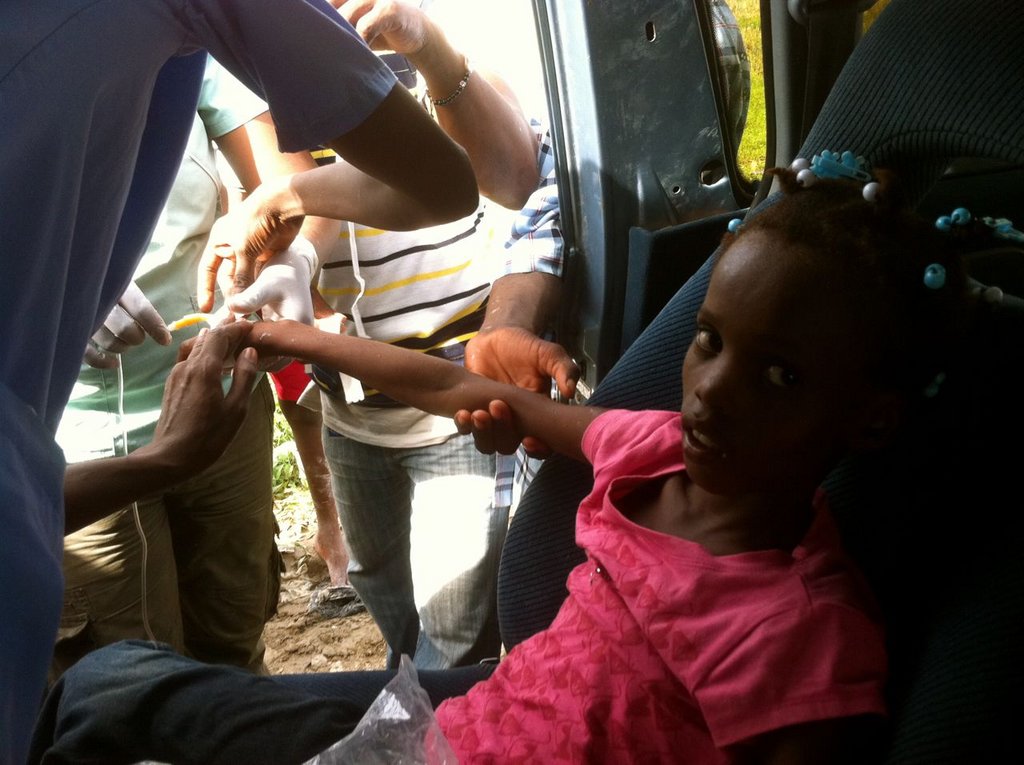
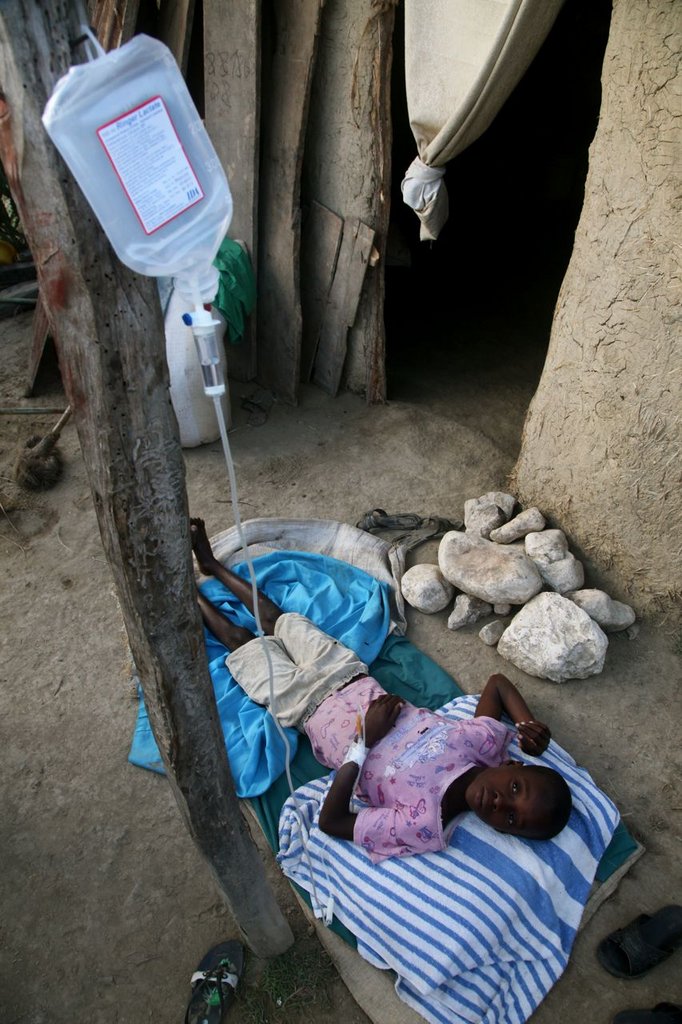
This spring, 8-year-old Belizaire S. came home from school and started to feel sick. By the following morning, he was so ill with diarrhea and vomiting that he could hardly stand up. His mother, a widow raising six children alone, knew where to go—the PIH cholera treatment center in Mirebalais, in central Haiti. At the center, Dr. Thelisma Heber asked Belizaire a few questions about his symptoms, but there was no doubt he needed IV fluids immediately. "He’s a severe case. You can see his eyes are sunken," Heber said.
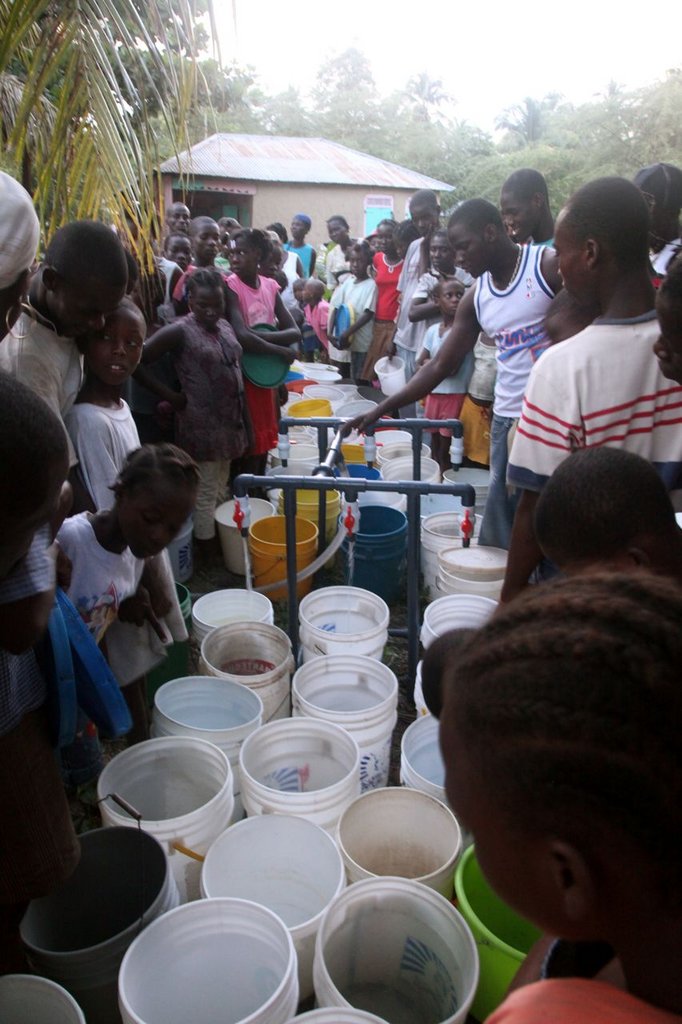
With the start of the spring and summer rains, which spread sewage and contaminate water sources, PIH and our Haitian sister organization, Zanmi Lasante, are bracing for more cases of cholera. Because emergency funding has largely ended, many prevention and treatment activities have ceased in other parts of Haiti.
"In most of the areas we serve, it seems that we are the only cholera health care provider, and that puts more pressure on our services," said Dr. Ralph Ternier, PIH/ZL director of community care. Since the epidemic began in late 2010, cholera has killed more than 8,000 people and sickened 650,000, according to Haiti’s Ministry of Health. Thanks to your support, PIH/ZL has treated more than 100,000 patients for cholera and has worked to prevent cholera’s spread since the problem began. PIH/ZL also supported the delivery of Haiti’s first cholera vaccination program. PIH/ZL continues to operate cholera treatment centers in central Haiti, and conduct prevention activities and educational outreach.
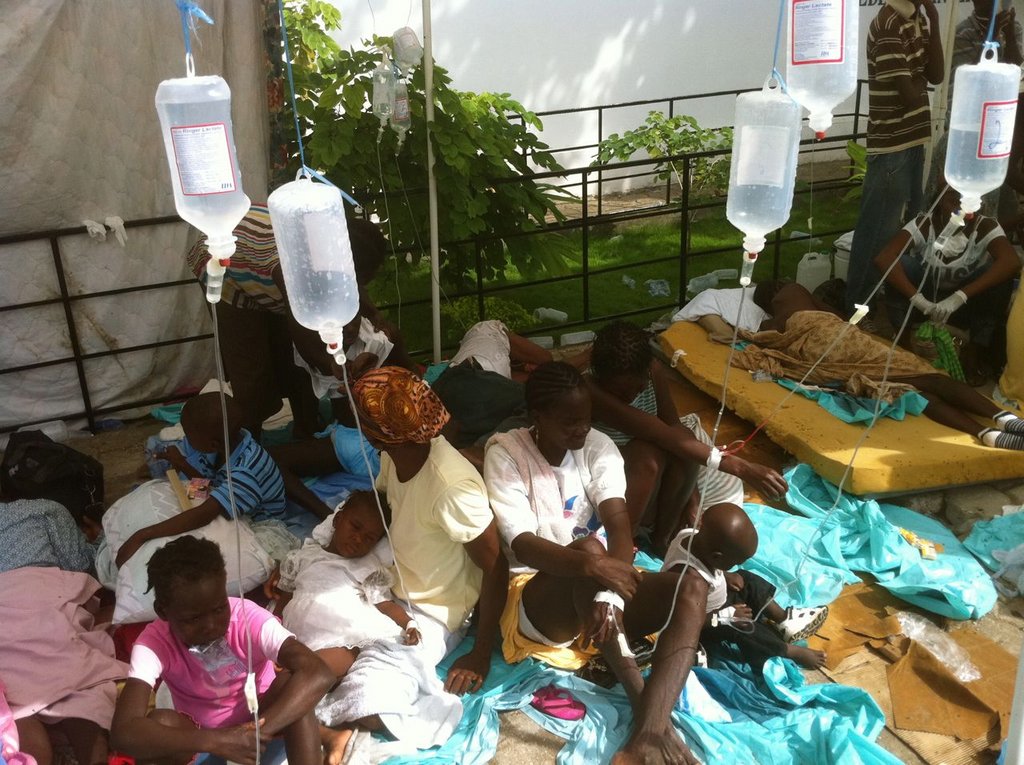
At the Mirebalais center, Belizaire wasn’t the only patient Heber and the rest of the staff were treating. Heber admitted a half-dozen patients in less than an hour. He triaged them to either receive oral rehydration solution or, for more severe cases, to be hospitalized and given IV fluids. In different tents designated for men or women, two sisters and their father were also receiving fluid from IVs. Heber said families can become sick when they eat the same contaminated food or water, don’t wash their hands, or take care of a sick relative. "It’s a big battle to combat cholera," he said.