By Maya Brownstein | Annual Giving Assistant
Thank you so much for your generous support of Partners In Health and Zanmi Lasante’s efforts to treat and prevent cholera in Haiti.
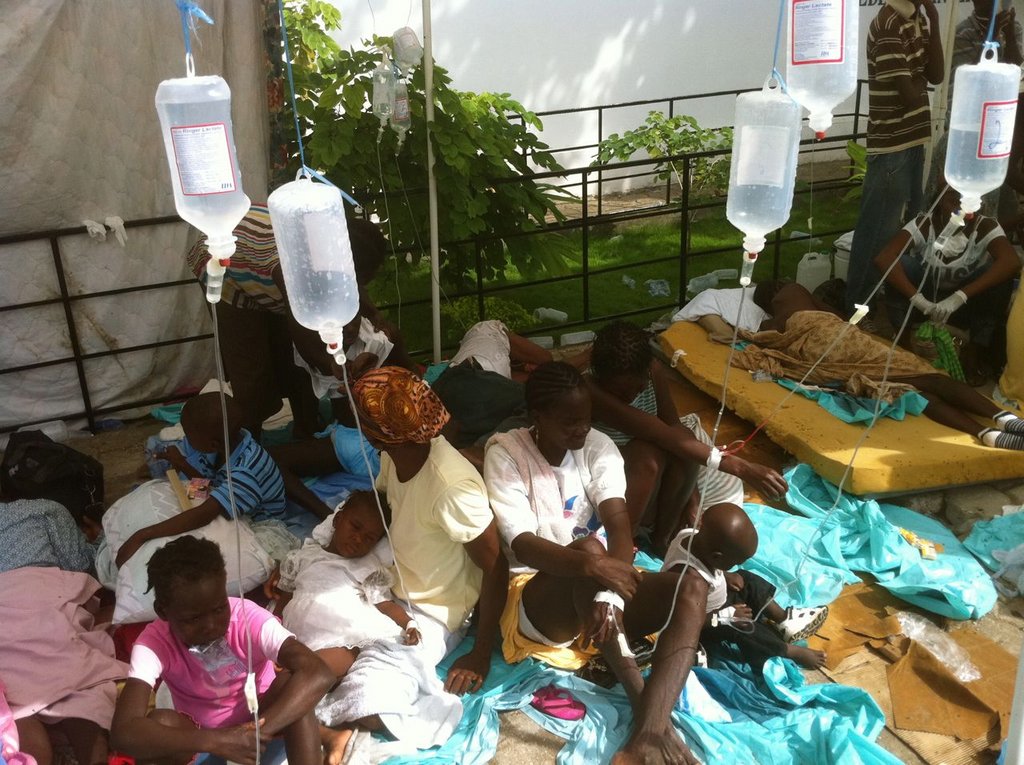
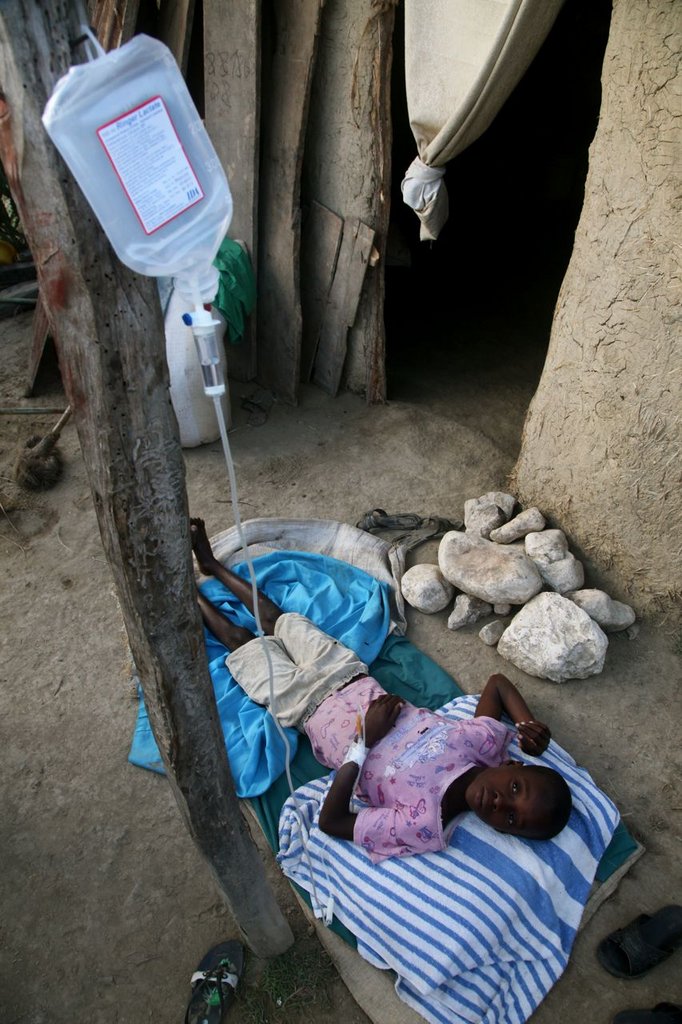
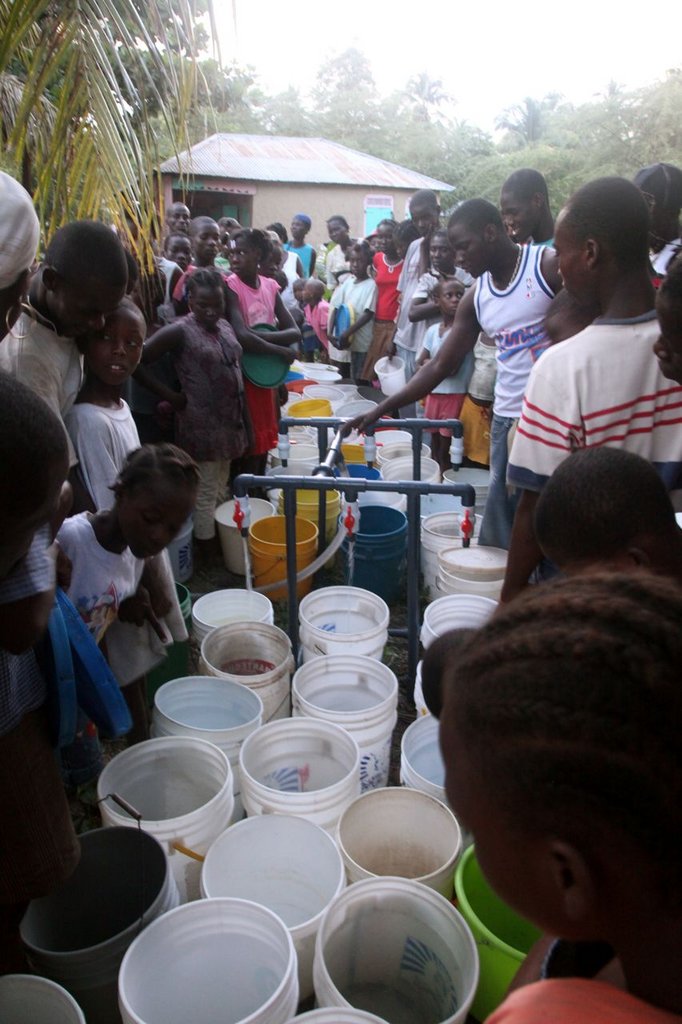
Cholera continues to plague Haiti, particularly at the border shared with the Dominican Republic. Political tensions and a consequent migrant crisis have resulted in makeshift camps throughout the region, populated by thousands of Haitian migrants who fled the Dominican Republic among threats of violence and deportation. These camps are overcrowded and lack adequate sanitation – two conditions that have allowed cholera to spread and, according to a December 2015 New York Times report, infect more than 100 people.
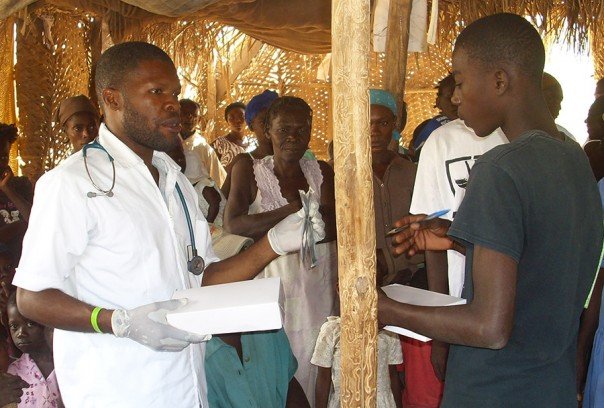
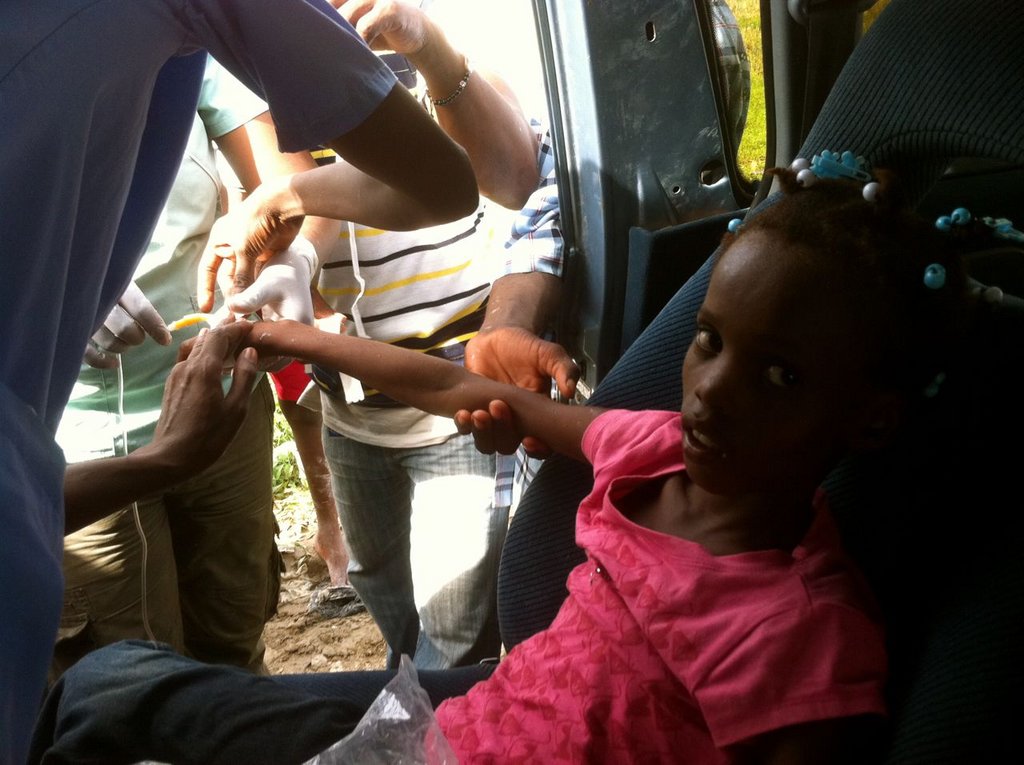
PIH and ZL are working to treat cholera within the borderland. In the below excerpt from an article on PIH’s website, Dr. Alexandre Widner (pictured above, left), PIH’s border health activities coordinator in Haiti, comments on this political and medical crisis.
"Despite many signs of brotherhood between Haiti and the Dominican Republic, which share the island of Hispaniola, the binational relationship is worsening each day due to a high peak of migratory tension. According to various sources, more than 500,000 Haitians live in the Dominican Republic, more than 75 percent of whom lack identifying documents (a passport or identity card), which leads to constant marginalization, stigmatization, and discrimination—including torture by some authorities along the border. To make matters worse, on September 23, 2013, the Dominican Republic’s Constitutional Tribunal published Law TC 168-13 with a retroactive clause that eliminates the citizenship of thousands of Dominicans of Haitian descent who have lived in the country since 1929.
Despite the fact that mass deportation would expand the humanitarian crisis in Haiti on top of the impact of the major 2010 earthquake, the Dominican migration office started in August the expulsion of thousands of Haitian migrants and Dominicans of Haitian descent (who are now stateless) out of profound xenophobia. Since then it’s estimated that more than 65,000 people were deported or forced to leave the country, causing an alarming situation at several unofficial and official border points, including Ouanaminthe, Belladère, Malpasse, and Anse a Pitres. In Anse a Pitres, the repatriated and stateless live in open-air camps at high risk of extreme poverty, child malnutrition, juvenile delinquency, and an increase in death due to cholera, malnutrition, and malaria—among other diseases.
Clinicians are providing care to patients primarily for infectious diseases like HIV, tuberculosis, and cholera and for children under 5 suffering from moderate or severe malnutrition. The number of hospital births has increased considerably thanks to a dynamic collaboration between Zanmi Lasante and the Ministry of Health in these remote communities.
While we recognize the right of the Dominican Republic as a sovereign nation to pass laws or create fair and inclusive immigration policies within its territory, we demand justice for the flagrant violation of human rights executed by a brother country towards thousands of stateless Dominican brothers and sisters. Together we shout: “No to violence, no to racism!”
Long live solidarity between the people!"
Links:
Project reports on GlobalGiving are posted directly to globalgiving.org by Project Leaders as they are completed, generally every 3-4 months. To protect the integrity of these documents, GlobalGiving does not alter them; therefore you may find some language or formatting issues.
If you donate to this project or have donated to this project, you can receive an email when this project posts a report. You can also subscribe for reports without donating.