By Maya Brownstein | Community Giving
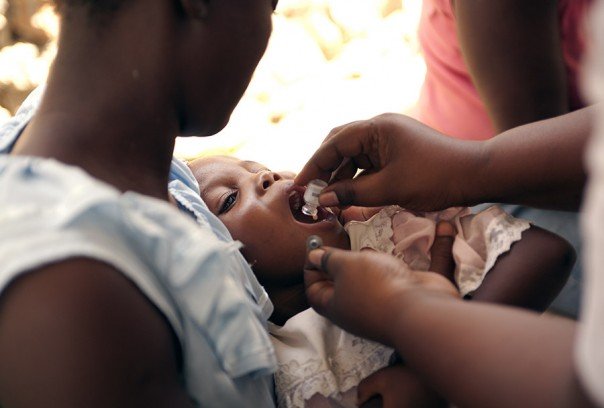
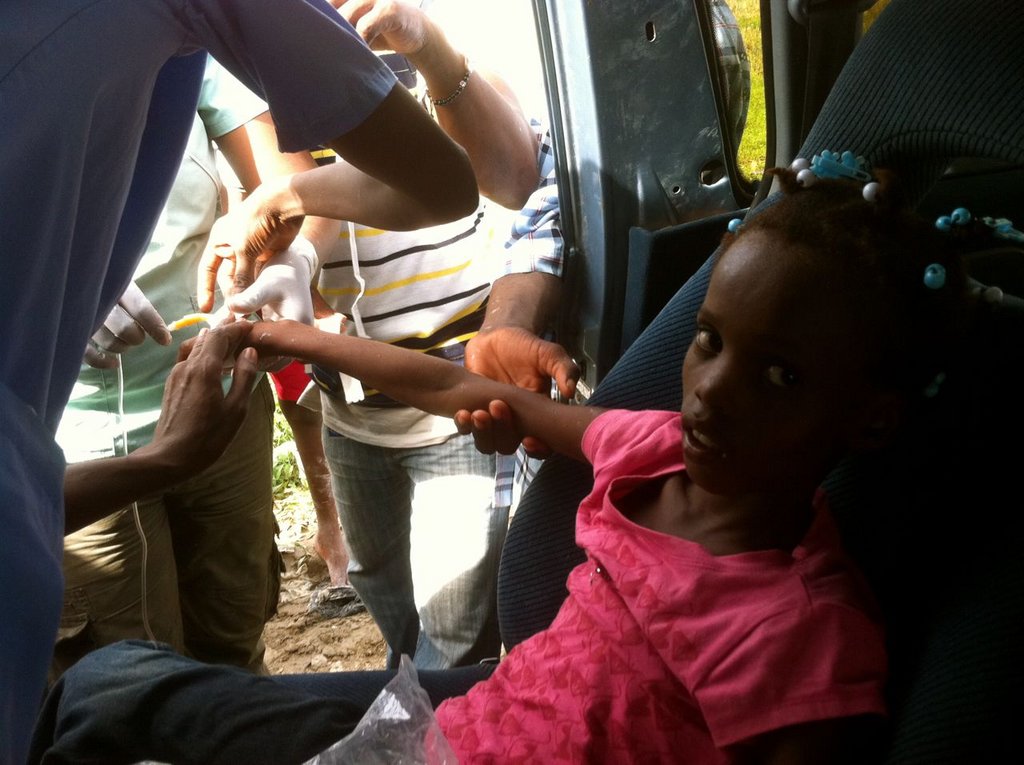
Above: A community health worker administers a cholera vaccine to a child north of St. Marc, Haiti.
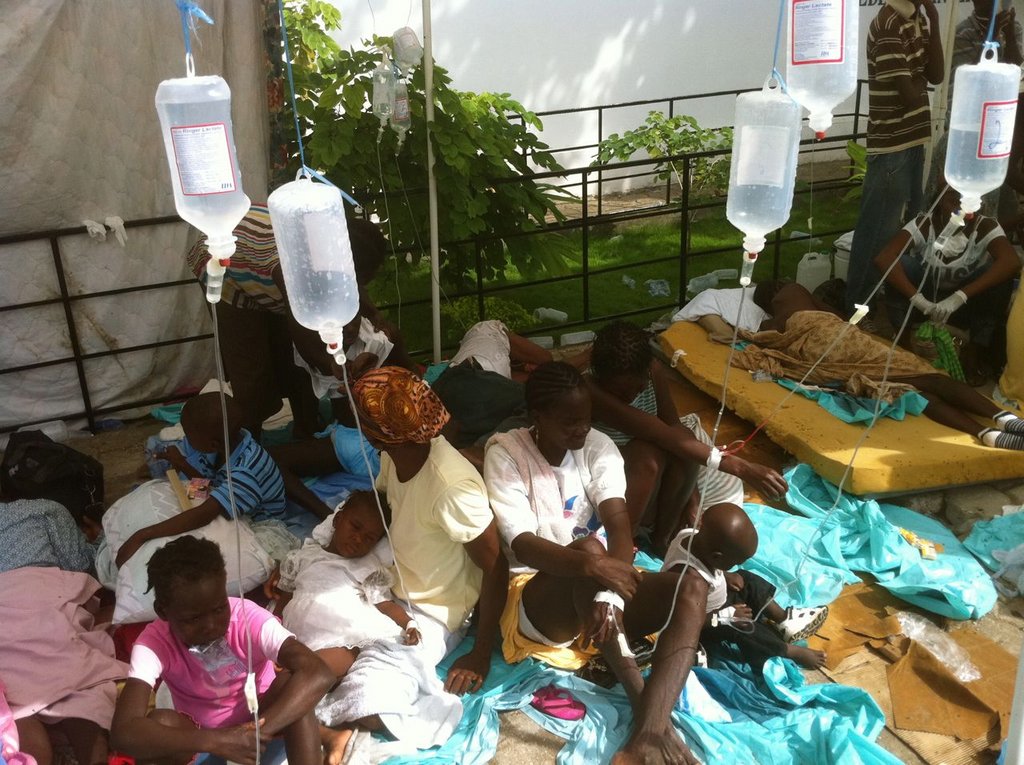
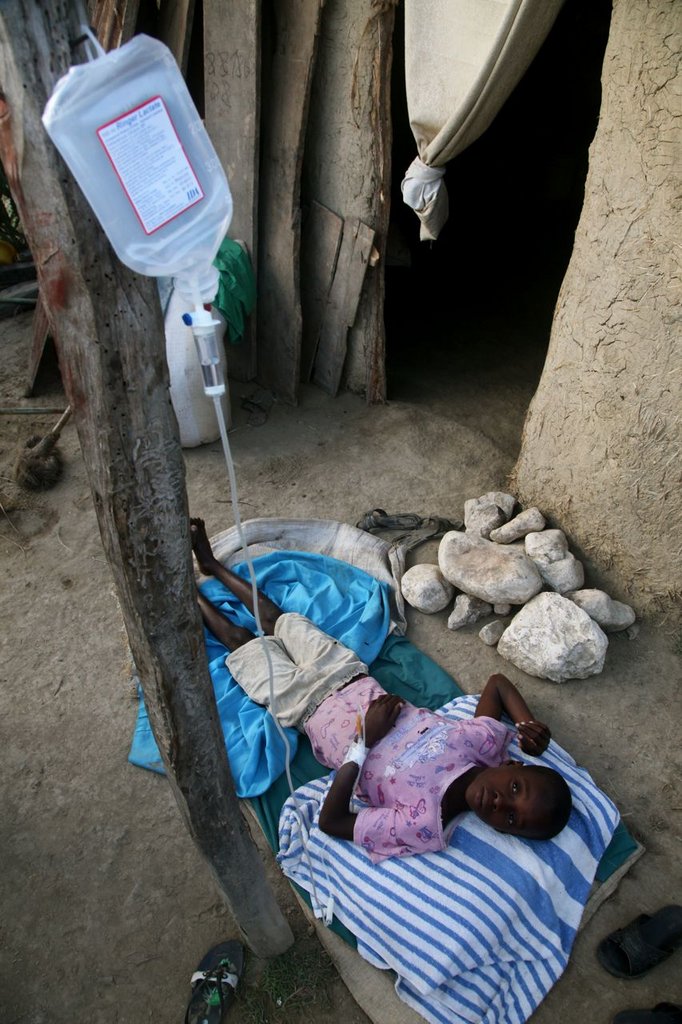
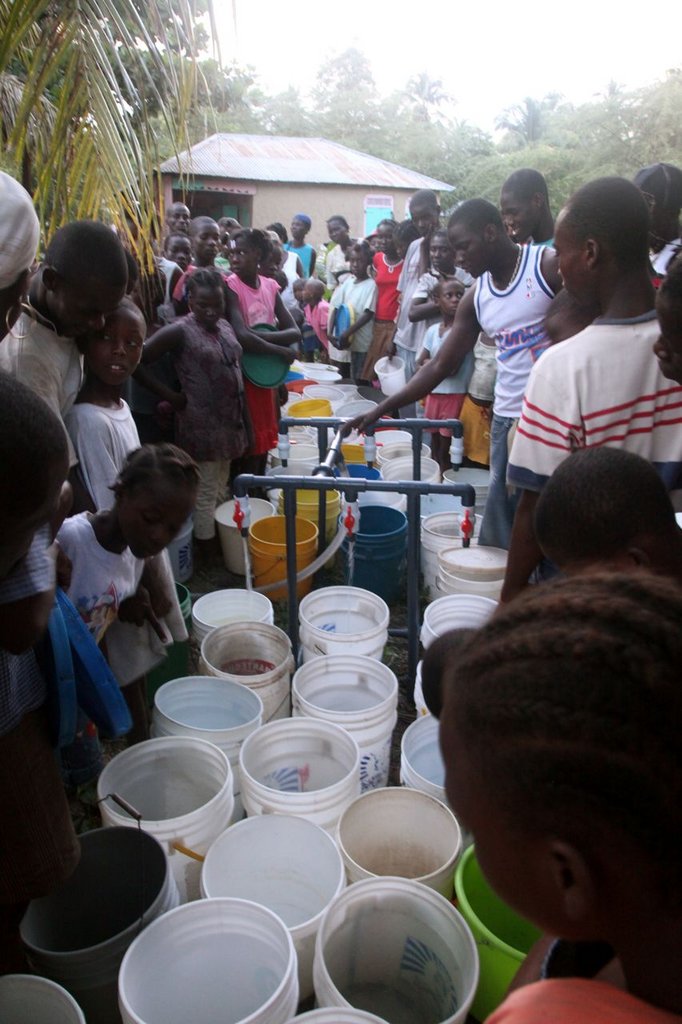
Thank you for supporting Partners In Health / Zanmi Lasante through the continuing cholera outbreak in Haiti.
Haiti--particularly the Sud and Grand d'Anse, two departments in the south--saw a dramatic spike in cholera cases after Hurricane Matthew tore through the region this past fall.
In the first week following the hurricane, the Sud reported 280 suspected cholera cases. Since then, the Sud has had 1,471 suspected cases and neighboring Grand d’Anse another 1,594. Combined, the two departments account for 49 percent of the cases reported in Haiti during that period. Normally, they account for 8 percent.
To stem the tide of infection, the Ministry of Health requested 1 million doses of the oral cholera vaccine Euvichol from the World Health Organization. Two shipments of 500,000 vials arrived in late October. The majority of vaccinations were immediately sent to Grand d’Anse and Sud, where 729,000 people—86 percent of the region’s population—received a single dose in early November. The ministry is keeping the remainder of the vaccine in cold storage so that, should cases spike again, it can respond rapidly.
Throughout this process, PIH has remained a strong government partner. Having conducted an effective cholera vaccination campaign in 2013, PIH provided consultation and financial support to the ministry to ensure the effort in the south was a success.
Meanwhile, PIH awaits approval from the Haitian national bioethics committee to begin a study of the vaccine’s effectiveness. In partnership with the Haitian government, the Centers for Disease Control and Prevention, and the Haitian nonprofit medical organization GHESKIO, the study will look at the effectiveness of a single vaccination versus a double dose in staunching the tide of cholera infection. The results could have widespread implications for how other countries respond in the midst of an epidemic.
Haiti recently entered its seventh year battling the cholera epidemic, which has killed 10,000 people and sickened 800,000.
Project reports on GlobalGiving are posted directly to globalgiving.org by Project Leaders as they are completed, generally every 3-4 months. To protect the integrity of these documents, GlobalGiving does not alter them; therefore you may find some language or formatting issues.
If you donate to this project or have donated to this project, you can receive an email when this project posts a report. You can also subscribe for reports without donating.