By Olivier | PROJECT LEADER
Save Life make difference
Bujumbura
savelifemakedifference@gmail.com
Sub project report
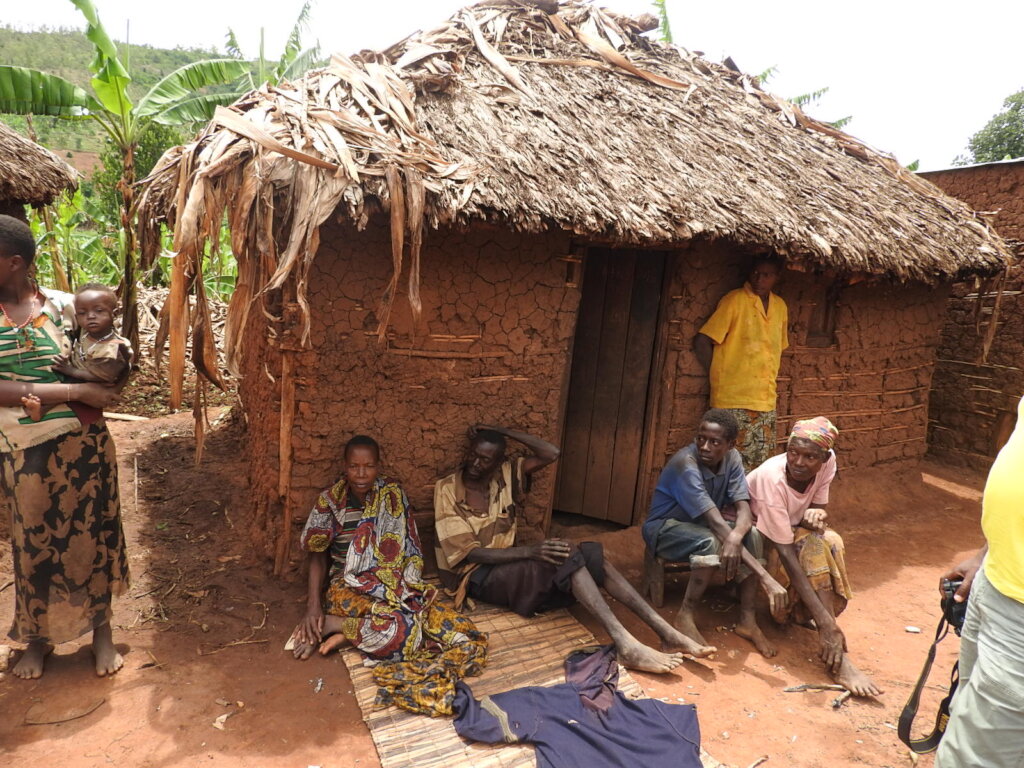
The population of Burundi is facing a severe humanitarian crisis, with a large number of people requiring urgent assistance due to food insecurity, malnutrition, and displacement. Approximately 1.77 million people, including 993,000 children, are affected by the crisis and need humanitarian aid, according to Unicef. This includes 60,000 children suffering from severe acute malnutrition. The situation is exacerbated by economic hardship, climate shocks, and displacement.
Specific challenges faced by the population:
Food Insecurity:
1.4 million people are severely food insecure, and over 1.9 million people are at crisis levels of food insecurity.
Malnutrition:
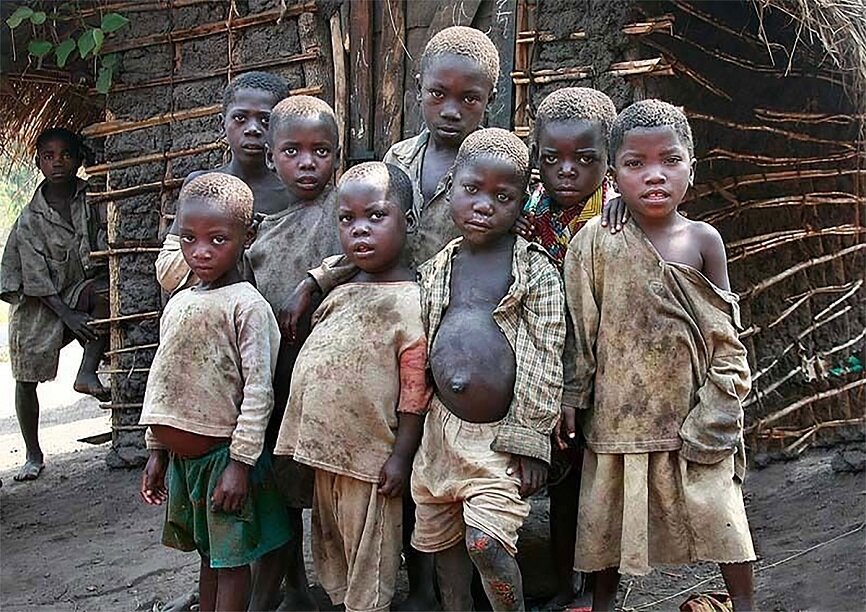
56% of children under 5 suffer from stunting (impaired growth due to malnutrition), and 60,000 children are affected by severe acute malnutrition.
Displacement:
There are 84,000 registered internally displaced persons (IDPs) and 87,000 refugees and asylum-seekers, with an additional 33,000 expected to return from the Democratic Republic of Congo.
Poverty:
Over 70% of the population struggles to meet basic needs.
Economic Downturn:
The country is experiencing an economic downturn, further straining resources and livelihoods.
Climate Shocks:
Heavy rains, flooding, and landslides have damaged farmland and displaced people, exacerbating food shortages.
Limited Access to Resources:
There are shortages of fuel and difficulties accessing seeds and fertilizers, impacting agricultural production
gently need help. They face a multitude of challenges including poverty, lack of access to basic necessities like food, shelter, and healthcare, and the constant threat of violence and exploitation. Organizations like New Generation, UNICEF, and Giriyuja are working to provide support and assistance, but more resources and intervention are needed.
Here's a more detailed look at the situation and the types of help needed:
Challenges Faced by Street Children:
Poverty and Lack of Basic Necessities:
Many children end up on the streets due to extreme poverty, family conflicts, or displacement. They lack access to food, clean water, shelter, and healthcare.
Violence and Exploitation:
Street children are vulnerable to violence, theft, and various forms of exploitation, including forced labor.
Lack of Education:
Many street children are out of school and lack access to educational opportunities.
Limited Access to Services:
The government provides minimal support to street children, leaving them reliant on humanitarian assistance.
Reintegration Difficulties:
Even when efforts are made to return children to their families or communities, they often face challenges in reintegrating without adequate support.
Burundi is one of the poorest countries in the world, persistently falling in to the bottom five countries on the UN Human Development Index with an estimated 1.7 million people in need of humanitarian assistance.
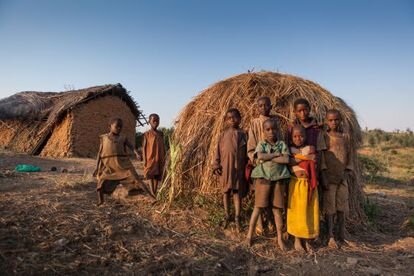
Despite the Government of Burundi’s strong engagement for education and its policy of free basic education which led to a significant increase in school enrolment rate in the last decade, an estimated half a million children – or 23% of children aged 6-14 years old- remain out of school. Extreme poverty, as well as family conflicts and child abuse, have also pushed thousands of children to the street. While the Government authorities regularly return children to their communities, without family mediation and livelihoods support, most of these children return to the street.
BURUNDI IN NUMBERS
56%
Of children under 5 years old are chronically malnourished – one of the highest rates in the world.
1.7 MILLION
Are in need of humanitarian assistance, mainly Internally Displaced People (IDPs) and returnees, who have limited resilience to frequent natural disasters and other shocks.
50%
Of children aged 6-13 do not complete primary education.
what we are doing
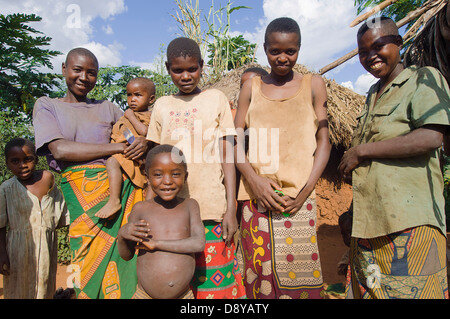
Since 2016, Street Child has been working with local partner Famille Maintenant (FAMA) to support the economic needs of the local Batwa community so that they are better able to care for their children and send them to school. One of the most disadvantaged groups in Burundi, the minority Batwa often find themselves at the margins of society, discriminated against and forced into low paid work. 70% of Batwa adults are illiterate and in the communities where we work 30% of Batwa children are
not in education.
Bujumbura
Burundi
15/06/2025
Project reports on GlobalGiving are posted directly to globalgiving.org by Project Leaders as they are completed, generally every 3-4 months. To protect the integrity of these documents, GlobalGiving does not alter them; therefore you may find some language or formatting issues.
If you donate to this project or have donated to this project, you can receive an email when this project posts a report. You can also subscribe for reports without donating.



Support this important cause by creating a personalized fundraising page.
Start a Fundraiser