By Oliver Namusisi | Project Leader
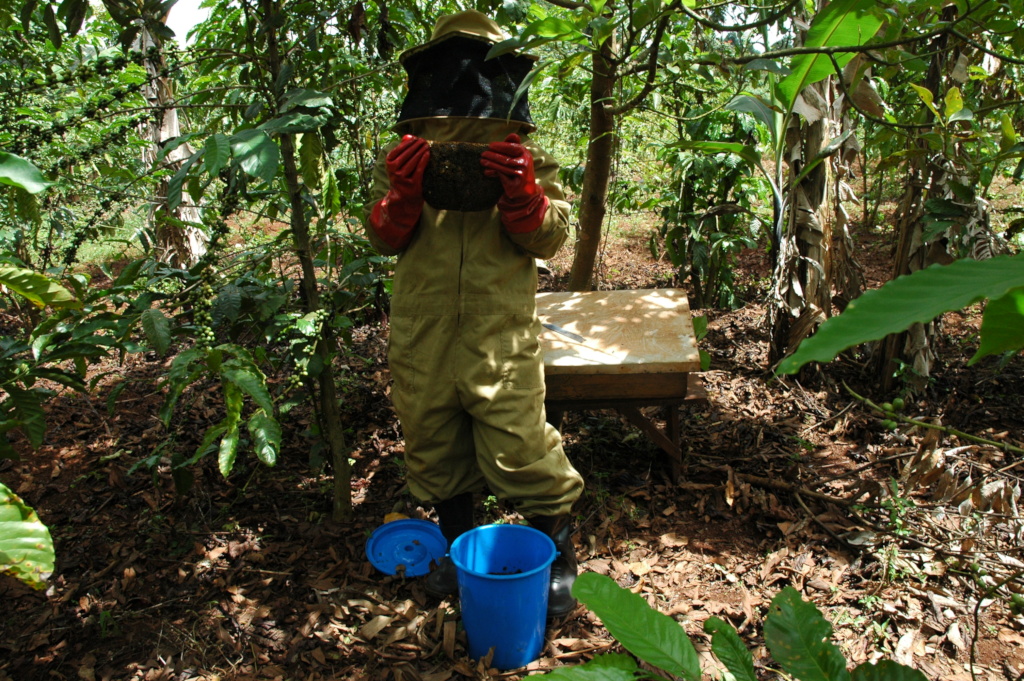
Soil Health and Climate Action Network (SHCAN) conducted a honey harvesting activity with farmers involved in beekeeping in the project area. The purpose of the activity was to assess the performance of the beehives and support farmers in harvesting honey and other hive products.
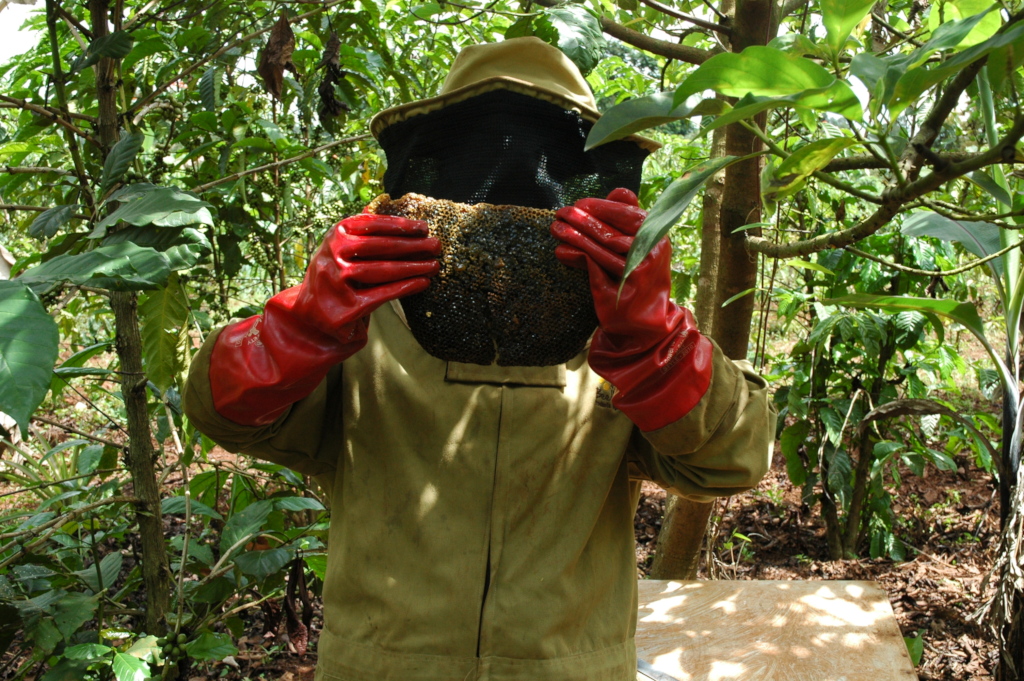
During the harvesting exercise, farmers experienced significant challenges. Most farmers harvested very small quantities of honey, while a considerable amount of the harvested wax contained bee larvae. This affected the quantity and quality of honey that could be collected for consumption or sale.
Key Findings
The following observations were made during the honey harvesting exercise:
Challenges Identified
Low Honey Production
The major challenge was the low quantity of honey harvested from the hives. Farmers reported that the amount collected was much lower than anticipated.
Harvesting of Brood Combs
Some farmers harvested combs that contained bee larvae. This suggests that the timing or identification of harvestable honeycombs may have been a challenge. Harvesting brood combs can also interfere with the development of the bee colony.
Limited Knowledge of Proper Harvesting
The findings indicate a need to strengthen farmers' knowledge of how to identify mature honey before harvesting. Farmers need to distinguish between honey-storage combs and brood combs containing eggs, larvae and developing bees.
Possible Weaknesses in Hive Management
The low honey yields may also be associated with hive management factors such as colony strength, availability of forage, hive location, seasonal conditions, pests and diseases, and the age or condition of the colonies.
Impact on Farmers
The low harvest has affected farmers in several ways:
Recommendations
To address the challenges identified, the following actions are recommended:
SHCAN will prioritize practical beekeeper training and follow-up monitoring to help farmers improve honey production while protecting the health and strength of their bee colonies. With improved management and appropriate harvesting practices, farmers can increase honey yields and improve the economic benefits of beekeeping.
By Oliver Namusisi | Project Leader
By Oliver Namusisi | Project Leader
Project reports on GlobalGiving are posted directly to globalgiving.org by Project Leaders as they are completed, generally every 3-4 months. To protect the integrity of these documents, GlobalGiving does not alter them; therefore you may find some language or formatting issues.
If you donate to this project or have donated to this project, you can receive an email when this project posts a report. You can also subscribe for reports without donating.


Support this important cause by creating a personalized fundraising page.
Start a Fundraiser