By Communications Team | USA for UNFPA
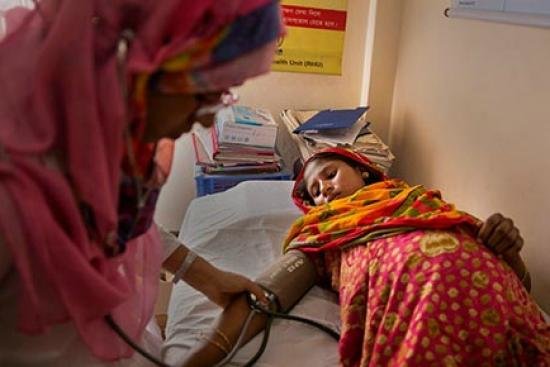
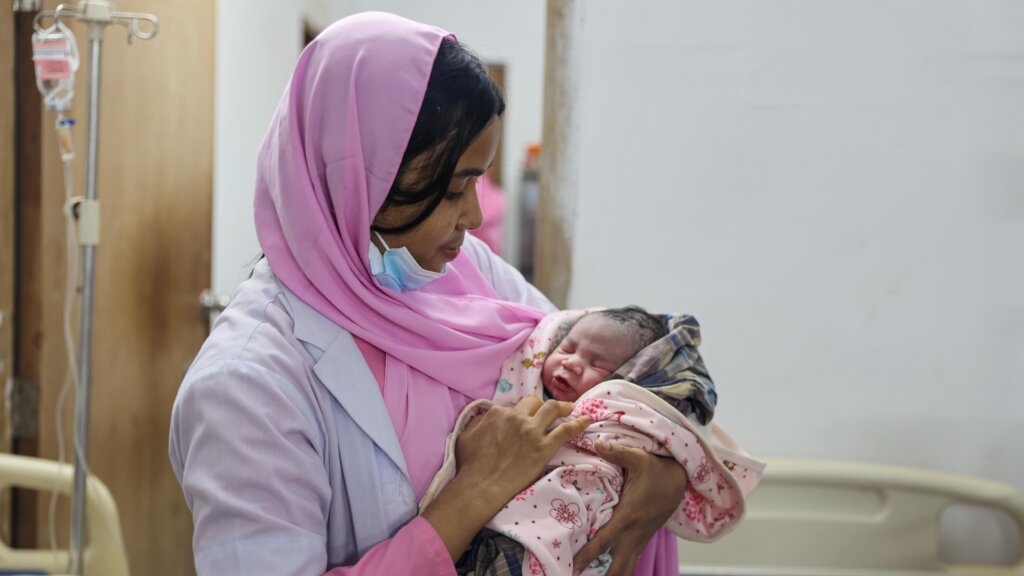
COX'S BAZAR, Bangladesh — The women in the high-risk maternity ward at Friendship Hospital are checked every hour or two, depending on the severity of their condition. For Dr. Jannatun Nayeem, caring for them is only part of her workload.
"That's a heavy load for us as we also have to manage the other wards, post-operative, practically everything," Dr. Jannatun said.
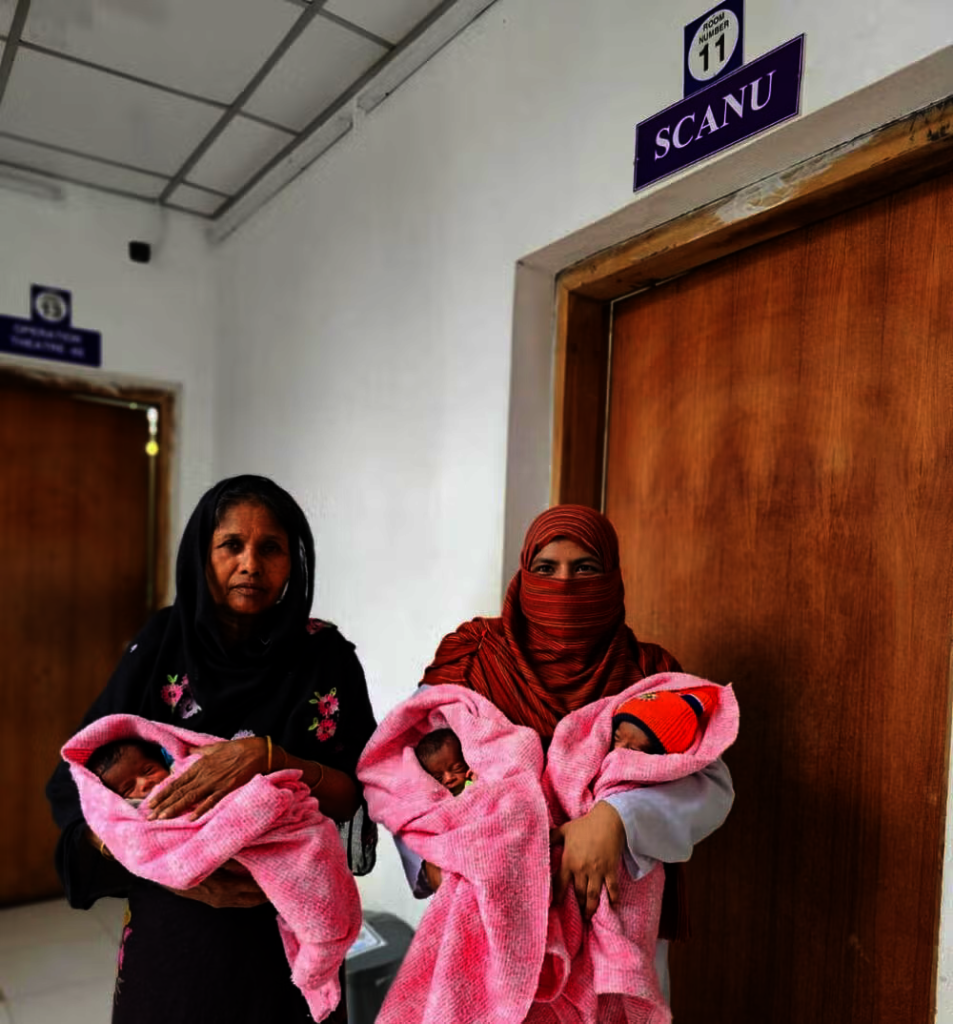
Friendship Hospital is a comprehensive emergency obstetric and newborn care facility serving both host and Rohingya refugee communities in Cox's Bazar. The hospital provides blood transfusions, Caesarean sections and assisted deliveries, and has a newborn care unit for babies who are unwell and need specialized treatment.
$150 can provide supplies, medications, and equipment to a health clinic to help safely manage obstetric emergencies.
The high-risk maternity ward opened with 10 beds, with plans to expand to 20 beds in response to demand. Its purpose is to bring women with serious pregnancy complications closer to specialized care before an acute emergency or labor develops.
Women assessed as high risk during prenatal care by midwives at primary health facilities in the camps can be referred directly to the ward. There, they are close to medical specialists, blood transfusion services, and emergency obstetric care, and can be monitored continuously. If their condition stabilizes, they return to their shelter. If they are approaching labor, they remain at the hospital for delivery.
Midwives use a standardized maternal risk-scoring tool to help determine who needs higher-level care.
"Women scoring seven or above are considered high or very high risk and admitted to the ward," said Shakila, a midwife coordinator with RTMI, a UNFPA implementing partner.
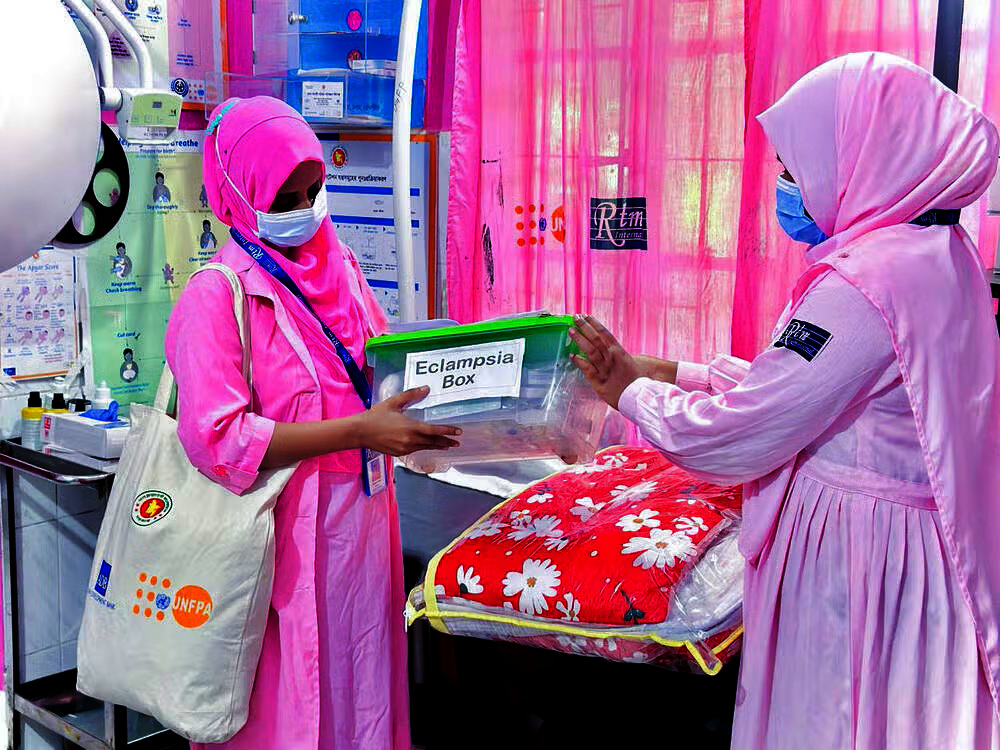
Severe anemia is one of the most common high-risk conditions among patients, alongside pre-eclampsia, eclampsia, postpartum hemorrhage, and hypertensive disorders during pregnancy.
For Rabeya, the need for higher-level care came after an incomplete miscarriage at two months of pregnancy. She experienced severe bleeding and was transferred from a health center in her camp to Friendship Hospital. Rabeya arrived severely weakened by acute blood loss, with an extremely low hemoglobin level. Over three days, the medical team treated her for severe blood loss and complications from the miscarriage.
"I feel much better and stronger now," Rabeya said as she prepared to leave the hospital. "The care here saved my life."
Patients in the ward typically remain for two or three days while they receive treatment and are monitored. The hospital reports admitting an average of six to seven high-risk maternal patients each day.
Bringing women closer to emergency obstetric care has not removed every referral challenge. The ward has a basic two-dimensional ultrasound machine but lacks Doppler ultrasound capacity. When a patient needs a Doppler scan, she must be transferred out of the camp area to Sadar District Hospital in Cox's Bazar town, then brought back to Friendship Hospital to continue treatment—creating delays and physical hardship for critical patients.
This equipment gap reflects the wider pressures facing the humanitarian health response in Cox's Bazar. Across the Rohingya response, the number of midwives reportedly fell from 457 to 411 by May 2026, while the number of nurses declined from 424 to 379, and doctors from 448 to 405. As of summer 2026, the health sector serving the Rohingya refugee camps was facing a funding gap of around 28%.
$100 can fund a midwife in a community for one month.
Between January and June of this year, three health posts reportedly closed, and disruptions are expected across 13 primary healthcare centers, one field hospital, and five health posts starting in October—potentially affecting access to life-saving care for at least 400,000 people, roughly one-third of the refugee population.
For a high-risk maternity ward, what happens elsewhere in the health system matters. Primary facilities are part of the pathway through which pregnant women are assessed, monitored, and referred when complications emerge.
The high-risk ward was established in December 2025 with support from UNFPA, the United Nations sexual and reproductive health agency.
For Dr. Jannatun, the pressures of humanitarian health care are measured not only in funding figures or facility counts, but in the patients who require close monitoring throughout every shift.
"Patients require monitoring every 1 to 2 hours depending on their severity, alongside our duties in the post-operative wards," she said.
For Rabeya, three days of that care meant survival.
A gift of $400 can equip a midwife and maternity ward with the medicines and supplies they need to support 50 women through safe deliveries—even in the most challenging humanitarian settings.
By Communications Team | USA for UNFPA
By Communications Team | USA for UNFPA
Project reports on GlobalGiving are posted directly to globalgiving.org by Project Leaders as they are completed, generally every 3-4 months. To protect the integrity of these documents, GlobalGiving does not alter them; therefore you may find some language or formatting issues.
If you donate to this project or have donated to this project, you can receive an email when this project posts a report. You can also subscribe for reports without donating.



Support this important cause by creating a personalized fundraising page.
Start a Fundraiser