By Natalia Sanchez | Communications Associate
In 2019, UNFPA was not able to meet its funding goal and was forced to reduce essential reproductive health services for women and girls in the Rohingya refugee camps. Then the COVID-19 pandemic hit, leaving the Rohingya in a total lockdown where they are more vulnerable than ever before.
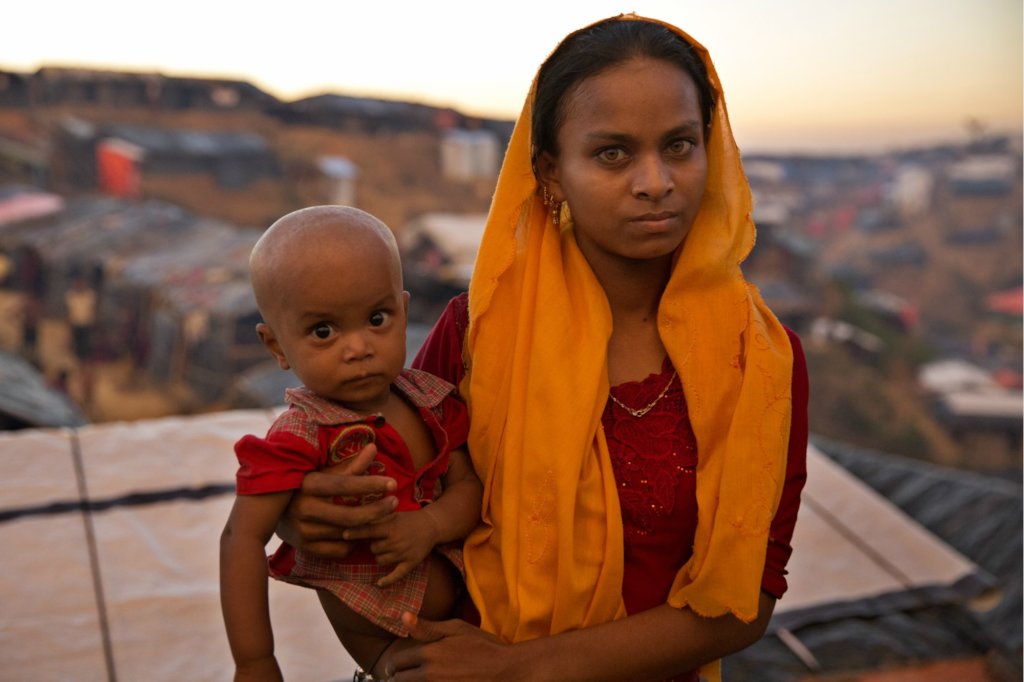
Today, 1.3 million Rohingya refugees in Bangladesh are in crowded, hygiene-poor conditions with limited access to healthcare. COVID-19 is especially dangerous in this environment, and puts the 318,500 Rohingya women and girls of reproductive age in dire need of humanitarian aid.
UNFPA’s work for women and girls is even more crucial during crises like the pandemic, when attention to sexual reproductive health, child marriage, and gender-based violence is overlooked. Even more alarming is the projected rise of reproductive health issues and violence. When health and security systems fall apart, women and girls lose access to family planning and psychosocial counseling.
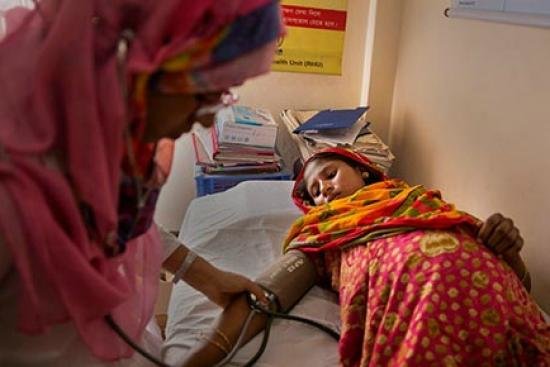
The right to reproductive health and family planning does not go away, even in the most dire of circumstances. 31,200 pregnant Rohingya women need prenatal and safe birth services. But without the necessary funding, these women and girls will be without crucial, and sometimes lifesaving services. UNFPA is working hard to ensure that quality sexual and reproductive health services remain available to all women and girls in the camps.
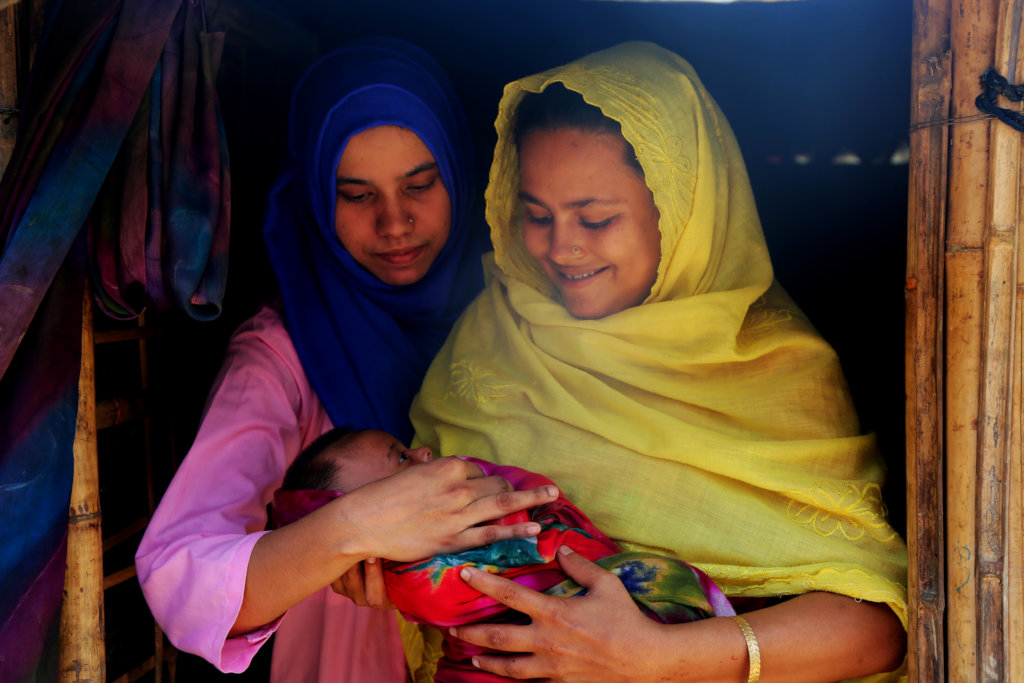
In the last year, UNFPA provided over 123,000 family planning consultations to Rohingya women who wanted them. Last year, UNFPA-trained birth attendants helped 13,000 women have a safe birth in the camps. An additional 84,000 emergency birth kits were distributed to pregnant women. Now that the pandemic has restricted movement of both Rohingya women and humanitarian aid, these birth kits will be essential to safeguarding the health of Rohingya mothers and babies.
In light of the pandemic, UNFPA updated their sexual and reproductive health programs to better protect staff and Rohingya patients. Health facilities received personal protection equipment and reproductive health kits were distributed so that SHRH services can go uninterrupted. Just as important, UNFPA established a hand washing system at every health clinic, where volunteers are guiding Rohingya patients in hand washing and social distancing protocols.
Rohingya moms will need continued access to family planning services, safe spaces, and other lifesaving support. Amidst the COVID-19 pandemic, the need for funding is most urgent. Your support of UNFPA’s work in Cox’s Bazar will help decide the outcome of new moms in the camps. Please donate today!
Project reports on GlobalGiving are posted directly to globalgiving.org by Project Leaders as they are completed, generally every 3-4 months. To protect the integrity of these documents, GlobalGiving does not alter them; therefore you may find some language or formatting issues.
If you donate to this project or have donated to this project, you can receive an email when this project posts a report. You can also subscribe for reports without donating.



Support this important cause by creating a personalized fundraising page.
Start a Fundraiser