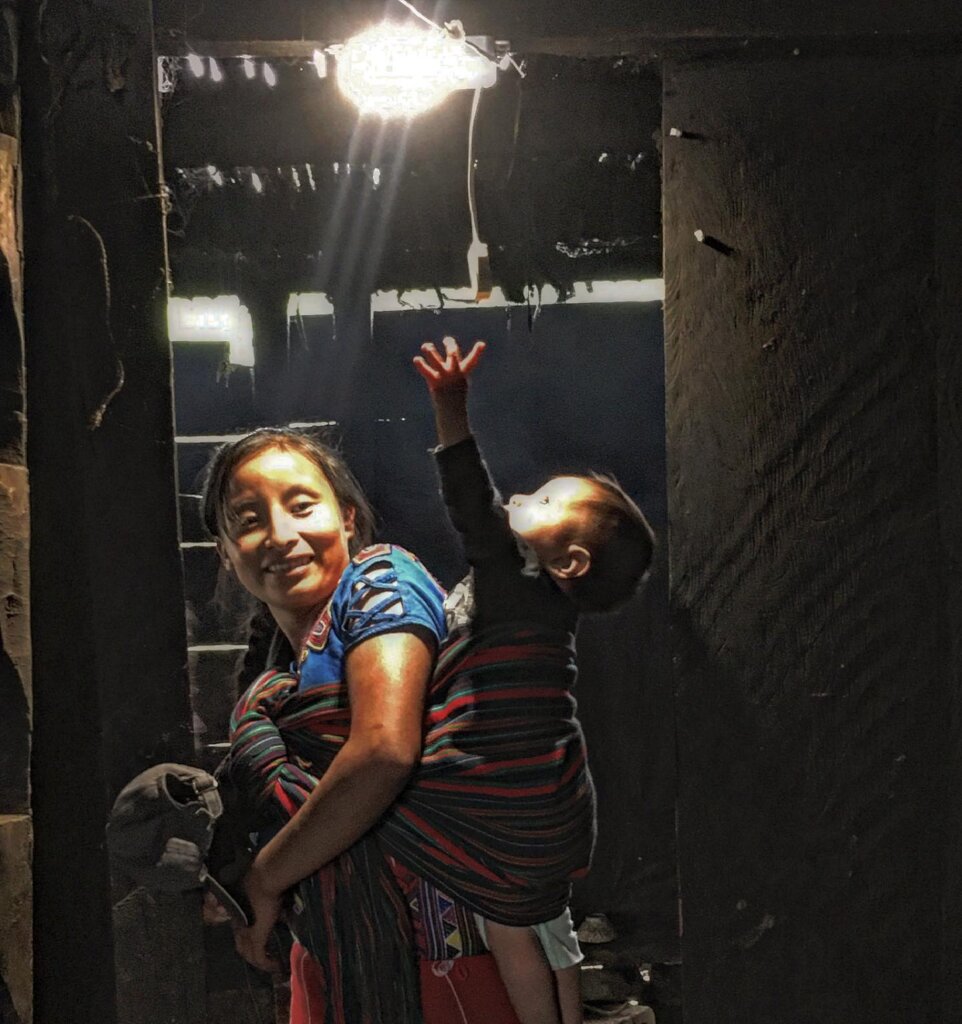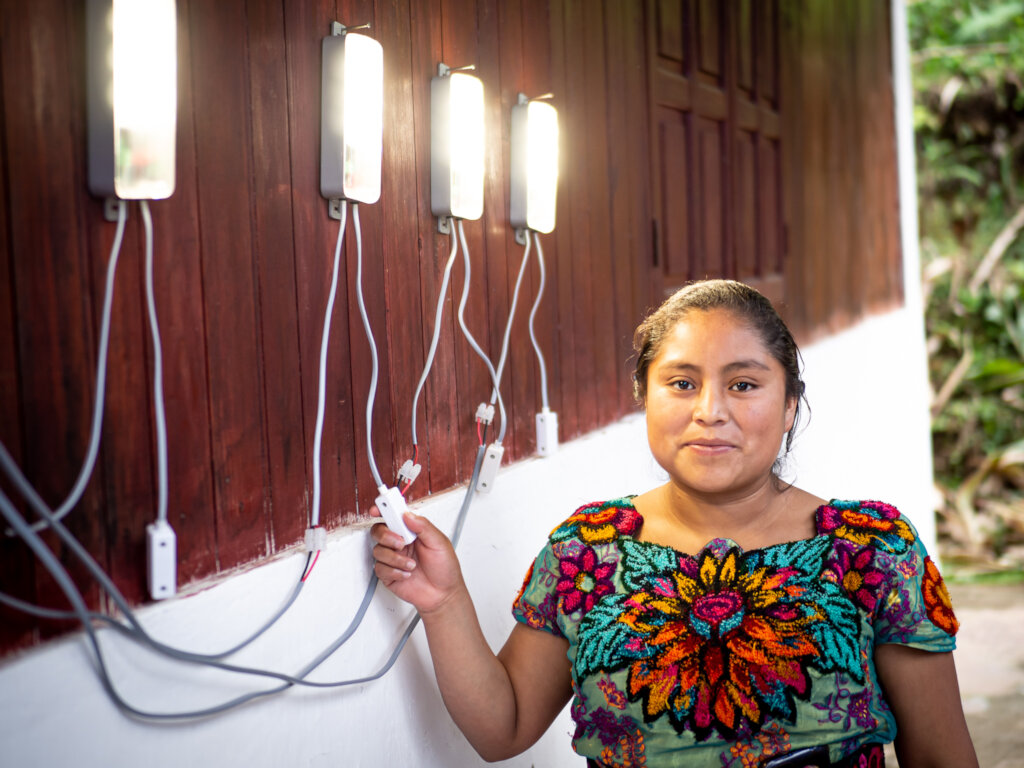
Imagine if you had to live without electricity! Through research and fundraising, LHI-BCI partnership will train women from the most remote areas in Guatemala as "informal" solar engineers who would install, repair, and maintain the solar equipment. The collaboration will provide the LaGuardia community with a new understanding of sustainable solutions to global issues such as climate change, clean energy, and gender equity as addressed by the United Nations Sustainable Development Goals.
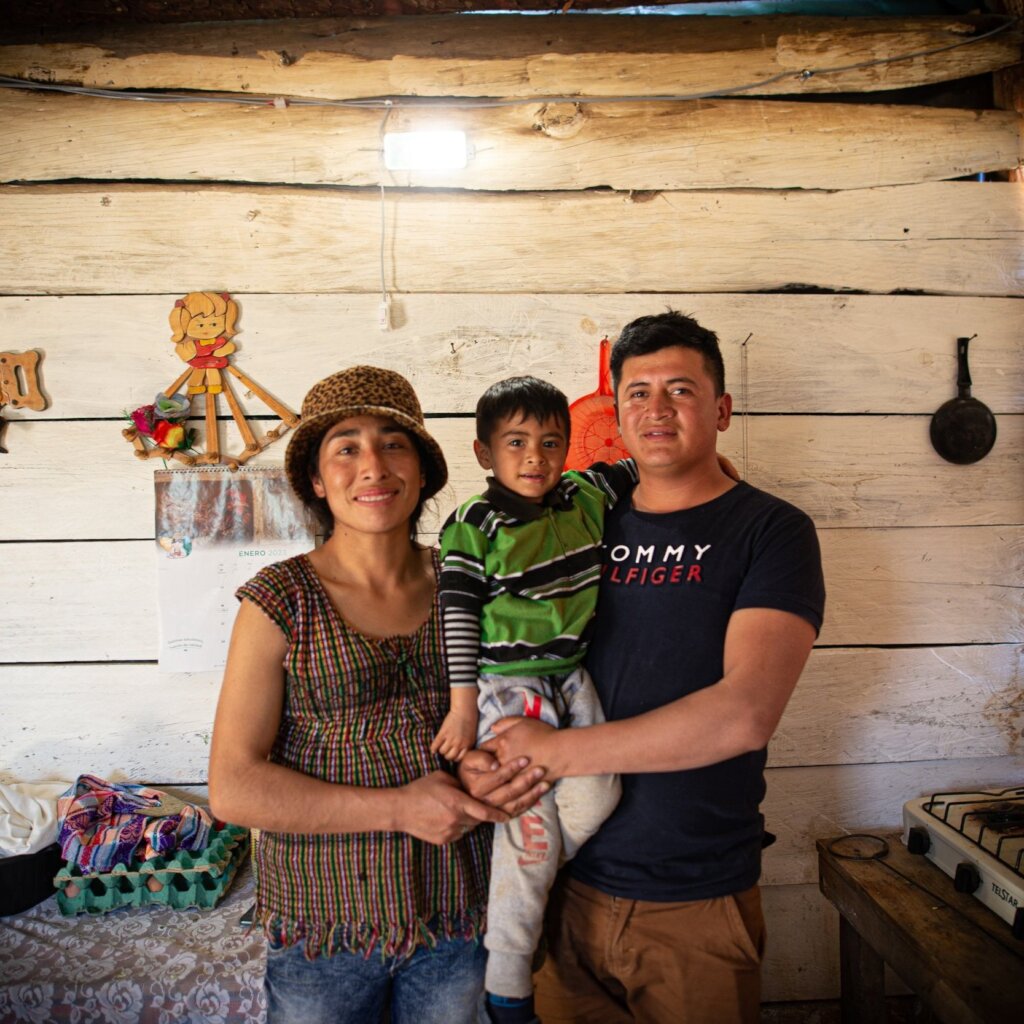
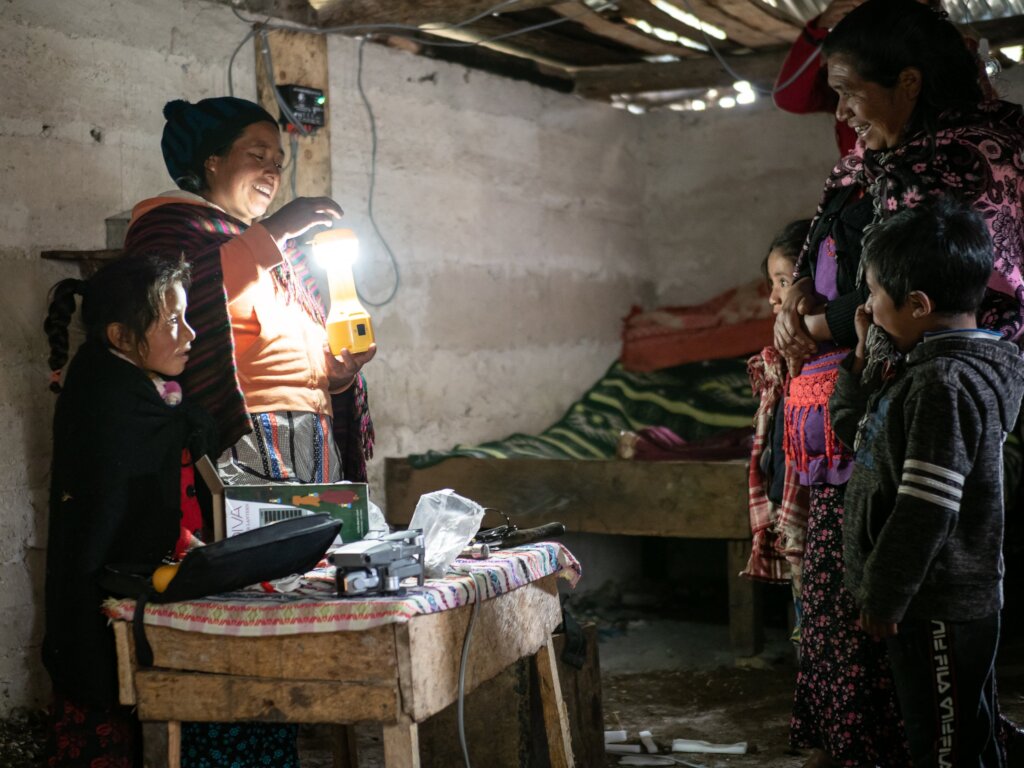
Most remote and poor rural regions across the world lack access to electricity, forcing them to rely on fossil fuels, like kerosene for light. This causes severe ocular and respiratory health issues along with also causing serious harm to the environment. Lack of electricity also limits access to resources, which means communities can work and travel only during the day. The challenge lies in providing sustainable solutions that communities can operate with minimal external intervention.
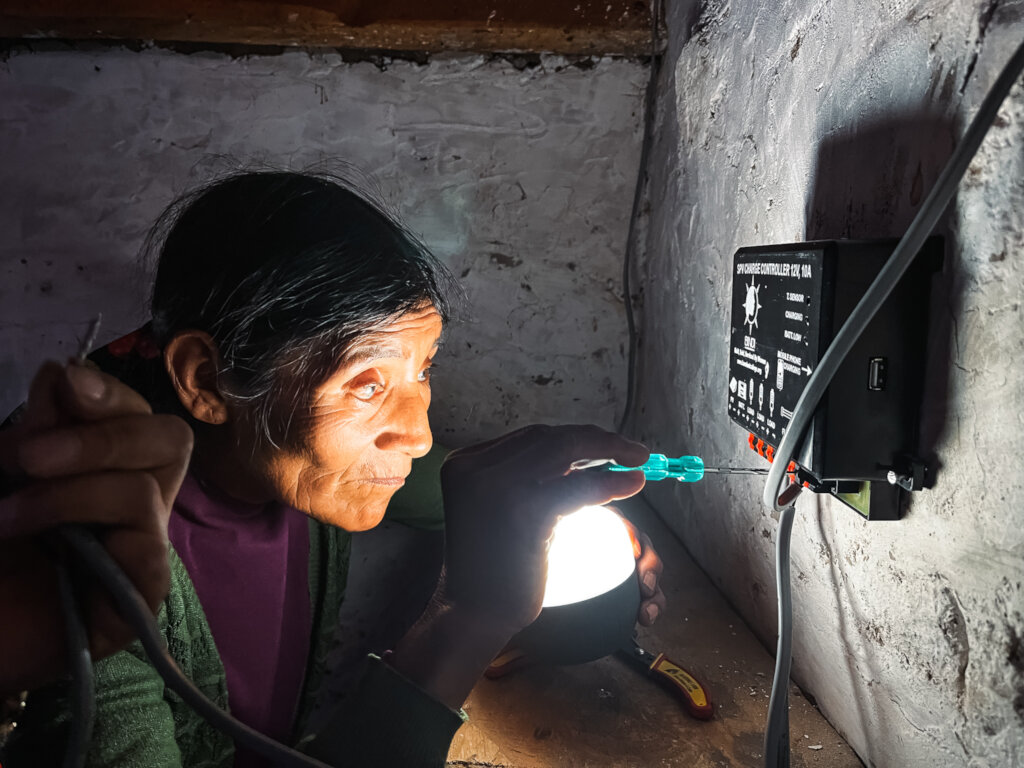
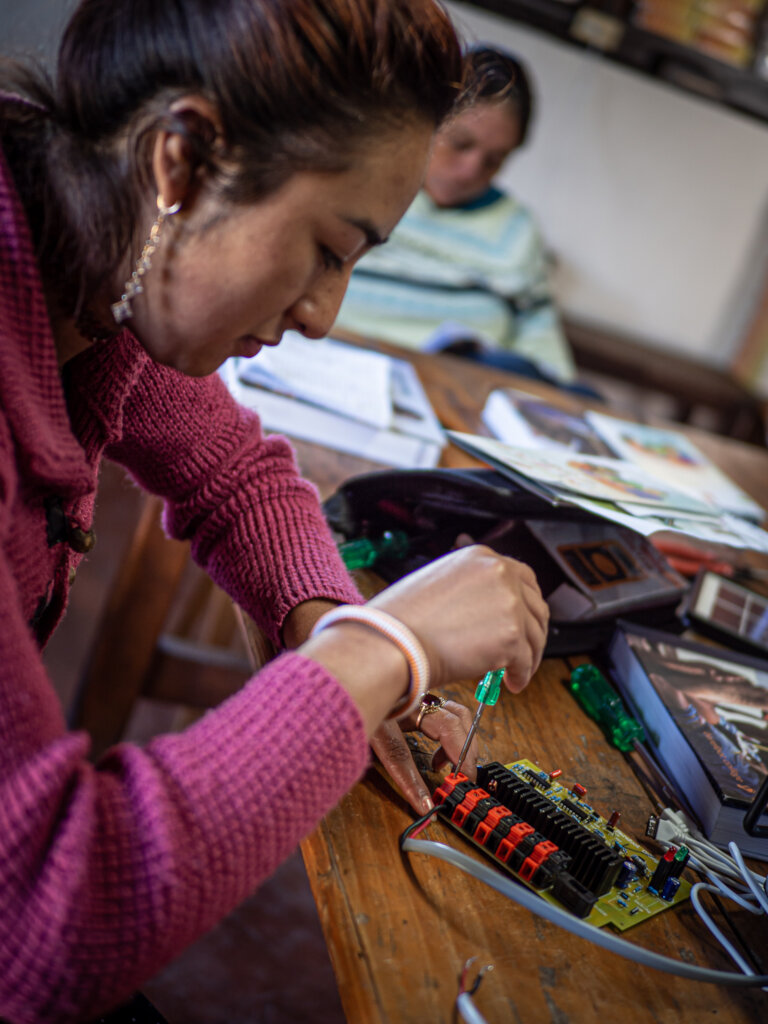
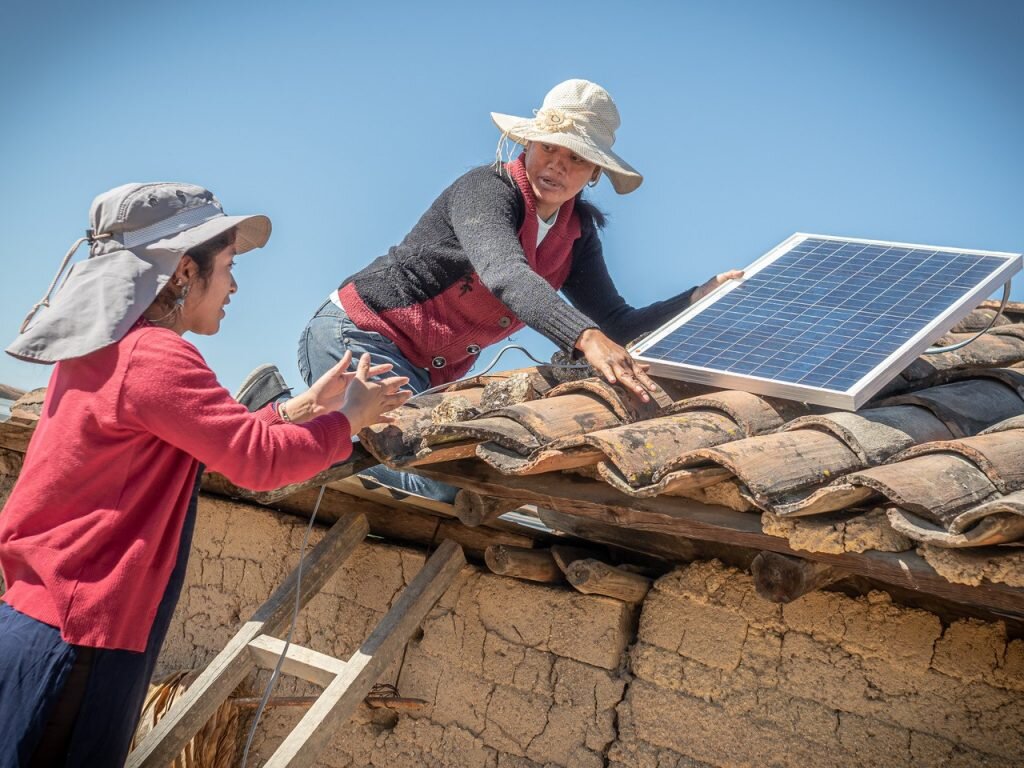
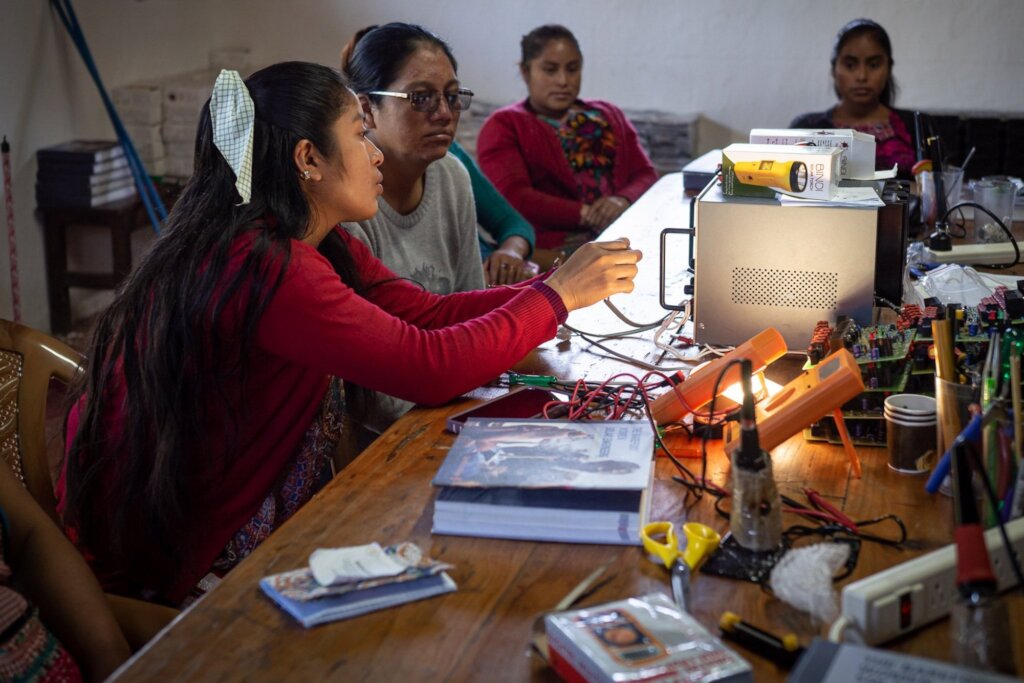
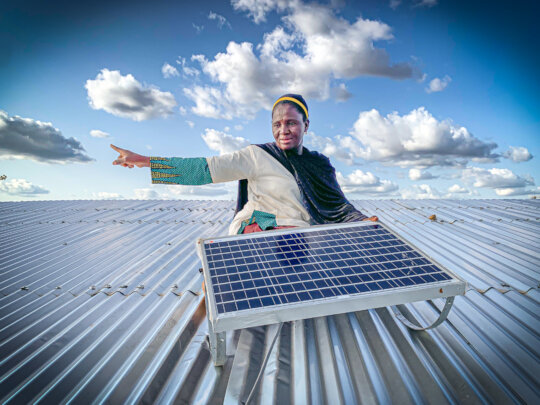
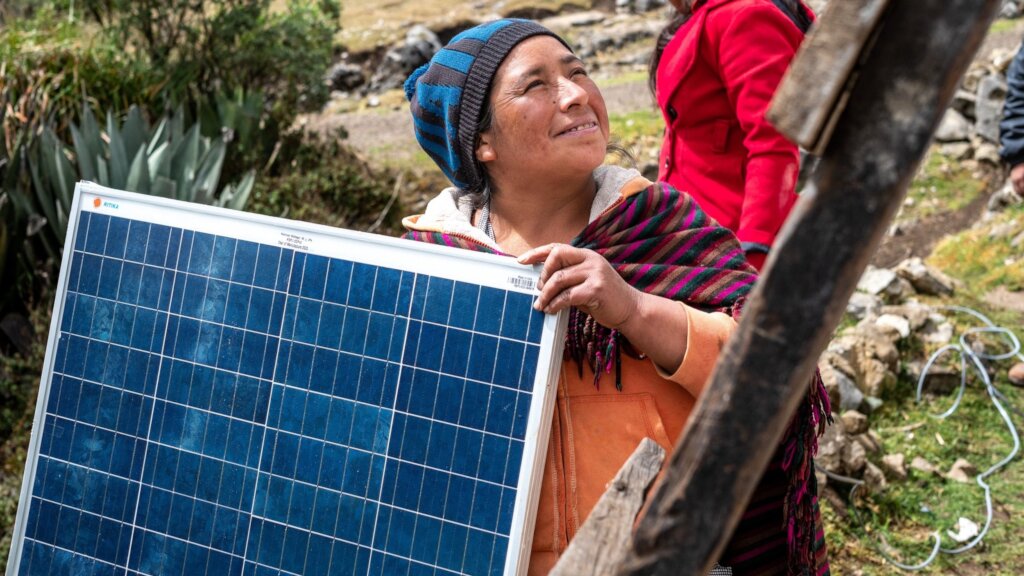
BCI empowers communities by creating custom-repairable solar home lighting systems. Through community sensitization meetings, BCI selects women for a four-month residential training to become "Solar Mamas." They learn technical, leadership, entrepreneurial, health, and financial skills. Upon completion, each Solar Mama installs and maintains the solar equipment in 50 houses, becoming a changemaker. LaGuardia's effort will support a solar engineering program for "Solar Mamas" in Guatemala.
BCI's "Solar Mama" training and electrification program has brought light to 175,000 households, reducing fossil fuels and improving community health. The Solar Mamas apply their BCI training to maintain and sustain the solar equipment which invariably leads to opportunities for female leadership, increase in family income, improvement in education, and enhanced quality of life. The LHI-BCI partnership aims to further strengthen these opportunities for women and rural communities in Guatemala.