By DR VERMA MBBS | PEOPLE FIRST HEALTH PROJECT MEDICAL CONSULTANT
I am medical consultant for the Health Project and if you do not mind I would like to tell you about India’s hunger problem, and what a wonderful effect on one village this programme has, and what it means to the community.
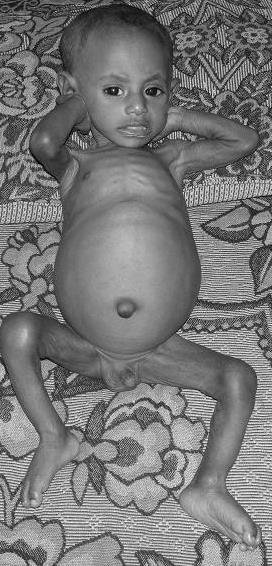
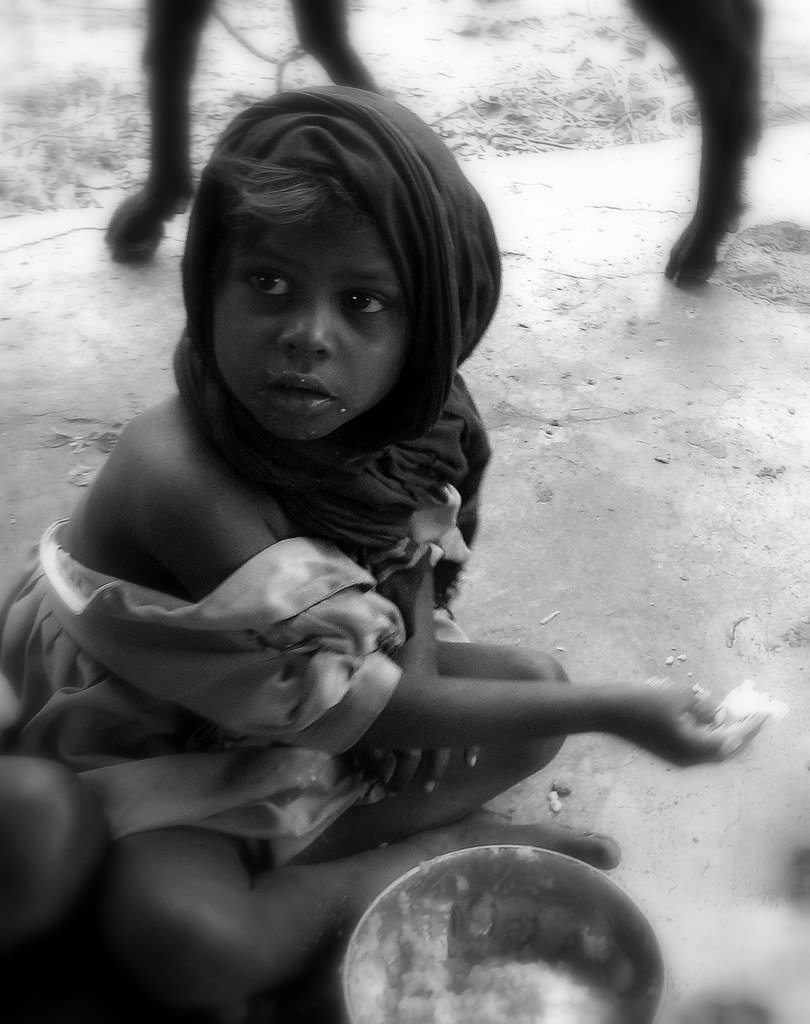
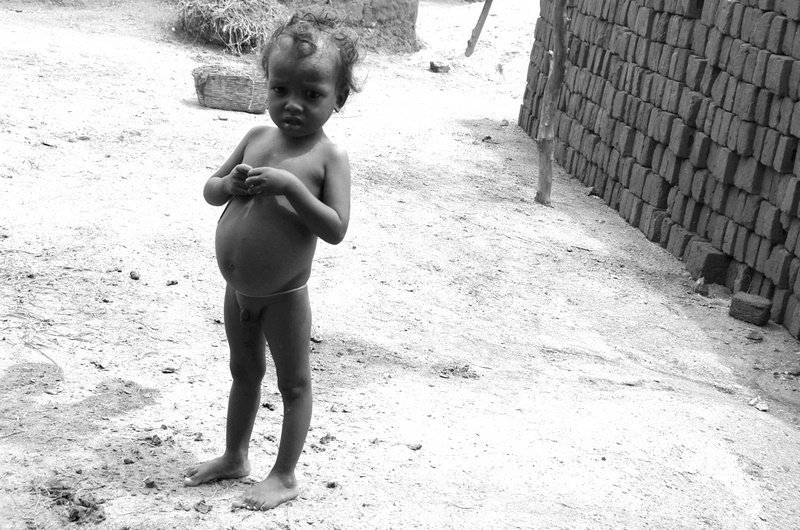
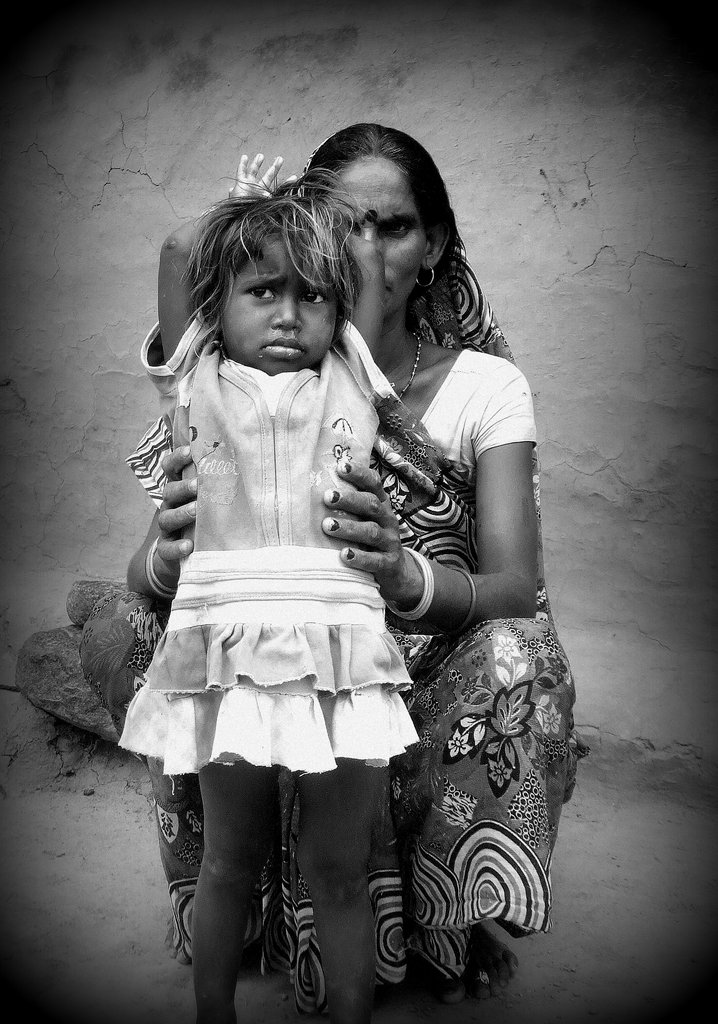
NDIA has been growing steadily richer in recent years, but it still has more malnourished people, especially children, than any other country. A big, nationwide study from 2012 and 2013, the National Family Health Survey (NFHS), found that 42.5% of children under five years old were underweight. The region with the next highest proportion of underweight children is Africa, with an average of 21%. Another measure of malnutrition is stunting, when children are unusually short for their age. Again, India's problems were shown to be unusually bad.
The World Bank estimates that India is one of the highest ranking countries in the world for the number of children suffering from malnutrition. The prevalence of underweight children in India is among the highest in the world, and is nearly double that of Sub Saharan Africa with dire consequences for mobility, mortality, productivity and economic growth.
The 2011 Global Hunger Index (GHI) Report ranked India 15th, amongst leading countries with hunger situation. It also places India amongst the three countries where the GHI between 1996 and 2011 went up from 22.9 to 23.7, while 78 out of the 81 developing countries studied, including Pakistan, Nepal, Bangladesh, Vietnam, Kenya, Nigeria, Myanmar, Uganda, Zimbabwe and Malawi, succeeded in improving hunger condition. India is one of the fastest growing countries in terms of population and economics, sitting at a population of 1.2 billion and growing at 1.5%–1.7% annually (from 2001–2007). India's Gross Domestic Product growth was 9.0% from 2007 to 2008; since Independence in 1947, its economic status has been classified as a low-income country with majority of the population at or below the poverty line.
One of the major causes for malnutrition in India is gender inequality. Due to the low social status of Indian women, their diet often lacks in both quality and quantity. Women who suffer malnutrition are less likely to have healthy babies. In India, mothers generally lack proper knowledge in feeding children. Consequently, new born infants are unable to get adequate amount of nutrition from their mothers. The Health Project works with local women and health volunteers to make this situation much better in the projet area
Subodh Varma, writing in The Times of India, states that on the Global Hunger Index India is on place 67 among the 80 nations having the worst hunger situation which is worse than nations such as North Korea or Sudan. 25% of all hungry people worldwide live in India. Since 1990 there has been some improvements for children but the proportion of hungry in the population has increased.
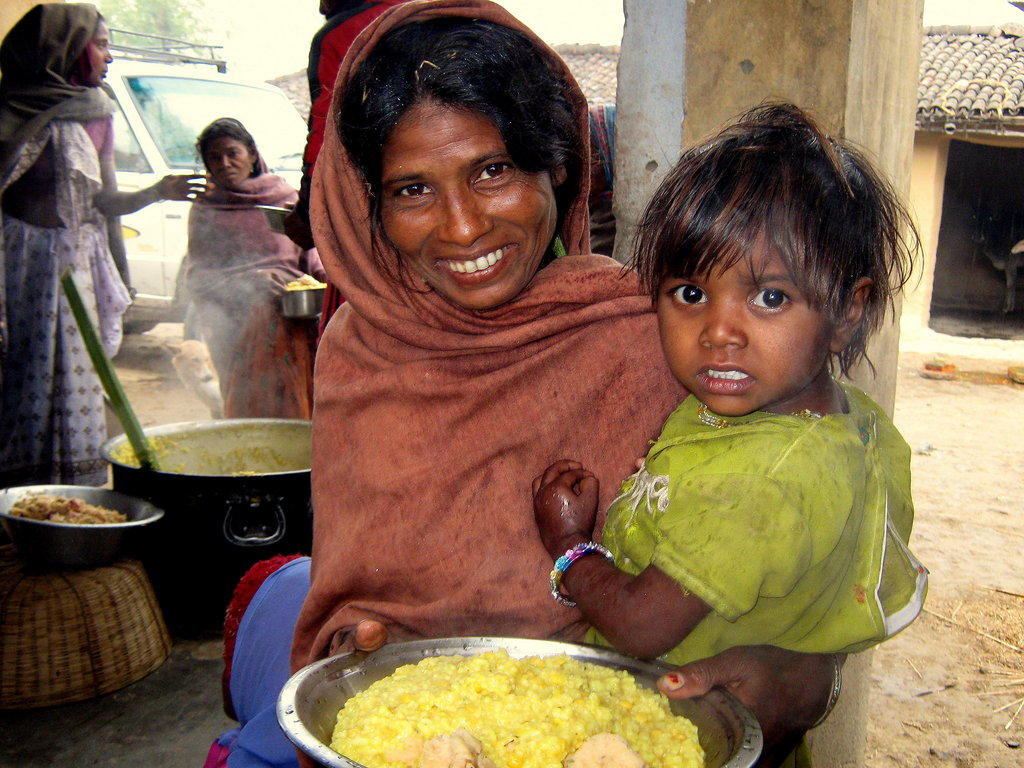
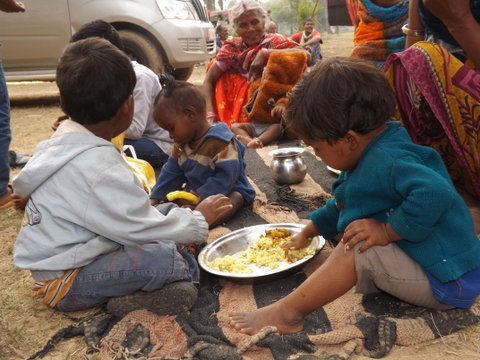
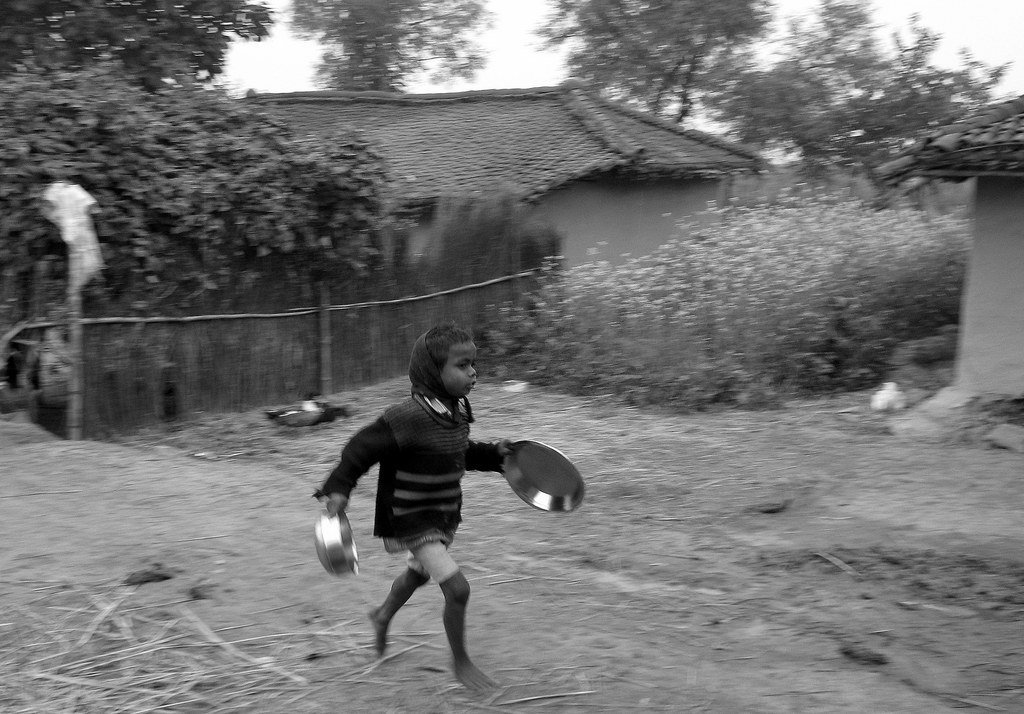
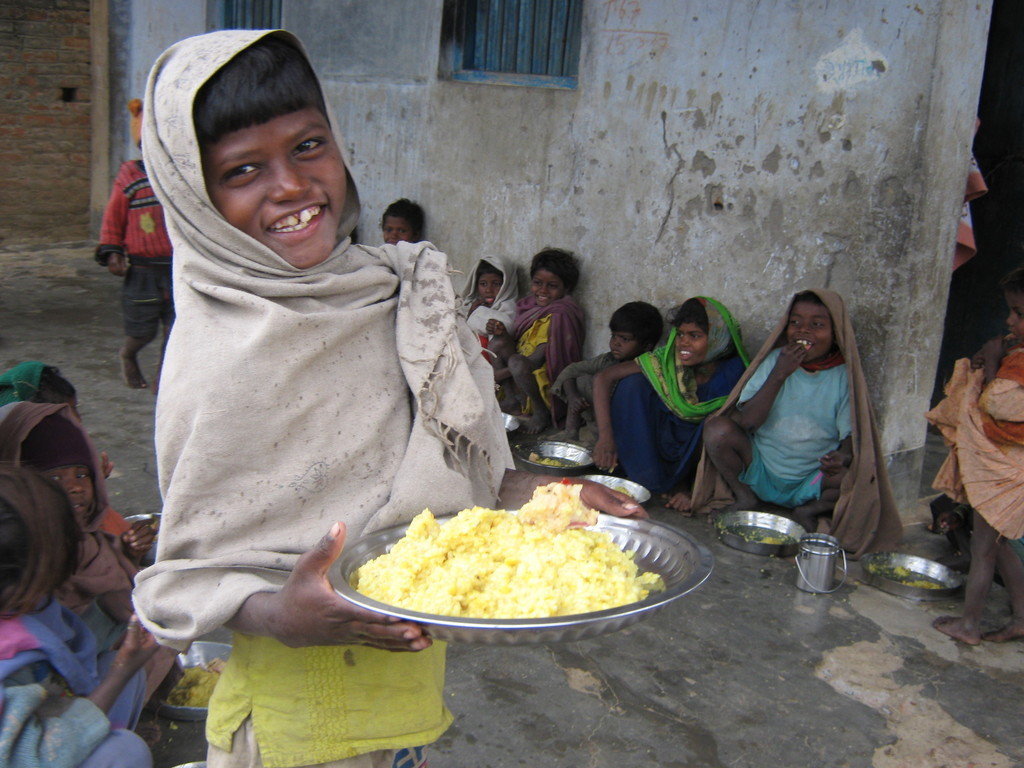
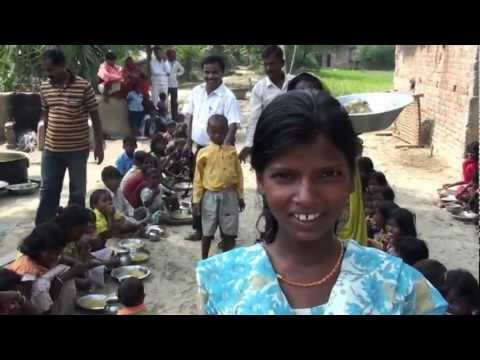
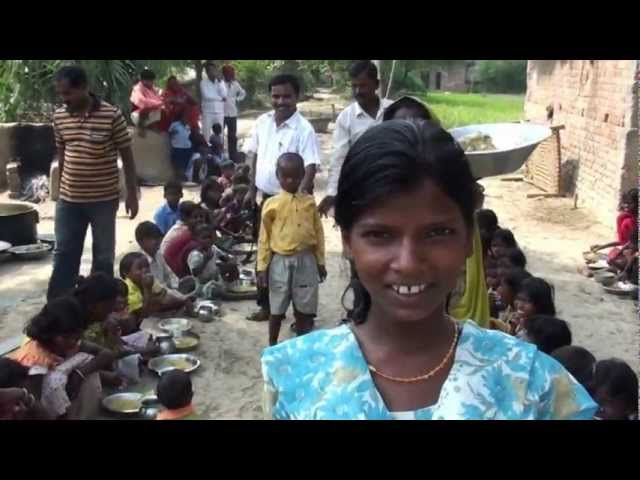
Whilst this problem is overwhelming, for the children of Dadpur at least it is amazing how the protein rich healthy food this programme provides makes such a difference. Malnutrition has been greatly reduced in the village and for those who need extra help the project is providing supplements to those children most in need, as medical consultant for the project I can confirm and tell you all just how much your support means for all of the children , young mothers and the elderly in this community .
Thank you for your Support,
Dr Verma MBBS
Links:
Project reports on GlobalGiving are posted directly to globalgiving.org by Project Leaders as they are completed, generally every 3-4 months. To protect the integrity of these documents, GlobalGiving does not alter them; therefore you may find some language or formatting issues.
If you donate to this project or have donated to this project, you can receive an email when this project posts a report. You can also subscribe for reports without donating.