By Julie Monis-Ivett and Karen Gryst | Director and CEO
Pigmies are the most impoverished of all communities in DR Congo. Life is very hard. They live in remote areas mainly in Congo mountains and rainforest, in brush or dirt huts with dirt floors and grass as a blanket.
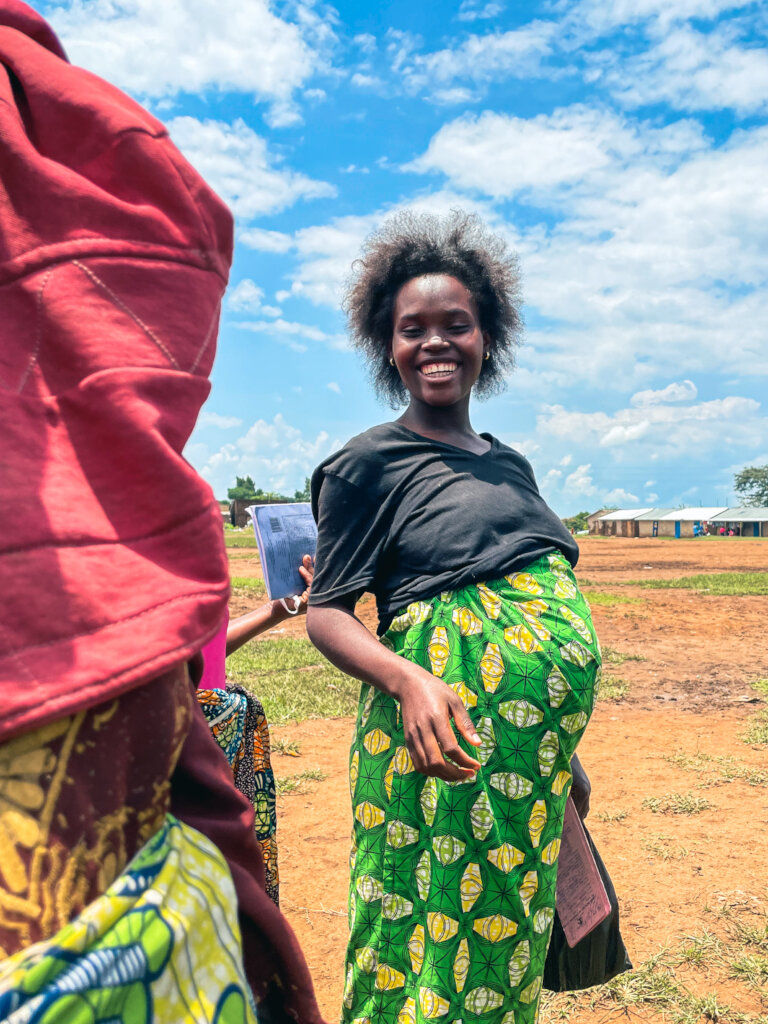
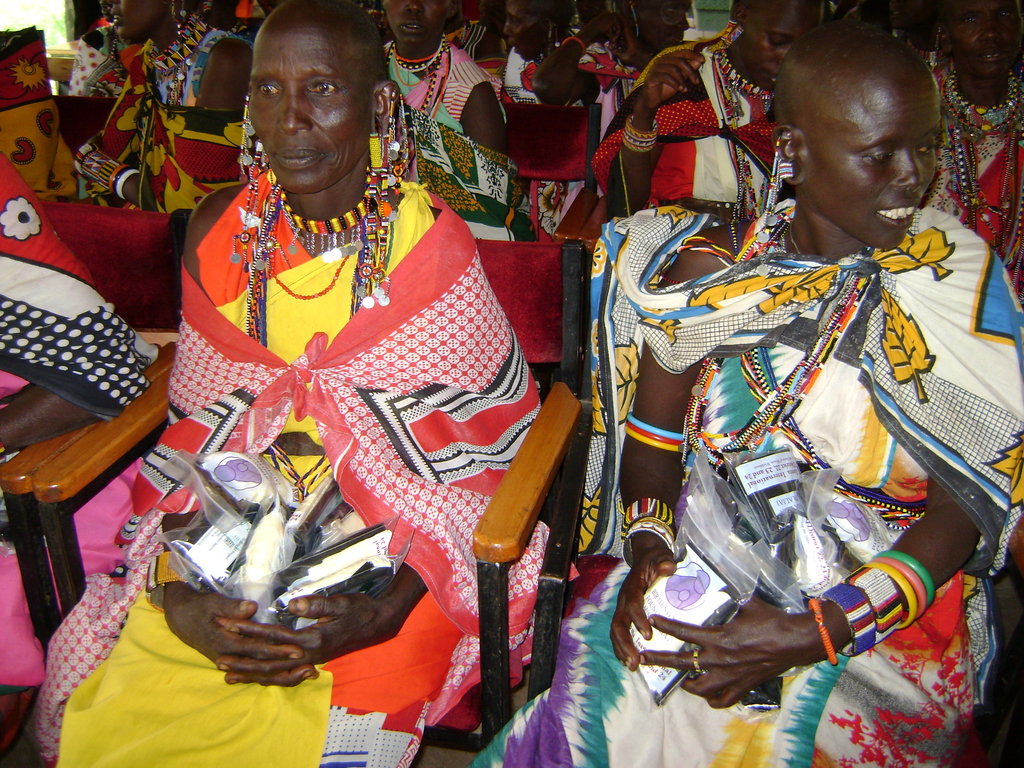
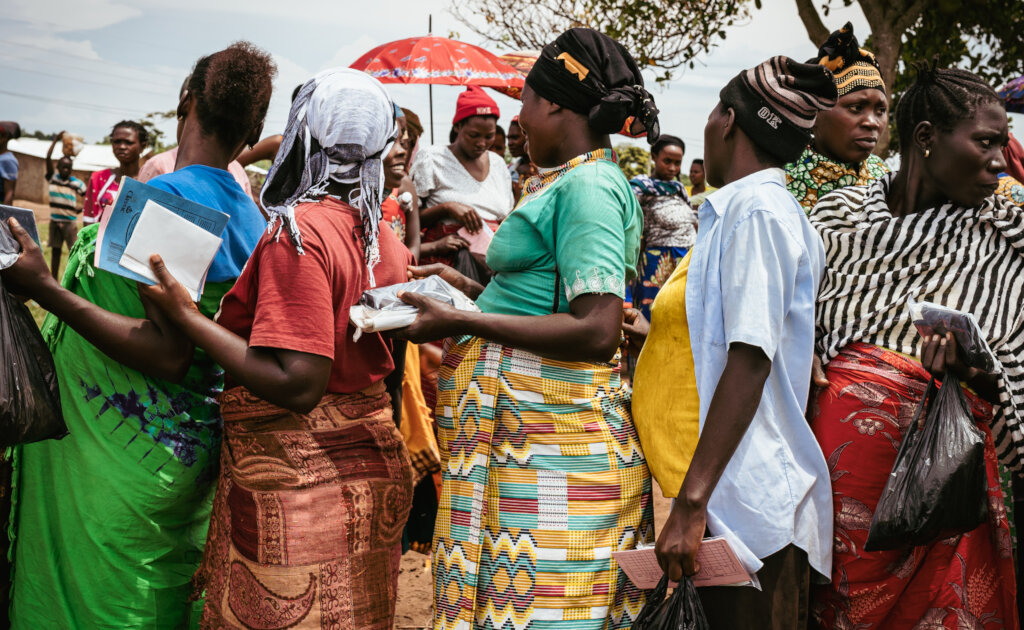
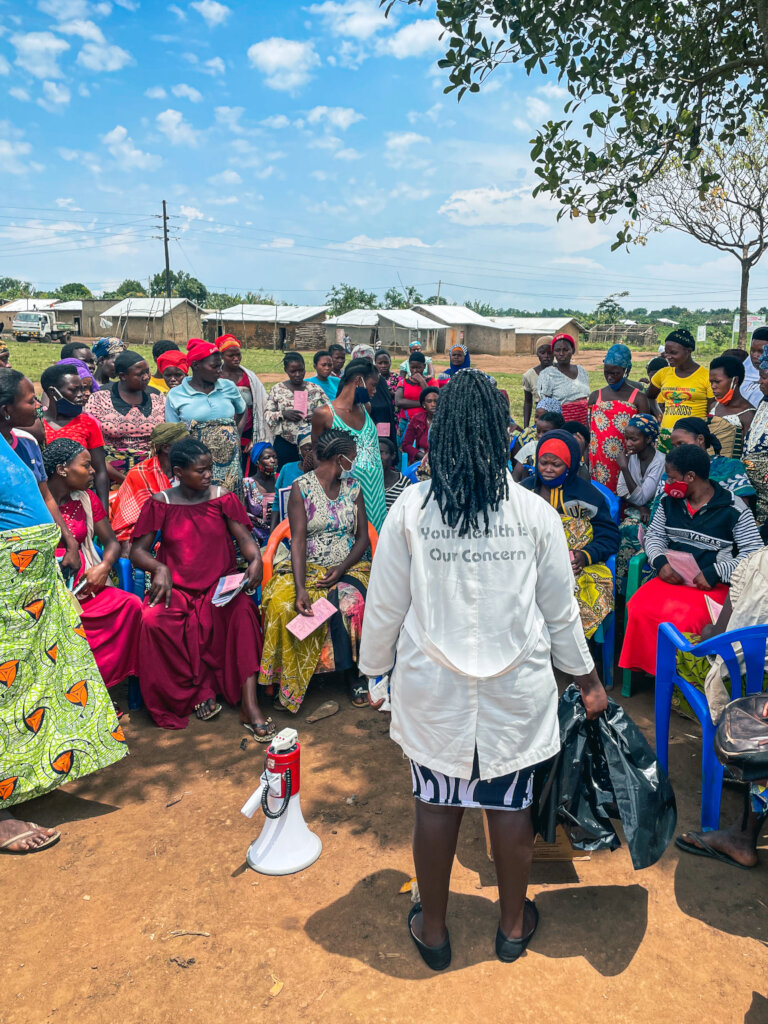
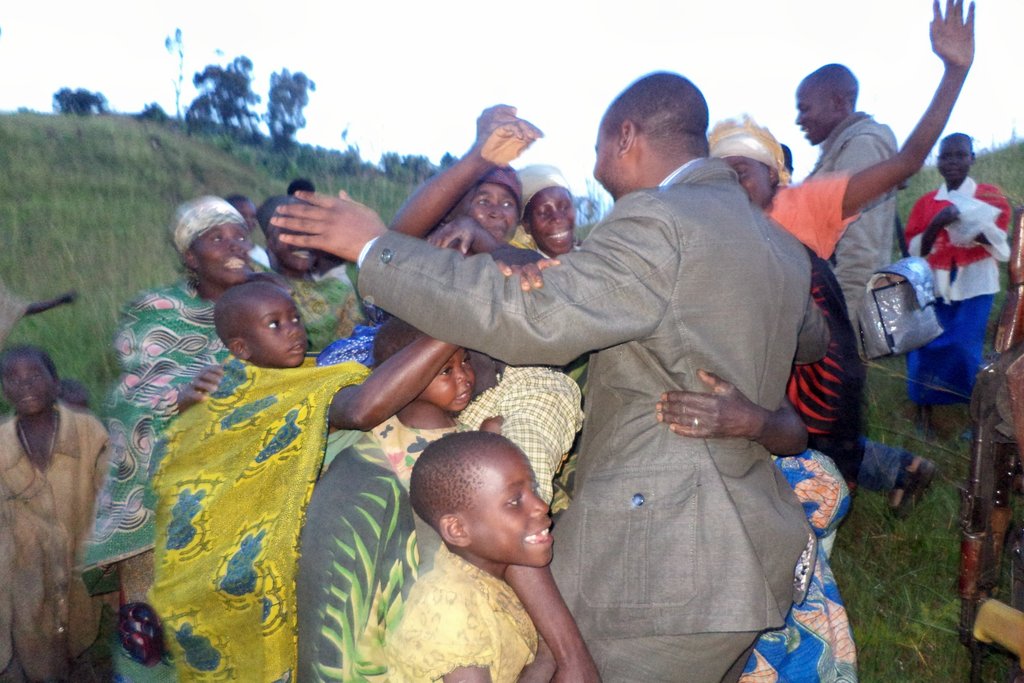
Dr Luc Mulimbalimba our partner from Mission in Health Care and Development chose these very poor communities for our recent training program on maternal health and safe, clean birthing practice to improve health and reduce preventable infections during birth which is a major cause of death and disability. The two communities of Mulenge and Lemera each received training for 100 Pigmie Traditional Birth Attendants (TBA’s) over 3 days.
The difficulties of running these seminars were significant but we are very lucky to have Dr. Luc as our partner, who only thinks about how to make things work! Over 30 porters had to carry all the food, bedding, birthing kits and educational equipment. Months ahead Dr Luc talked to the communities and explained the importance of the training, locating 100 traditional birth attendants and organising for them to gather for the training.
Dr. Luc said:
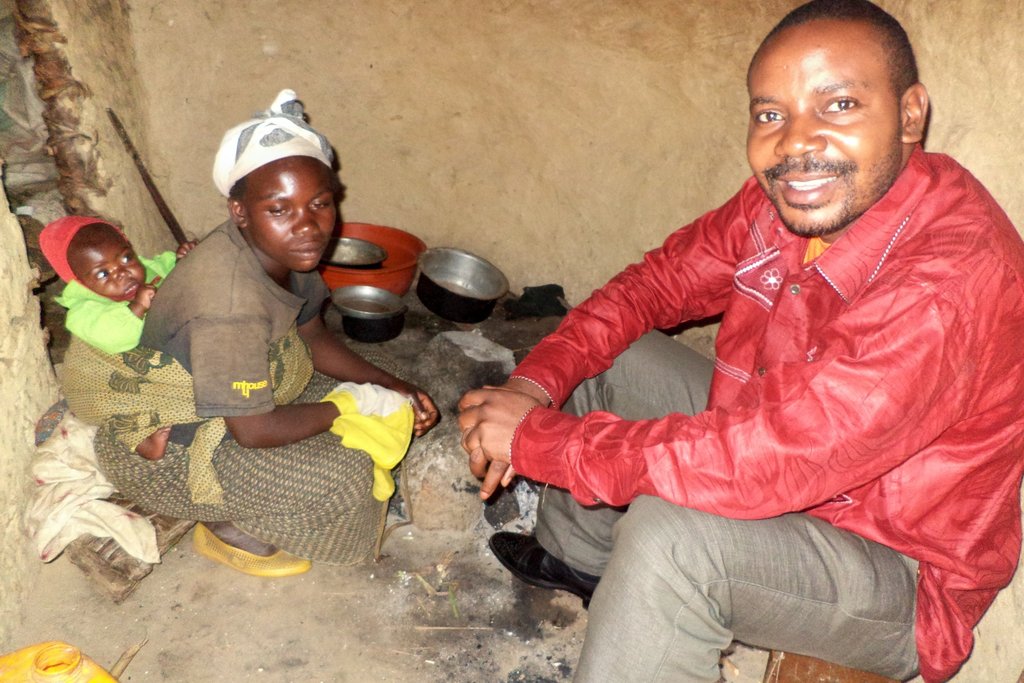
“It took us two days to reach Mulenge because there are no roads so we had to climb up and down the mountains and valleys to reach there. It is still the rainy season here in DRCongo so it was not very easy for us to reach Mulenge. I visited some of their houses.They live in extremely small houses,sleeping on logs of trees and small leaves, Their beds are made of the logs are less than a metre in size.They have no occupation except ploughing for other people.They leave their houses at 6:00am and return at 6:00pm and they are only paid 1 USD.They live at the high mountains of the Mitumba chain of mountains and are near a big forest that is also a national reserve park called Itombwe.They eat meat together with Ugali made by cassava flour.They are leading very difficult lives that I am not even able to write on email."
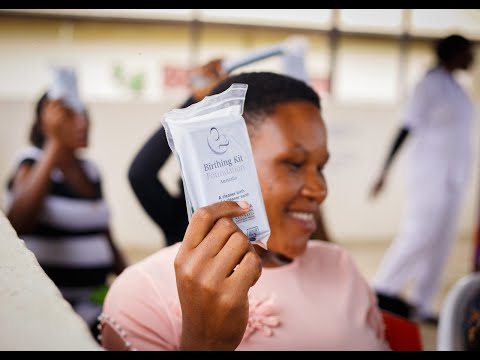
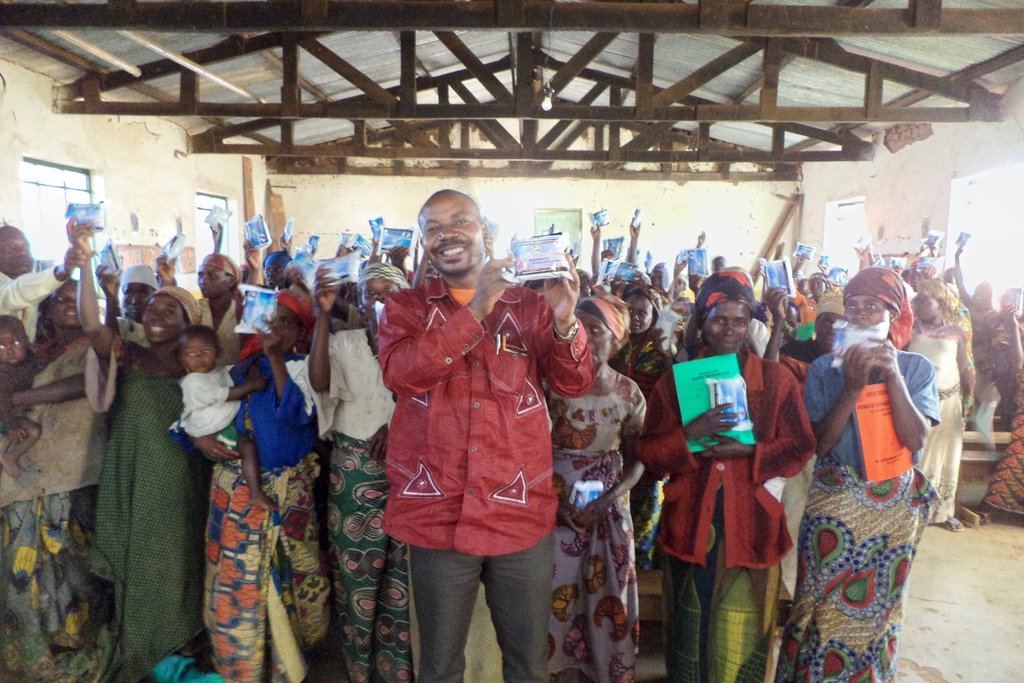
"We organised a three day traditional midwifery seminar for them and we gave each participant a gift of African cloth and 20 birthing kits.They ate very well and they enjoyed very much."
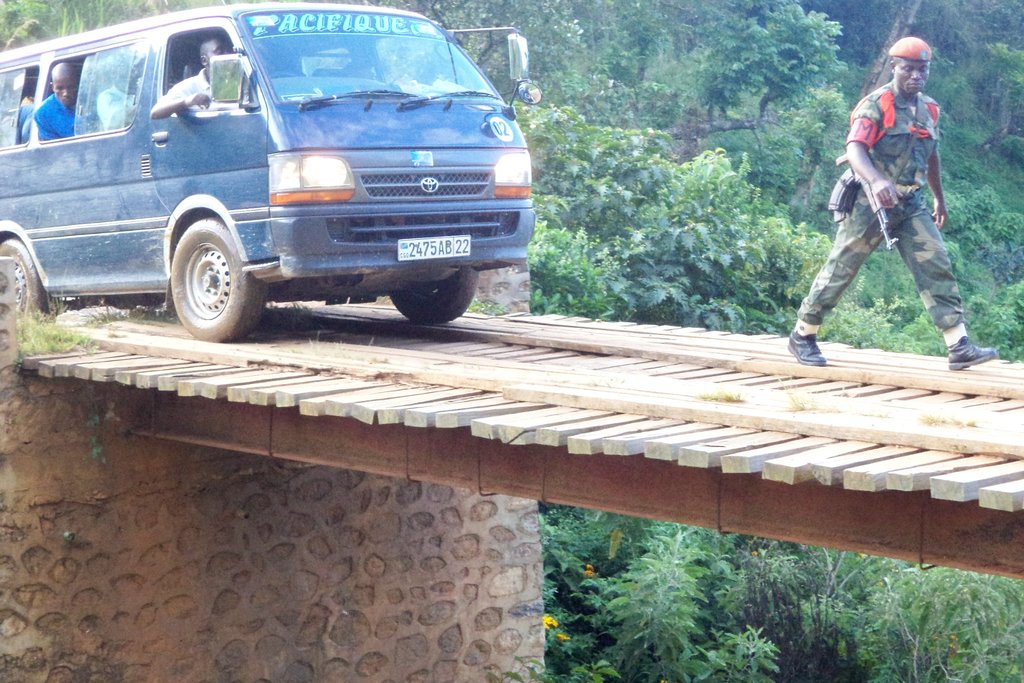
"After Mulenge we moved on to Lemera where there are roads but not good and more often we had to get out of the vehicle and push it. By good luck we were given security by the government of DRCongo and they were very helpful in leading and also pushing the vehicle. The government gave us a pick up that also assisted us to carry some of the kits and material. It was not easy but we thank God very much because we reached Lemera very well.”
There were also some highlights as Dr. Luc reported:
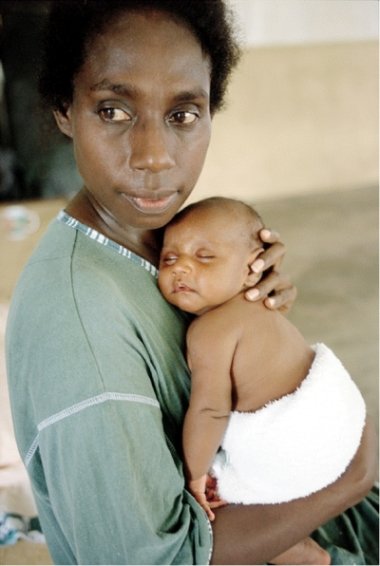
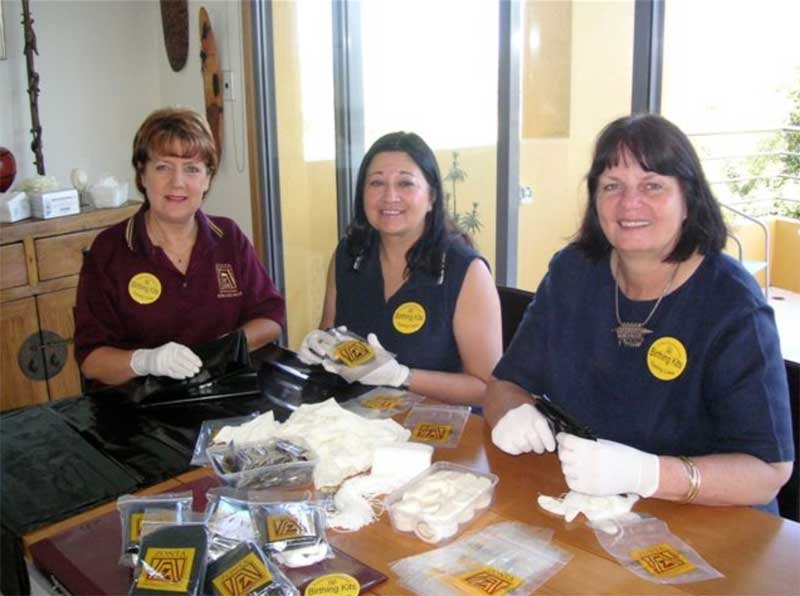
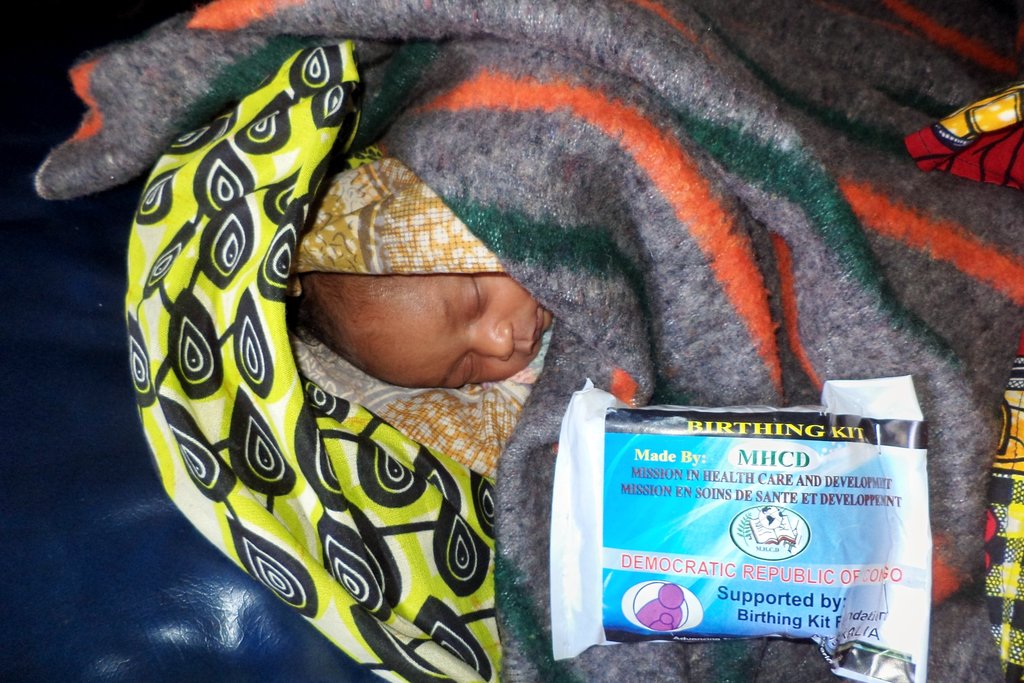
“The best thing was that while at Mulenge we were lucky to help two expectant pigmee women to give birth by the use of the locally made birthing kits.We have attached the photos of the two newly born babies and also photos of the making of the birthing kits at the Luvungi hospital.Again we are so grateful to the Birthing Kit Foundation for supporting us. We appreciate so much your love,care and support.”
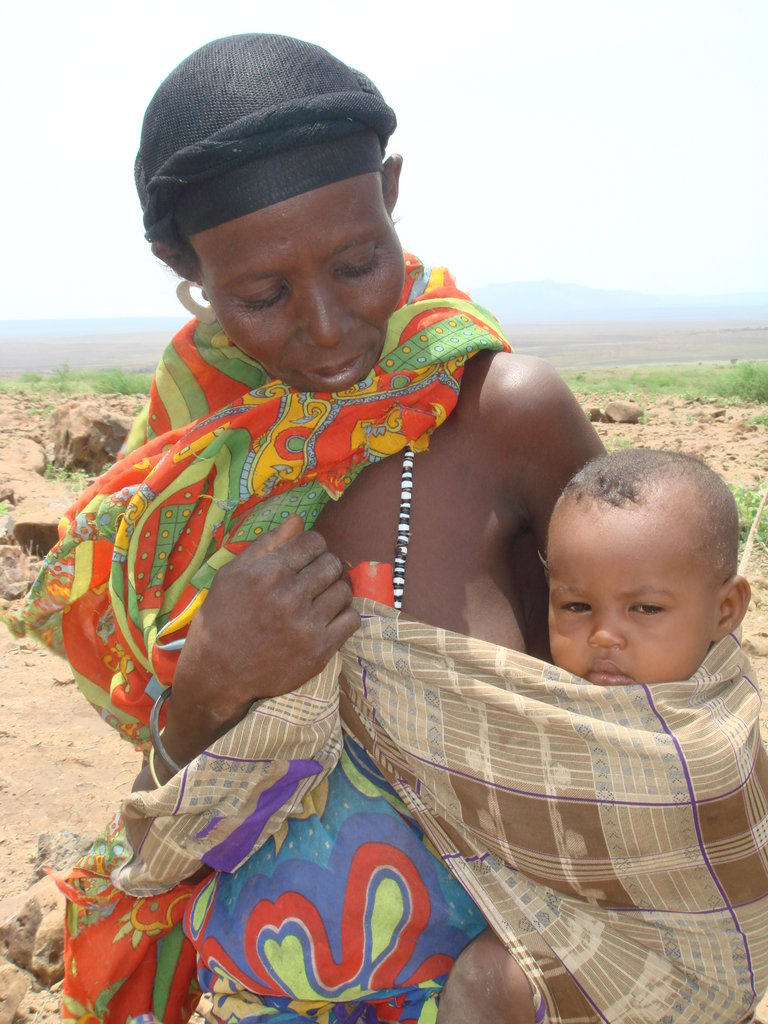
In DR Congo Pigmie communities poverty and lack of educational opportunities are endemic. There is no education or health system. Some cultural practices also create health issues, which is why health promotion projects like this are so important to raise awareness of these issues. For example, most have never washed. There is plenty of water in the many rivers surrounding them but it is culturally not normal to wash. Infections, disease and death are rampant in their communities. When you have never learned about health, nutrition and hygiene the impact of this knowledge changes the community forever. Our programs which focus on maternal health and benefit the women and babies also have an extended impact for the whole Pigmie communities in DR Congo.
Both seminars were successful with the TBAs attending and enjoying their learning. Over 4000 birthing kits were given out at the seminars.Evaluation activities are being undertaken to assess the programs effectiveness and impact including a follow up evaluation with happen in 3 months to ascertain how they have applied the training and any further support required.
Links:
Project reports on GlobalGiving are posted directly to globalgiving.org by Project Leaders as they are completed, generally every 3-4 months. To protect the integrity of these documents, GlobalGiving does not alter them; therefore you may find some language or formatting issues.
If you donate to this project or have donated to this project, you can receive an email when this project posts a report. You can also subscribe for reports without donating.



Support this important cause by creating a personalized fundraising page.
Start a Fundraiser