By Jenny Foden | Project Development Intern
2021 has so far been a tough year for all, exacerbated for countries with high levels of poverty and a vulnerable climate. Madagascar has been plagued by its worst drought in 40 years, leaving at least 1 million people in the face of starvation. SEED Madagascar has faced many challenges this year with COVID-19, severe drought, famine, and funding cuts. Our progress and achievements, however, have been remarkable. This report is a dedication and tribute to the staff and communities who have worked tirelessly to help SEED achieve incredible progress in their target areas of work, which has led to long-lasting positive change Malagasy communities. A summary of some key achievements in a selection of our projects is discussed below.
Sustainable Livelihoods
Project Ala: Moving into Phase II
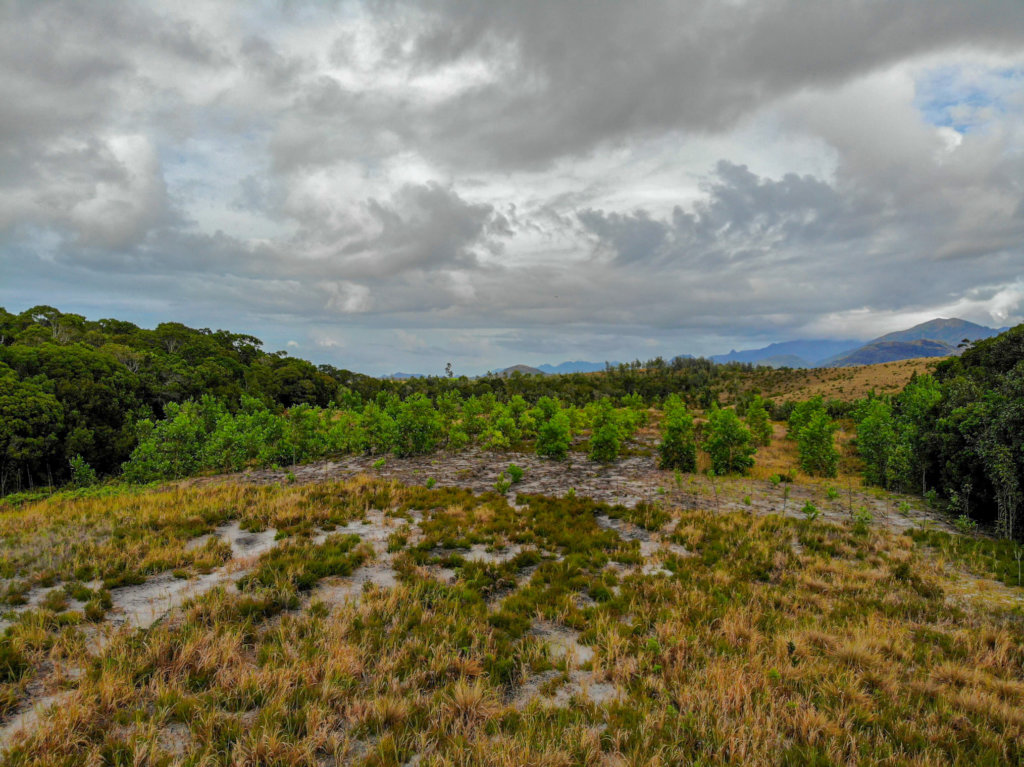
Unfortunately, the drought in Sainte Luce has caused extremely high mortality of plantings in the corridors. However, the Project Ala team has worked tirelessly to continue with the project and has worked with key stakeholders to focus on the main threats to the corridors, particularly fire. There is not a simple, one-size-fits-all way to restore forests, but scientists have found that projects that use a localised approach on an individual forest or community level have greater success than those that do not. SEED has created a five-year Conservation Programme Strategy and a 10 to 15 year Forest Conservation Programme Strategy which have helped to build a long-term, locally-led, holistic and adaptive programme for the conservation and restoration of the Sainte Luce Littoral Forests. These strategies have helped shape Ala Phase II by setting achievable goals for the next three years. Phase II has been developed to continue to grow SEED’s reforestation efforts and strengthen its vital research, by working together with key stakeholders and the local community in Sainte Luce. Over the coming years Project Ala will continue to monitor, learn and adapt through the dissemination of reports, learning and research. This, in turn, will add to the growing body of knowledge on reforestation in Madagascar.
Community Health
Safidy IV: Expanding SRHR networks
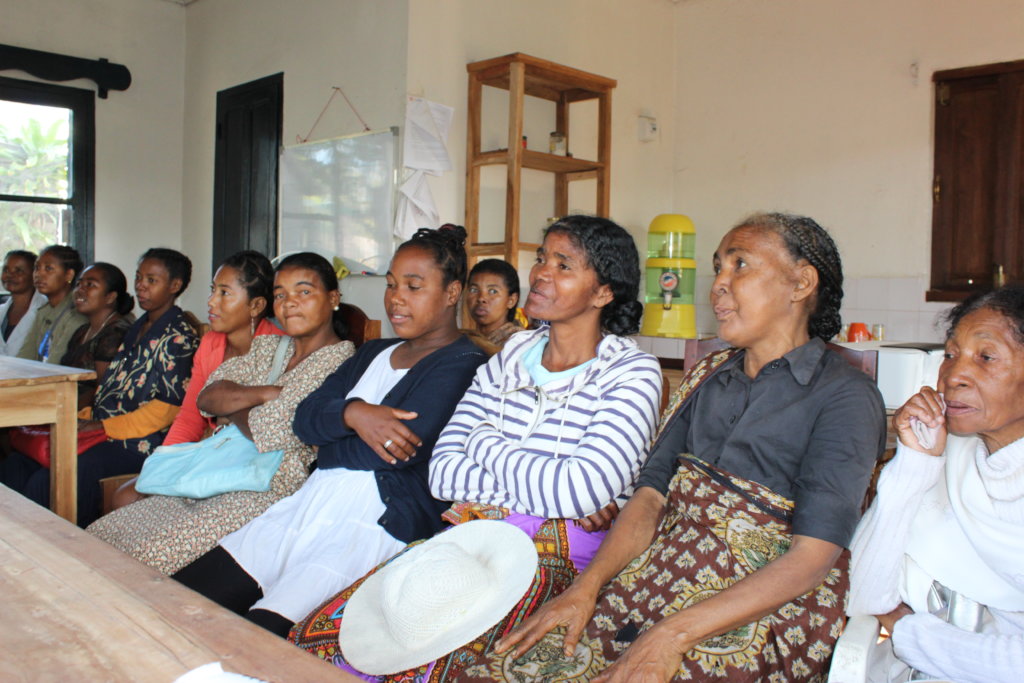
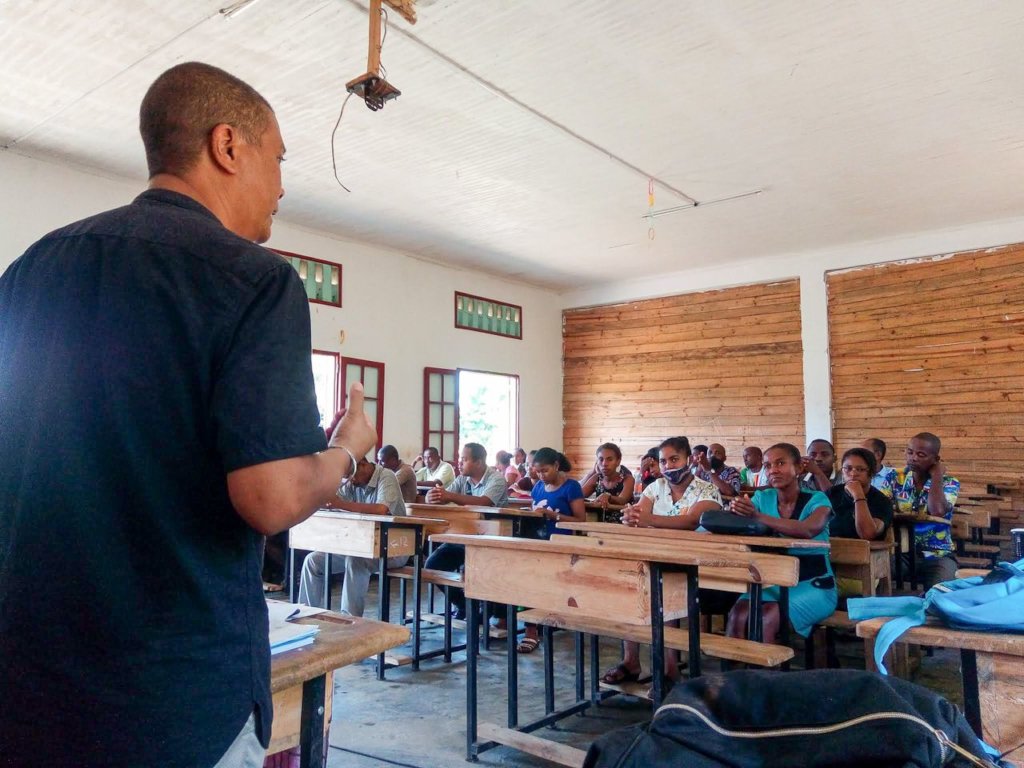
Project Safidy aims to deliver rights-based sexual and reproductive health education and resources (SRHR) to young people across Madagascar, reducing their vulnerability to HIV, sexually transmitted infections and unintended pregnancies, by partnering and working closely with ministries and partner organisations. Despite challenges with funding, Safidy IV has made some remarkable achievements in 2021. A social media strategy has been developed to boost the participation of SRHR network members in developing content to raise SRHR awareness in the wider community. The SRHR network currently has 31 members, of which 17 have contributed SRHR messages to be disseminated across various social media channels. A total of 100 teachers from five pilot schools have been trained to deliver SRHR education. An additional nine regional and district ministry officials have received capacity-building training to monitor SRHR in five schools.
Education Infrastructure
Tsagnoriha School: on track to finish this August!
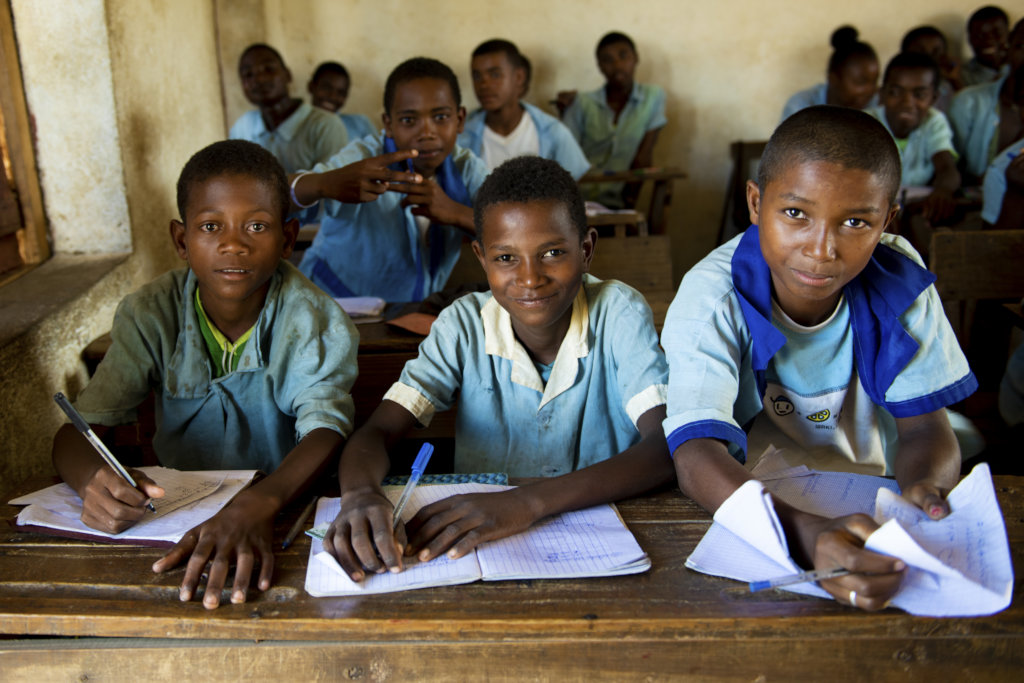
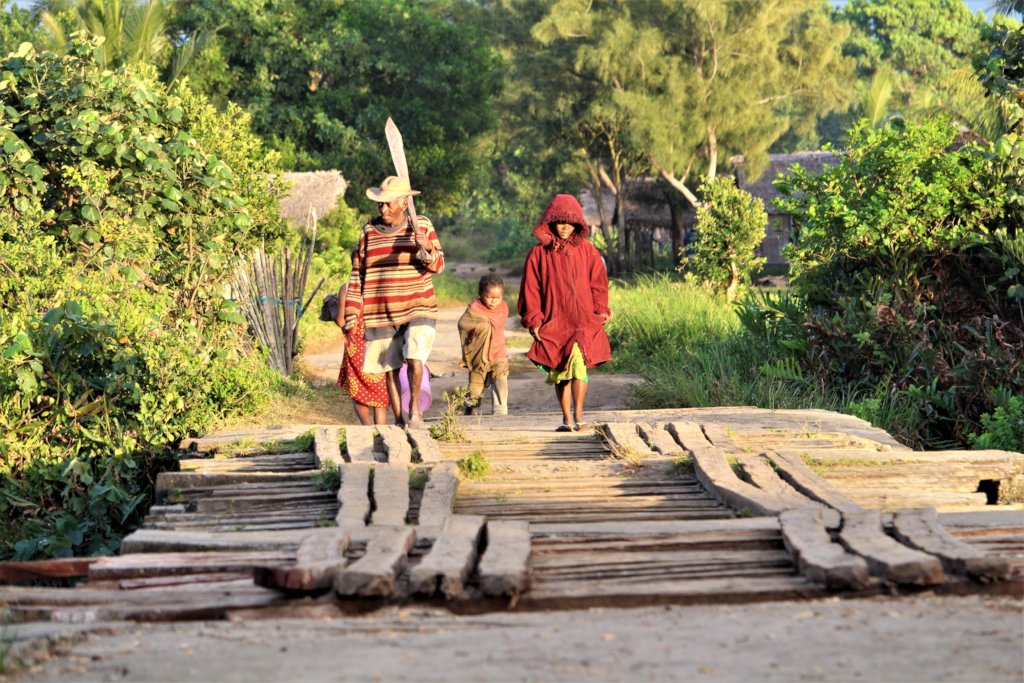
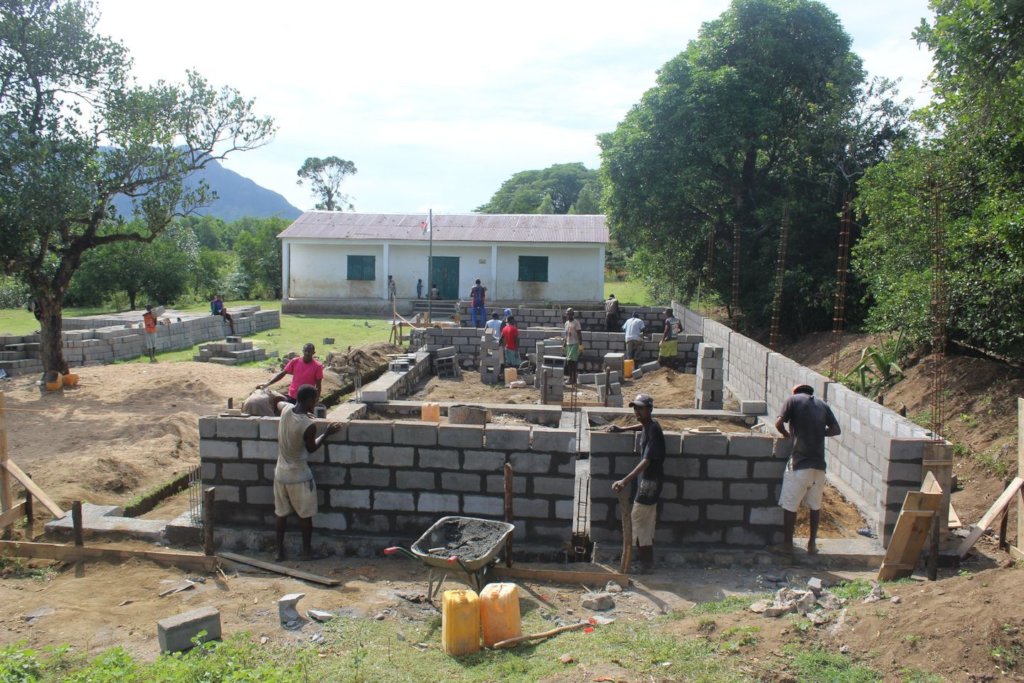
In the Anosy Region, where SEED Madagascar works, children don't have much chance of completing primary school. Through our education projects, SEED Madagascar aims to tackle this issue by building new schools, repairing existing buildings, providing furniture and facilities to schools that don't have enough, and supporting teachers to deliver high-quality education. Construction of Tsagnoriha school commenced in January 2021 and is well underway. The bridge on the commute to Tsagnoriha was broken, and community members moved 70 bags of cement from the bridge to Tsagnoriha and also transported sand from the river. In April, the team built the school foundations and, in May, the team was busy not only building the walls for the new classrooms but also building the pits for the new latrines. Tsagnoriha school is on track to finish this August and 188 students will have access to great classrooms, benches, toilets, and a water supply.
WASH in schools
Children in Vatambe: "We want to go to school to learn!"
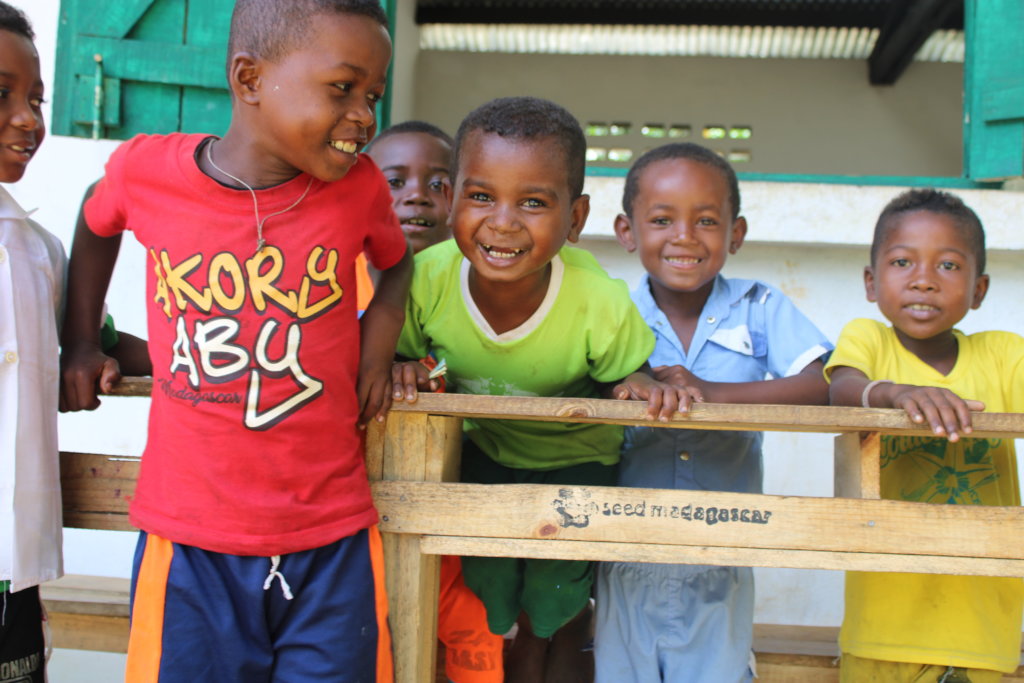
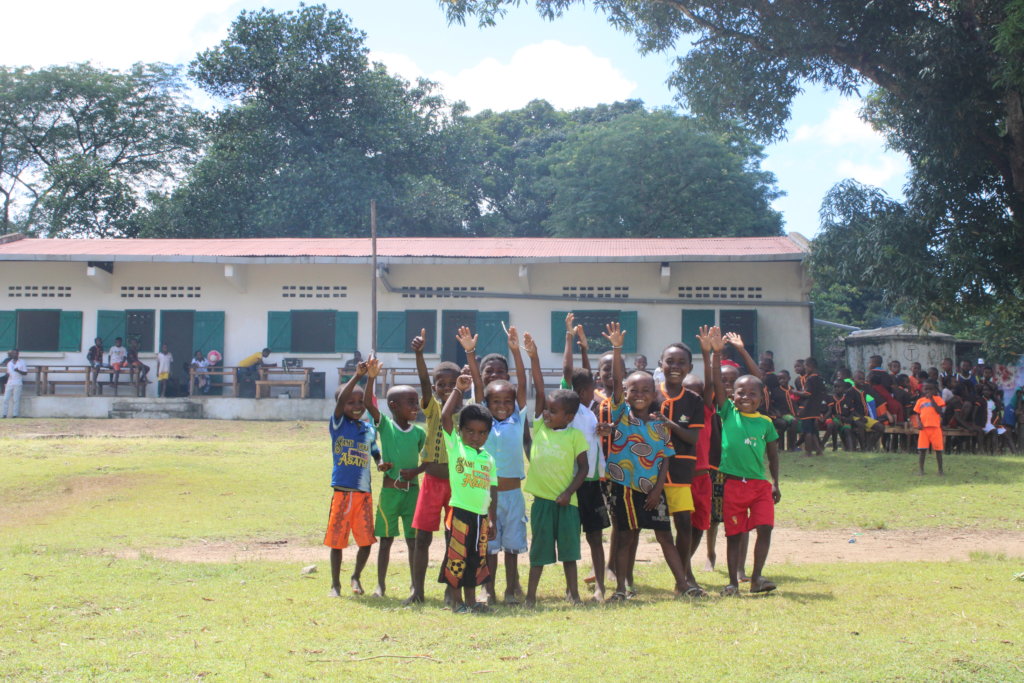
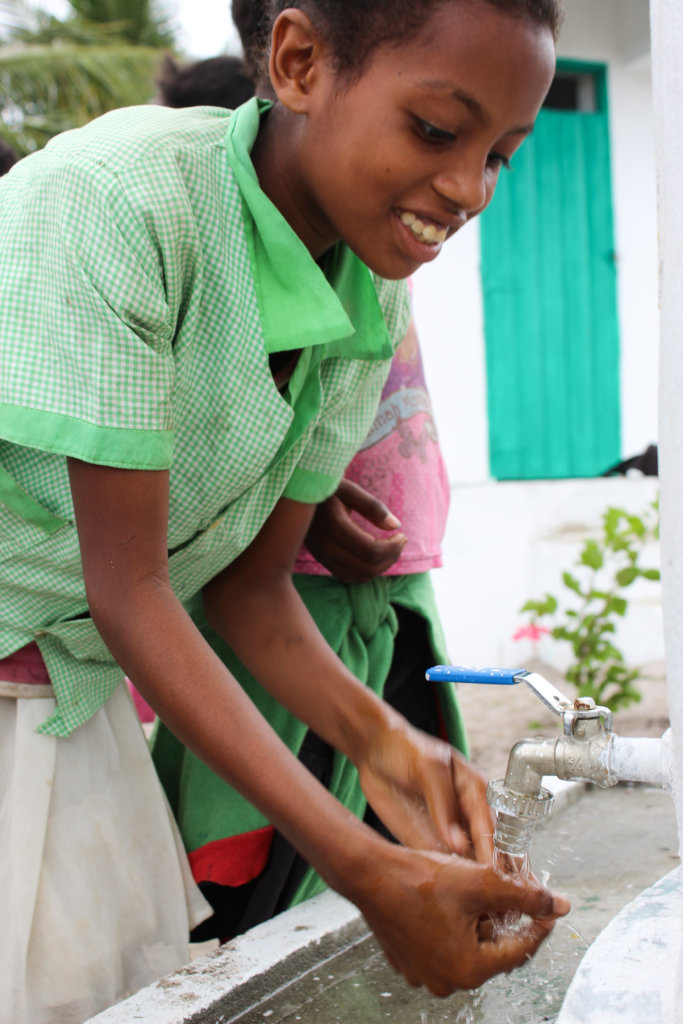
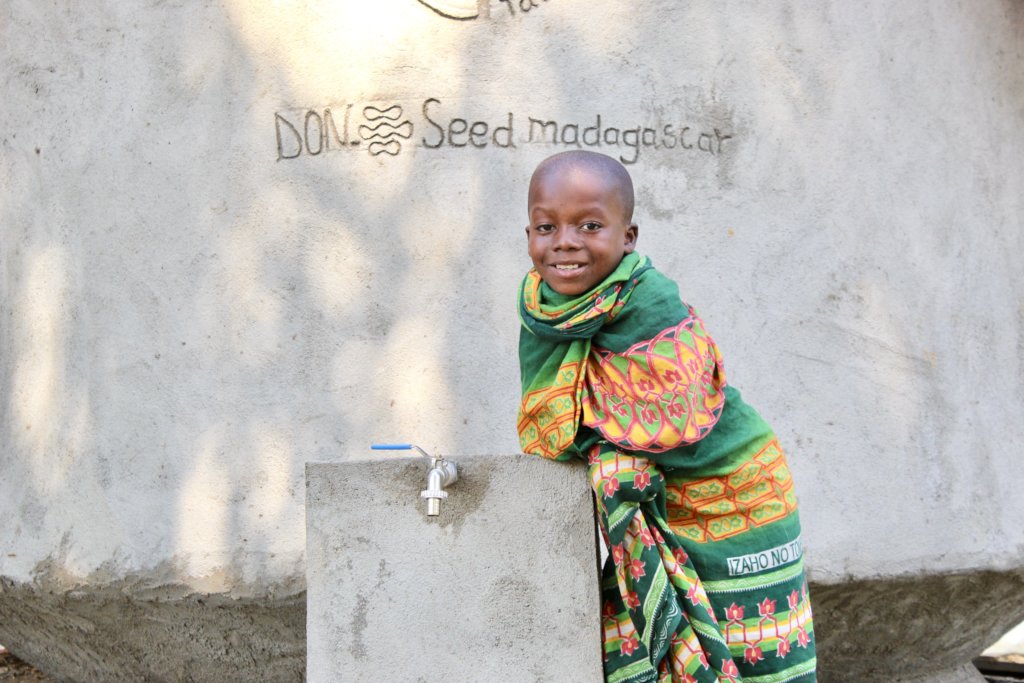
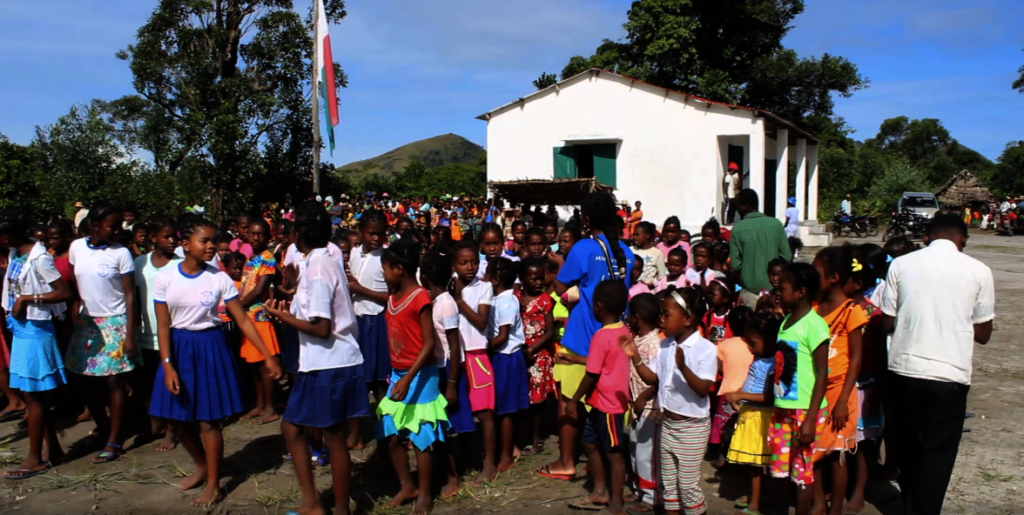
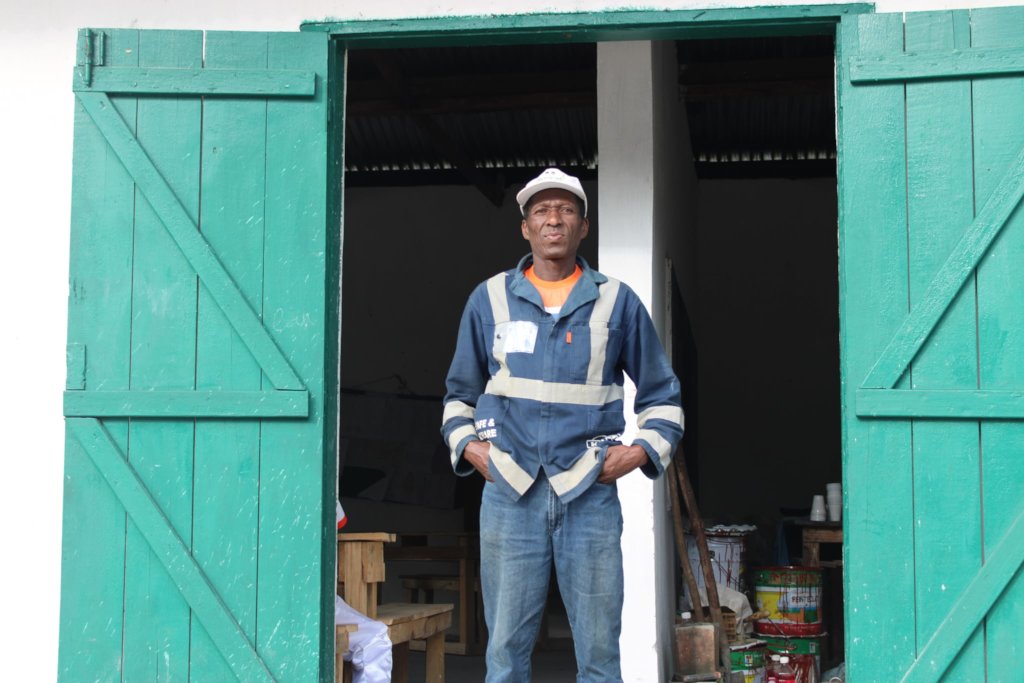
In Vatambe, three new fully-furnished classrooms have been built, along with repairs to one other. SEED has installed one rainwater harvesting system, two gender-segregated latrines, one menstrual hygiene management facility, and two handwashing stations, enabling 230 students to safely attend school full-time annually. The children of Vatambe Primary School sung "We want to go to school to learn!" at the school’s official opening ceremony in late June, and that is exactly what they will now be able to do! Meet Donne, one of the skilled construction workers that built Vatambe Primary School. He proudly tells Lomba, our Head of Construction, that the salary he earned from building the school has meant that he has been able to buy two Zebu or 'Omby' in Malagasy. Omby represent power, status, and prosperity in Madagascar and have a distinct role of importance in society and agriculture.
Environmental Conservation
Conservation Research: Amazing Sights
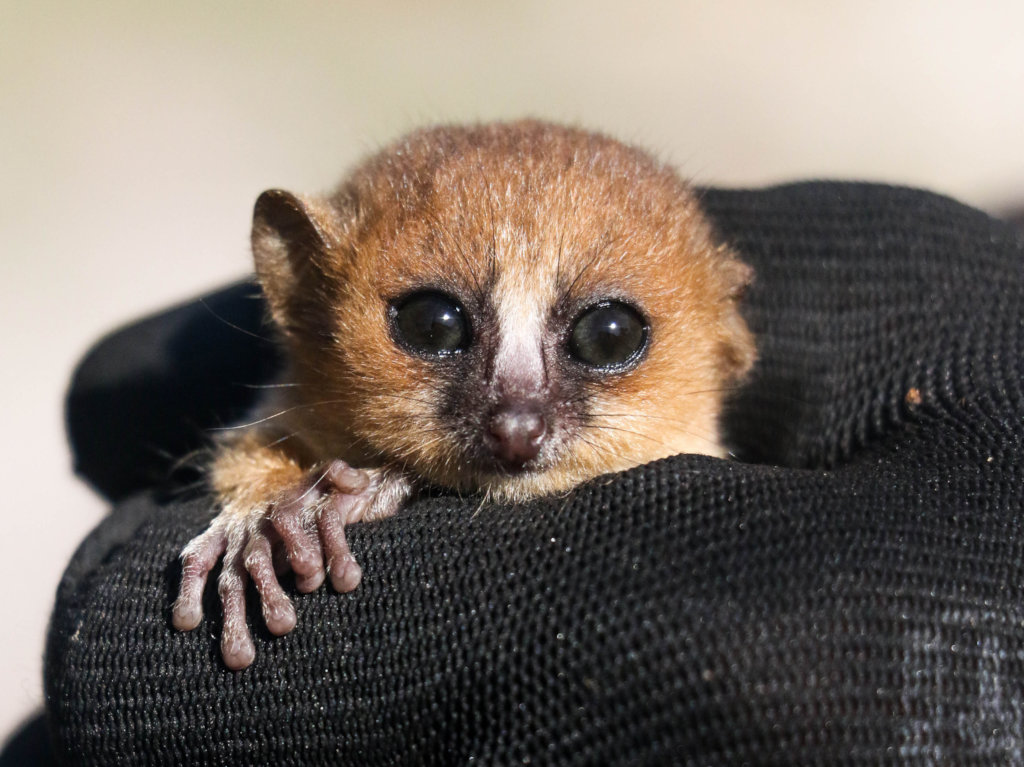
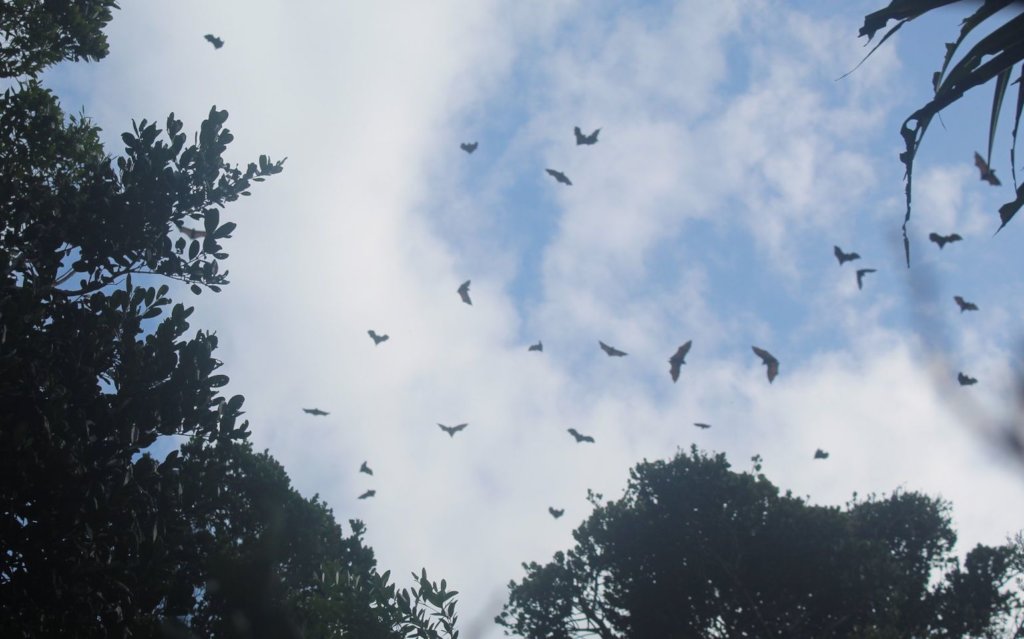
SCRP funding is being supported beyond volunteer payments through four SCRP ‘micro-projects', focusing on four lemur species (Eulemur collaris, Avahi meridionalis, Microcebus tanosi, and Cheirogaleus thomasi), the Elongate leaf chameleon (Palleon nasus), freshwater fish diversity, and microbat diversity. With a new Conservation Research Coordinator in place, more potential micro-projects will be discussed. These amazing photographs of Pteropus rufus fruit bats (Madagascan Flying Fox) were taken by SCRP during April’s research trip. Pteropus rufus breed between April and May, so it was great to observe over 300 bats circling the skies during roost counts. The team also located a fleeting roost site, where the colony may be relocating to when there is disturbance close to the original roost.
Links:
Project reports on GlobalGiving are posted directly to globalgiving.org by Project Leaders as they are completed, generally every 3-4 months. To protect the integrity of these documents, GlobalGiving does not alter them; therefore you may find some language or formatting issues.
If you donate to this project or have donated to this project, you can receive an email when this project posts a report. You can also subscribe for reports without donating.



Support this important cause by creating a personalized fundraising page.
Start a Fundraiser