By Charles Olupot | Project Leader
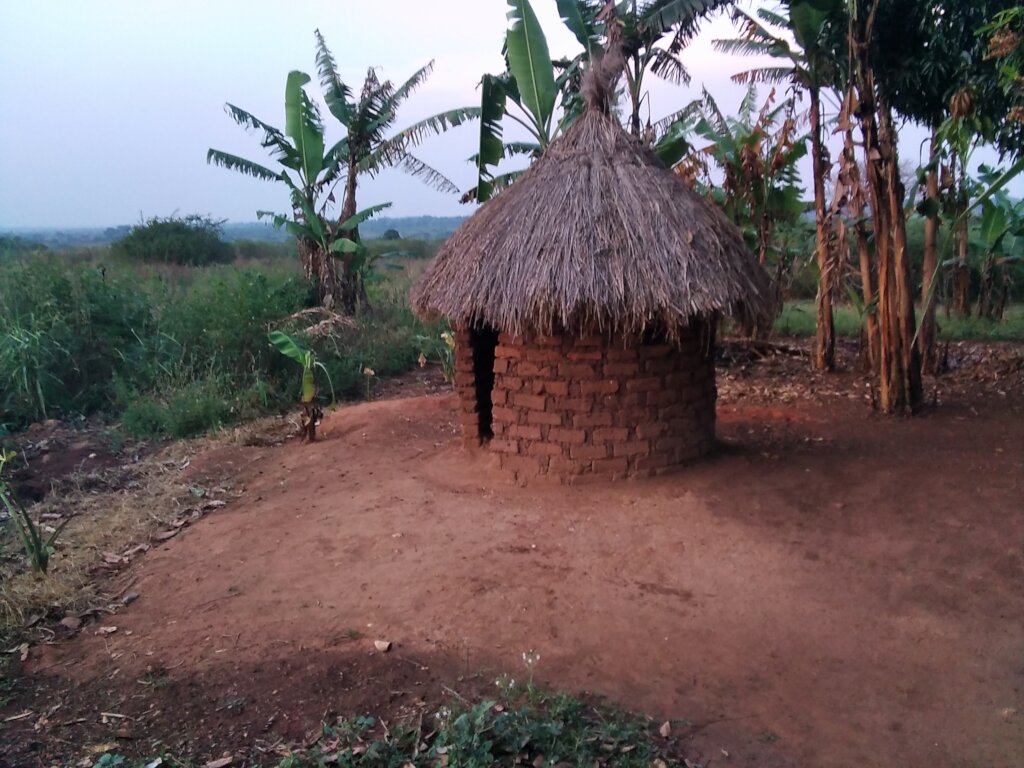
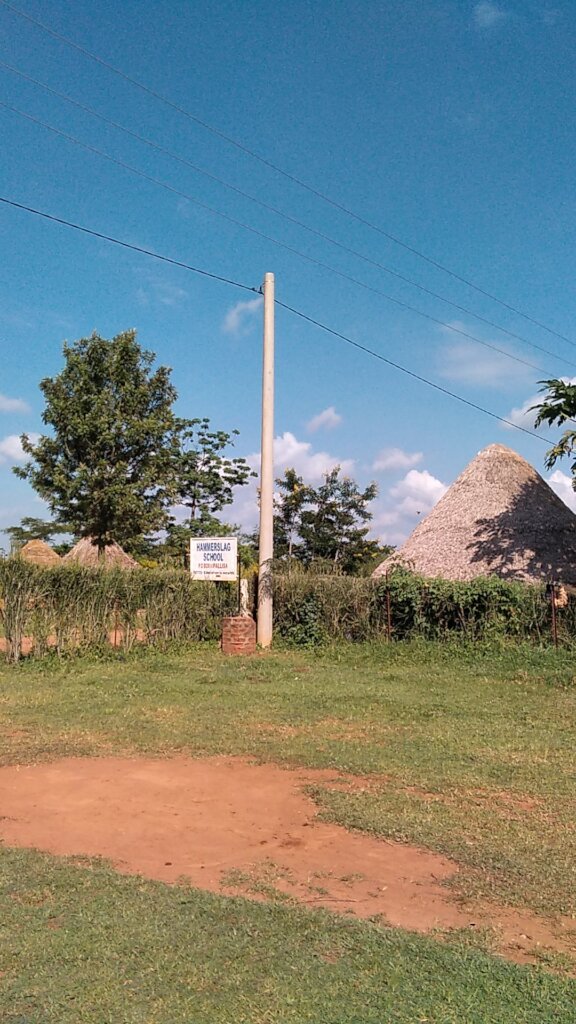
SHARE is looking for fund's to start constructing staff quarters for medical workers in an effort to address the challenge of accommodation at the school.
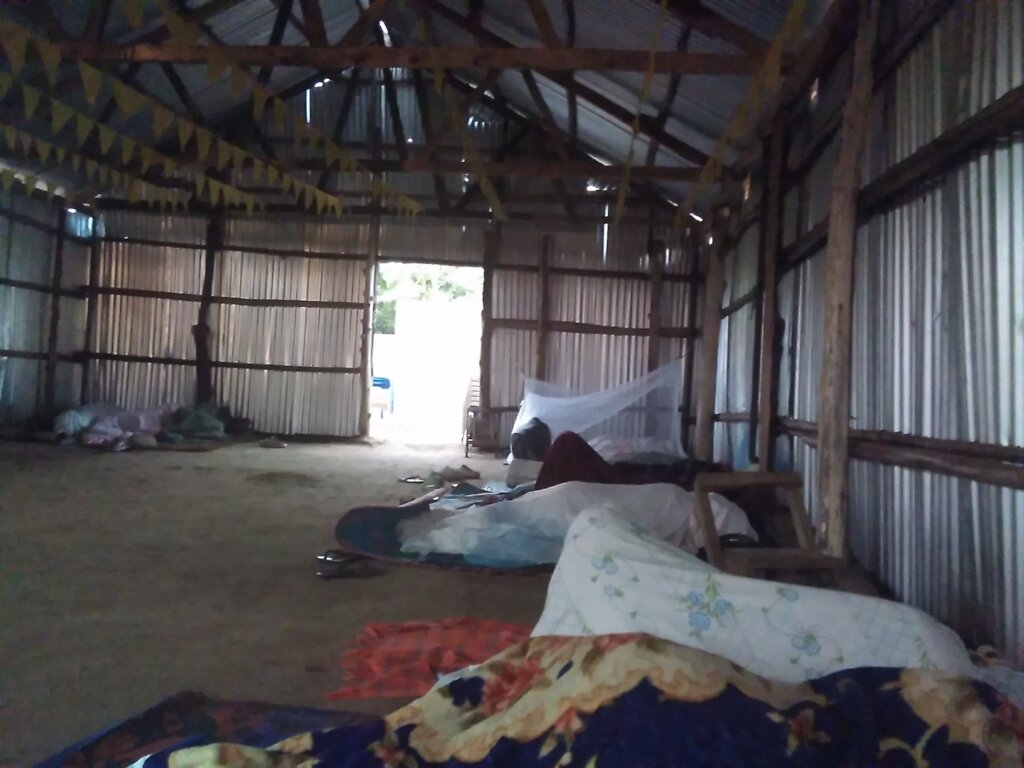
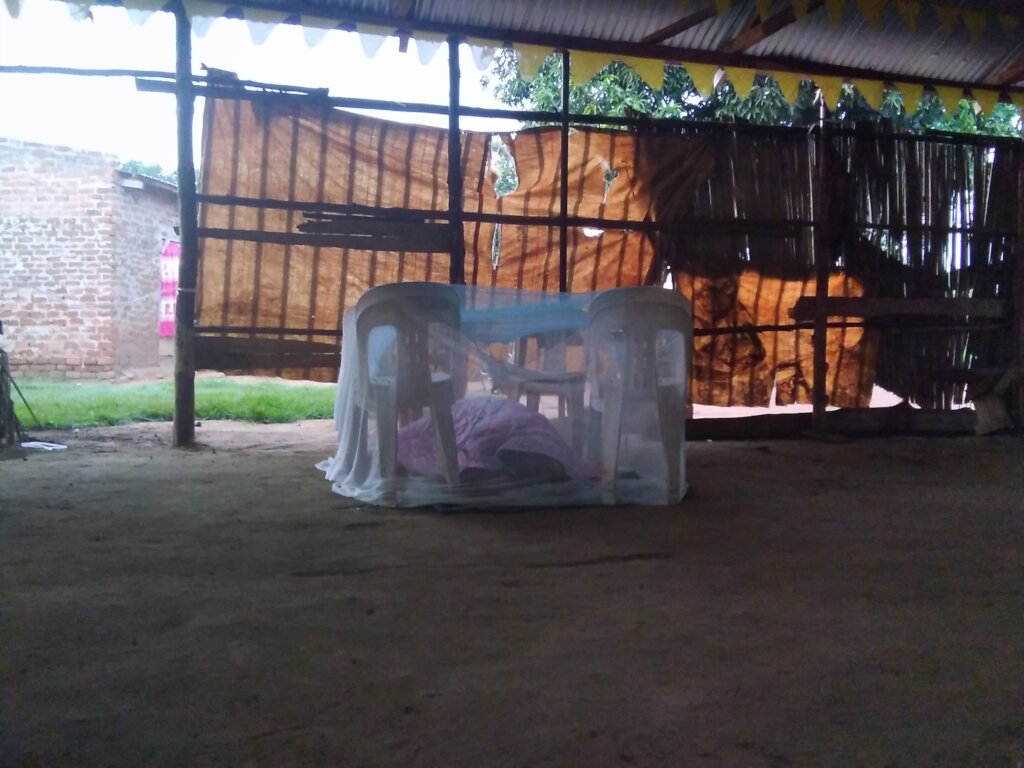
The school has a total of over 26 staff (teaching and non teaching) but can only provide housing facilities to a small number, which affects service delivery at the school, .
Only one staff is accommodated by the school the rest of the staff rent houses outside the school, trekking between 2 to 7 kilometres to access the school which affects their daily productivity as they arrive at work tired, stressed and probably late.
Project phases
The building process consists of five phases as described below.
After the construction phase is finalised, the project is completed. This project completion does not necessarily mean that the entire building(s) of the client are finalised since some remaining activities can be contracted or finished outside of the contracted activities carried out by Easy Housing.
01. Permit design phase
The permit design includes the floorplans, elevations, sections, site plans and foundation plans that are handed to the municipality.
Duration: 2-4 weeks
02. Technical design phase
After approval, the constructor will work out the technical design of the project. This includes the technical details, bill of quantities with a material passport (circular economy), shop drawings and instructions.
Duration: 2-4 weeks
03. Procurement phase
After the technical design is finished, the materials for the construction phase can be ordered from the relevant supply chain partners.
Duration: 4-5 weeks
04. Prefabrication phase
The timber for the building(s) are prefabricated at a carpentry workshop that is contracted. A project manager ensures that the working drawings and technical details are built properly and makes sure the quality, logistics and planning are properly managed.
Duration: 2-4 weeks
05. On-site finishing
Once the building materials have been prefabricated, they are transported to their final destination. The construction team has beforehand set out the site and the foundation points. The placement of the frames usually takes place in a few days. After placing the building(s), the final steps of the construction process can commence. For example, applying roofing, paintworks, sanitation, electricity and so on.
Duration: 2-4 weeks
After these steps, the project is completed.
How much does it cost to build a small teachers house?
Cost to Build a House by Square Foot
Square Feet Cost to Build
1,000 $100,000–200,000
1,500 $150,000–300,000
2,000 $200,000–400,000
2,500 $250,000–500,000
Purchasing materials
For someone building a two-bedroom house, you need about 2,400 bricks, about 80 bags of cement and iron sheets which might cost you about Shs700,000. Other materials required include; hardcore stones, ceiling wire mesh, doors, windows, aggregate concrete and sand.29 Nov 2023
How many bags of cement can lay 3000 blocks?
Since you can't use a fraction of a bag, you'll need 43 bags of cement to lay 3,000 blocks
For a standard three-bedroom bungalow, you can expect construction costs to range from Shs120 million to Shs180 million,” he explains. In contrast, opting for a double-storey home can push costs to Shs300 million or more, especially when high-end finishes are involved.
Building a four-bedroom house requires approximately 112-120 bags of cement. The house consists of a living room and dining room measuring 12×12, four bedrooms with a bathroom, and a kitchen. The maximum estimated cost for a brand like Kampala and Simba cement at UGX28,000 per bag costs UGX36000.
Can 20 million Uganda shillings build a house?
No, 20 million Uganda shillings is generally not enough to build a decent house in Uganda, especially in a major city like Kampala; you would likely only be able to build a very small, basic structure with that amount, as the average cost of building a modest house in Uganda is significantly higher, often ranging from 70 million shillings and upwards depending on location and desired features.
How many iron sheets do I need for a 2 bedroom house in Uganda?
The standard size for iron sheets is usually 2.4 meters long and 1 meter wide, giving each sheet an area of 2.4 square meters. To find out how many sheets you'll need, divide the total roof area by the area of one iron sheet. Therefore, 92.3 square meters / 2.4 square meters per sheet equals about 38.5 sheets
How many bricks do I need for a 3 bedroom house?
The number of bricks needed to build a three-bedroom house depends on several factors, including the total wall area, architectural features, and waste. A general estimate is that a single-story house will need around 1,100 bricks. However, you should plan on adding 10% for waste, and you may need more bricks if your house has decorative brickwork, arches, or brick facades.
To calculate the number of bricks needed, you can divide the total wall area by the area covered by a single brick. A standard brick covers about 0.13 square feet, including mortar space.
You should consult with a professional builder to get an accurate estimate for your specific project.
How many iron sheets do I need for a 2 bedroom house in Uganda?
The standard size for iron sheets is usually 2.4 meters long and 1 meter wide, giving each sheet an area of 2.4 square meters. To find out how many sheets you'll need, divide the total roof area by the area of one iron sheet. Therefore, 92.3 square meters / 2.4 square meters per sheet equals about 38.5 sheets.1
What is the most expensive part of building a house?
Framing forms the basic structure of the home, involving a significant amount of wood or steel, as well as skilled labor. This stage typically ranks among the highest costs in the building process due to the extensive materials and precision required
Kindly support us to build 2 teachers house's for our rural school this year 2025.
Thanks again for your kindness.
Project reports on GlobalGiving are posted directly to globalgiving.org by Project Leaders as they are completed, generally every 3-4 months. To protect the integrity of these documents, GlobalGiving does not alter them; therefore you may find some language or formatting issues.
If you donate to this project or have donated to this project, you can receive an email when this project posts a report. You can also subscribe for reports without donating.



Support this important cause by creating a personalized fundraising page.
Start a Fundraiser